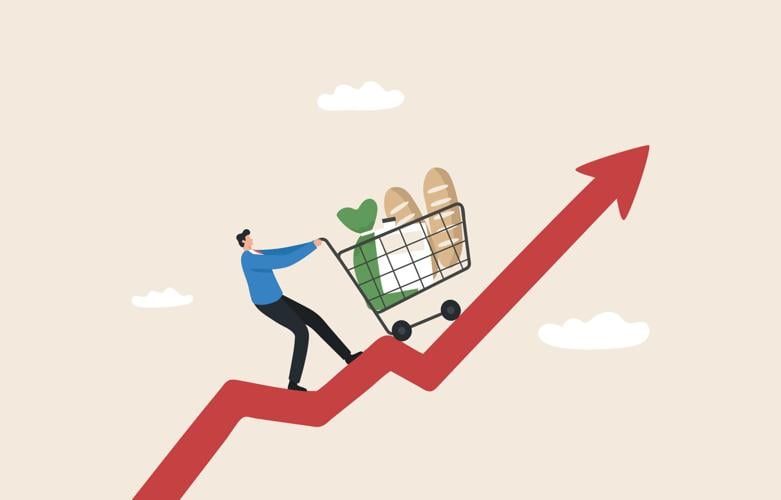
Consumers learned inflation “cooled” in June, thanks in part to falling gas prices.
However, prices still rose. In fact, the 3.5% annual inflation rate for June was higher than the inflation rate in any month of 2025.
Inflation is complicated. Prices can be down for the month, as they were in June, but up for the year. A falling inflation rate doesn’t necessarily equate to falling prices. And consumers mostly care about the price they pay at stores right now.
“Our direct, personal experiences with prices aren’t always reflected in the national inflation figures,” said Elizabeth Renter, senior economist at NerdWallet.
Here are answers to common questions about inflation.

Is it rising or falling?
That’s a tricky question.
People are also reading…
Prices rose 3.5% in the year that ended in June. A month earlier, in May, the annual inflation rate was 4.2%. So, between May and June, the annual inflation rate went down.
In that sense, the annual inflation rate fell.
What about prices?
Even though the inflation rate dropped in June, prices were still 3.5% higher than a year earlier.
Prices are almost always rising. Over the past five years, the annual inflation rate ranged from a low of 2.3% to a high of 9.1%.
Prices often fall from one month to the next. In June, for example, consumer prices declined by 0.4%.
However, prices usually rise from one year to the next. When they rise by just 1% or 2% a year, consumers may not notice. When they rise more quickly, shoppers suffer.
“Slowly, steadily rising prices are the norm,” Renter said. “It’s when inflation is higher than normal that it’s particularly painful and noticeable.”

Consumers mostly care about the price they pay at stores right now.
Why are prices still high?
A lower inflation rate doesn’t mean there’s no inflation. As of June, prices still rose at a rate of 3.5% a year.
That is significant inflation. For context: Between January 2012 and January 2021, the annual inflation rate never ranged higher than 2.9%.
For most consumers, however, an annual inflation rate tells only part of the story.
Inflation has been elevated more or less continuously since 2021. Over the past five years, prices rose more than 25%. In other words, an item that cost $100 five years ago might cost $125 now.
“The inflation rate doesn’t necessarily tell you how people are feeling,” said Ryan Sweet, chief global economist at Oxford Economics.
“The average consumer looks at price levels,” he said. “The level of prices hasn’t come down.”
The difference between annual inflation and the cumulative effect of inflation over multiple years can create a disconnect, economists say, understating inflation’s effects on consumers.
“After half a decade of high inflation in the ‘20s, consumers have generally been unhappy with high prices over the last few years,” said Bill Adams, chief U.S. economist at Fifth Third Commercial Bank. “But inflation is usually reported as the change in prices from a year ago.”
What does a lower inflation rate mean?
When the annual inflation rate falls from one month to the next, it typically means that prices are falling, or rising at a slower rate than before.
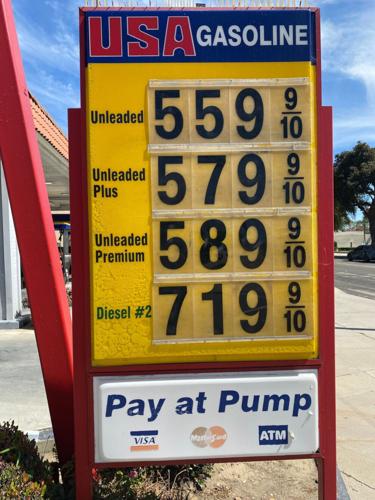
Prices don’t rise and fall in lockstep. Gas prices dropped by 9.7% in June, but food prices rose by 0.2%. Clothing prices rose by 3.9% in the year that ended in June, but used vehicle prices dipped by 1.8% in that year.

Consumers faced soaring gas prices in recent months.
Is it ever negative?
When the economy falls into recession and consumers stop spending, the annual inflation rate can slip into the negative.
In the COVID-19 pandemic downturn of 2020, the annual inflation rate sank as low as 0.1%. The Great Recession pushed inflation into the negative in 2009.
Sometimes, prices fall across the board over an extended period. That phenomenon is called deflation and it’s bad because it signals a stagnant economy. The United States experienced deflation during the Great Depression in the 1930s.
Is there an ideal rate?
If there’s a sweet spot for inflation, it might be an annual rate of 2%, the Federal Reserve’s target.
That’s an arbitrary number, economists say, representing a level of inflation that will support economic growth and keep consumers and companies borrowing, investing and spending.
A little inflation is a good thing, economists say. If the inflation rate is too high, consumers feel the pain. But deflation can seed economic calamity.
“People assume that all inflation is bad,” Sweet said. “We want a little inflation, because that greases the wheels.”