JERUSALEM — Israeli Prime Minister Benjamin Netanyahu ordered troops to move farther into Lebanon in the battle against the Iranian-backed Hezbollah militant group, he said Sunday, despite a ceasefire announced more than six weeks ago.

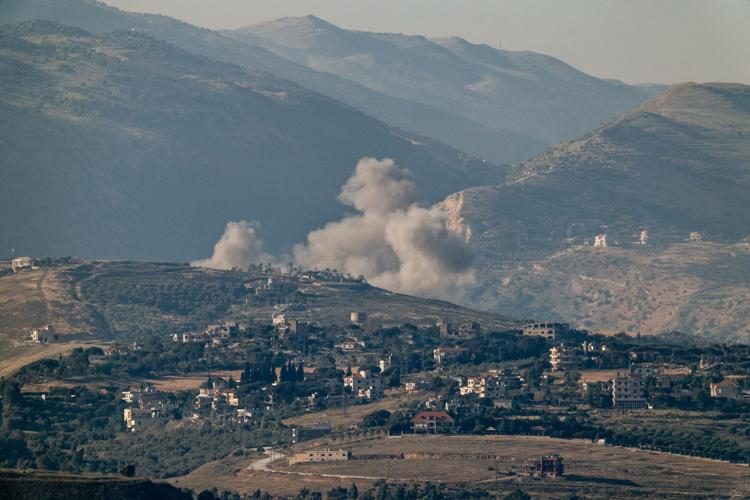
Smoke rises Sunday in southern Lebanon following an airstrike, as seen from northern Israel.
The fighting in Lebanon has been the broadest spillover of the Iran war, displacing more than 1.2 million Lebanese through Israeli strikes and evacuation orders since March 2, when Hezbollah began firing rockets and drones into Israel to support its ally Iran.
The incursion has killed more than 3,370 people, according to the Lebanese government. Israel says 24 of its soldiers and four civilians were killed over the same period. Tens of thousands of Israelis in the country's north have also been displaced by Hezbollah rockets and drones.
In the latest advance, Israeli troops seized the 900-year-old Beaufort Castle and a strategic ridge in southern Lebanon, the military said, a day after one of the heaviest days of Hezbollah fire toward northern Israel since the April ceasefire, prompting school closures and restrictions.
People are also reading…
"I instructed the (military) to expand its ground maneuver in Lebanon," Netanyahu said in a statement.
Citing the escalating violence in Lebanon, France called for an emergency meeting of the United Nations Security Council on Monday, its foreign ministry said in a statement.

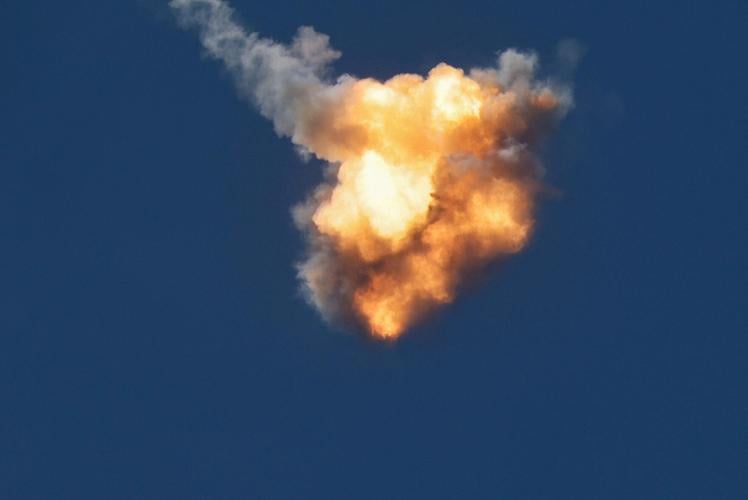
A projectile is intercepted Sunday over Lebanon, as seen from the Israeli side of the border, in northern Israel.
Israeli troops and Hezbollah have continued to trade fire since the mid-April ceasefire, with Hezbollah resorting to the use of cheap, easy-to-assemble kamikaze drones that are hard for air defenses to thwart and that have killed several Israeli troops in southern Lebanon.
The Israeli military already controlled territory up to the Litani River in Lebanon, but troops are pushing to the Zaharani River, about 6 miles north.
Netanyahu said his aim is to "deepen and expand our grip on the places that were under Hezbollah's control."
Naftali Bennett, a challenger to Netanyahu in an upcoming election, said he seeks stronger action in Lebanon, including hitting suburbs of Beirut.
The military issued an evacuation warning Sunday for residents south of the Zaharani. Eight people were killed when overnight airstrikes Saturday hit the southern village of Deir El Zahrani, Lebanon's state news agency said.
Throughout Sunday, the Israeli military conducted more than 40 strikes across southern Lebanon, according to Lebanese security sources and state news.
On Friday, the U.S. military hosted Israeli and Lebanese defense representatives in Washington to pursue a U.S.-brokered plan to forge peace between the two countries and disarm Iranian-backed Hezbollah. On May 15, the two sides agreed to extend the ceasefire by 45 days.

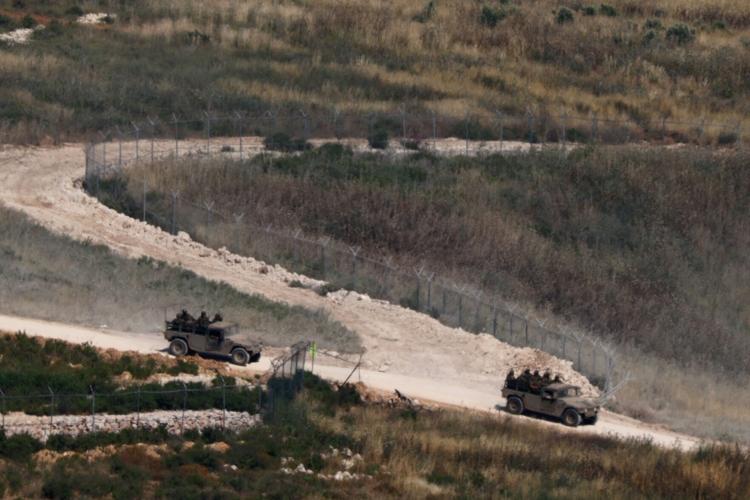
Israeli military vehicles maneuver Sunday in southern Lebanon, as seen from northern Israel.
The advance into Beaufort Castle granted Israeli troops a vantage point over much of southern Lebanon and northern Israel, from which attacks have been launched toward Israeli residential areas.
It was the first time Israel held the site since May 2000, when Israel withdrew its troops from southern Lebanon after 18 years.
Defense Minister Israel Katz said soldiers will retain Beaufort as part of Israel's security zone in southern Lebanon.
"The campaign is not over yet," he said. "We are all determined to crush Hezbollah's power."
Katz circulated a photo on social media of the castle with the Israeli flag and also that of the military's Golani brigade.
The latest operation, the military said, was focused on establishing control of the Beaufort Ridge and the Wadi al-Saluki area, while degrading the capabilities of Hezbollah’s militants and its infrastructure on the ridge established under Iranian direction.
One Israeli soldier was killed, the military said.
There were no immediate comments from Lebanon or from Hezbollah.
Talal Atrissi, a sociology professor at the Lebanese University and an analyst who is close to Hezbollah, said the photo of the Israeli flag over the castle was intended as a message to Israeli society that the military was managing to achieve goals in Lebanon despite the challenges posed by Hezbollah's use of drones.
Israeli troops were also operating near Nabatieh, a major Hezbollah stronghold in southern Lebanon, the military said.
Video from southern Lebanon shows widespread destruction after Israel repeatedly bombed the city of Tyre.