WASHINGTON — The lead-up to the 2024 election was all about cat owners but, in the end, the dogs had their day.
President-elect Donald Trump won slightly more than half of voters who own either cats or dogs, with a big assist from dog owners, according to AP VoteCast, a survey of more than 120,000 voters. Dog owners were much more likely to support the Republican over Democratic Vice President Kamala Harris. Cat owners were split between the two candidates.
About two-thirds of voters said they own a dog or cat, but pet owners don't usually get much attention from politicians.
This year, however, past comments by Trump's running mate, Ohio Sen. JD Vance, about "childless cat ladies" briefly became a campaign issue — and Taylor Swift signed her Instagram endorsement of Harris in September as "Taylor Swift Childless Cat Lady."
People are also reading…
Harris did end up decisively winning support from women who owned a cat but not a dog. Still, those voters were a relatively small slice of the electorate, and pet owners as a whole did not seem to hold Vance's remarks against the GOP ticket.

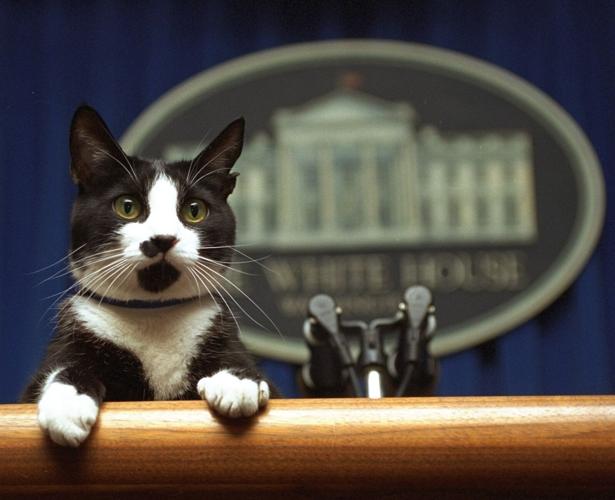
President Bill Clinton's cat Socks peers over the lectern March 19, 1994, in the White House briefing room in Washington.
Harris found success with female cat owners, but not men who owned cats
Childless or not, women who only owned a cat were more likely to support Harris than were dog owners, or voters who had a cat and a dog. About 6 in 10 women who owned a cat but not a dog supported Harris, according to AP VoteCast. She did similarly well among women who did not own either kind of pet.
Her success with women who were cat owners didn't translate to men. Trump narrowly won the backing of men who only owned cats; slightly more than half of these voters supported him.
It's impossible to know how much Vance's comments played into Harris' success with women who only had cats, but most of those voters had a "very" or "somewhat" unfavorable opinion of Vance. They were more likely to dislike him than women who only owned dogs or women who have cats and dogs. They were also more likely than female voters overall to have a negative view of Trump and the Republican Party.
A simple explanation for the divide is that women who were cat owners were never very inclined to vote for Trump, even before Vance's comments resurfaced. According to AP VoteCast, only about 4 in 10 female voters who only owned a cat were Republicans.

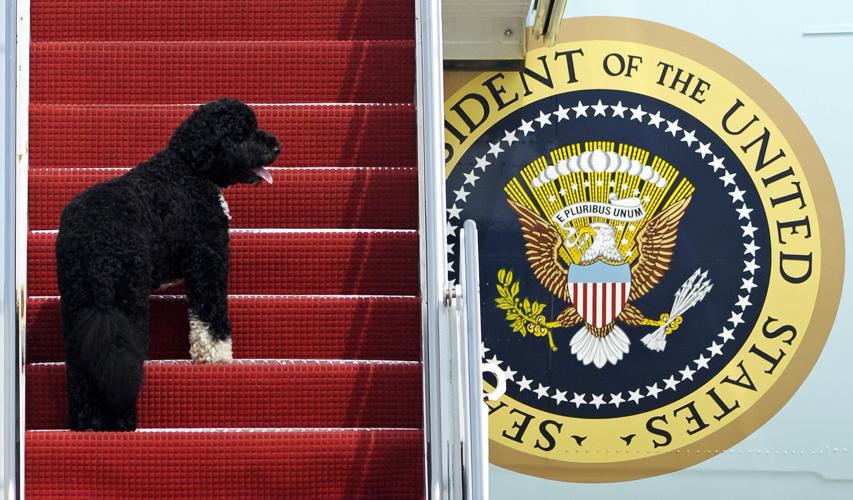
Presidential pet Bo climbs the stairs of Air Force One on Aug. 4, 2010, at Andrews Air Force Base, Md., for a flight to Chicago with President Barack Obama.
More voters are dog owners, and Trump did better with them
If anything, the result of the 2024 election suggests Democrats may have some work to do with dog owners. Voters who owned a dog, including those who owned a cat as well, were more likely to support Trump, and they made up a bigger share of the electorate.
Cat owners who didn't also have a dog made up only about 15% of voters. About 2 in 10 voters, by contrast, owned both kinds of pets, and about 3 in 10 only had a dog, which meant that dog owners were a much more influential voting bloc. Trump won about 6 in 10 men voters who owned a dog but no cat, and about half of female voters in this group.
While Trump's campaign did not make the same appeals to dog owners that Harris' campaign did with cat owners, Trump falsely claimed immigrants in Ohio were stealing and eating dogs and cats. But, as with the Vance remarks, there is no evidence Trump's statements ultimately influenced pet owners' decisions.
In fact, party loyalty was likely a major factor — about 6 in 10 men who only owned dogs identified as Republicans, as did about half of women who are dog owners.

President George H.W. Bush, right, and first lady Barbara Bush walk with their dog Millie on Aug. 24, 1992, across the South Lawn of the White House in Washington.
So Democrats looking to make inroads with dog lovers may not have an easy fix ahead. But it's also true that neither Trump nor Harris own pets, which meant no dogs accompanied the presidential candidates on the campaign. It's possible future campaigns could benefit from a little more bark.
AP VoteCast is a survey of the American electorate conducted by NORC at the University of Chicago for Fox News, PBS NewsHour, The Wall Street Journal and The Associated Press. The survey of more than 120,000 voters was conducted for eight days, concluding as polls closed. Interviews were conducted in English and Spanish.
The survey combines a random sample of registered voters drawn from state voter files; self-identified registered voters using NORC's probability based AmeriSpeak panel, which is designed to be representative of the U.S. population; and self-identified registered voters selected from nonprobability online panels. The margin of sampling error for voters overall is estimated to be plus or minus 0.4 percentage points.

These regular pet grooming habits can save you money on vet bills
1. Tooth Brushing

Daily tooth brushing can save you hundreds of dollars on vet bills. A regular dental cleaning costs an average of $378 for dogs and $314 for cats, according to CareCredit. The cost of tooth extractions can be in the thousands. Pet owners should use toothpaste and toothbrushes specifically made for pets. Dental chews can supplement regular brushing, but shouldn’t be a substitute if your pet will allow you to brush their teeth.
Buy it here: Virbac C.E.T. Oral Hygiene Kit for Cats and Dogs, $14
2. Nail Trimming

While it might be a nail-biting experience for most pet owners, regularly trimming your pet’s nails can prevent overgrowth, infection, and lopsided gait, which need to be treated by a vet. A quick trim every three to four weeks can keep your dog’s or cat’s nails in perfect shape. Just avoid the quick in the center of the nail, which can cause pain or bleeding if cut.
Buy it here: Pet Nail Clipper with LED Light, $21
4. Ear Cleaning

Cleaning your pet’s ears about once a week, or as often as your vet recommends, is a healthy grooming habit that prevents wax, debris, and bacteria build-up. Ear cleaning is especially important for floppy-eared pets who are prone to infections.
Buy it here: Pet MD Dog Ear Cleaner Wipes, $15
3. Bathing

Regular baths help remove dirt and allergens from your pet’s fur, and help you spot skin issues like rashes, fleas, or ticks early. Plus, your pet will smell much better when they try to cuddle. A bath every four to six weeks or as needed works for most dogs. Cats groom themselves but should be bathed if they get dirty.
Buy it here: Earthbath Oatmeal & Aloe Dog Shampoo and Conditioner, $30
5. Coat Brushing

Like regular baths, brushing your dog or cat removes dirt and dander, and helps you keep an eye on any skin conditions. Long-haired dog breeds can be brushed daily to prevent matting, and short-haired dogs can get by with weekly brushing. Cats can be brushed a few times a week for a healthy coat.
Buy it here: Atlamia Self Cleaning Slicker Brush, $7