

In the beginning, the man dubbed Phoenix’s “serial street shooter” was a phantom gunman with a recognizable M.O.
By mid-June, Phoenix police had identified four shootings and six victims, all targeted in residential Maryvale, often steps away of the safety of family homes. Despite the apparent randomness of the circumstances, they were connected: They were gunned down at night, on the weekend, and within a 4-square-mile radius.
But a picture that had once seemed clear began to blur as more information trickled out about the shooter over the summer.
By mid-July, police publicly tied him to four more shootings dating to March, including a seventh fatality discovered more than 10 miles east of the nearest Maryvale attack.
Unlike with the other shooting reports, police responded during the week, and to a call about a dead body. And unlike the other casualties, Krystal Annette White did not seem to have a connection to the homes nearby.
People are also reading…
A ninth, non-fatal incident from July was officially added to the list Aug. 3.
Police have released a sketch of a man they say is likely young and Hispanic, but they have been vague on many other details. His motive is unknown, witness accounts are contradictory and his victims follow no demographic pattern.
The thread police say links the nine incidents to one another is forensic.
The shooter used a handgun, said Phoenix police homicide Lt. Ed DeCastro, who added that other evidence had been found at the scenes. DeCastro declined to specify what type of handgun the shooter used, or what other type of evidence is linked to the investigation.
In an interview with The Arizona Republic, DeCastro discussed what is known, and what isn't, about Phoenix’s “serial street shooter.”
Who is he?
Clearly, the shooter's identity is the most pressing mystery. DeCastro said Phoenix investigators have contacted several other agencies, including the FBI and the Bureau of Alcohol, Tobacco, Firearms and Explosives, for help in an effort to pin down a suspect.
The shooter appears to be a Hispanic male in his early 20s, DeCastro said, but noted that any guess on height or weight would be purely speculative. The sketch released does seem to indicate a man with a thinner build.
It’s also unclear whether the shooter is acting alone. Witnesses said they saw three men near the car where Angela Linner, Stefanie Ellis and Ellis’ 12-year-old daughter, Maleah, had been listening to music before the bullets struck them.
“We’re unsure if he’s by himself or if there are multiple people,” DeCastro said.
What does he drive?
Witness accounts have varied on this point so frequently that police believe the shooter must have access to several cars, DeCastro said.
Descriptions at different scenes have varied, through some have followed a general theme.
“We’ve had several of them say that he was driving a dark sedan, but we don’t know what the model was,” he said. “And we were recently able to pull the black BMW as a possible vehicle.”
Police said on Aug. 3 that two vehicles best described by witnesses were a white Cadillac or Lincoln “type” of vehicle, and a black, late 1990s or early 2000s 5 Series BMW.
Who are the victims?
The shooter’s known targets defy categorization. Killed were children and adults, black people and Hispanic people, men and women, people in east and west Phoenix.
DeCastro said the only link among victims seemed to be their circumstances.
“He’s targeting people that are out — seemingly by themselves, (with) no other witnesses,” DeCastro said. “At this point we have no connection to any of the victims. So it does seem random.”
Police have not publicly identified the surviving victims other than by their ages and genders.
Could past shootings be tied to the case?
Since the investigation began, police have pored through unsolved shooting cases to answer this question.
DeCastro said crime analysts have sifted through data to flag incidents with similar M.O.s, victims, weapons and locations.
“They give us a list of things and then we kind of go through each one individually and see, this one might match, this one doesn’t match,” he said. “Then we go old school and go through each report.”
DeCastro said this includes sorting through evidence and photos and re-interviewing people to see if there’s a connection that wasn’t previously linked.
Five shootings have been tied to the case through this process since the initial four, but DeCastro said not to expect any more additions from earlier this year.
“We’ve completed the entire 2016 year," he said. “We’re starting in the end of 2015 and working backwards.”
By Thursday afternoon, police had fielded about 700 tips, DeCastro said. The better tips are placed into two categories: Follow up, and follow up immediately. DeCastro said close to 100 of these tips have generated immediate follow-ups.
The rest are so vague they’re deemed useless.
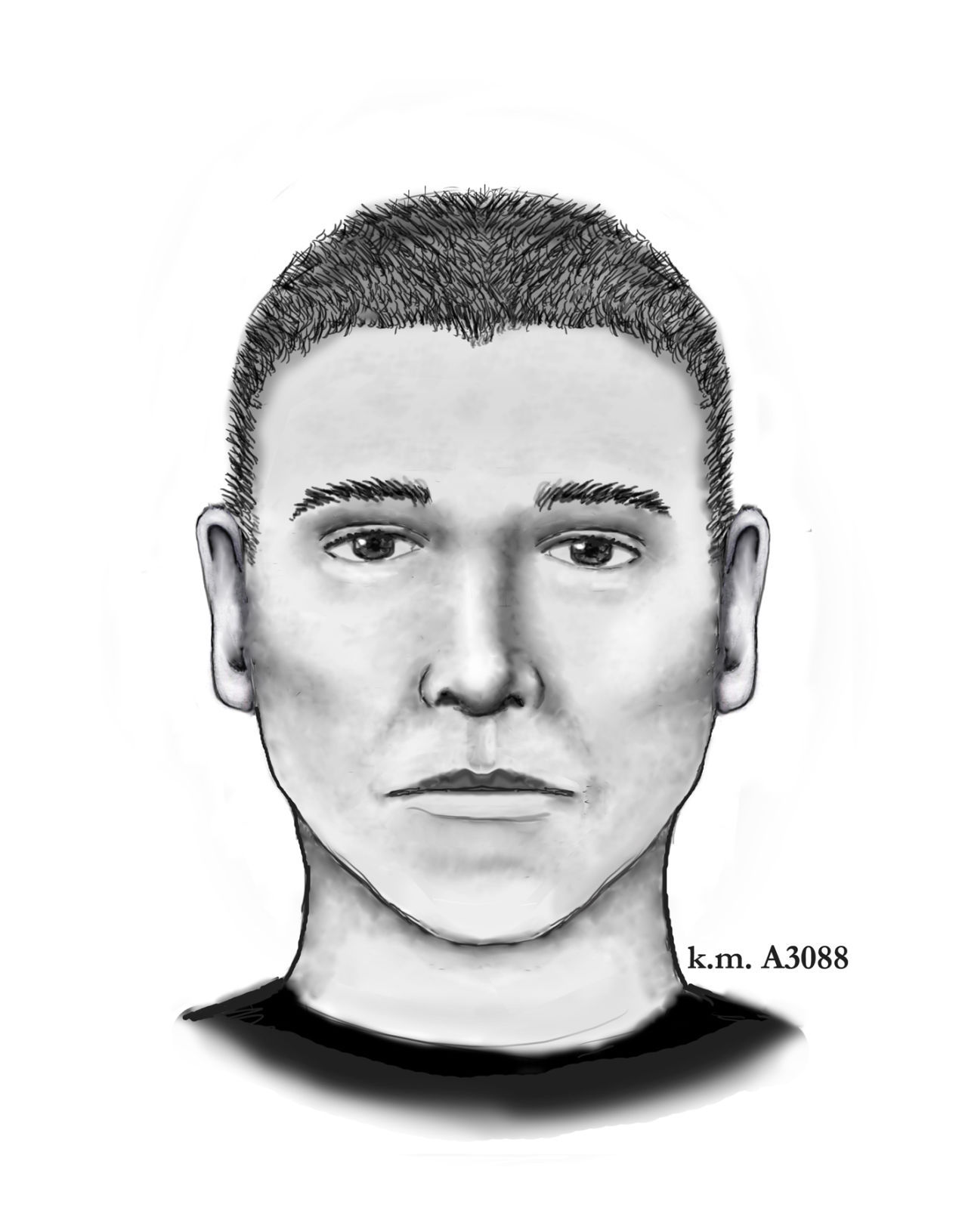
This composite sketch provided by the Phoenix Police Department shows a possible suspect in a series of street shootings in Phoenix.


