PHOENIX — An Arizona man convicted of murder and robbery will get another chance to escape the death penalty.
It was a mistake for a Maricopa County Superior Court judge not to tell jurors that if they did not sentence Shawn Lynch to death that he would be sentenced to life behind bars, with no chance of parole, six of the justices of the U.S. Supreme Court said in an unsigned opinion Tuesday morning.
Had jurors been given that information they might have decided not to impose the death penalty, the majority said.
Today's ruling drew a dissent from Justice Clarence Thomas. Joined by Justice Samuel Alito, Thomas said it was the "sheer depravity” of the crime that caused jurors to sentence Lynch to death, not the question of whether he might ever get out of prison.
Lynch and Michael Sehwani met James Panzarella in March 2001 at a Scottsdale bar. All three went to Panzarella's residence early the next morning, according to court records.
People are also reading…
The victim's credit cards were used during the next two days.
Panzarella was eventually found in his home tied to a chair with his throat slit.
Police also found credit card receipt from purchases made that morning at a supermarket and convenience store.
Lynch and Sehwani were arrested later that day. Sehwani had Panzarella's credit cards and checks in his wallet. And in the truck and motel room he and Lynch were using they found the keys to Panzarella's car, a pistol belonging to the victim and a sweater with Panzarella's blood on it,
Blood on Lynch's shoes matched the victim's DNA.
During sentencing, prosecutors argued that jurors should consider Lynch's future dangerousness when determining proper punishment. But the trial judge refused to let defense counsel tell the jury that under Arizona law, the only alternative sentence was life without parole.
The majority, in today's ruling, conceded that there was a chance Lynch could be released after 25 years.
But the justices pointed out that could happen only through executive clemency. And they said that was not enough of a possibility to let jurors think if they did not sentenced Lynch to death that he might be released.
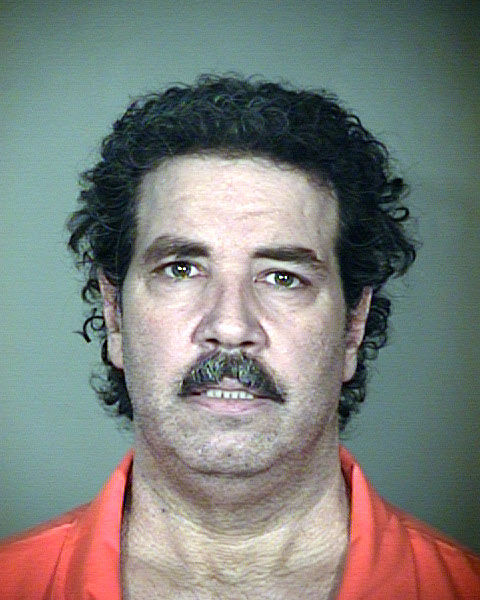
Shawn Lynch