In a city steeped in tradition and history, Richmond has always had a social season in full bloom.
Every year, young debutantes gracefully step into the spotlight, dressed in elaborate gowns, and navigate a world defined by family namesakes and excessive opulence.
It is a rite of passage tradition carried over from the old country dating back to the aristocratic societies in Europe where young noble women could be introduced to the social season until it was time to marry into other wealthy families.

The Bal du Bois, hosted by the Country Club of Virginia, began in 1957. Each year, teenage debutantes participate in the fundraising event.
The earliest mentions of a “social season” was recorded in the 1812 edition of the Virginia Argus — a small one-fold paper that eventually consolidated into The Times-Dispatch.
A later report in an 1859 edition of the Richmond Enquirer described the city’s social season as “at its gayest pith at present” as the “parties, dinners, routes and balls follow each other in rapid succession; and those who trip it on the light fantastic toe are thus kept continually on the qui vive.”
People are also reading…
From its fruition, the city was founded by wealthy aristocratic families and built by the people they enslaved. A quick glance around the city further highlights their longevity in the city.
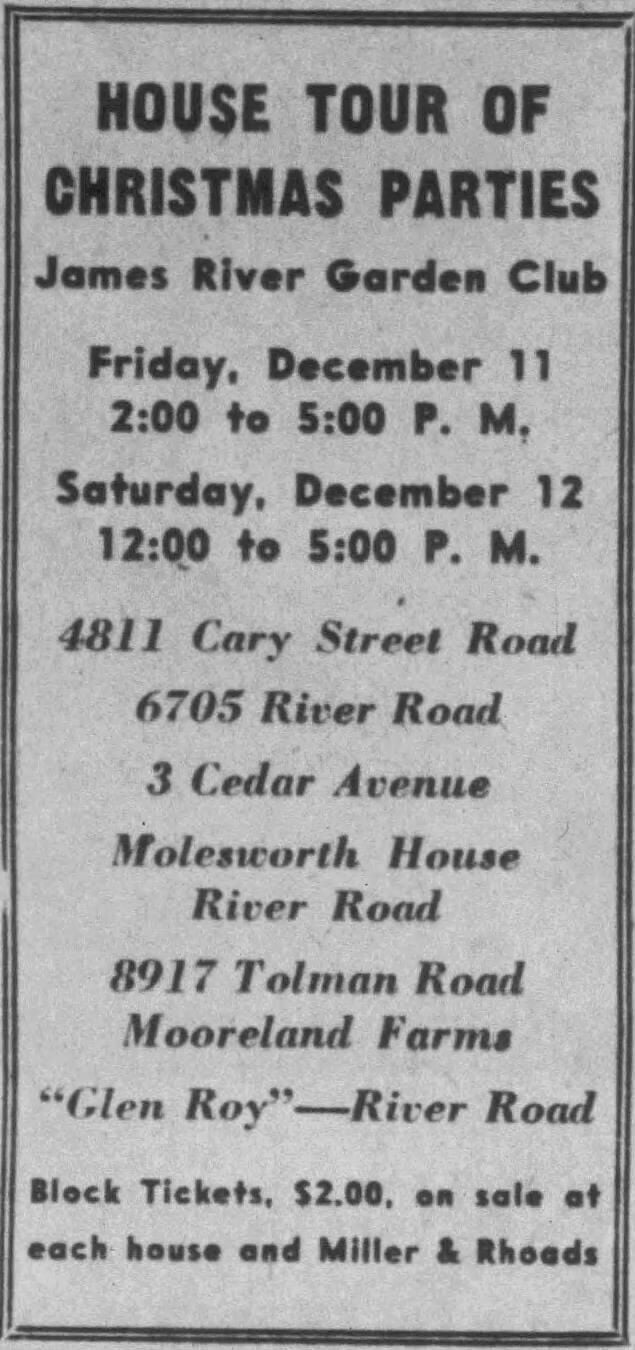
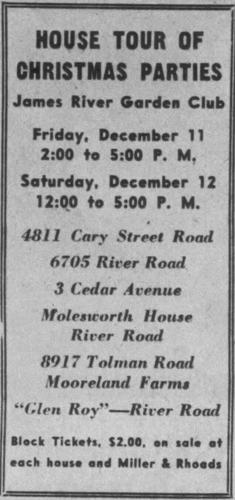
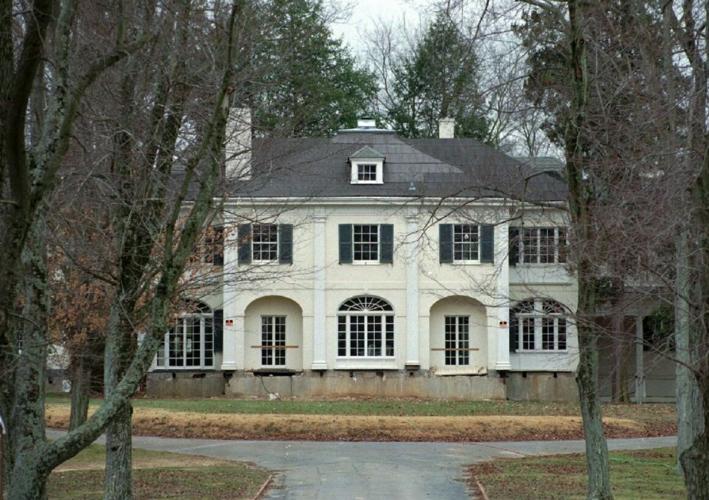
Graymont, located at 4811 Cary Street Road in Richmond’s West End, was purchased by the Gottwald family.
The Byrd family, who owned most of the city’s acreage in its early years, is still recognized through Byrd Park, the Byrd Theatre and Belvidere Street — the name of William Byrd III‘s plantation mansion.
Often, the meticulously orchestrated affairs held by those same wealthy families brought together the crème de la crème of the upper echelons and were shrouded in secrecy.
But beneath the façade of dazzling soirees lay a world veiled in secrecy where the wealthy elite guarded their exclusivity with a practiced finesse and every now and then, the whispers of old money and untold stories intertwined, painting a portrait of an enigmatic world where maybe things aren’t always as they seem.
On one such occasion, a legal battle between the Gottwald and Mercer families, both pillars in Richmond’s upper echelons, thrust the well-guarded world of aristocratic policies into the public eye.
In 1994, George and Dale Mercer Jr., of Mercer Rug and Carpet Cleaning, announced the sale of Graymont, their home at 4811 Cary Street Road, to Bruce and Kimberly Clifton Gottwald, of the First Colony Corp.
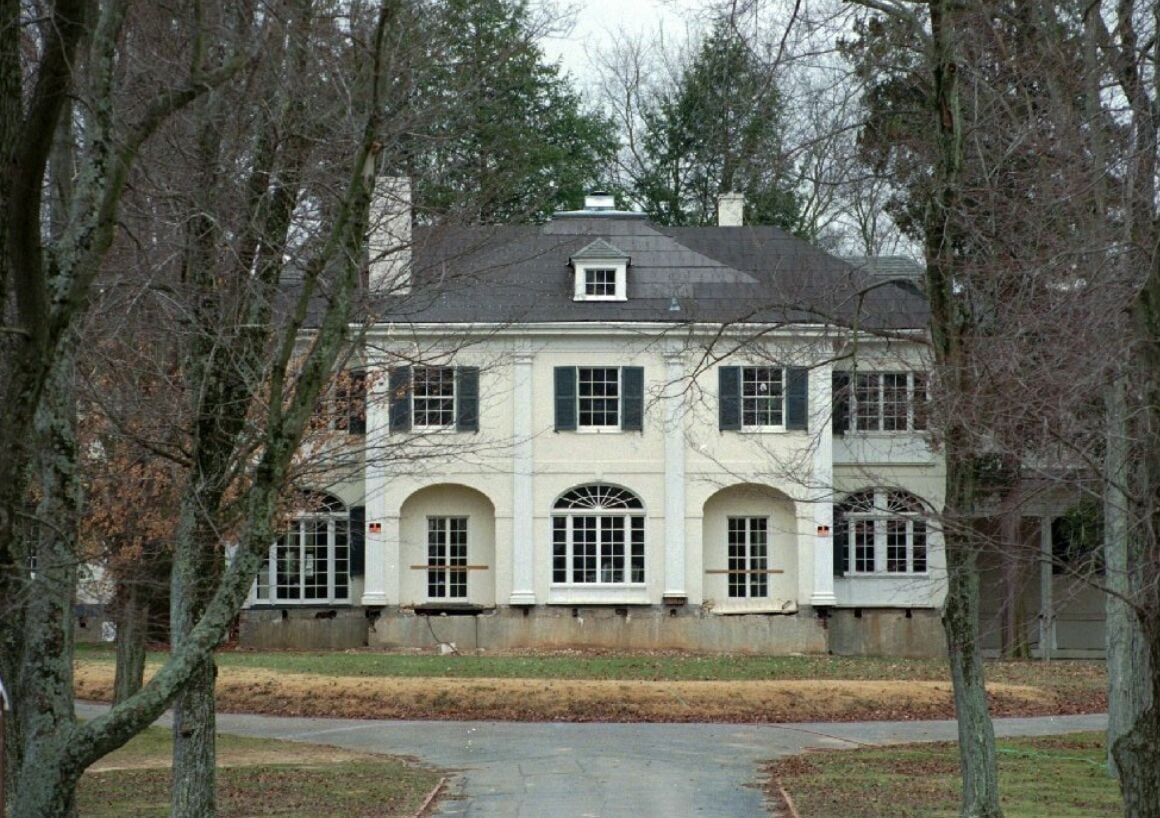
In 1995, the Mercer family sold Graymont to the Gottwald family, one of the wealthiest families in Virginia.
The home, constructed in 1902 by the tobacco heir Archibald Patterson — the namesake of the Fan’s Patterson Avenue — sits in the city’s wealthiest neighborhood in the West End.
“It’s big enough for a family of 10, the front lawn could double as a driving range and the house has a history that should be required reading for budding realtors,” Times-Dispatch reporter Bill McKelway described the estate in the Tuesday, Feb. 16, 1999, edition of the newspaper.
The final sale carried with a $3 million price tag with $2 million due at closing. With everyone in agreement, the two families signed off on the sale without a home inspection.

After the sale of Graymont, a legal battle began to play out when the Gottwald family accused the Mercer family of fraud, saying the home was in disrepair.
Everything appeared to be well. That was until the Mercer family received a summons on behalf of the Gottwalds alleging that the family had misrepresented the condition of the house.
According to Gottwald, the home had severe structural damage and termites — a fact that he alleged the Mercers failed to mention, going as far as to call it “in top-notch” condition.
However, after the sale, Gottwald wrote a letter to George Mercer stating he was “throwing in the towel” and planned to tear down the house.
In the months and years that followed, the two families fought a bitter court battle that played out in the papers and in the public eye before the family ultimately settled outside of court.
After gutting the home, Gottwald eventually sold it after it sat vacant. Its assessed value was $1.5 million.
While the court case may have ended, the Mercer family remained in the spotlight when daughter Tinsley Mercer Mortimer began her reign as one of New York’s most talked about socialites.
Like many children of Richmond’s most opulent families, Mortimer carried on the debutante tradition. A product of St. Catherine’s School, Mortimer was a budding tennis star and leading member of the Bal du Bois, a yearly debutante ball hosted by the Country Club of Virginia.

Reality star Tinsley Mercer Mortimer attends the American Museum of Natural History’s dance party in New York on April 15, 2010.
Before Mortimer’s name began to surface in the New York Post and the numerous Y2K-era early internet blogs, she was a frequent flyer in The Times-Dispatch’s sports section.
When Mortimer joined the fold, she brought Richmond’s close-guarded social season to the mainstream — helping coin the phrase “celebutante.”
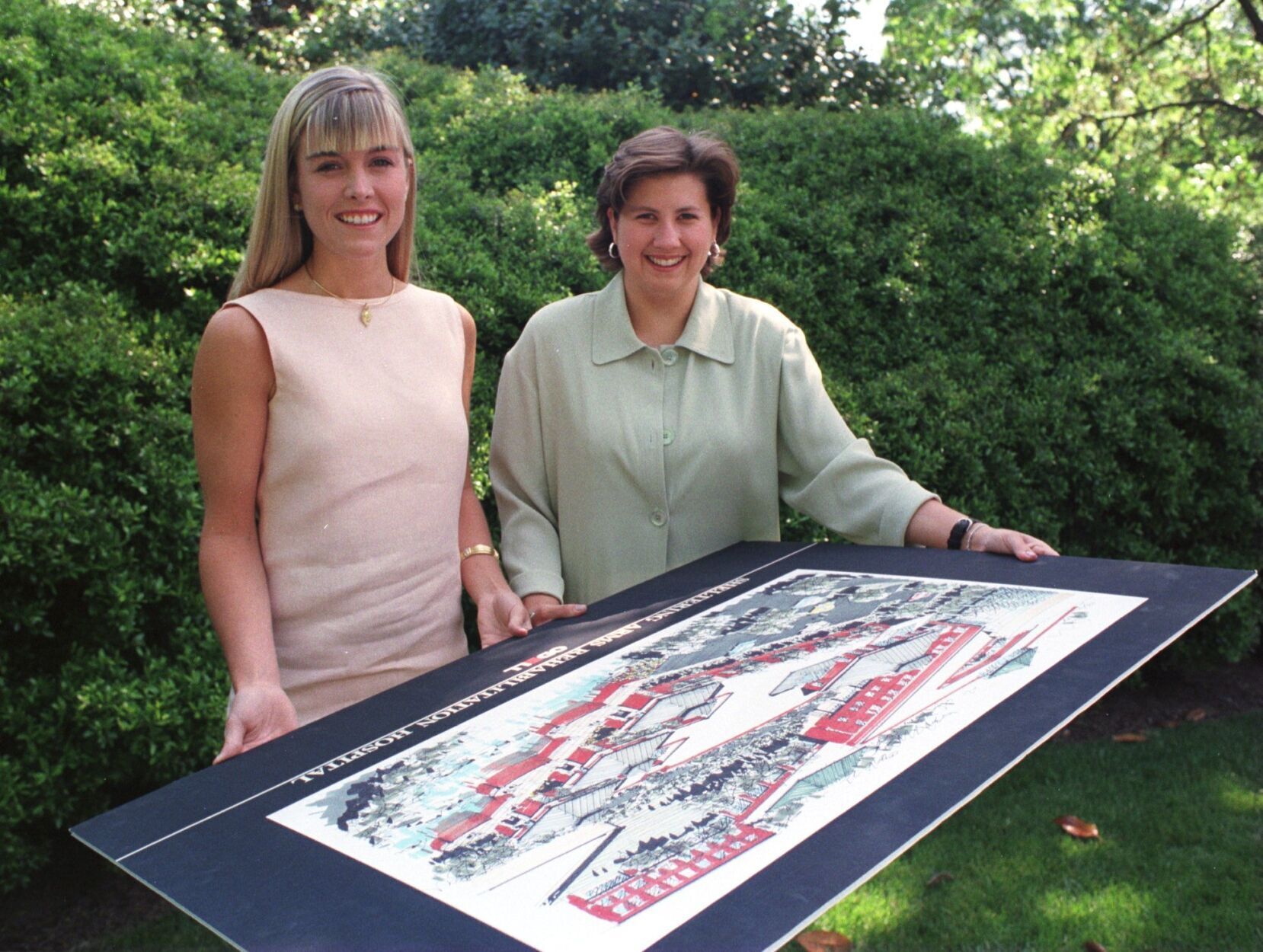
Tinsley Mercer, left, and Anne P. Wootton hold architectural renderings of the new Sheltering Arms Physical Rehabilitation Hospital in 1997.
Following several stints in the public eye, Mortimer brought Richmond’s upper class to millions across the country and the globe when she became a long-term cast member on the “Real Housewives of New York” — one of the highest-grossing franchises in the Bravo-verse.
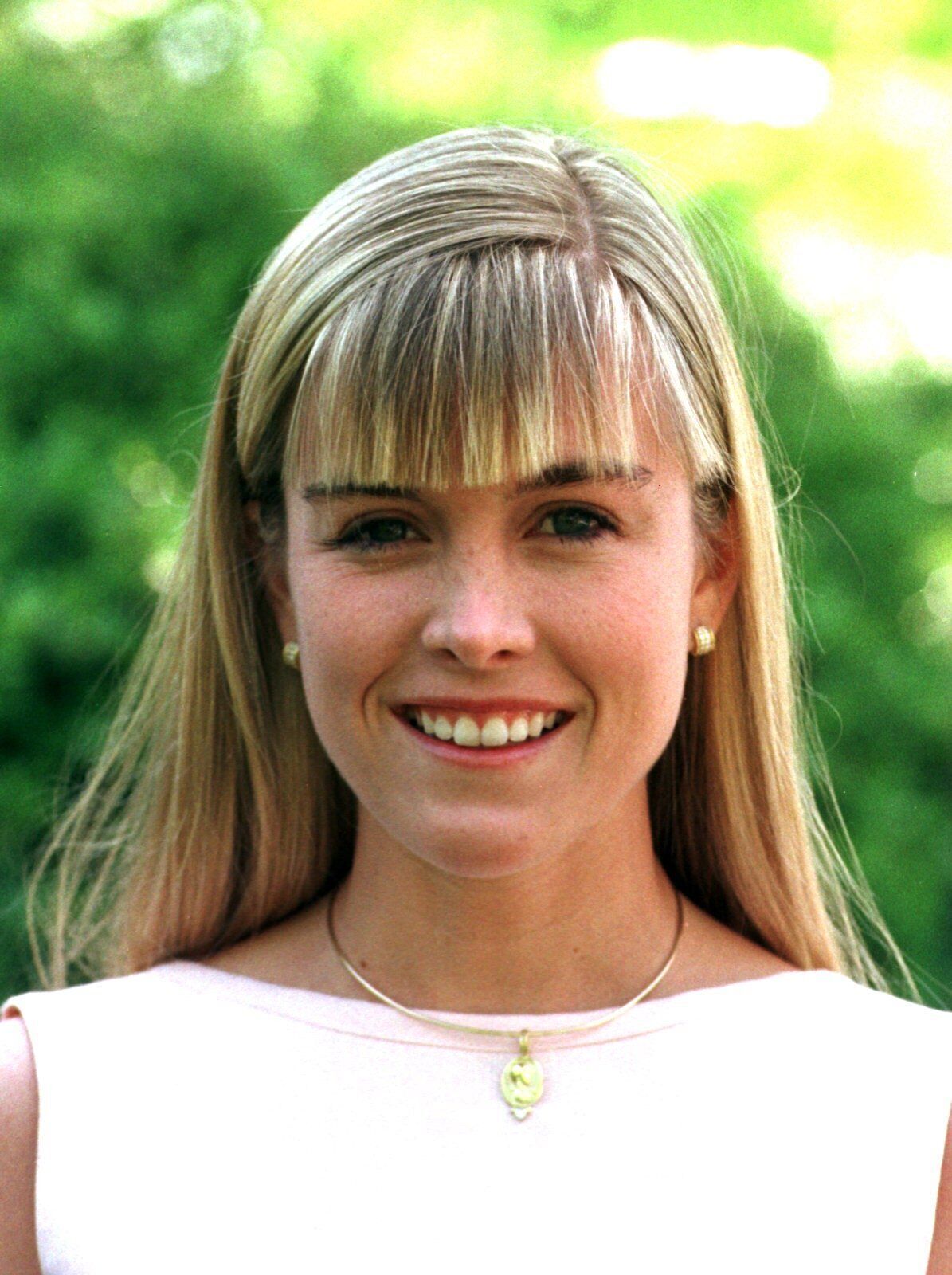
Tinsley R. Mercer
For Richmond, its wealthy elite still remains. Debutante balls are still being held each year; the social season is still in bloom. The Graymont has changed owners and continued welcoming tours of the home’s gardens well into the new millennia.