PHOENIX — A company that said it can help veterans secure higher benefits has agreed to a penalty of nearly $2 million to settle a complaint that it was defrauding customers.
In the consent judgment, VetLink Solutions does not admit it violated any state laws. Instead, company officials agreed not to misrepresent in the future the services it is entitled to provide.
Only thing is, there is nothing in state statutes that specifically prohibits people from offering to help veterans, even for money, though veterans can get the same services for free from the Arizona Department of Veterans Services.
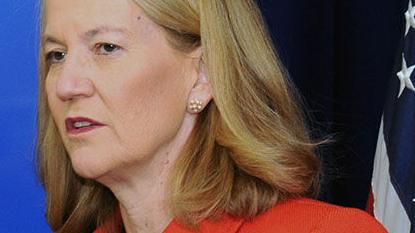
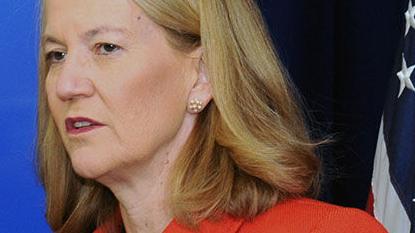
But Arizona Attorney General Kris Mayes said what allowed her to go after VetLink Solutions is the fact that it marketed itself as being able to prepare and submit claims on behalf of veterans to the Veterans Administration, something it was not licensed to do.
People are also reading…
That resulted in the company providing $1.2 million in restitution to customers, $700,000 in civil penalties and $50,000 in legal fees to Mayes' office.
State Rep. Stacey Travers, a Phoenix Democrat, said she has been trying to address the gap in Arizona law to protect the more than 500,000 veterans in Arizona. But she said various proposals to require state licensing or certification have been defeated by lobbyists for companies who say that such state oversight is unnecessary.
What that leaves is a federal law that spells out what private entities can and cannot do for compensation in helping veterans, which Travers said "lacks teeth.''
That left Arizona only able to use consumer fraud laws to pursue this company, and others that Travers said are taking advantage of veterans.
Contingency fee model used
At issue are disability ratings.
The VA issues a rating to veterans based on the severity of any service-connected conditions.
These can include conditions such as partial hearing loss, chronic back pain, loss of range of motion because of scar tissue, and cancers caused by exposure to toxic chemicals or fumes. It can also cover mental health conditions like post-traumatic stress disorder, depression and anxiety.
Ratings are based on how serious the condition is and how it affects the veteran's ability to function.
At times, veterans believe their VA-assigned rating is not correct. Mayes said some, unaware of what services are offered for free through the state Department of Veteran Services in seeking a new rating, respond to commercials and solicitations offering to help.
That is what happened here, the settlement says.
It says VetLink Solutions, based in Surprise, charged veterans under a contingency fee model. That meant if there was a benefit increase, the veteran had to pay a consulting fee that was five times the difference between the original monthly benefit and the subsequent award.
Mayes said those fees cost thousands of dollars and, in some cases, as much as $12,000.
All that constituted consumer fraud under Arizona law, she said, because the company was not authorized by the VA to provide such services. Nor was it entitled to charge the fees that are permitted only to accredited VA representatives.
Her fraud case was buttressed by the fact that the VA sent two cease-and-desist letters to VetLink Solutions in 2022 and 2023.
Mayes said her office already identified about 350 people who were victims of VetLink Solutions and plans to send postcards to them about reimbursement. She said others who believe they were defrauded can contact her office.
According to the consent judgment, VetLink Solutions sold substantially all of its assets to another company in 2024. There is now a separate company in Surprise, operating as VetLink Solutions, which says it does not assist clients in preparing or filing claims but instead, for a fee, helps veterans get medical evidence to support their claims.
Mayes wants to go after fraud targeting veterans
Under normal circumstances, the $700,000 civil penalty from VetLink Solutions would go into a special consumer protection and consumer fraud revolving fund.
Mayes, however, said she wants lawmakers to let her use the cash to hire an attorney and staff specifically to go after fraud that targets veterans. She said that, if there are future settlements, that office could be self-funded within two years.
Mayes said there are other "common scams'' that often target veterans.
For example, she said, there are unethical advisors who say they can increase a veteran's benefits by restructuring assets, often through the purchase of annuities or trusts "with hidden fees that reduce overall lifetime income.''
Then there's what Mayes called "benefits buyouts.''
"These are situations where fraudsters offer a lump sum buyout of disability or pension benefits,'' she said. "The payout is far less than the lifetime value of the benefit. And these arrangements may violate federal law.''
Other types of fraud, she said, include:
- Fake veterans charities that use "emotional appeals and real-sounding organization names;''
- So-called special deals for veterans on cars, electronics or travel, but where the product or service is not delivered after payment;
- People impersonating VA employees who ask for Social Security numbers, bank information, or payments to "process" benefits.

Mayes
Howard Fischer is a veteran journalist who has been reporting since 1970 and covering state politics and the Legislature since 1982. Follow him on X, Bluesky and Threads at @azcapmedia or email azcapmedia@gmail.com.