

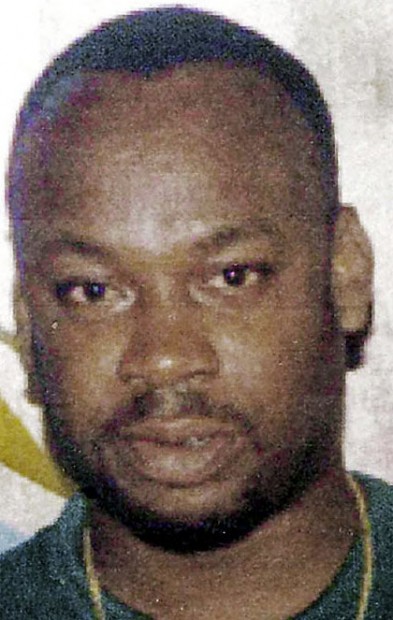
KINGSTON, Jamaica - In a gritty slum, they are preparing for war. They are building barricades of junked cars and sandbags, making Molotov cocktails and pitching barbed wire over power lines.
They are waiting for the police, who they believe will come for Christopher "Dudus" Coke, a 5-foot-4-inch neighborhood boss the U.S. Justice Department calls one of the world's most dangerous drug lords.
Kingston has been jittery since Prime Minister Bruce Golding last week reversed his long-standing refusal to extradite Coke to the United States on drugs and arms-trafficking charges.
The U.S., Canada and Britain have issued travel alerts, warning of possible violence and unrest, and most Jamaicans are steering clear of downtown Kingston entirely.
Dudus' headquarters, on the west side of the city, is the Tivoli Gardens housing project. Hundreds of residents, many dressed in white, marched peacefully outside a police station Thursday with signs reading: "No Dudus, No Jamaica!"
People are also reading…
Authorities insist they won't be swayed.
"We have and will be executing the warrant" for Coke's arrest, Deputy Police Commissioner Glenmore Hinds, the officer in charge of operations, told the Jamaica Observer newspaper.
Golding had stalled the request for Coke's extradition for nine months with claims that the U.S. indictment relied on illegal wiretap evidence. The prime minister changed his mind amid growing public discontent, persistent questions about his ties to Coke, and a backlash against his use of a U.S. lobbying firm in Washington to urge authorities to drop the extradition request.
Golding's fight against the extradition strained relations with the United States, which questioned the Caribbean country's reliability as an ally in the fight against drugs.
On Thursday, the matter claimed its first confirmed political casualty: Randall Robinson, deputy foreign affairs minister and a rising political star, resigned after saying he had two informal meetings with the U.S. firm last year to lobby Washington to drop extradition.
Coke allegedly leads one of Jamaica's gangs, which control politicized slums known as "garrisons." Political parties created the gangs in the 1970s to rustle up votes.
The gangs have since turned to drug trafficking, but each gang remains closely tied to a political party. Coke's gang is tied to Labour.
Lawyers for Coke have challenged his extradition in Jamaica's Supreme Court. Coke faces life in prison if convicted on charges filed against him in New York.
His lawyers say Coke has instructed his followers to refrain from violence at Tivoli Gardens, the island's first housing project. They have not said whether Coke himself is there.
Police say Tivoli Gardens residents have stockpiled powerful weapons, including a .50-caliber sniper rifle with armor-piercing bullets.
So far, violence around the barricaded slum has been sporadic. On Wednesday, an armored vehicle was sprayed by gunfire shortly after forcing a trashed car from an intersection. No security forces were hit, but the Jamaica Defense Force called up the army reserves.
"We urge the public not to panic because the police are equipped to deal with the situation," Security Minister Dwight Nelson said.


