

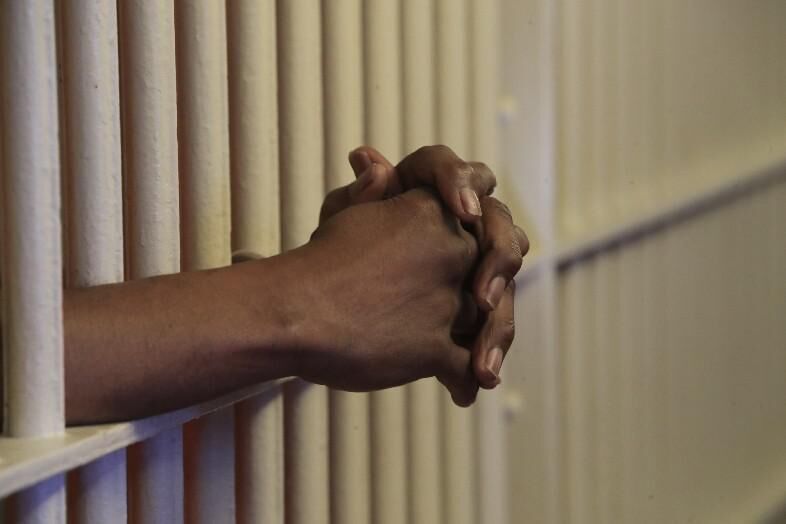
The concept of bail reform does not have to be all or nothing. The case of Kahill Reeves, an 18-year-old Buffalo man arrested eight times since New Year’s Eve, represents an extreme example, but it calls attention to adjustments that should be made in New York State’s valuable bail reform laws.
Reeves is charged with several crimes involving automobile thefts and car chases. Two of the alleged incidents occurred on consecutive days in January. His alleged crime spree was enabled by the fact that he was issued appearance tickets, rather than held in jail, after several of his arrests.
Appearance tickets are part of new criminal reform laws that took effect in 2020. The laws’ intentions are good – people accused of crimes should not have to spend months in jail awaiting trial simply because they can’t raise bail money.
Erie County District Attorney John Flynn told The News that the requirement for appearance tickets, rather than giving judges the discretion to set bail for most misdemeanors or low-level felonies, allowed Reeves to continue victimizing others.
People are also reading…
“That’s why the whole appearance ticket part of bail reform needs to be changed,” he said.
Flynn is an important messenger on this subject. He instituted a bail reform policy in his office before Albany passed a state law. Unlike many supporters and critics of the policy, he understands the law’s values and its imperfections.
The bail reform law was passed as part of the state budget in 2020. As we said a year ago, the governor and the Legislature can revisit the topic in this year’s budget, which is due April 1.
Some Democrats as well as Republicans in Albany have spoken about the need for some changes, though Democratic leadership has shown no inclination to make revisions this year. They should rethink that approach. The need – socially and politically – is obvious.
In April 2020, the Legislature responded to public alarm over the perceived defects of the new bail law by making adjustments to the reforms, adding 15 new categories of crime that would be eligible for bail and allowing judges to set cash bail for anyone considered a “persistent felony offender.”
Former Brooklyn Assemblyman Joseph Lentol, an original sponsor of the reform laws, calls for a similar tweak this year, one that would address cases such as that of Buffalo’s Reeves. Lentol, a Democrat, wrote an opinion piece for the Albany Times Union this month in which he suggested lawmakers create a “recalcitrant misdemeanor” category, allowing bail for individuals with multiple open misdemeanor cases.
“This approach will help stop the arrest-to-release merry-go-round that gives the perception of a breakdown in public safety,” Lentol wrote.
There is no definitive data yet showing America’s rise in violent crime can be traced to bail reform. For one thing, crime has risen in states where cash bail remains the norm. But cases such as Reeves’ are real. The Legislature needs to take note.
The start of bail reform in New York coincided with the coronavirus pandemic, which put severe strains on the economy and residents’ mental and physical health. Those effects will take years to analyze and understand.
Politicians who want to return to the days of keeping individuals accused of crimes locked up because they can’t afford bail, while wealthy people accused of crimes go free, are misguided. The threat of long periods of incarceration was also used to coax confessions out of the accused, even if they were innocent.
Bail reform can, once again, stand to be reformed. But making it the scapegoat for all crime in society amounts to a political scare tactic that depends on emotion rather than reason.
• • •
What’s your opinion? Send it to us at lettertoeditor@buffnews.com. Letters should be a maximum of 300 words and must convey an opinion. The column does not print poetry, announcements of community events or thank you letters. A writer or household may appear only once every 30 days. All letters are subject to fact-checking and editing.


