Already cemented among Arizona basketball legends after leading the Wildcats to the 1997 Final Four, Miles Simon had no reason to believe things could get any better.
Then one day last August, Greg Byrne phoned.
The Arizona AD told Simon his jersey would be recognized at Friday’s Red-Blue Game. UA had amended its strict criteria for such an honor to include players honored as the MVP of a national championship for men’s basketball, women’s basketball and volleyball, as Simon was in 1997 as the Final Four Most Outstanding Player.
Previously, athletes had to have received some sort of national season-long honor to have their jerseys hung on the McKale Center walls, and only five people qualified: Sean Elliott, Steve Kerr, Mike Bibby, Jason Gardner and Jason Terry.
“It was something I couldn’t dwell on because that’s just the way the rules were,” Simon said. “When I got the call from Mr. Byrne, I just had a lot of happy emotion going through my mind. I was at a park with my wife and kids and it nearly brought tears to my eyes.
People are also reading…
“To have your jersey recognized by one of the best programs in the country, and be only one of six, I don’t underestimate the significance of that.”
Simon’s jersey will be recognized — the UA stopped calling them “jersey retirements” since numbers themselves are never formally retired — after Friday’s Red-Blue Game scrimmage.
At halftime of the 24-minute scrimmage, Simon and his teammates from the 1997 national championship team will be honored, an arrangement Simon may find fitting.
Without them, he says, the Final Four wouldn’t have happened, much less the Final Four MOP award.
“It’s also a team honor,” Simon said. “I told some people I’d never get my jersey up there if Damon (Stoudamire) doesn’t bust my butt in practice or Reggie Geary isn’t defending me for two years.
“Then (in 1997), I had Mike Bibby and Jason Terry and Michael Dickerson by my side, and A.J. Bramlett and Bennett (Davison) rebounding and defending like they did.”
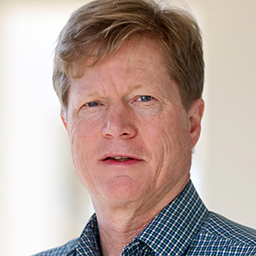
Josh Pastner, a lightly used reserve guard and wanna-be coach on that 1997 team, had a similar sentiment.
While Simon moved into pro basketball, then into broadcasting, coaching and player development work since leaving the Wildcats in 1998, Pastner parlayed his UA playing and coaching experience into becoming the head coach at Memphis and now Georgia Tech.
Not surprisingly, Georgia Tech’s players will take Friday off while Pastner makes a 24-hour trip to Tucson.
“When you win a national title, it puts you in such an elite company,” Pastner said.
“You’re talking about 60-70 teams who have ever won it, so it’s elite company and it helps elevate you. And for the opportunity that coach (Lute) Olson gave me and obviously Miles was the (Final Four) MOP.”
The day in Tucson will also give Pastner a break from trying to put together a team that lost its four top scorers from last season. Pastner says he has a good group of hard-working players but his Yellow Jackets are a consensus pick among major preseason publications to finish 14th out of 15 teams in the ACC this season.
“We’re on a different planet right now than Arizona,” Pastner said. “I hope in time to get to where Arizona is.”
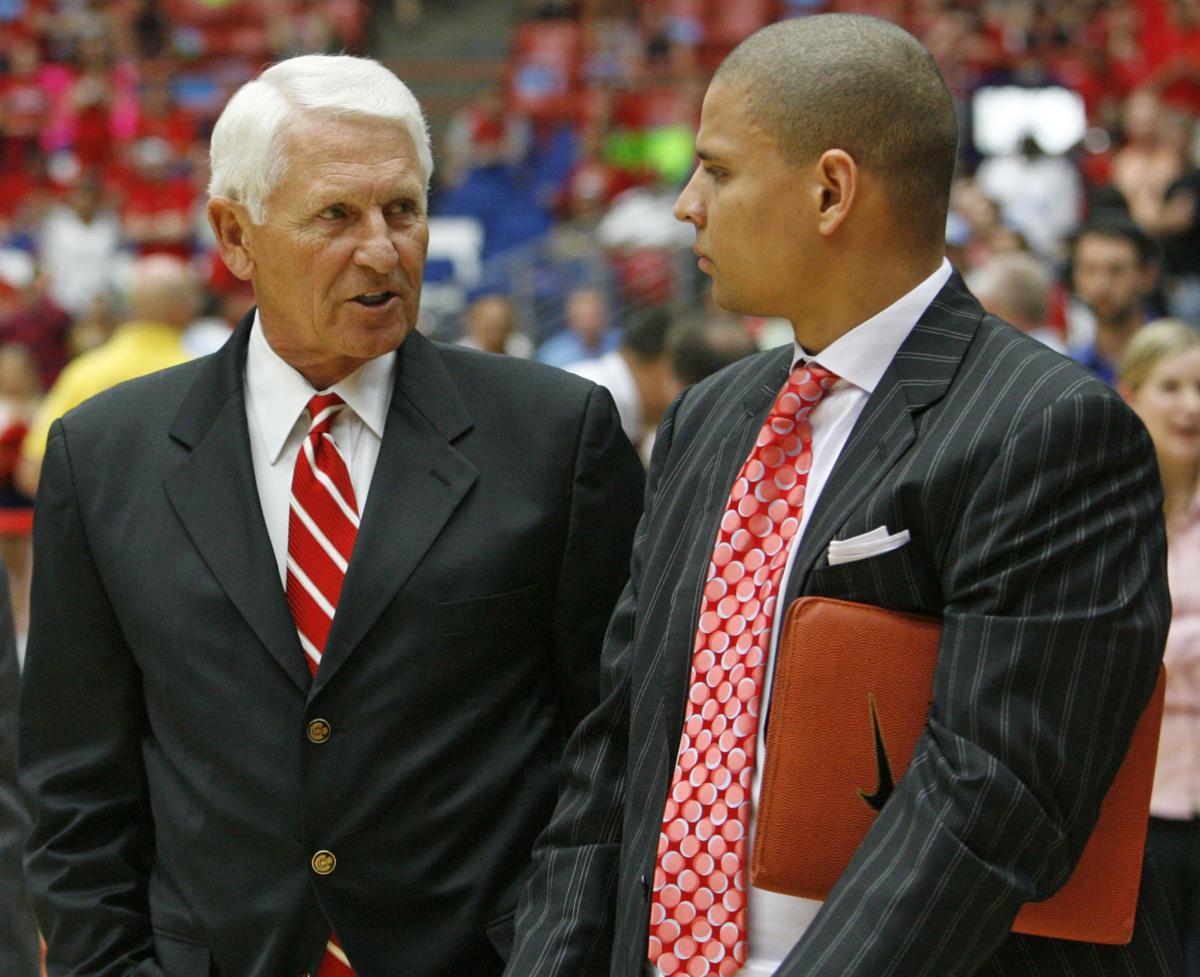
For Simon, the trip to Tucson will involve several appearances around town and a chance to return to McKale Center long after some tense moments have passed: Simon filed a lawsuit against the UA in 1998 over the leak of his academic records, a lawsuit that was dismissed in 1999, and his contract as a UA assistant coach wasn’t renewed in 2008 after he spent two seasons under Lute Olson and a third under interim head coach Kevin O’Neill.
“It’s fine,” Simon said. “You get past that stuff and you mature and you can’t really worry about it. I’ve got my family and three kids, and (current UA coach) Sean Miller has treated me really well.”
As it’s turned out, Simon’s departure as a UA coach led to the launch of his television career — he’s now one of ESPN’s major college basketball analysts — while he’s also worked as a personal basketball trainer for NBA hopefuls, with the travel-ball Cal Supreme club, and now with USA Basketball, where he’s working with a Hoop Summit team of high school standouts.
“I think it’s turned out the way it was supposed to,” Simon said. “I knew I’d be involved in basketball and as you get older, you find there are more ways to be involved than just playing or coaching.”