No team has made more 3-pointers, nor launched more, than Alabama in the past four seasons. And nothing will shake coach Nate Oats from believing they're at the core of building a winner in modern basketball.
Teams might struggle to match the Crimson Tide's sheer volume heading into March Madness, but they're leaning into those long-distance shots, too.
"Finding efficient shots is at the top of what we do," Oats said recently. "It's at the top of what everybody in the NBA is looking at is generating efficient shots. And if you're not thinking about how to get open catch-and-shoot 3s, I don't think you're thinking about creating efficient shots."

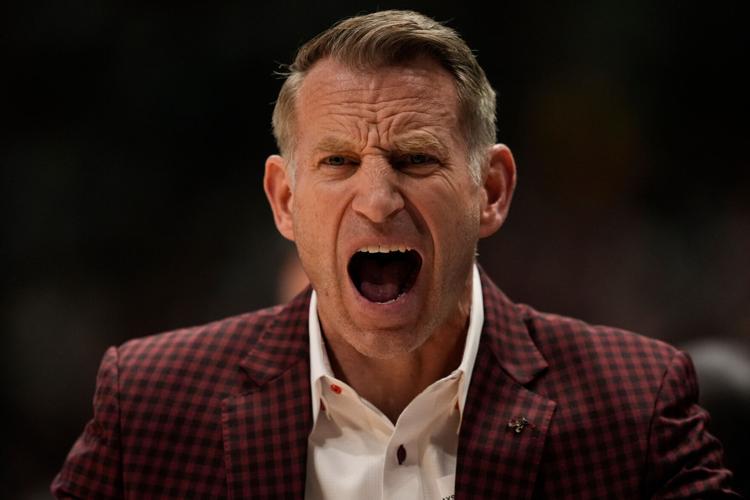
Alabama head coach Nate Oats speaks to players during a game in the quarterfinal round of the Southeastern Conference tournament against Mississippi on March 13 in Nashville, Tenn.
This marks the 40th season with the 3-pointer fully integrated into college basketball, an advancement that has transformed the sport since its 1986-87 introduction. Years of pounding the ball inside to bigs have given way to skilled players stretching defenses to create space for shooters to take those matchup-tilting shots.
People are also reading…
In the NCAA Tournament, the 3 is an equalizer capable of igniting seismic upsets like Middle Tennessee's takedown of Michigan State in 2016 or the first-ever 16-vs-1 win with UMBC beating Virginia in 2018. Going cold can just as easily mean an abrupt end to the season. So the question remains: How much should a team rely on the 3 in March?
Division I teams fittingly have taken nearly 40% of their shots from behind the arc in this 40th season of the 3, yet a fraction of Final Four teams and NCAA champions in the 3-point era have utilized it to this year's levels with their seasons on the line.
Higher volume
At its core, the 3-pointer is a volatile bet.
The reward can be far-reaching offensive efficiency beyond simply the 50% added value compared to a traditional field goal. But it boasts a tougher conversion rate as officials have moved the arc back multiple times — from 19 feet, 9 inches to 20 feet, 9 inches in 2008-09, then to 22 feet, 1 3/4 inches to match the international distance for 2019-20.
As a result, the 3-point shooting percentage has barely moved. Division I teams have bounced from around 33-35% shooting on 3s going back to the 2002-03 season, with this year at 34.1% entering the week.
Yet 3s have gone from accounting for 32.1% of all shot attempts in 2002-03 to a 24-season high of 39.5% this year, according to SportRadar. And 3s account for 29.8% of all made shots in Division I, up from around 25% in 2002-03.
Those are thresholds rarely reached by teams that have pushed all the way to the sport's final weekend:
— Only 28 of 152 (18.4%) teams to reach the Final Four in the 3-point era have had 3s account for this year's percentage of their made shots;
— Only 21 of those Final Four teams (13.8%) had 3s account for this year's percentage of shot attempts;
— And seven of 38 champions (18.4%) have had 3s account for more than 39% of their shot attempts, including the past three winners in UConn (2023-24) and Florida (2025).
Villanova's two championships under Jay Wright remain outliers. Notably, his 2018 winner that blew through six tournament games to win it all behind eventual NBA players Jalen Brunson, Mikal Bridges and Donte DiVincenzo held the all-time highest marks among the champs; 3s accounted for 38% of the Wildcats' made shots and 47.5% of their attempts.

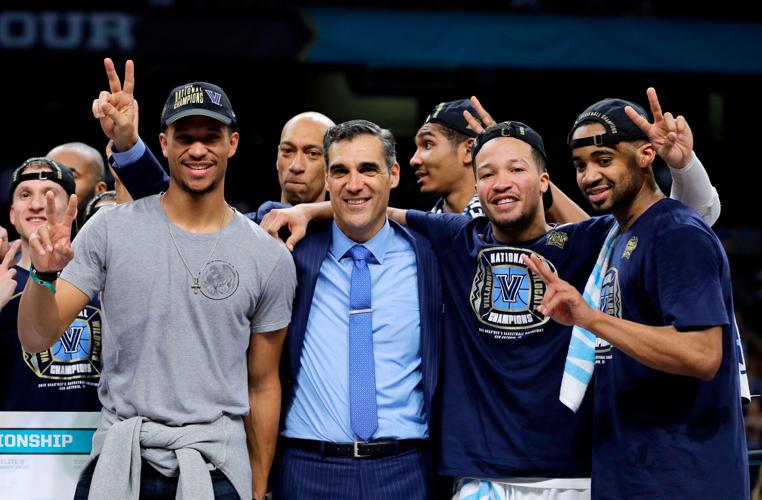
Villanova head coach Jay Wright celebrates with his players after defeating Michigan in the championship game at the Final Four of the NCAA college basketball tournament on April 2, 2018, in San Antonio, Texas.
His other champion, in 2016, won on a buzzer-beating 3-pointer by Kris Jenkins.
"You've got to be able to shoot the 3 to go deep in the tournament," the retired Wildcats coach said. "Not just because 3s are more valuable than 2s, but now the way teams play defense, if you can't shoot 3s, they're going to load up on your 3-point shooters and take them away. And they're gonna force you to make non-shooters make plays."
The right looks
That's Oats' focus, too.
The Crimson Tide's 4,436 attempted 3s are 339 more than the next closest Division I team, according to SportRadar. Alabama has shot 35.5% behind the arc in that span, with 3s accounting for 48.3% of Alabama's shot attempts.
The approach helped make Alabama the No. 1 overall seed in 2023 and powered a Final Four run in 2024 and last year's trip to the Elite Eight after hitting a tournament-record 25 3s in a Sweet 16 romp against BYU.
"The math part of it is how can you create the most efficient offense, and how can you try to keep the other team from running the efficient offense?" said Oats, whose team is the Midwest Region's 4-seed. "Well if you're all in on getting the most efficient shots you can, the 3-point line and taking 3s has to be a part of that. It just does."
Yet two of those runs ended when the Tide couldn't hit from outside. That 2023 team led by eventual No. 2 overall NBA pick Brandon Miller went 3 for 27 (11.1%) on 3s in a Sweet 16 loss to San Diego State. The Tide went 8 for 32 (25%) in last year's regional-final loss to Duke.
Hall of Fame coach Rick Pitino, now at St. John's, has never shied from the 3, going back to Providence's unexpected Final Four in the first season of the 3-pointer to cutting down the nets at Kentucky in 1996, followed by Louisville in 2013 in a later-vacated title push.

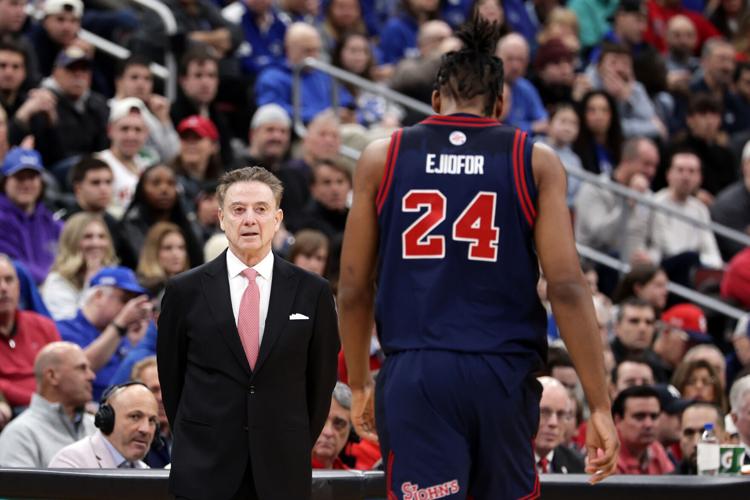
St. John's head coach Rick Pitino talks to Zuby Ejiofor during a game against Seton Hall on March 6 in Newark, N.J.
Can a team win it all firing off all these 3s?
"100% — if you defend the 3. That's the key," said Pitino, whose Big East champion is the East Region's 5-seed. "It all comes down to defense. It's not how many you make, how many you take, but how many you stop. So, if everybody is shooting the 3, the team that's gonna win it is the team that defends the 3."
Gravity's pull
Duke coach Jon Scheyer is only in his fourth season as successor to retired Hall of Famer Mike Krzyzewski, so he's been willing to adjust his approach in these early years of his tenure. That's included an uptick in 3-point usage.
"For me, it's actually not even the fact of shooting more 3s," Scheyer said. "It's about having the threat to shoot the 3. And I think that's the biggest key, is spacing. ... Because that's what opens up drives. That's what open up free throws. That's what opens second-chance points. So I think naturally by having really good spacing, you do end up shooting more 3s."

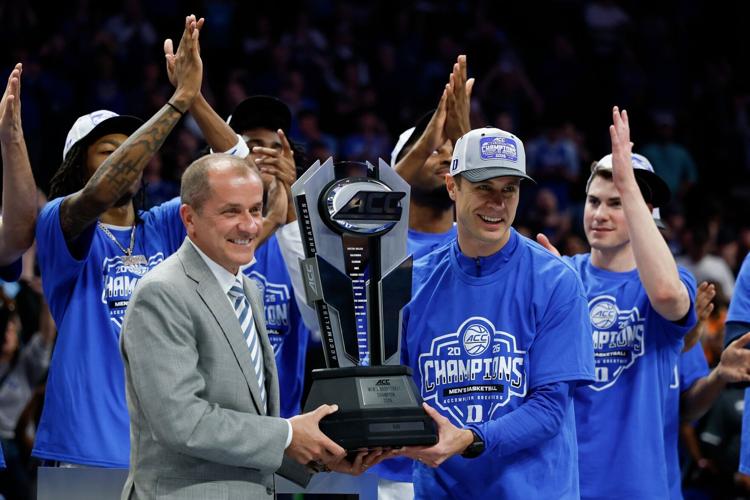
Jim Phillips presents Duke head coach Jon Scheyer with the trophy as Duke wins the championship of the Atlantic Coast Conference tournament in Charlotte, N.C., on Saturday.
Duke's first two teams took 36.4% of their shots from 3-point range, with 3s accounting for 28% of their made baskets. Last year, those numbers jumped to 44.6% and 34.9%; it made sense considering Duke was led by No. 1 overall NBA draft pick Cooper Flagg and No. 4 pick Kon Knueppel — who has set an NBA rookie single-season 3-point record and has a league-best 238.
This year's team uses what Scheyer has likened more to a "smashmouth" approach with a big frontline led by freshman NBA prospect and Associated Press first-team All-American Cameron Boozer. And yet, even as the No. 1 overall tournament seed has routinely pummeled teams in the paint and on the glass, the 3-pointer accounts for a similar percentage of Duke's attempted shots (44.4%) and made baskets (31.8%).
Scheyer figures it's about finding the right balance in shot selection, along with a good shooter's "gravity" in pulling defenders from the paint.
"You can still establish yourself inside while you still shoot 3s," Scheyer said. "Now if you're shooting other shots and just living on the perimeter, well yeah, I think it's tough to win that way, because the best shot you can get is a layup or a dunk or get to the free-throw line. But if you're shooting 3s, you better be really good at it."
___
AP Sports Writers Mike Fitzpatrick in New York and Dan Gelston in Philadelphia and AP freelance writer Kennington Lloyd Smith III in Tuscaloosa, Alabama, contributed to this report.
Best big college towns in America

Best big college towns in America
Every year, students from across the country agonize about where to go to college. The choices are endless: Big university or small private school? Close to home or far away? Options even abound for those committed to pursuing the standard "the college experience." Ultimately, however, where to matriculate is heavily influenced by where a school is located, especially for prospective students looking for the perfect college town.
The local student body often significantly impacts those who call small college towns home year-round. A December 2024 article in the Chronicle of Higher Education highlights that colleges are usually among the largest employers in their regions, with students and their visiting parents keeping local coffee houses and restaurants afloat. Still, not all the impacts of living in a college town are positive. Rent is typically more expensive (and unfortunately, it's only going up). In 2025, the Trump administration enacted substantial funding cuts to research institutions. As a result, college-adjacent communities may sustain severe blows to their local economies.
However, in bigger cities, the impact of colleges may be easier to miss. To recognize this particular cohort, Stacker identified the 50 best big college towns using WalletHub's 2025 Best College Towns in America report, published in October 2024. WalletHub examined 415 cities using 31 metrics, including housing cost, cost of higher education, city accessibility, crime rate, and median income of part-time workers.
The metrics were broken into three ranked categories: wallet friendliness, social environment, and academic and economic opportunities. Stacker looked at the cities on WalletHub's ranking with at least 300,000 residents and a university or college population of at least 7,500 students. Some locations have several schools that fit the criteria, while others have one flagship university.
Read on to learn about the best big college towns in America.
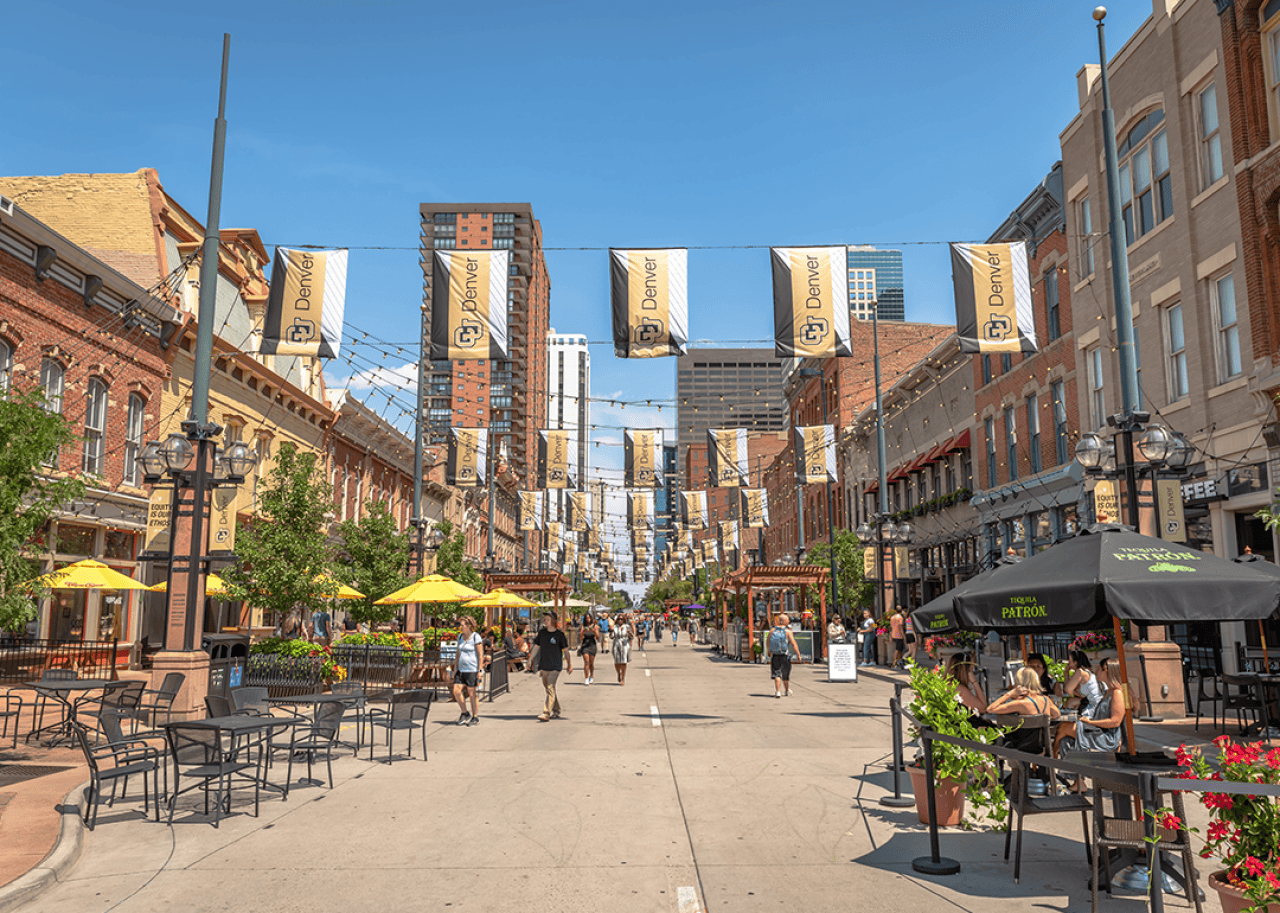
#50. Denver
- Total score: 49.16
- Wallet friendliness rank: 294
- Social environment rank: 31
- Academic and economic opportunities rank: 267
The Mile High City is home to students attending the University of Colorado Denver, Metropolitan State University of Denver, and Regis University, among other institutions. The city is known for its access to numerous year-round outdoor activities, and a robust public transit system covers much of the area. Denver's status as home to thousands of students is reflected in its cuisine: The first-ever Chipotle is near the University of Denver campus.
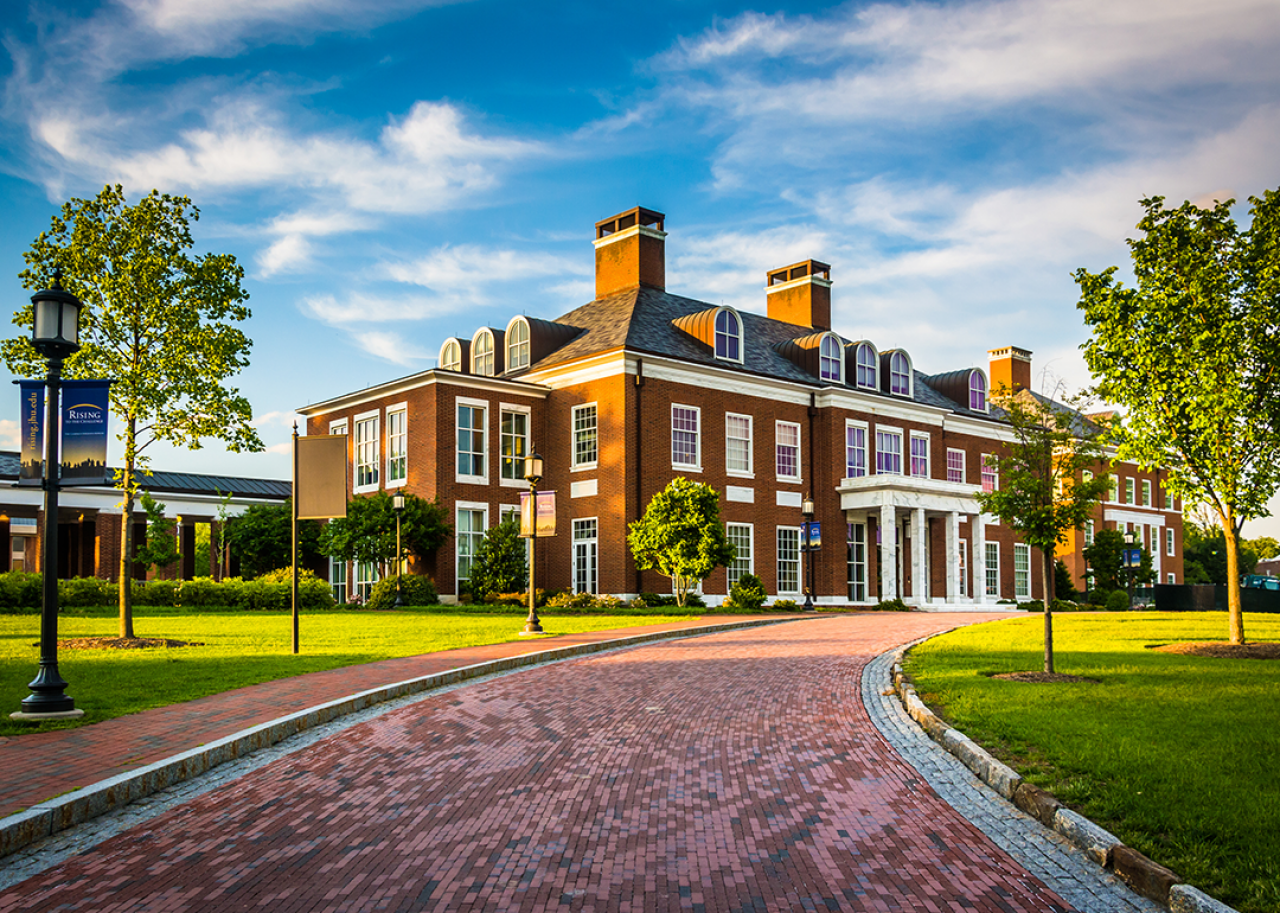
#49. Baltimore
- Total score: 49.22
- Wallet friendliness rank: 252
- Social environment rank: 143
- Academic and economic opportunities rank: 214
Several Baltimore-based colleges, including the renowned Johns Hopkins University, help put the "charm" into the Charm City. Baltimore also hosts Morgan State University and Coppin State University, two historically Black colleges and universities, and Loyola University Maryland and the University of Maryland, Baltimore. The city is steeped in history, including 10 public markets—some of which date back to the late 1700s—where students can sample food from around the world. Many students stick around the area after college due to a wealth of well-paying job opportunities in STEM fields, and the commute to Washington D.C. is only half an hour away by train.
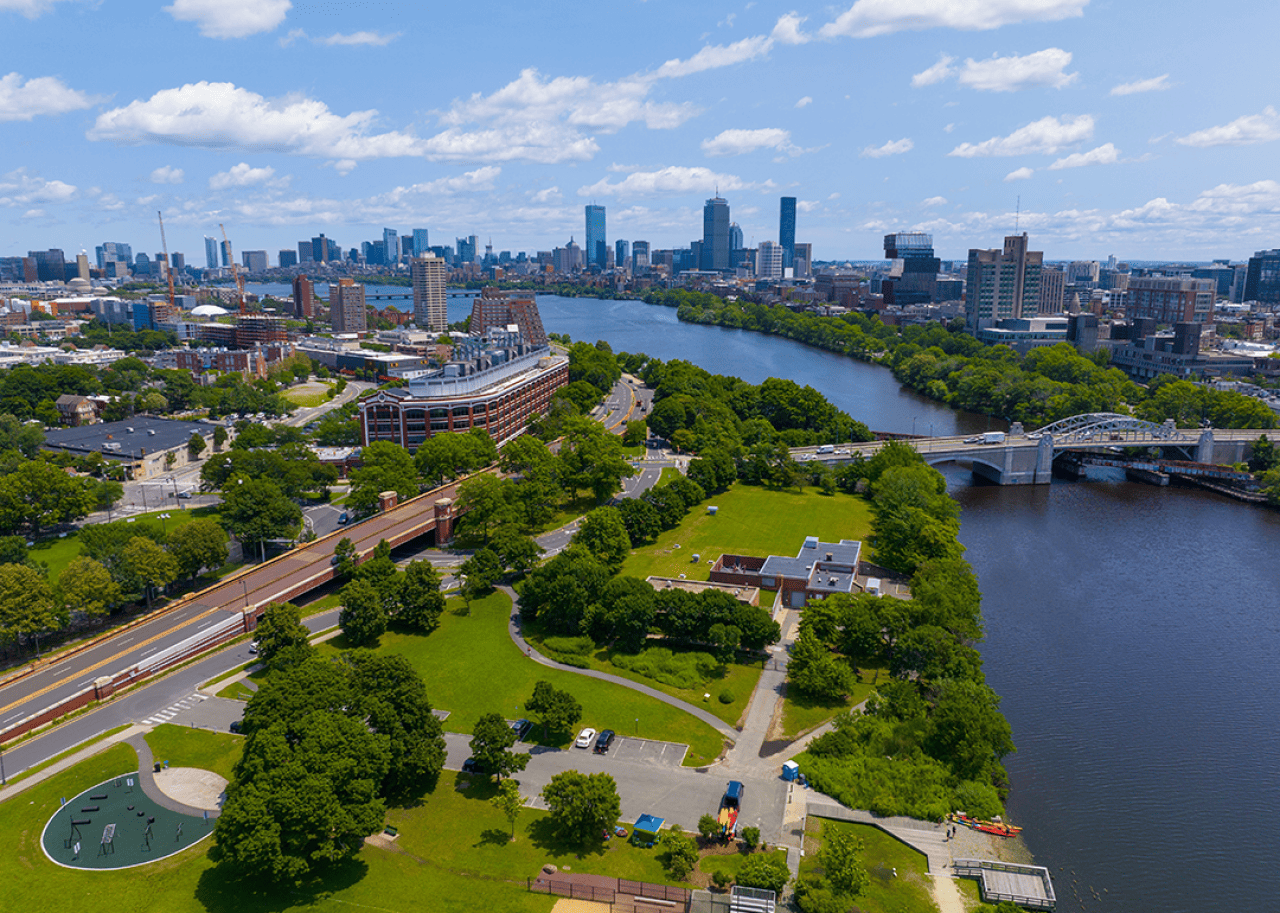
#48. Boston
- Total score: 49.38
- Wallet friendliness rank: 392
- Social environment rank: 19
- Academic and economic opportunities rank: 157
Higher education in the United States began in the Boston area with the founding of Harvard University in 1636. Over the centuries, Boston has maintained its reputation as a magnet for students, with over 300,000 attending college in the city. Within the city limits are 26 colleges, including the esteemed Berklee College of Music, which counts Quincy Jones, Melissa Etheridge, Diana Krall, and John Mayer as alumni. The city's rivers beckon rowers and sailors, while those who prefer dry land enjoy Boston's many renowned cultural institutions and sports teams.
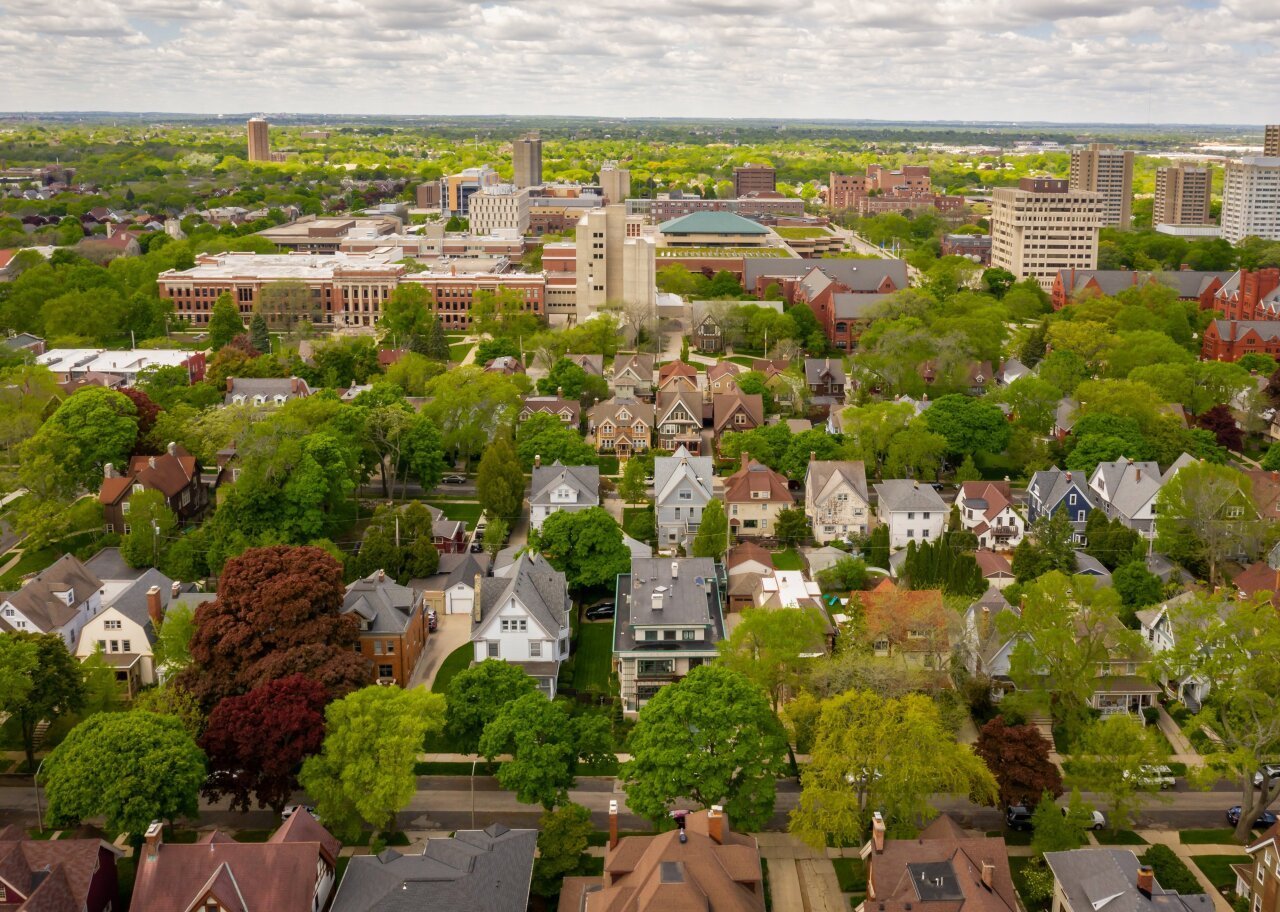
#47. Milwaukee
- Total score: 49.44
- Wallet friendliness rank: 160
- Social environment rank: 125
- Academic and economic opportunities rank: 298
Milwaukee is home to the state's second-largest higher ed. institution, the University of Wisconsin-Milwaukee, and several smaller schools, including Marquette University and the Milwaukee School of Engineering. Students of drinking age can participate in the city's famous brewery tours at top brands such as Miller, but younger students can still enjoy plenty of sober activities. For instance, the city has dozens of yearly festivals celebrating food and drink, music, LGBTQ+ Pride, and more.
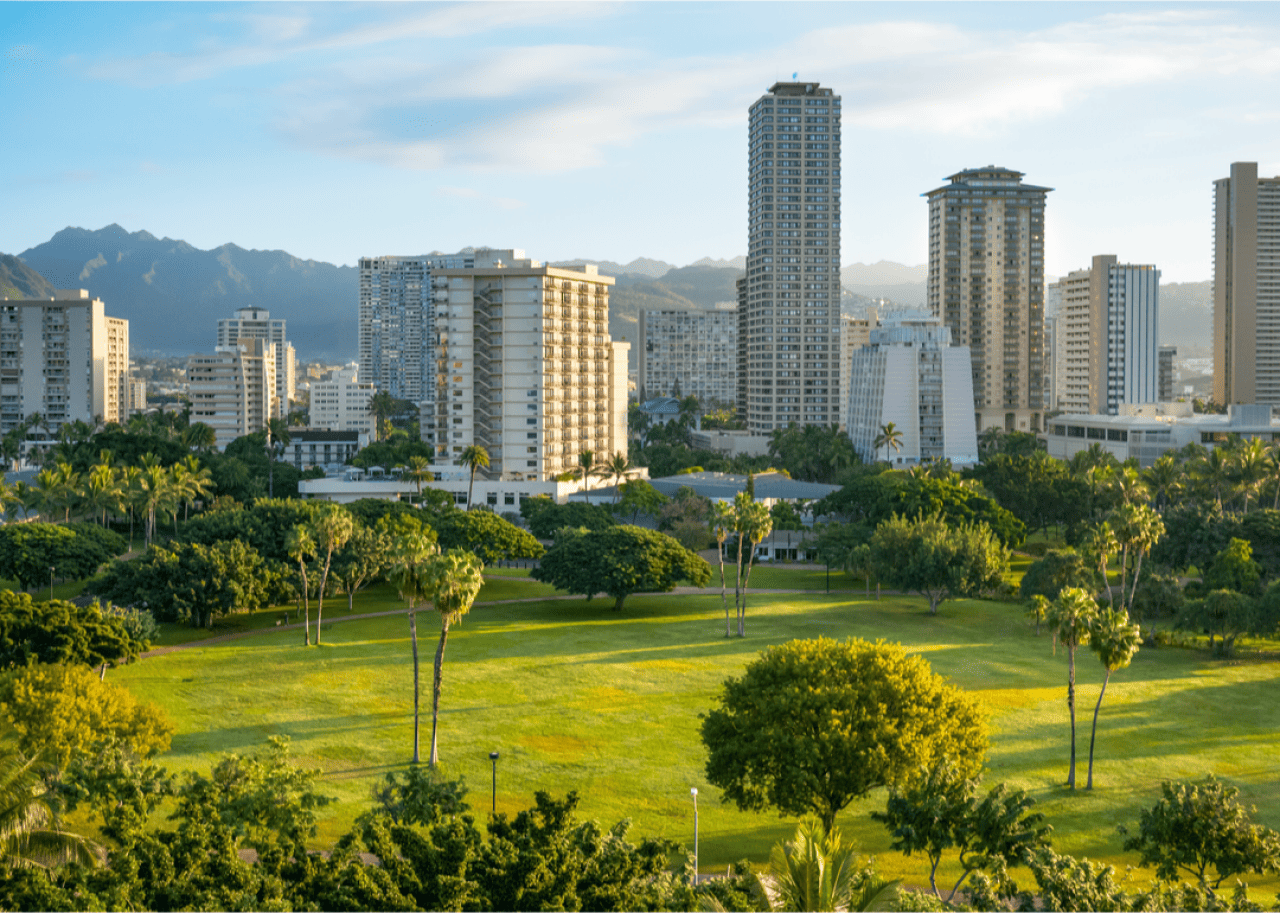
#46. Honolulu
- Total score: 49.45
- Wallet friendliness rank: 354
- Social environment rank: 2
- Academic and economic opportunities rank: 272
Students who study in Honolulu enjoy urban living on an island paradise. Hawaii Pacific University and the University of Hawaii at Manoa are two of the five four-year colleges in the city, with about 25,000 students between them. Easily accessible beaches, surfing, snorkeling, and scuba diving make for a great study break. The area also has many cultural festivals throughout the year, including the Aloha Festival and the King Kamehameha Floral Parade.
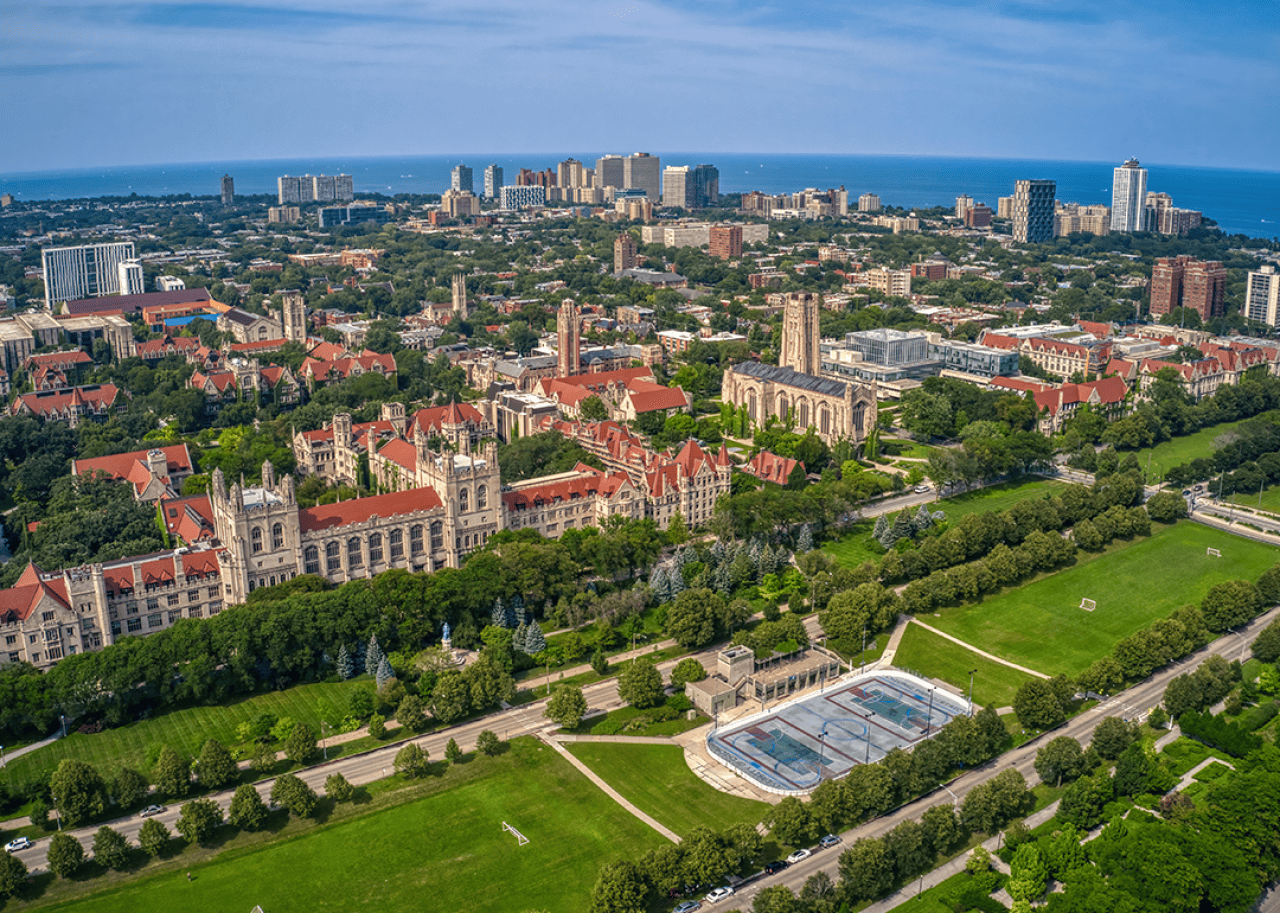
#45. Chicago
- Total score: 49.62
- Wallet friendliness rank: 281
- Social environment rank: 70
- Academic and economic opportunities rank: 228
Several notable educational institutions, including the celebrated University of Chicago, call Chicago home. Other schools include Loyola University Chicago, DePaul University, the University of Illinois Chicago, and Northwestern University in nearby Evanston. The city's diverse cultural and recreational offerings, solid public transportation system, and ties to numerous industries, from media to finance, make it a popular choice for those seeking a first-class urban college experience.
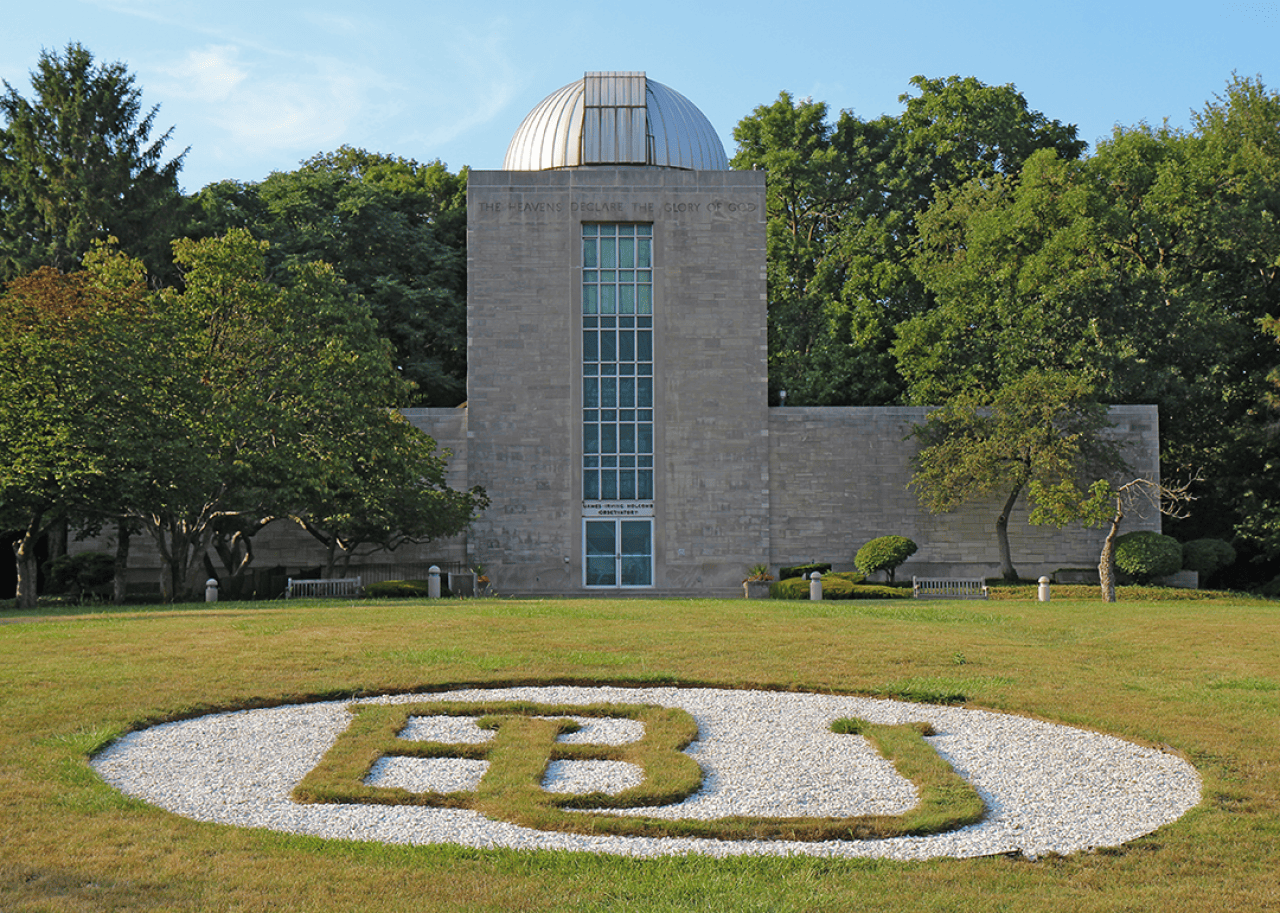
#44. Indianapolis
- Total score: 49.64
- Wallet friendliness rank: 180
- Social environment rank: 117
- Academic and economic opportunities rank: 284
Indiana's most populous city includes tens of thousands of students scattered across several institutions, including Indiana University Indianapolis, Butler University, the University of Indianapolis, and Marian University. Beyond its schools, Indianapolis' cultural districts offer rich local history and a buzzing culinary scene. With a revamped public transit system in the works, Indianapolis is also home to welcome distractions from studying, such as museums, parks, and sporting events.
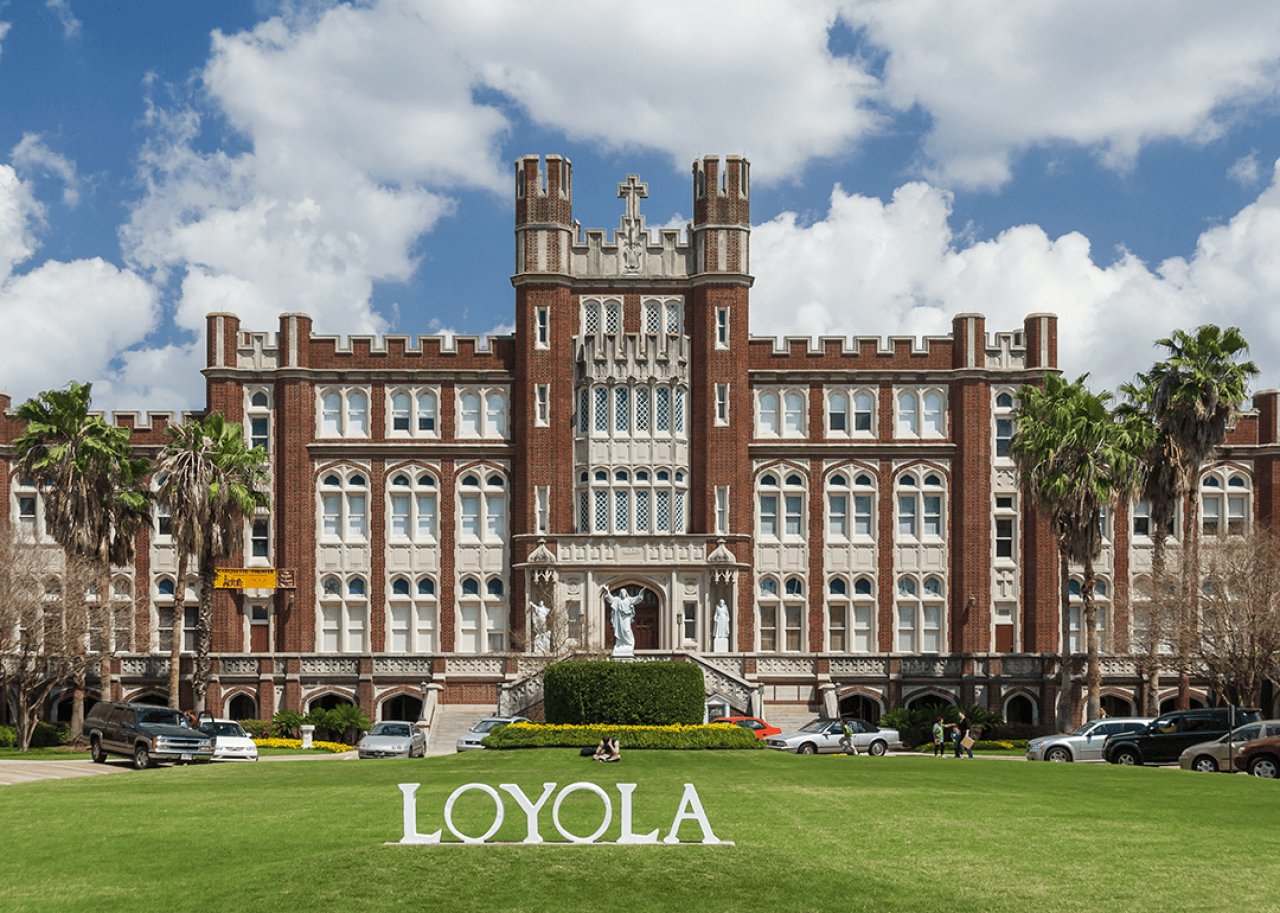
#43. New Orleans
- Total score: 49.72
- Wallet friendliness rank: 242
- Social environment rank: 71
- Academic and economic opportunities rank: 262
Several public and private institutions call the Big Easy home: Tulane University, Loyola University New Orleans, and Xavier University of Louisiana. The Louisiana State University Health Sciences Center also hosts six of the university's schools, including the medical program. New Orleans' storied tradition of street celebrations (second lines), live music, warm climate, and arts scene make it a popular destination for college students from around the country, many of whom stay after graduation to work in tourism, energy, and health care.
#42. Tulsa, Oklahoma
- Total score: 49.97
- Wallet friendliness rank: 127
- Social environment rank: 138
- Academic and economic opportunities rank: 294
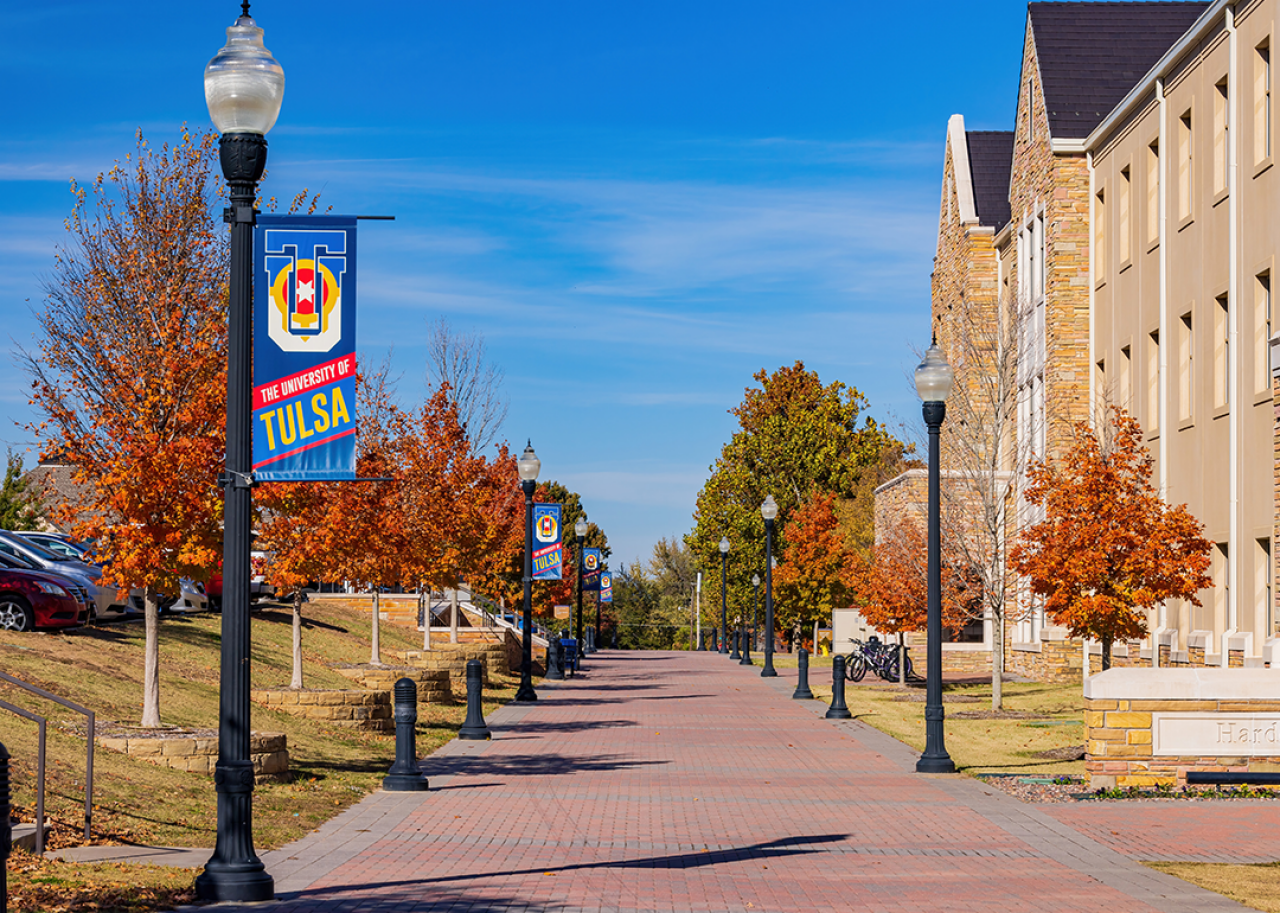
Once known as the "Oil Capital of the World," Tulsa, Oklahoma, is a medium-sized city with small-town and big-metropolis vibes. Tulsa has hosted college students for over 140 years and preserved some of the best of its history. In the Deco District, old buildings delight locals and visitors, while foodies can explore unique gastronomic creations on Cherry Street. Several technology, manufacturing, energy, and aerospace companies are headquartered in Tulsa, which makes it an optimal place to find internships, mentors, and corporate job opportunities.
#41. Corpus Christi
- Total score: 50.35
- Wallet friendliness rank: 92
- Social environment rank: 254
- Academic and economic opportunities rank: 202
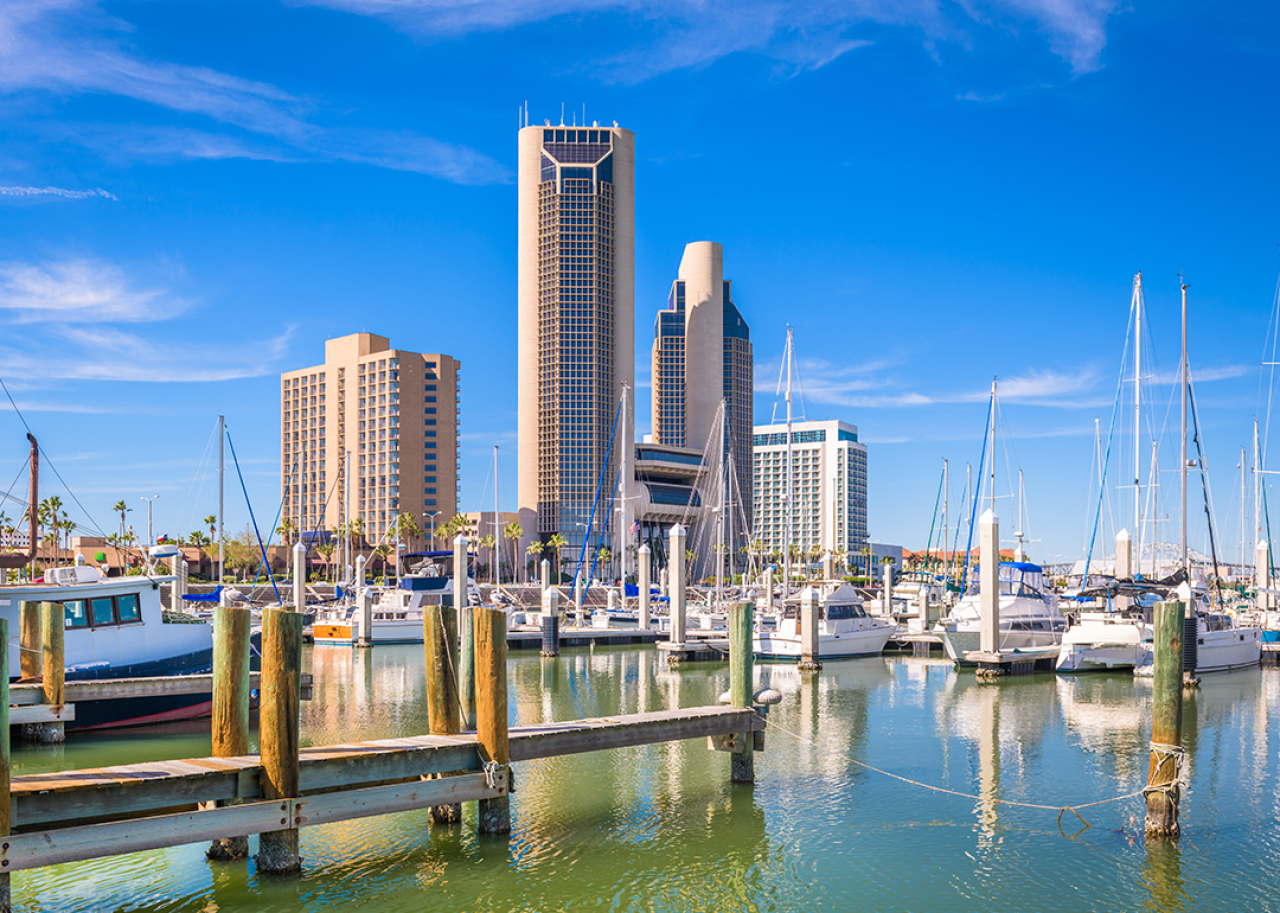
A popular spring break destination, thousands of students call coastal Corpus Christi home. Students at Texas A&M University-Corpus Christi enjoy island living, as the campus is located on Ward Island, between Oso Bay and Corpus Christi Bay. The Whataburger fast food chain was founded in Corpus Christi in 1950, and the city boasts many 24-hour locations to satisfy any student's late-night hunger cravings.
#40. Riverside, California
- Total score: 50.39
- Wallet friendliness rank: 277
- Social environment rank: 180
- Academic and economic opportunities rank: 93
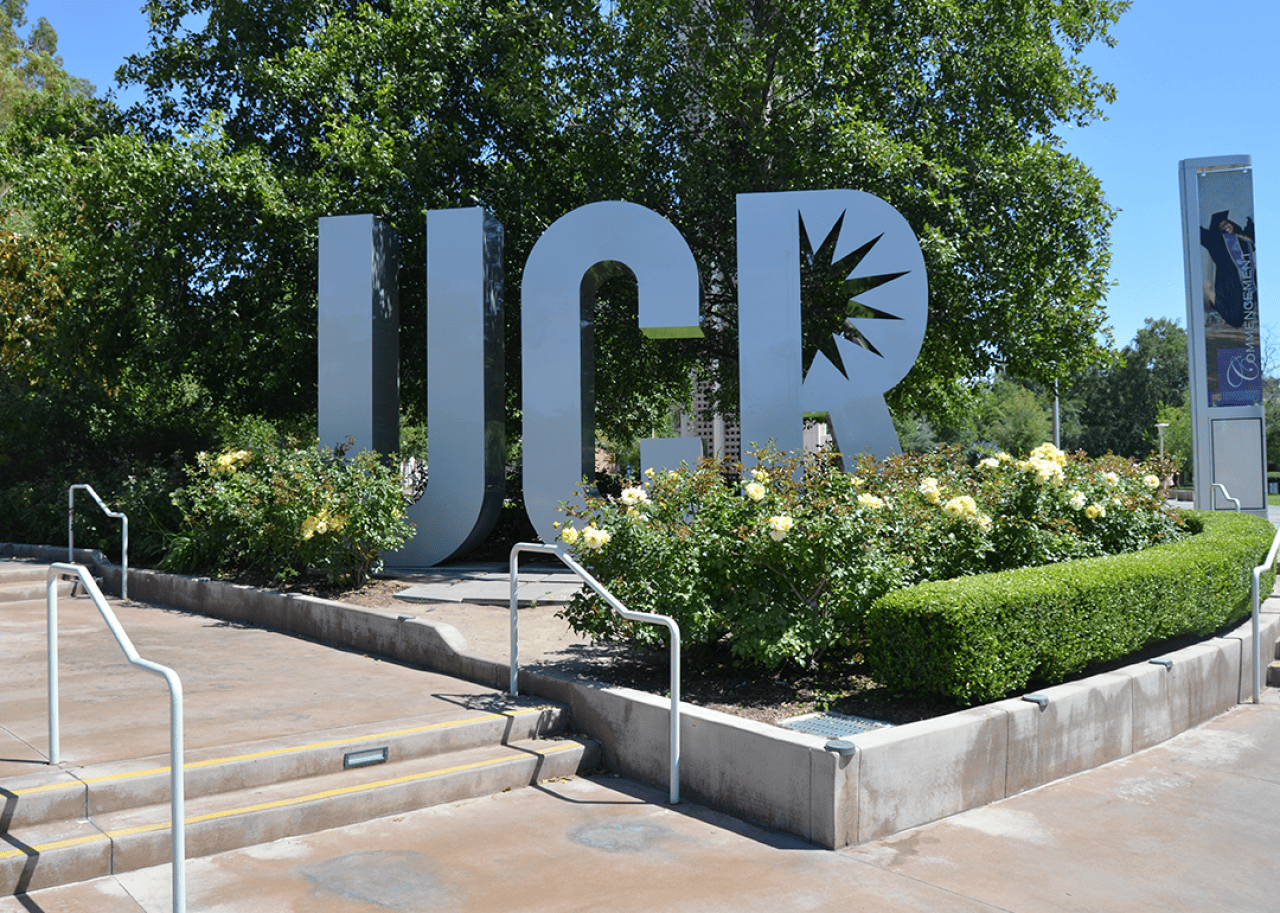
Riverside is part of Southern California's Inland Empire, an area east of Los Angeles that offers urban amenities without the same level of gridlock. Along with several community colleges, Riverside is also home to the University of California, Riverside, La Sierra University, and California Baptist University. Riverside played a major role in the development of the California citrus industry, and the area still features some orange groves. Its citrus history is preserved at California Citrus State Historic Park, which hosts an annual citrus festival.
#39. Louisville, Kentucky
- Total score: 50.45
- Wallet friendliness rank: 167
- Social environment rank: 69
- Academic and economic opportunities rank: 300
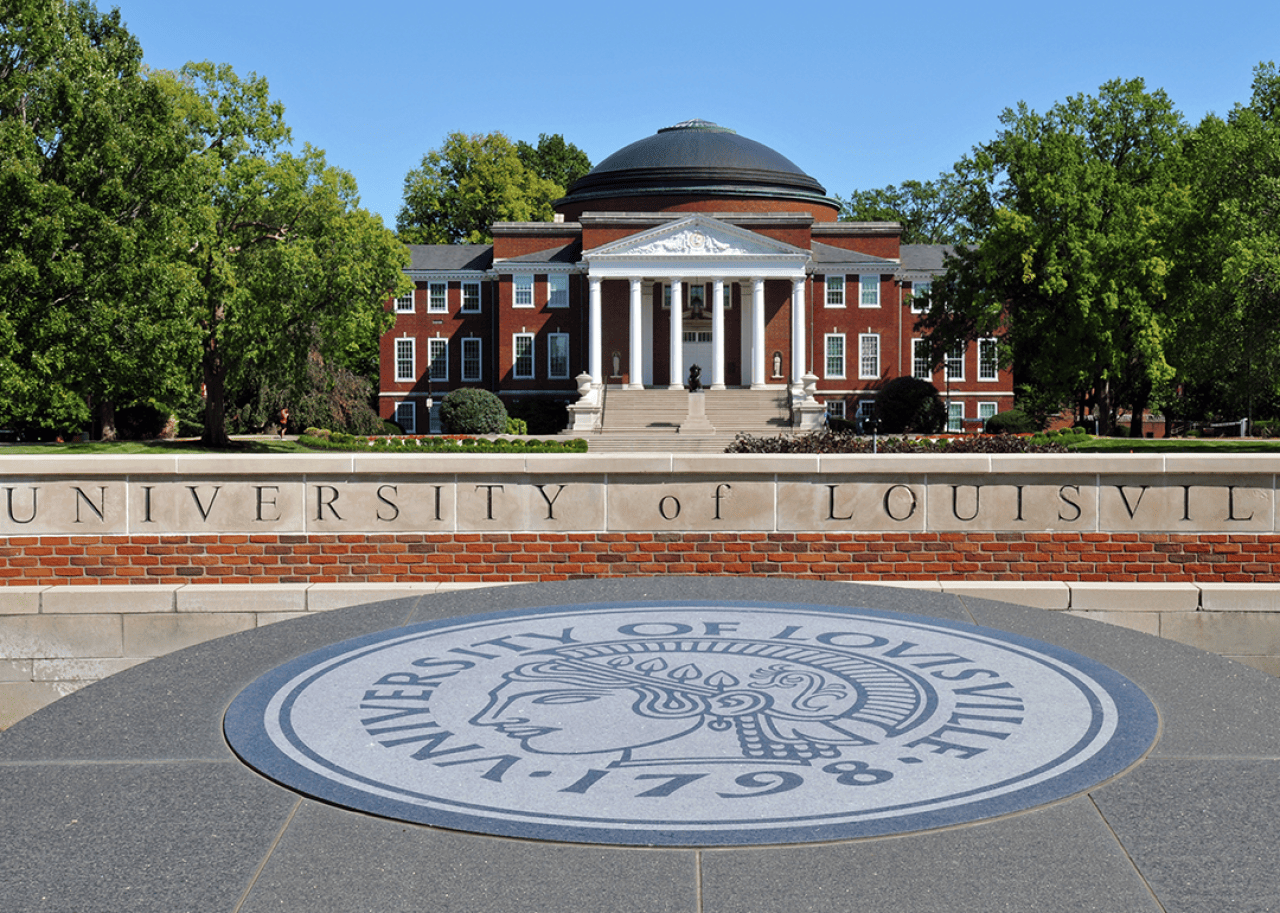
Students attending any major educational institutions in Louisville, Kentucky—including the University of Louisville and Simmons College of Kentucky, a Historically Black Colleges and Universities member—have good reason to love their school's location. The city is home to party-heavy annual events such as the Kentucky Derby, but it also enjoys a vibrant indie music scene and a park system designed by Frederick Olmsted, who planned New York's Central Park. Like Kentucky's other big city of Lexington, Louisville has strong traditions centered around college sports, particularly UofL's Cardinals.
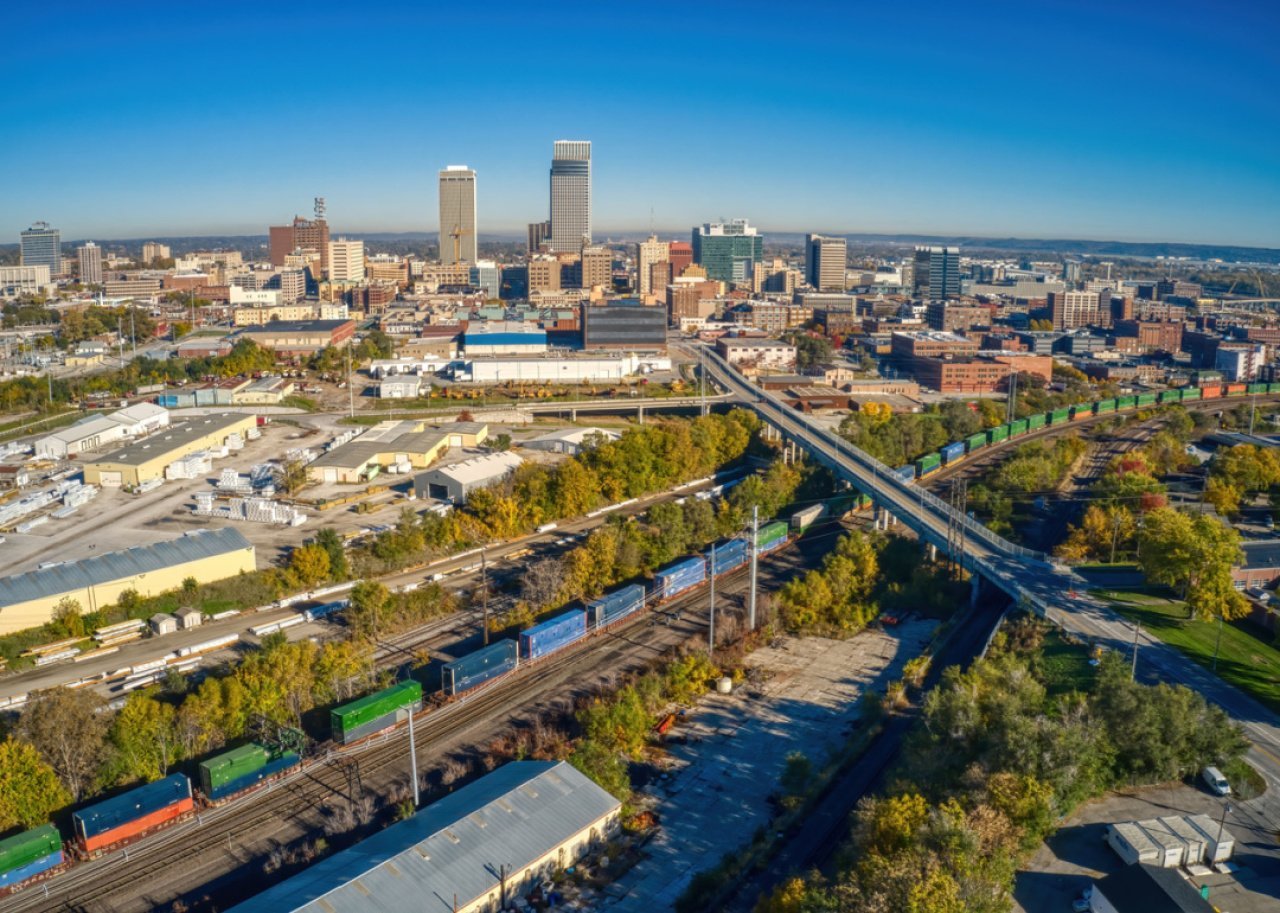
#38. Omaha, Nebraska
- Total score: 50.78
- Wallet friendliness rank: 198
- Social environment rank: 130
- Academic and economic opportunities rank: 229
Omaha, Nebraska, is a backdrop to many of the state's educational institutions, including the University of Nebraska Omaha, Creighton University, and Clarkson College. The University of Nebraska Medical Center is also located here. With its low cost of living and various historic landmarks, Omaha offers an appealing blend of urban and suburban. The Old Market is home to everything from pubs and taverns to art galleries and live music venues.
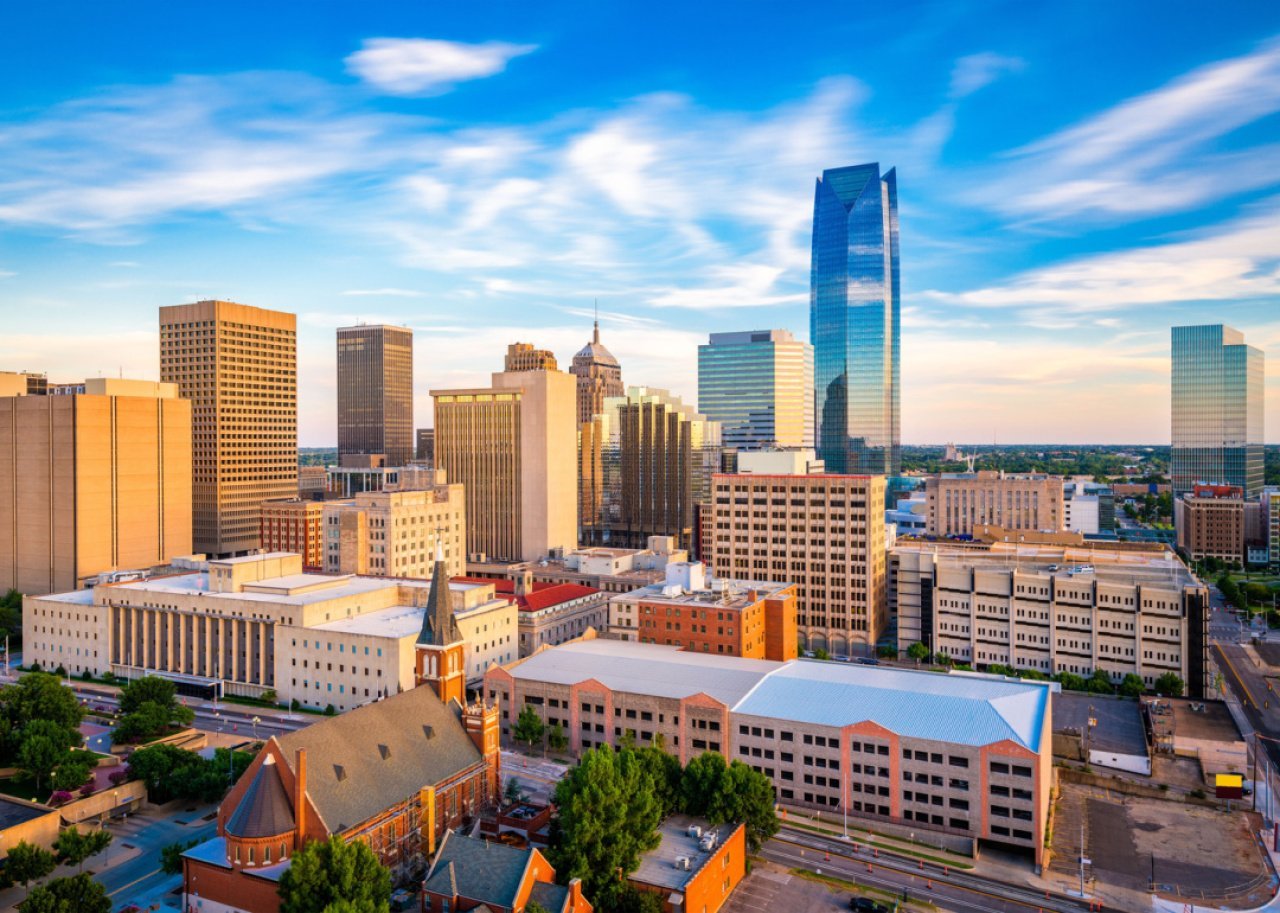
#37. Oklahoma City
- Total score: 50.78
- Wallet friendliness rank: 84
- Social environment rank: 193
- Academic and economic opportunities rank: 258
Home to the public University of Oklahoma Norman Campus, University of Central Oklahoma, Oklahoma State University Oklahoma City, and the private Oklahoma City University and Oklahoma Christian University, Oklahoma City has something for everyone. In addition to its higher learning institutions, the city is home to the Oklahoma City Thunder basketball team, the Oklahoma City Museum of Art, and the National Cowboy and Western Heritage Museum. Bricktown is a popular nightlife destination where students can find everything from live banjo music to hip wine bars.
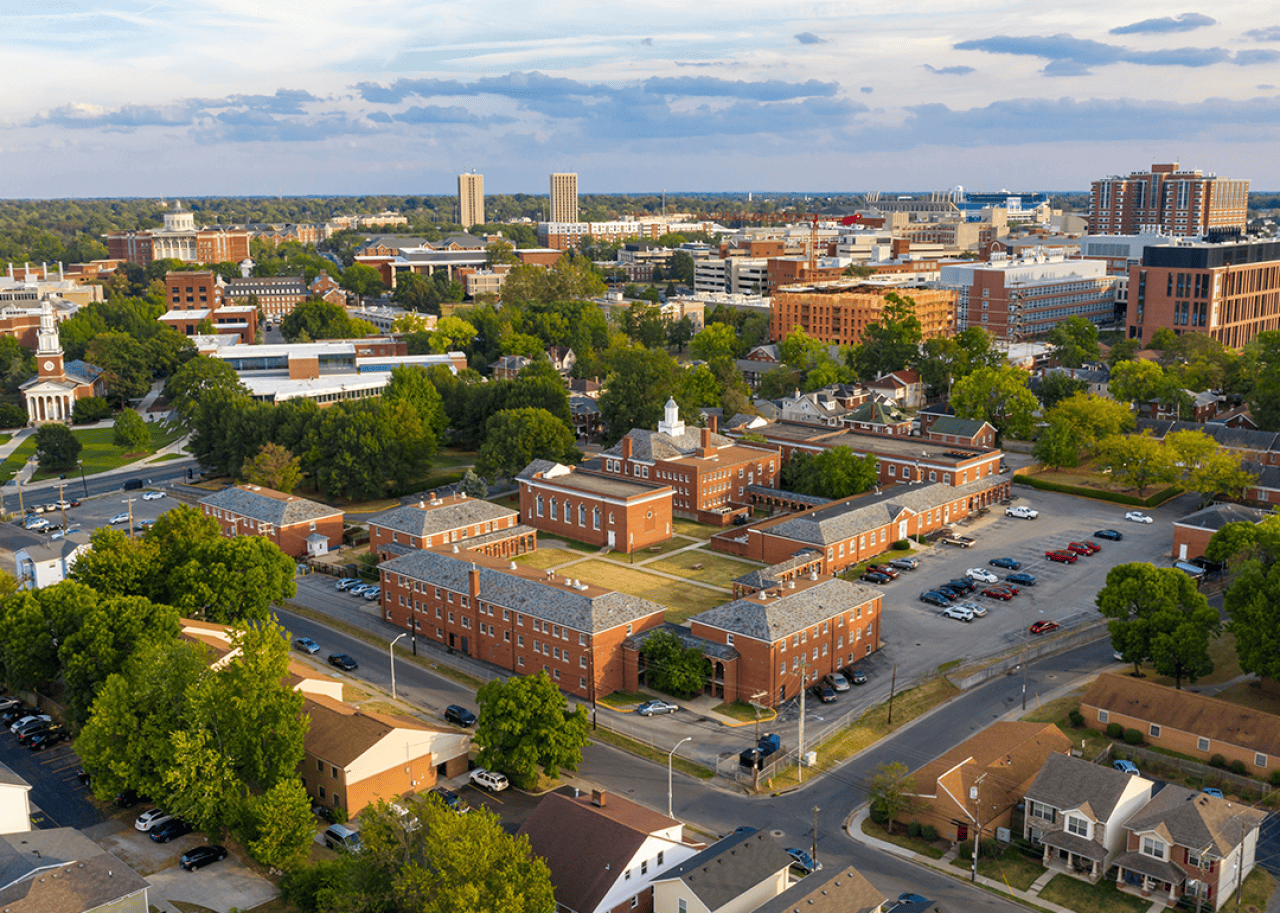
#36. Lexington, Kentucky
- Total score: 50.99
- Wallet friendliness rank: 153
- Social environment rank: 106
- Academic and economic opportunities rank: 274
Known for its lively college athletics scene, Lexington, Kentucky, is home to the University of Kentucky, which is also the city's largest employer. Transylvania University, one of the nation's oldest colleges, is also there. Students are drawn to the area thanks to its low cost of living and variety of manufacturing job opportunities, including with Toyota Kentucky and Lockheed Martin.
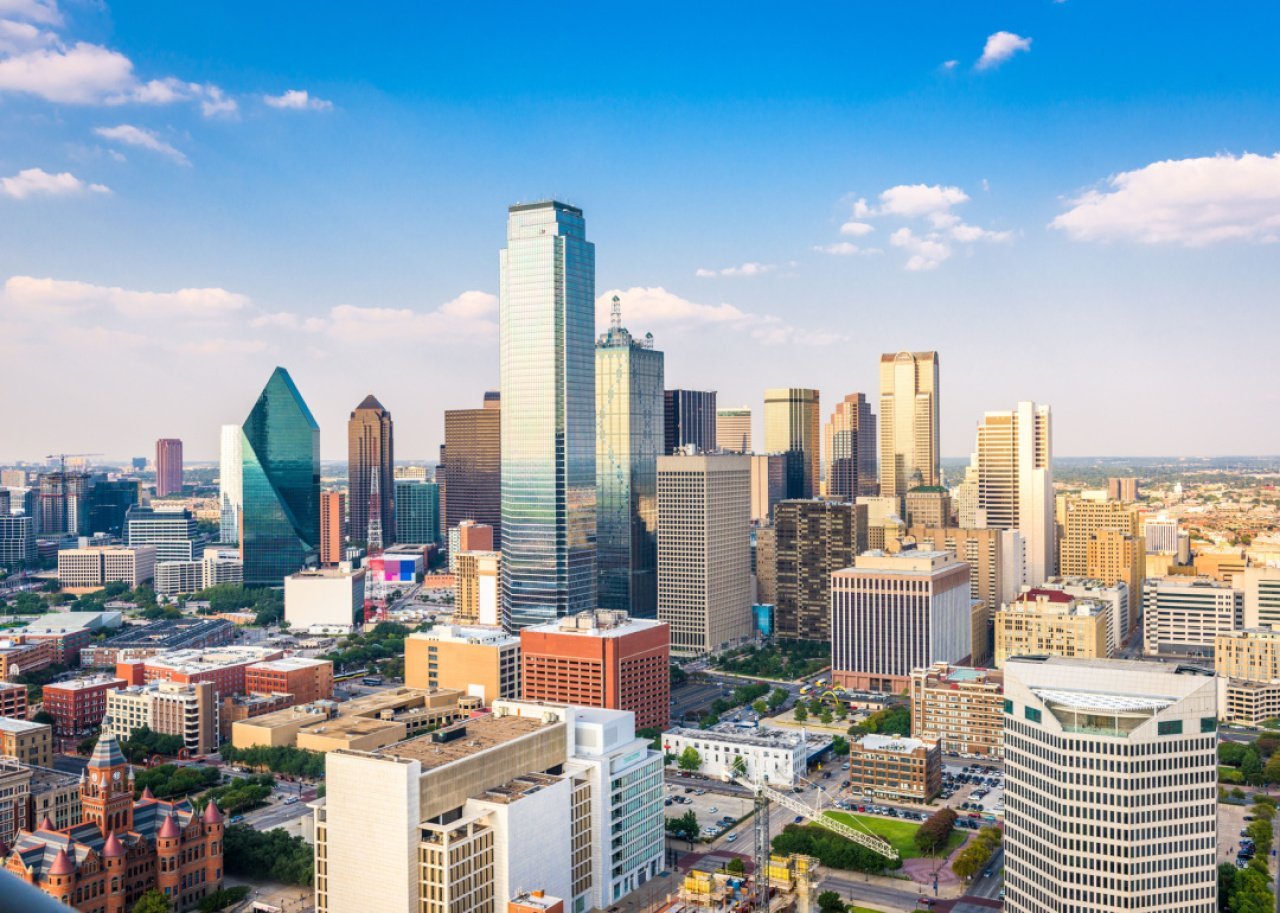
#35. Dallas
- Total score: 51.46
- Wallet friendliness rank: 229
- Social environment rank: 124
- Academic and economic opportunities rank: 195
Dallas is home to many public and private institutions, including the University of Texas at Dallas, Southern Methodist University, and HBCU Paul Quinn College. The frozen margarita was created in the Big D, featuring a celebrated barbecue scene. The city's downtown Arts District is popular among visitors and residents alike.
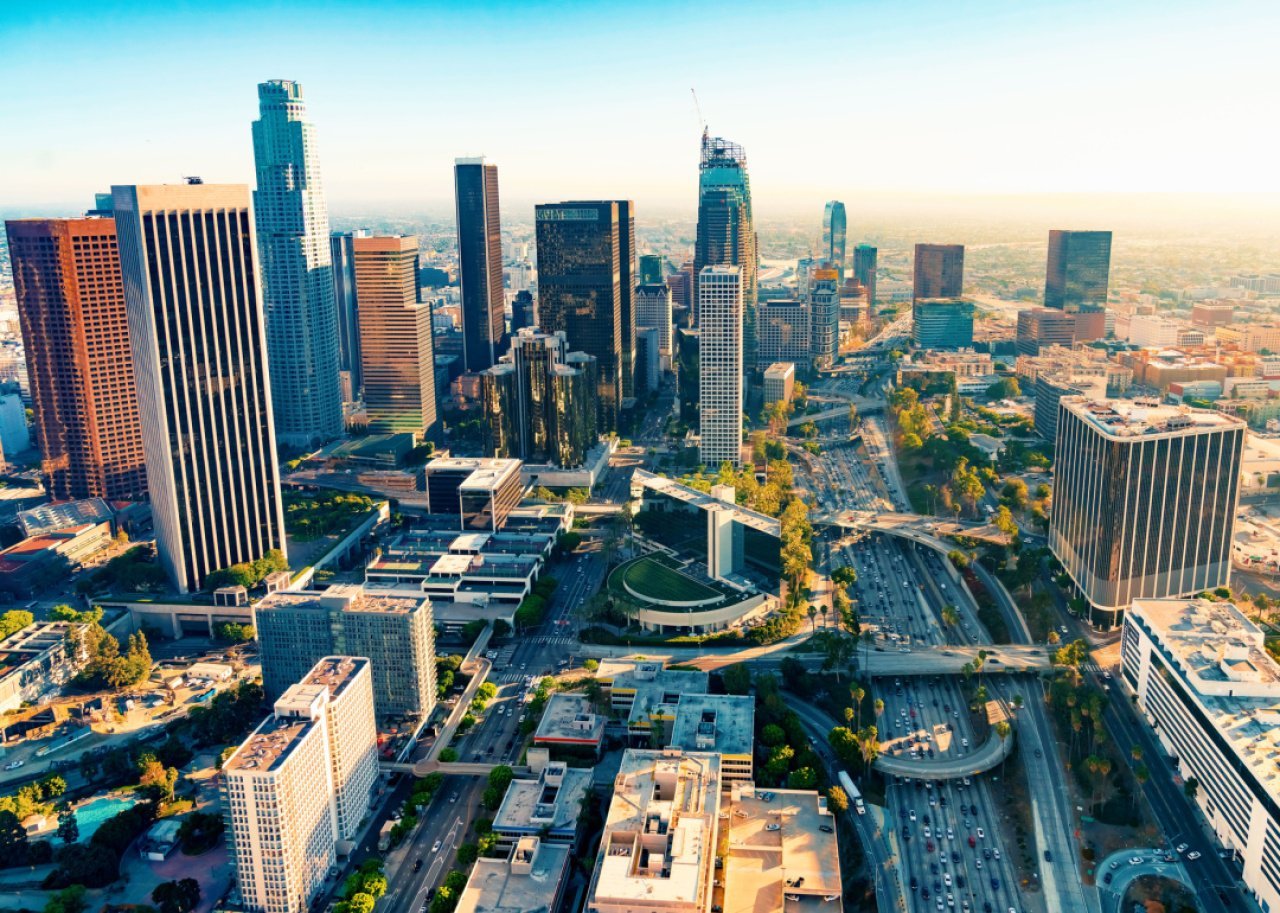
#34. Los Angeles
- Total score: 51.55
- Wallet friendliness rank: 343
- Social environment rank: 111
- Academic and economic opportunities rank: 75
Los Angeles's massive size and scope mean it's more a series of districts and neighborhoods than one distinct college town. LA has several higher education institutions within the city limits, from the massive University of California, Los Angeles, to the private Loyola Marymount University, Mount Saint Mary's University, and Occidental College. Given its proximity to Hollywood, there are also several film schools. Cultural and recreational opportunities abound, including world-renowned museums and beaches.
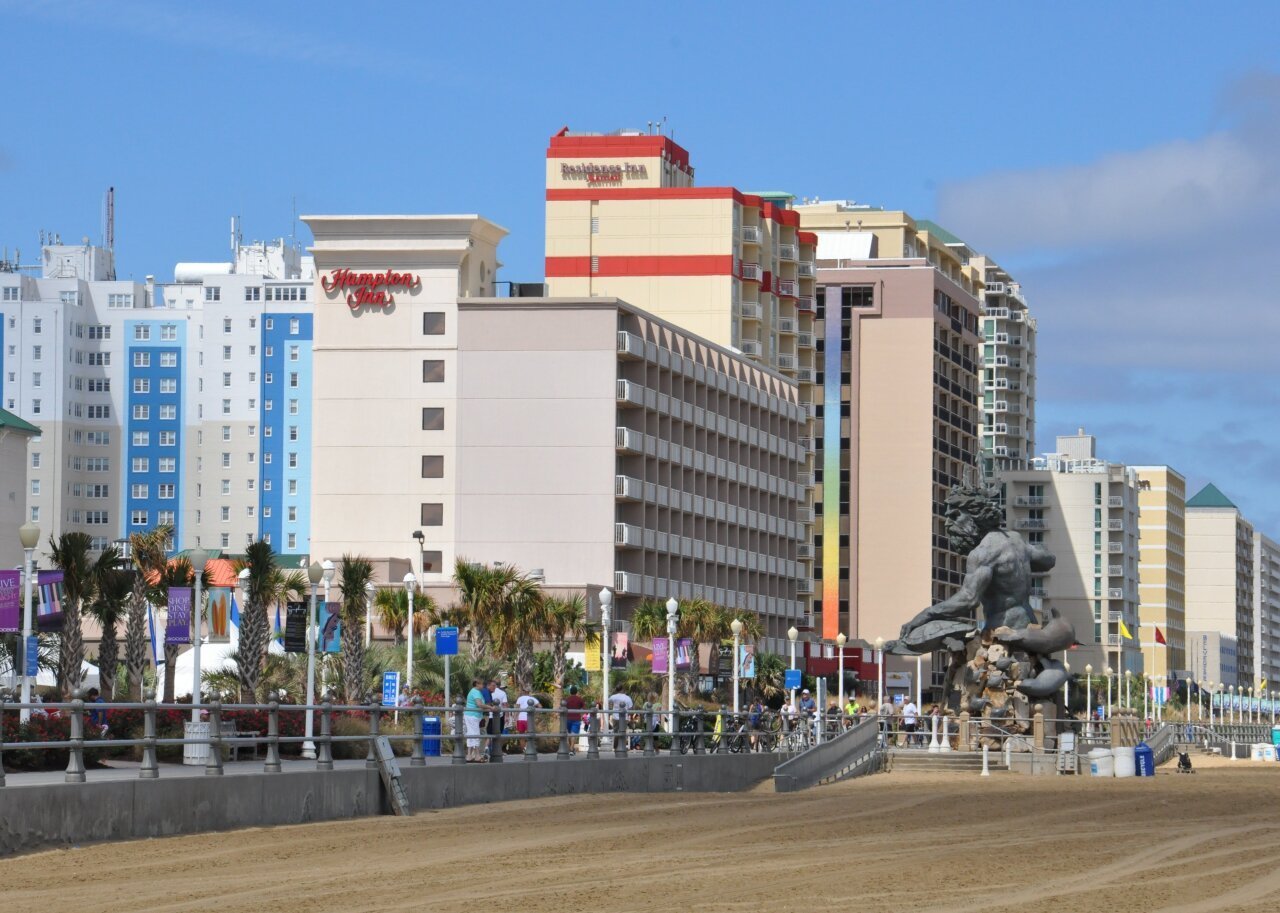
#33. Virginia Beach, Virginia
- Total score: 51.6
- Wallet friendliness rank: 248
- Social environment rank: 103
- Academic and economic opportunities rank: 179
Virginia Beach's main attraction is a three-mile oceanfront boardwalk, where the Chesapeake Bay meets the Atlantic Ocean. In recent years, the city's already pleasant coastal lifestyle has been spruced up by a bustling food and arts scene, a perfect complement to its centuries-old maritime history. Nearly 60,000 students attend four-year colleges in the area, including Regent University and Virginia Wesleyan University.
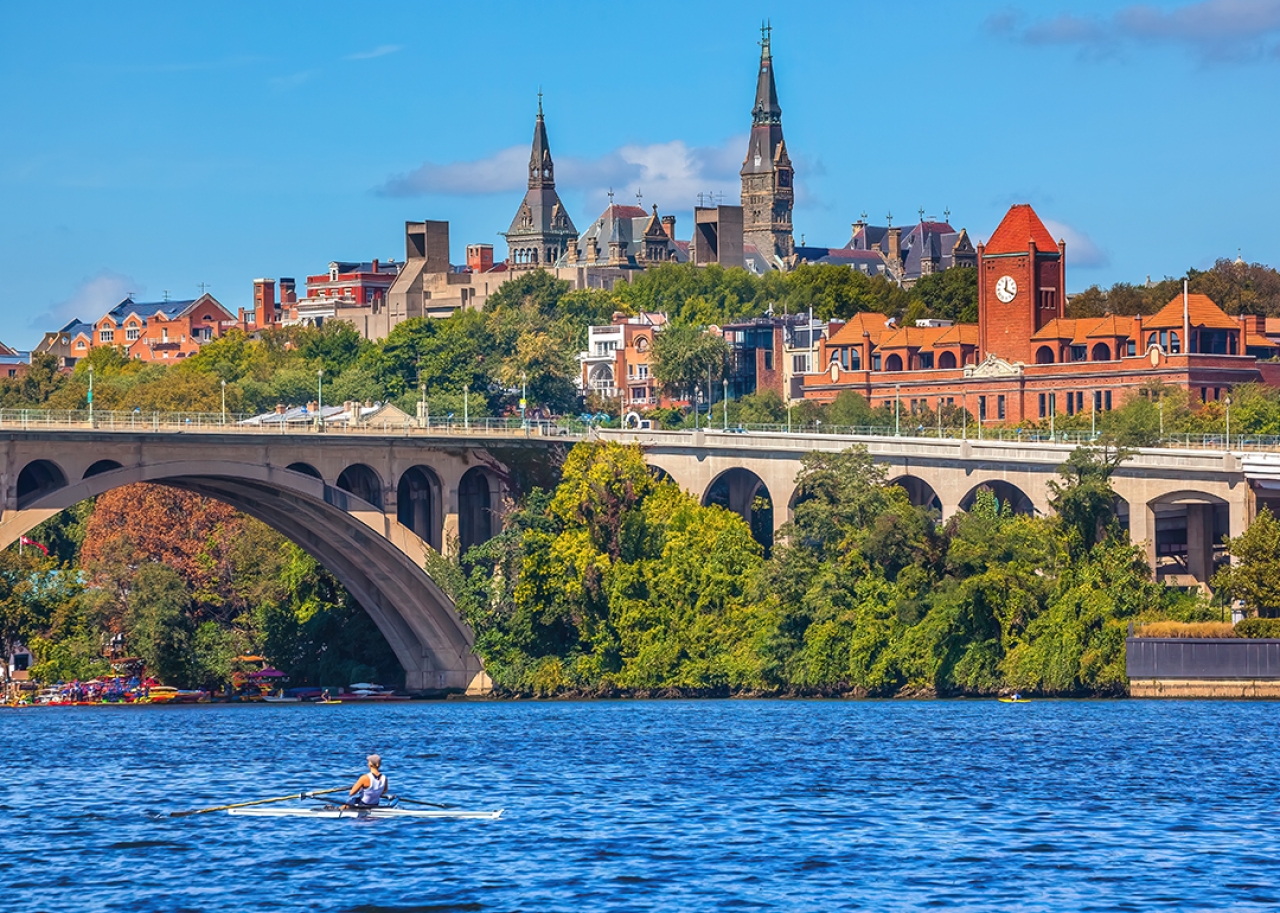
#32. Washington DC
- Total score: 51.75
- Wallet friendliness rank: 399
- Social environment rank: 21
- Academic and economic opportunities rank: 77
The nation's capital is home to several colleges and universities, including Georgetown University, George Washington University, American University, and HBCU Howard University, with education options for many students. In Washington D.C., students can explore the rich history and beautiful architecture of the United States, from the Capitol to the Lincoln Memorial to the Smithsonian Institution. That said, remember that the cost of living is high at 148% above the national average.
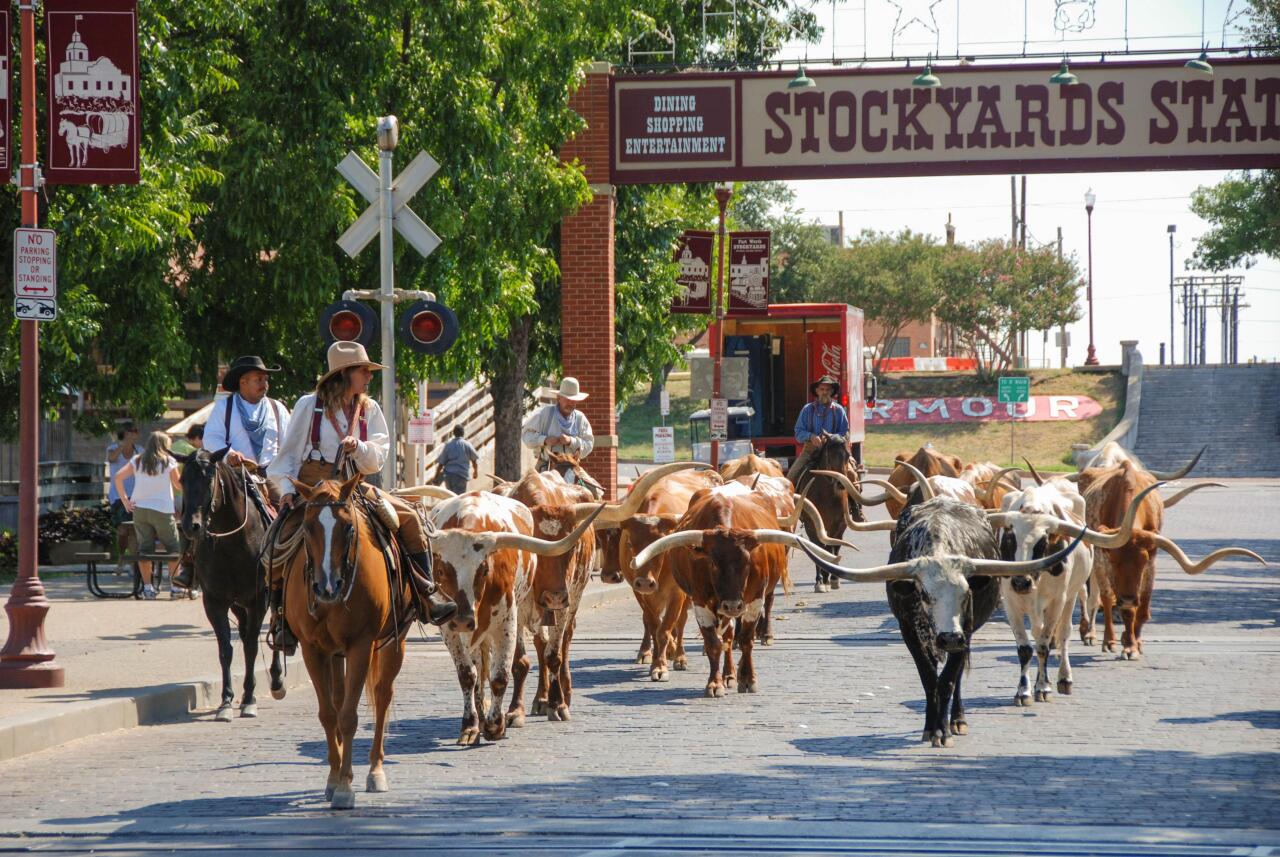
#31. Fort Worth, Texas
- Total score: 51.76
- Wallet friendliness rank: 228
- Social environment rank: 129
- Academic and economic opportunities rank: 181
Fort Worth, Texas, and the surrounding area are home to dozens of higher education institutions, including public universities like the University of North Texas and smaller private institutions like Texas Christian University and Texas Wesleyan University. The central transportation hub features the headquarters of American Airlines, GM Financial, and BNSF Railway, among others.
#30. Philadelphia
- Total score: 51.8
- Wallet friendliness rank: 261
- Social environment rank: 110
- Academic and economic opportunities rank: 166
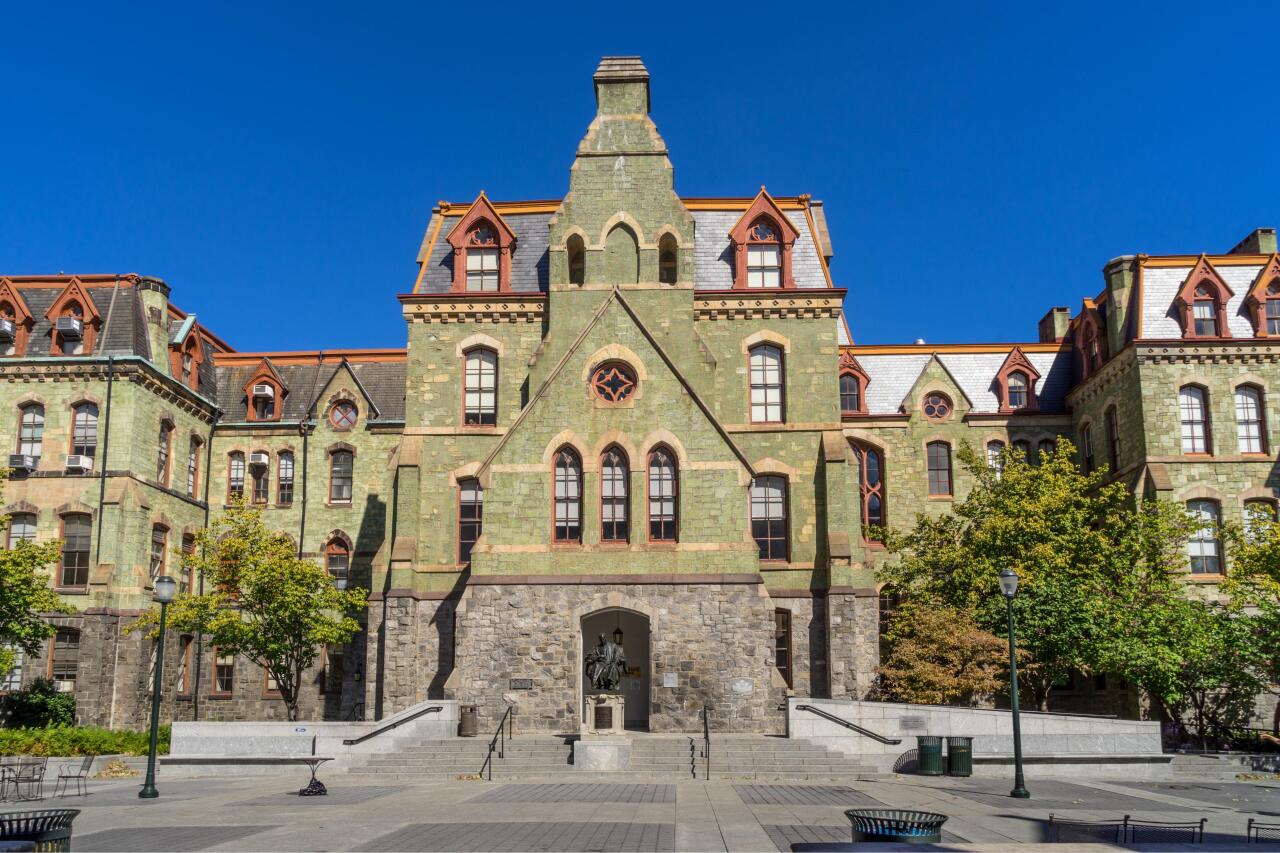
Philadelphia is home to some of the nation's oldest and most storied educational institutions: Temple University, Drexel University, and the Ivy League University of Pennsylvania among them. The city's large student population is reflected in the number of bars and clubs scattered about Center City and East Passyunk. At the same time, historic tourist attractions and museums provide something for those of all interests. Major industries in the city include health care, education, and financial services.
#29. San Antonio
- Total score: 51.94
- Wallet friendliness rank: 60
- Social environment rank: 92
- Academic and economic opportunities rank: 309
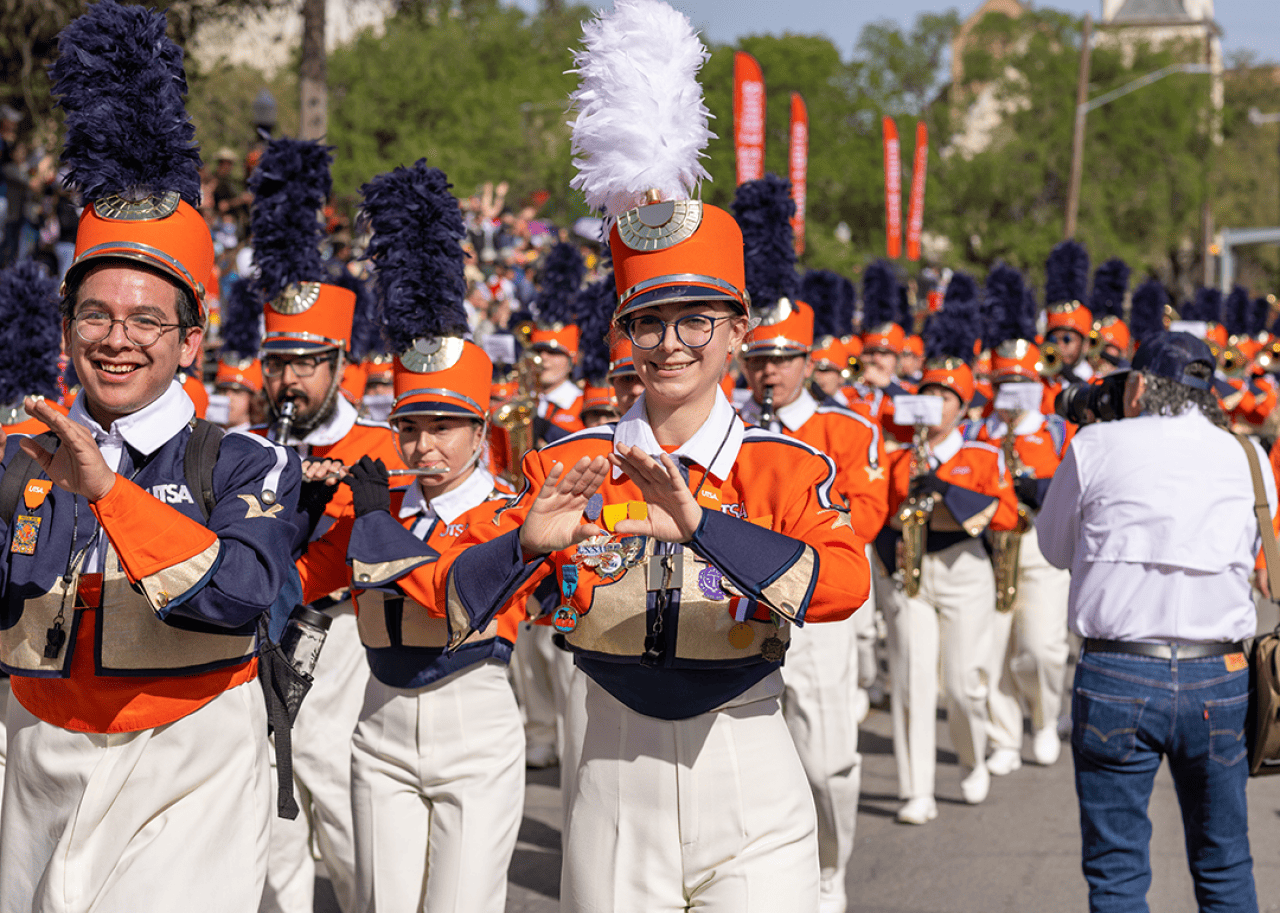
While Texas's two major public universities—the University of Texas and Texas A&M University—have campuses in San Antonio, there are also many private schools, including Trinity University and St. Mary's University. San Antonio is a popular destination for people within the state and across the country, with a major sports franchise (the NBA's San Antonio Spurs), a vibrant nightlife, and numerous historic attractions, such as the Alamo and River Walk. These features and a robust culinary scene make the city an exciting, if distracting, place to attend college.
#28. Jacksonville, Florida
- Total score: 52.13
- Wallet friendliness rank: 116
- Social environment rank: 121
- Academic and economic opportunities rank: 254
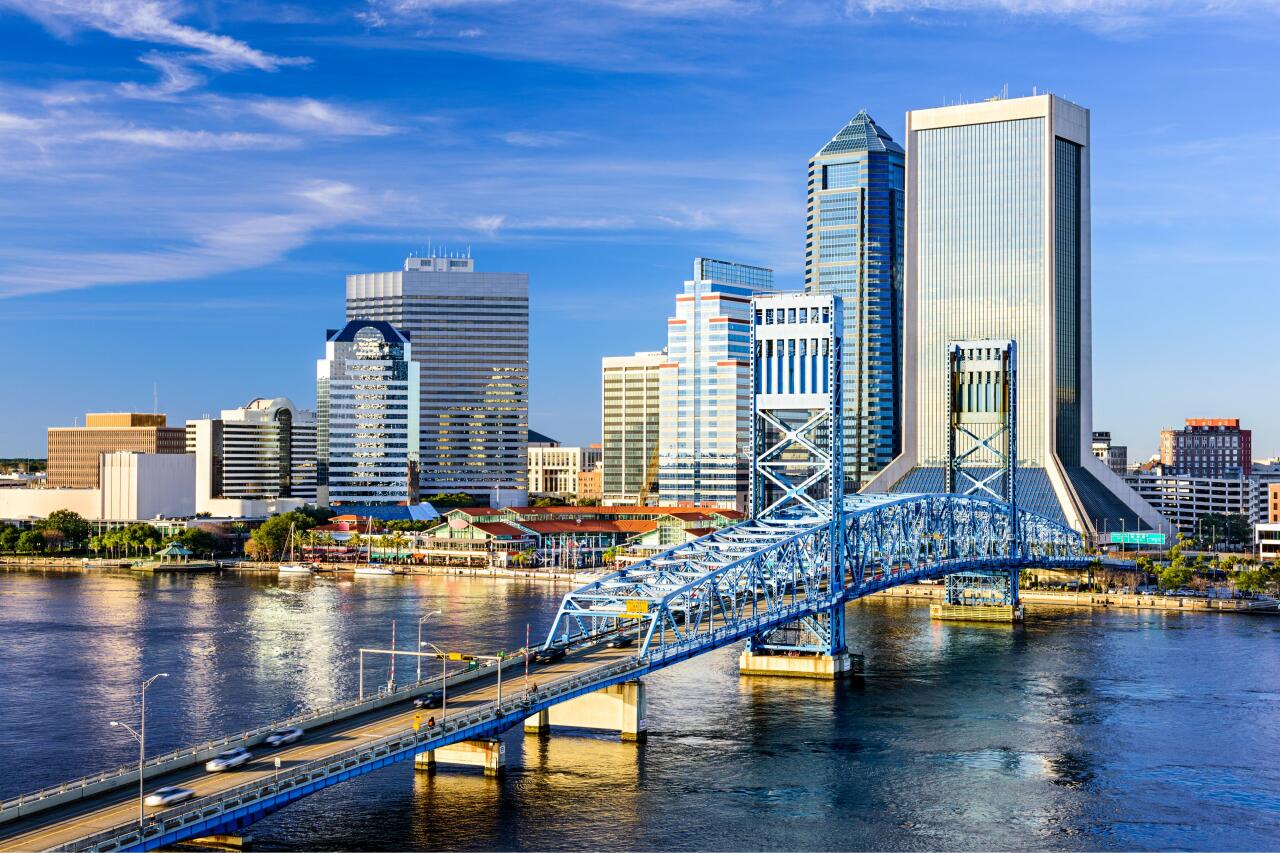
Jacksonville, Florida, is home to several of the state's public higher education institutions, including the University of North Florida, Florida State College at Jacksonville, and the University of Florida's Health Science Center. Private institutions include Jacksonville University and Edward Waters University. Jacksonville is a port town that offers jobs in the transportation and shipping industries as well as the financial services field.
#27. Bakersfield, California
- Total score: 52.22
- Wallet friendliness rank: 223
- Social environment rank: 152
- Academic and economic opportunities rank: 129
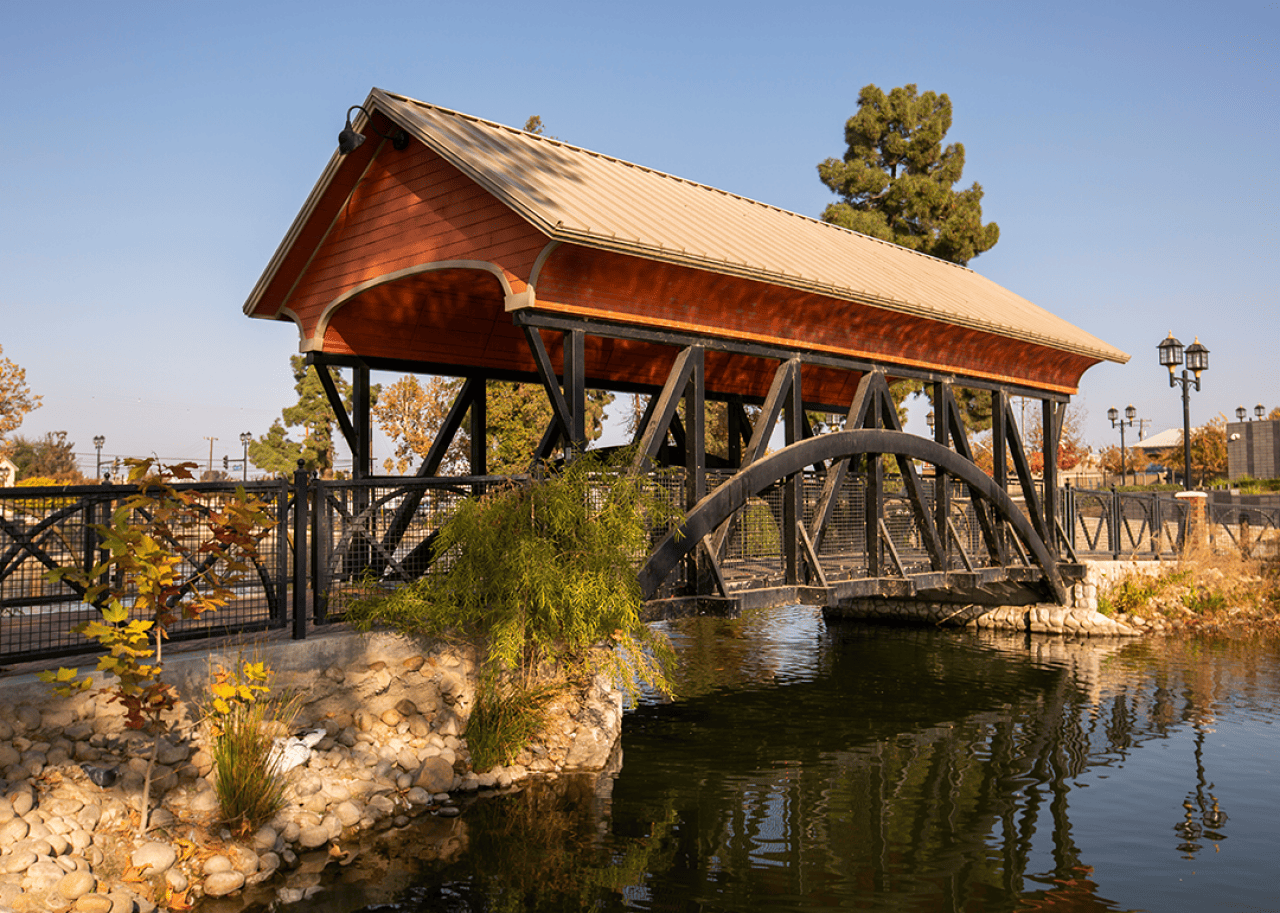
The agriculture, energy, and oil industries prosper in Bakersfield, California, located on the southern end of the San Joaquin Valley to the west of the Sierra Nevada. The scenery of that part of the Golden State is breathtaking, and students attending California State University, Bakersfield, or Bakersfield College can enjoy various leisure options, like a brewery trail and farmers' markets.
#26. Long Beach, California
- Total score: 52.3
- Wallet friendliness rank: 298
- Social environment rank: 56
- Academic and economic opportunities rank: 150
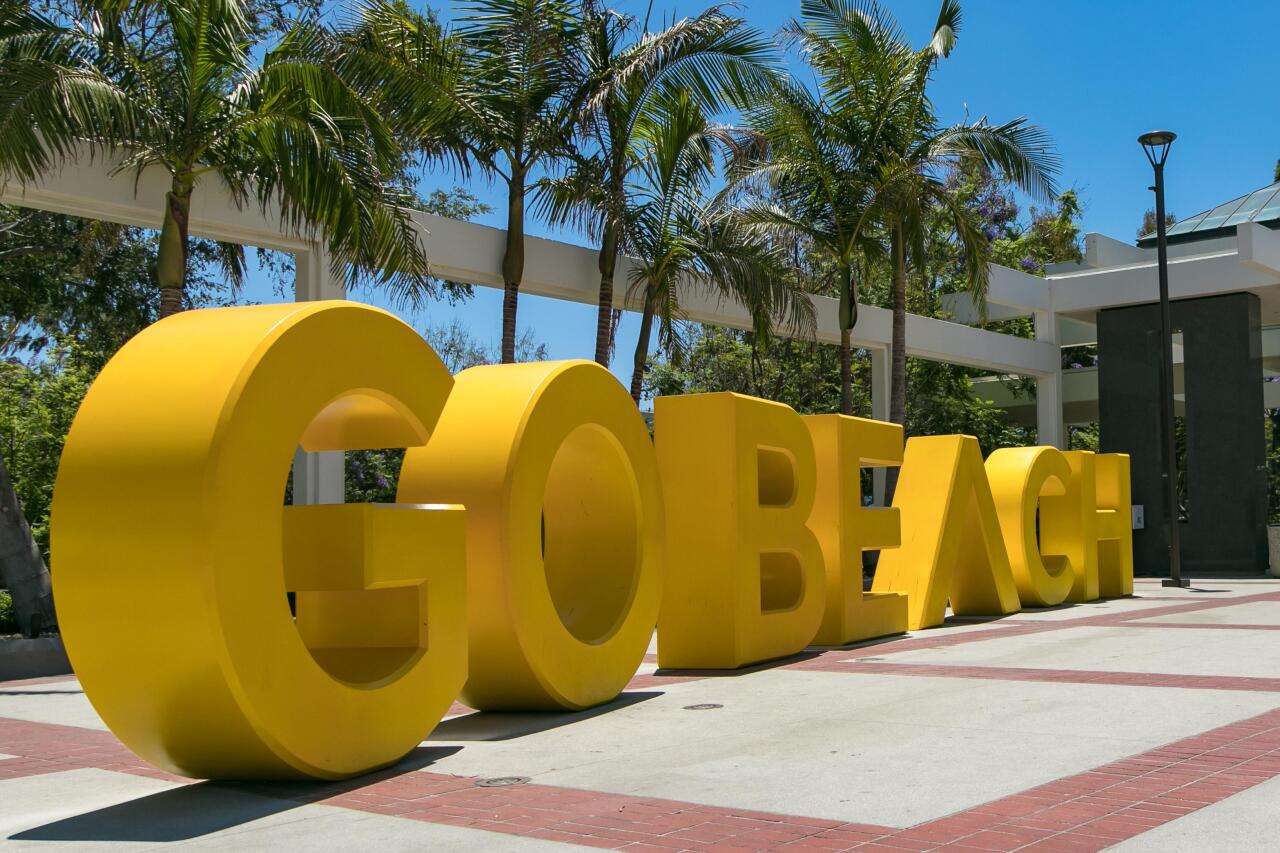
What Long Beach, California, lacks in educational offerings—the only two schools within the city are California State University, Long Beach, and Long Beach City College—it more than makes up for in recreational and professional opportunities. Home to one of the busiest ports in the world and a significant oil industry presence, jobs are plentiful, and a vibrant arts scene includes numerous museums and live music venues. Plus, the city is near both Los Angeles and Orange County.
#25. Portland
- Total score: 52.3
- Wallet friendliness rank: 291
- Social environment rank: 32
- Academic and economic opportunities rank: 176
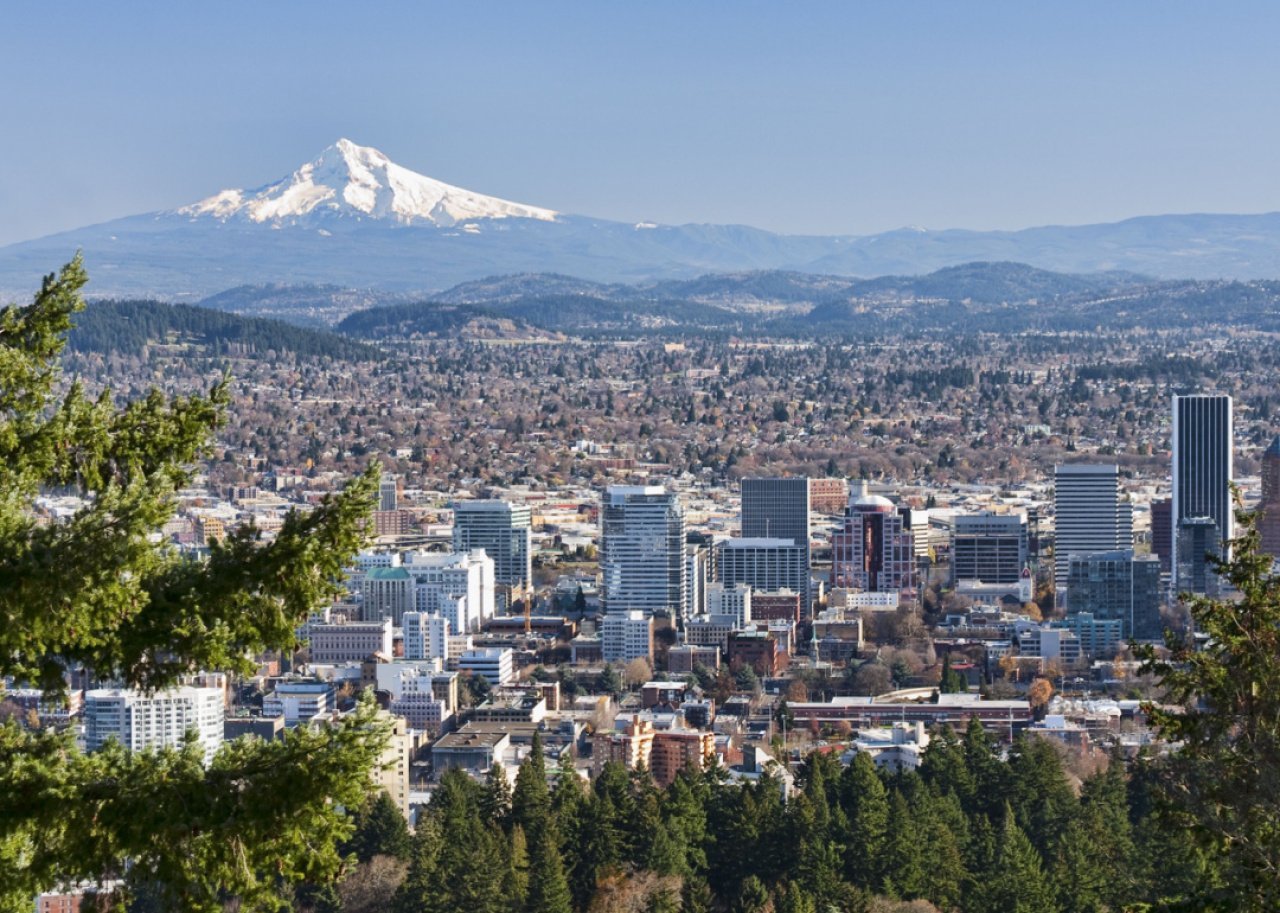
Portland ranks among the world's best cities for its commitment to sustainability and proximity to outdoor activities. Several colleges, including the University of Portland, Portland State University, and Oregon Health & Science University, draw students to the Rose City. Portland has a vibrant food scene with hundreds of food carts and over 80 breweries. But, perhaps most importantly for those who hit the books, it's the best city in the country for coffee, according to WalletHub. Bounded by the Columbia and Willamette Rivers, Portland is home to Forest Park, one of the country's largest urban forests, and Mt. Tabor, a volcanic cinder cone. A lack of a state sales tax is one reason to stick around after graduation, as are jobs at Nike, Columbia Sportswear, and Intel, some of the area's top employers.
#24. Cincinnati
- Total score: 52.41
- Wallet friendliness rank: 109
- Social environment rank: 15
- Academic and economic opportunities rank: 342
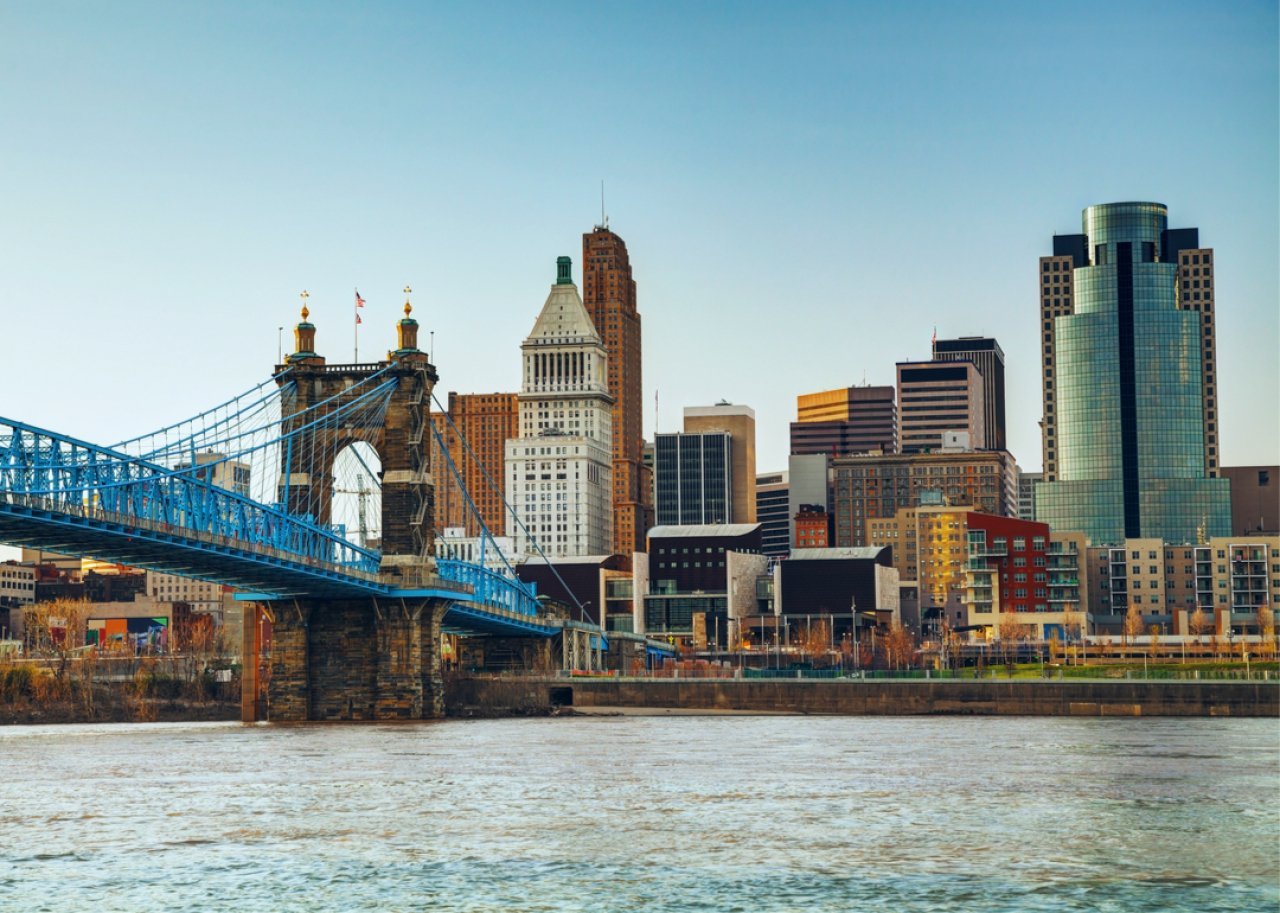
Cincinnati lives up to its nickname: Queen City. With rich architectural, historical, and cultural traditions, the third-largest city in the state is a flourishing metropolis meticulously designed to balance urban infrastructure with plentiful green spaces. Artisanal brewing is popular, and the Over-the-Rhine district is famous for its 19th-century buildings. The University of Cincinnati stands out as one of the city's best schools, and other institutions include Mount St. Joseph University and schools focused on careers in health care.

#23. Mesa, Arizona
- Total score: 53.14
- Wallet friendliness rank: 282
- Social environment rank: 207
- Academic and economic opportunities rank: 31
A suburb of Phoenix, Mesa provides access to that city's institutions of higher learning and satellite campuses, including Arizona State University's Polytechnic campus and Mesa Community College. Mesa also hosts the Sonoran Desert and Tonto National Forest, highlighting the area's rich indigenous history. The Mesa Arts Center is renowned, and nightlife includes breweries and wineries.
#22. Tucson, Arizona
- Total score: 53.33
- Wallet friendliness rank: 110
- Social environment rank: 34
- Academic and economic opportunities rank: 293
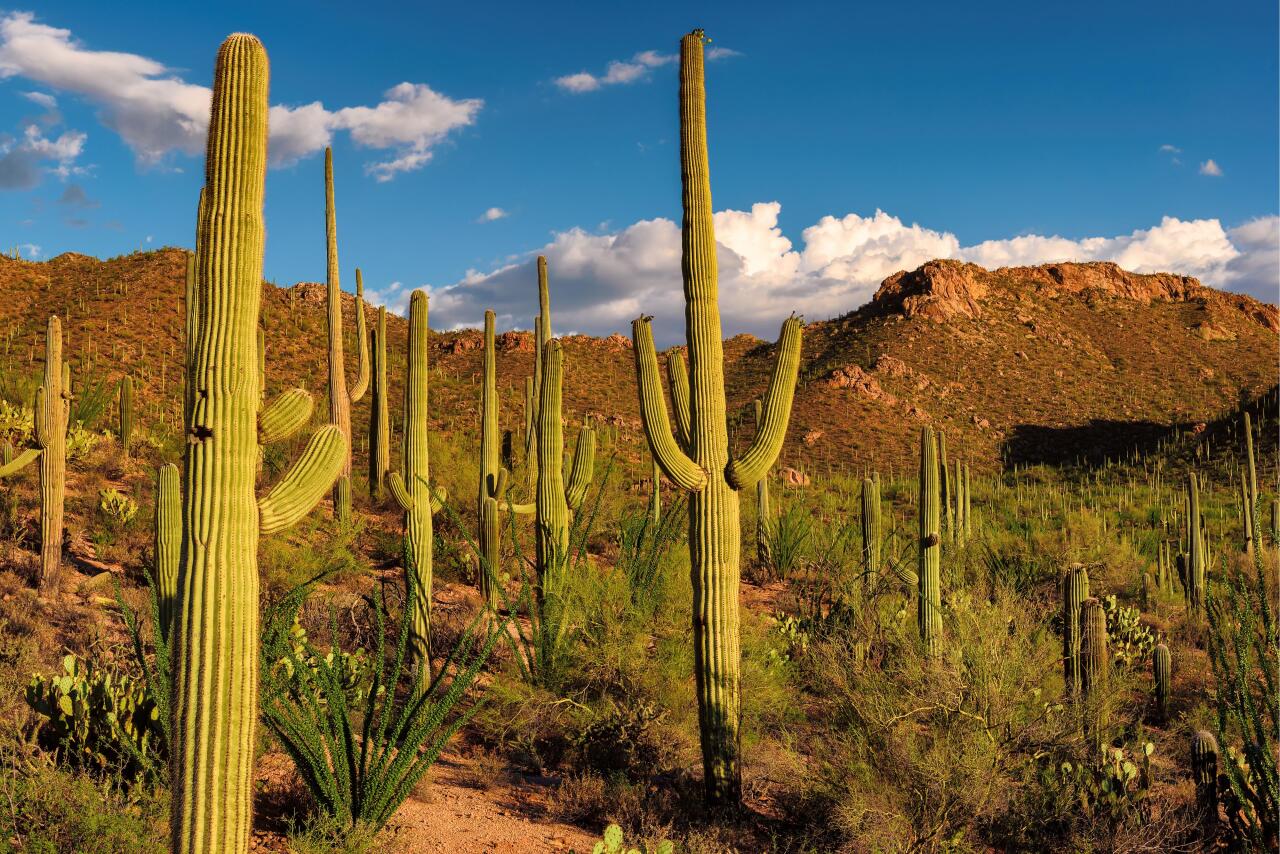
Arizona's second-largest city is home to the University of Arizona, one of the largest schools in the country and one of Tucson's largest employers. Tucson also features a national park, national forest, mountain range, other outdoor destinations, and trendy bars and restaurants, making it the choice for over 50,000 students.
#21. Houston
- Total score: 53.38
- Wallet friendliness rank: 83
- Social environment rank: 120
- Academic and economic opportunities rank: 236
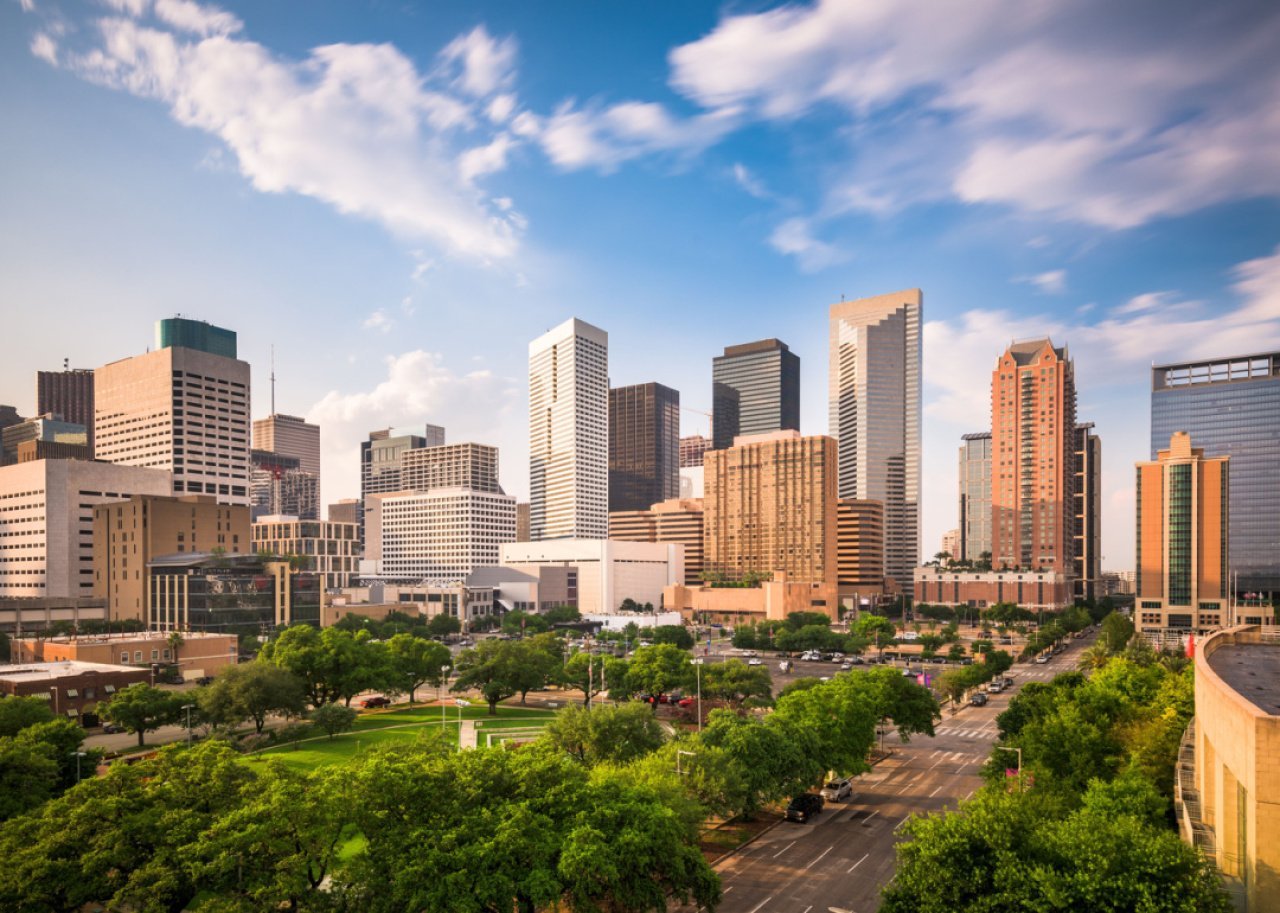
The University of Houston's flagship campus and its Downtown and Clear Lake campuses, along with Texas Southern University and the private Rice University, are based in this Texan city. The city is a hub for the energy sector, featuring the headquarters of ConocoPhillips, Halliburton, and Phillips 66. Space City, the country's fourth-largest metropolis, is also home to diverse arts, culinary, and sports scenes.
#20. Minneapolis
- Total score: 53.4
- Wallet friendliness rank: 179
- Social environment rank: 51
- Academic and economic opportunities rank: 220
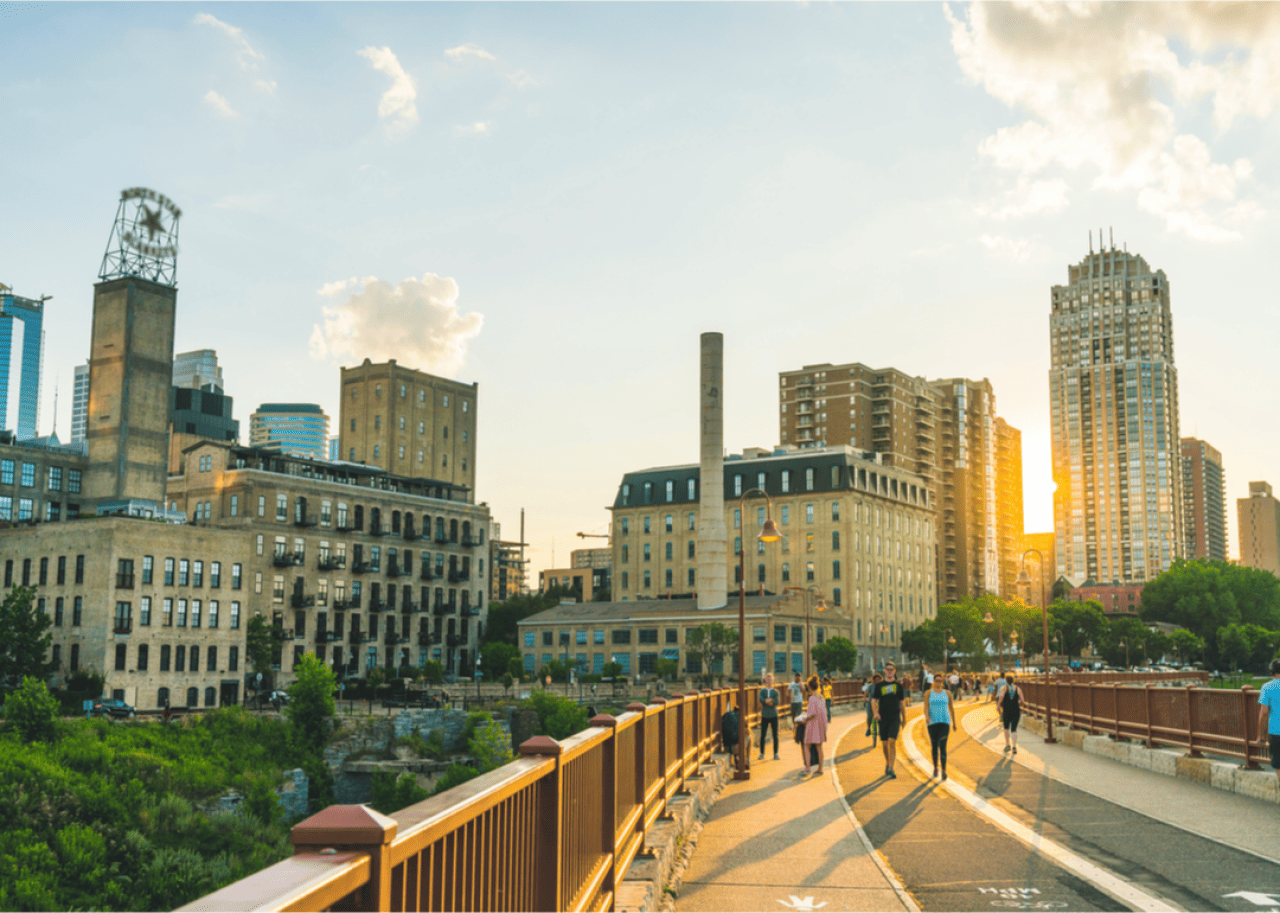
Minneapolis is a cultural center of the Midwest and home to some colleges and universities, including the University of Minnesota, the Minneapolis College of Art and Design, and North Central University. The city has a celebrated parks system that encourages activity among residents and representation in all major North American sports leagues. Light rail and commuter lines also link the city's neighborhoods with nearby suburbs.
#19. Henderson, Nevada
- Total score: 53.43
- Wallet friendliness rank: 250
- Social environment rank: 333
- Academic and economic opportunities rank: 5
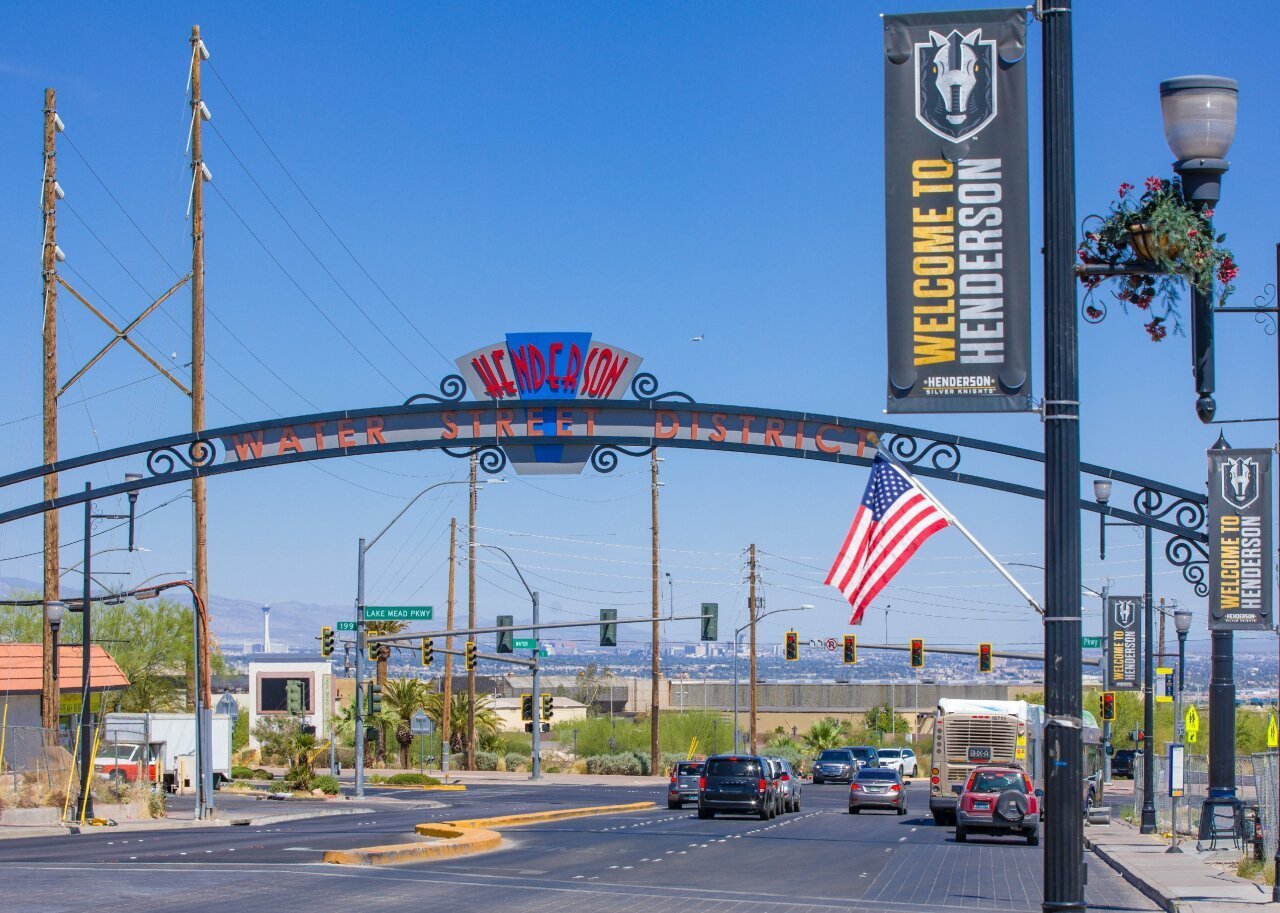
A relatively new and thriving suburb located only a few miles southeast of the Las Vegas Strip, Henderson is an ideal setting for college students. With mild winters and 300 sunny days yearly, Henderson, Nevada, is a desirable place to shape your future. It also attracts students who enjoy outdoor activities and an "open 24 hours" lifestyle without the frenzy of its world-famous neighbor. There are several colleges in Henderson, including Nevada State University, and a handful of others less than 20 miles away.
#18. Irvine, California
- Total score: 53.77
- Wallet friendliness rank: 379
- Social environment rank: 100
- Academic and economic opportunities rank: 19
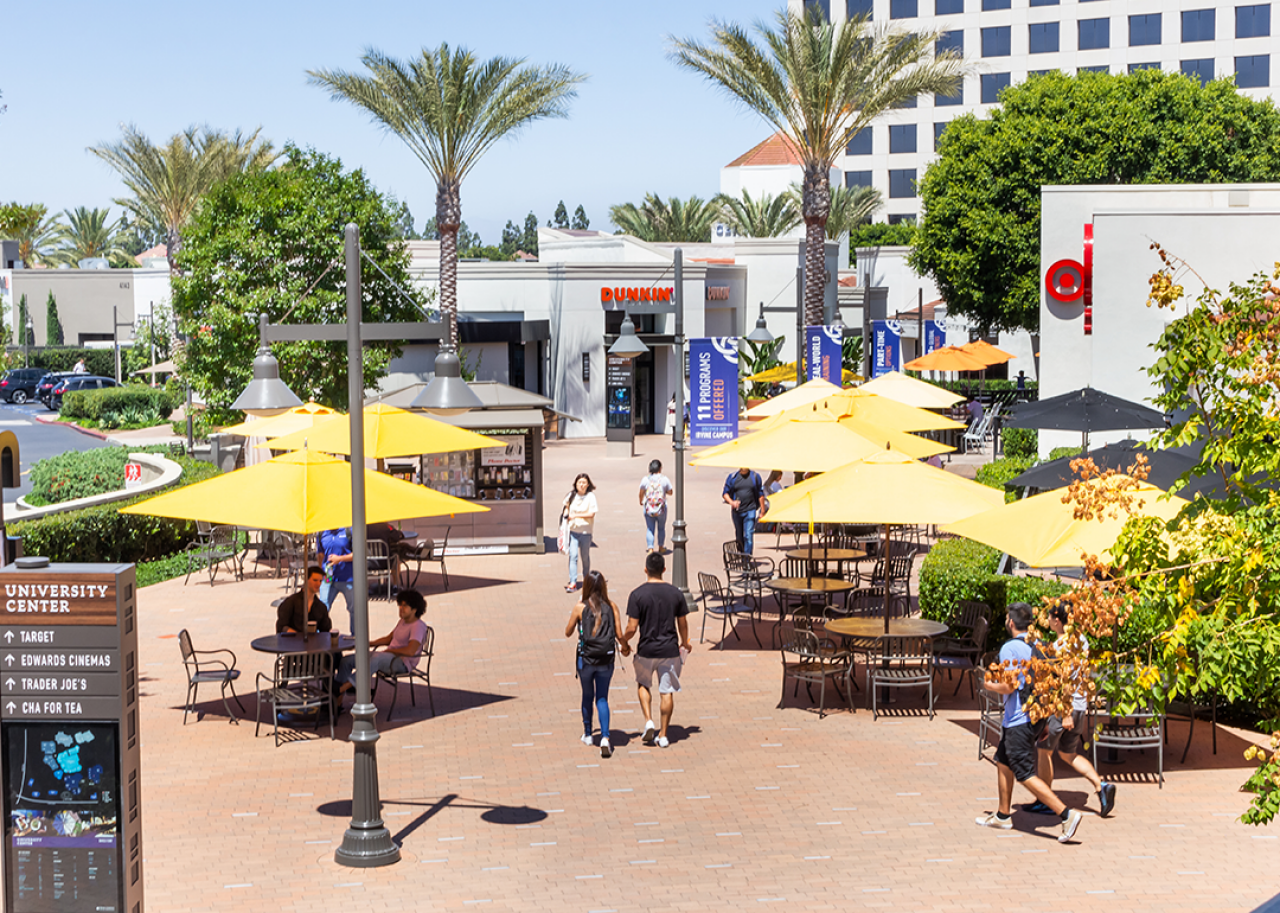
Students in this central Orange County city have access to the best of Southern California. The city has several colleges, including the top-ranked University of California, Irvine; Westcliff University; Concordia University Irvine; and Stanbridge University, a nursing and allied health school. Lovers of outdoor recreation have convenient access to the Pacific Ocean and the city's Great Park, a 500-plus-acre playground with an amphitheater and facilities for several sports. Nearby John Wayne International Airport ranks #1 with J.D. Power for customer satisfaction.
#17. Fresno, California
- Total score: 53.91
- Wallet friendliness rank: 141
- Social environment rank: 144
- Academic and economic opportunities rank: 167
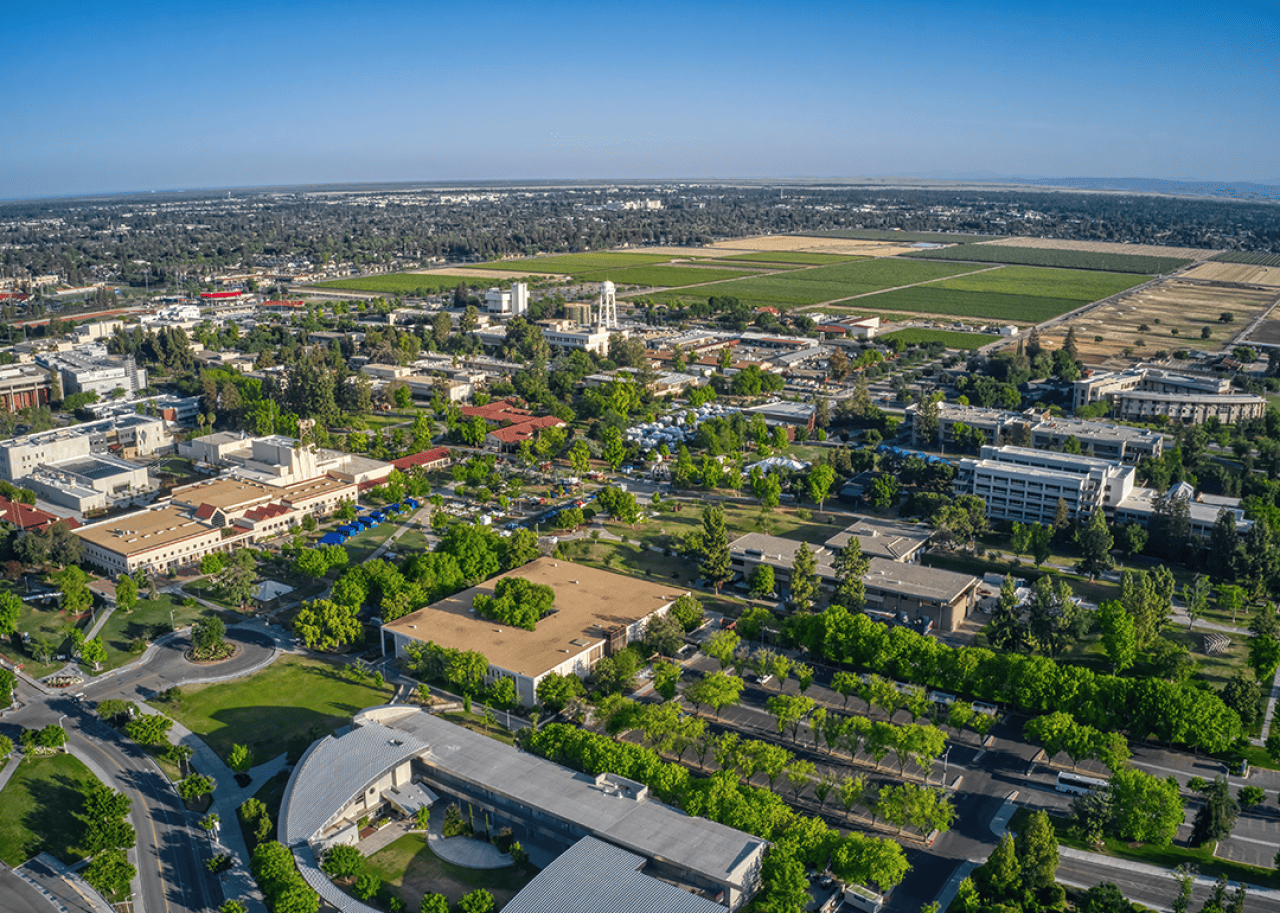
California's fifth-largest city beckons students to experience the best urban and rural living at Fresno State University and Fresno Pacific University, among other schools. Fresno's half-million residents enjoy the city's bustling cultural scene. However, the city is also located within the state's rich agricultural heartland. Furthermore, Fresno is within a 90-minute drive from Yosemite, Kings Canyon, and Sequoia National Parks. Students at Fresno State can study at the nation's first collegiate commercially bonded winery, which has won over 300 awards since it opened in 1997.
#16. Charlotte, North Carolina
- Total score: 54.16
- Wallet friendliness rank: 209
- Social environment rank: 35
- Academic and economic opportunities rank: 201
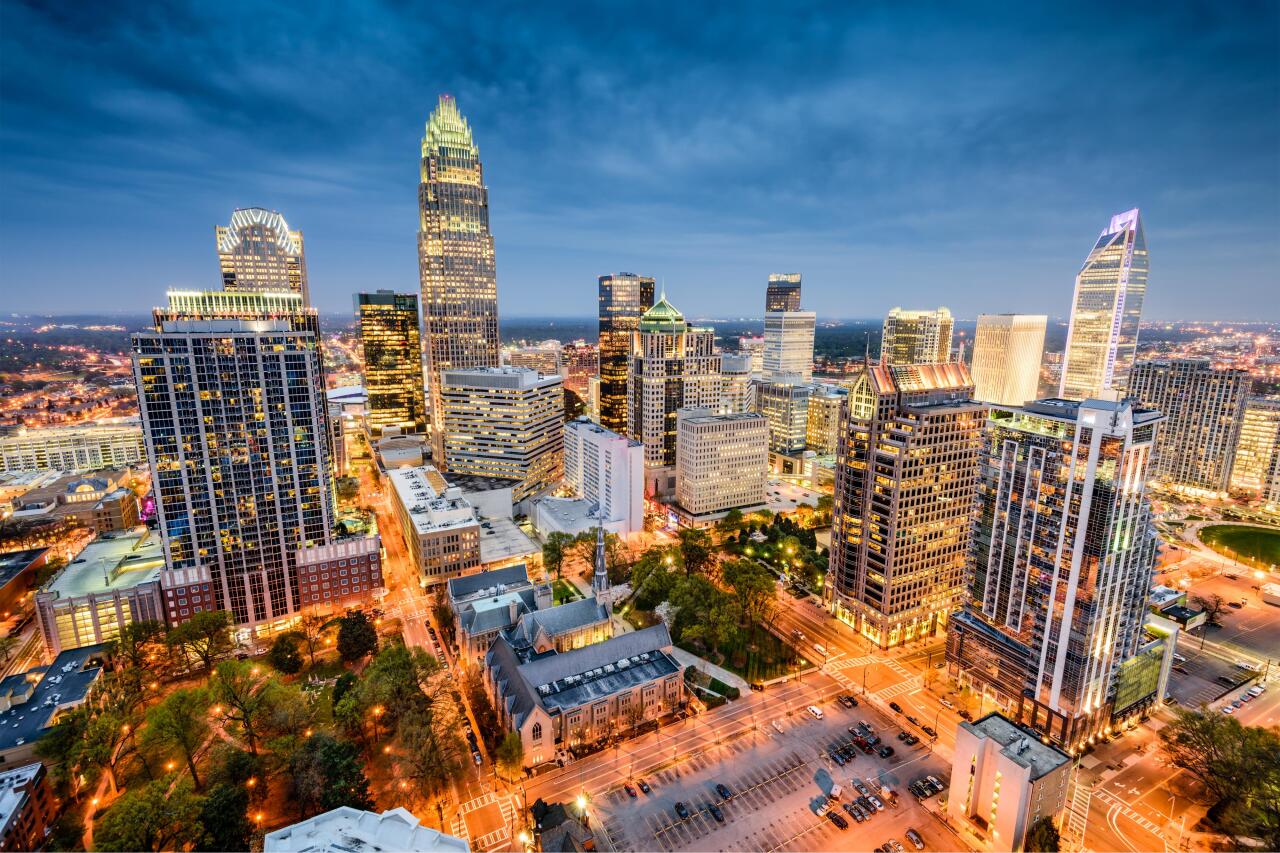
Tens of thousands of students move to Charlotte, North Carolina, to attend the University of North Carolina at Charlotte, highly-ranked Davidson College, and the smaller Queens University of Charlotte. Just up the road, the North Carolina Research Campus offers opportunities in various areas of study for both undergrad and graduate students. Charlotte is a major financial services and banking hub—the city is now the second-largest banking center behind New York.
#15. Nashville, Tennessee
- Total score: 54.21
- Wallet friendliness rank: 262
- Social environment rank: 73
- Academic and economic opportunities rank: 130
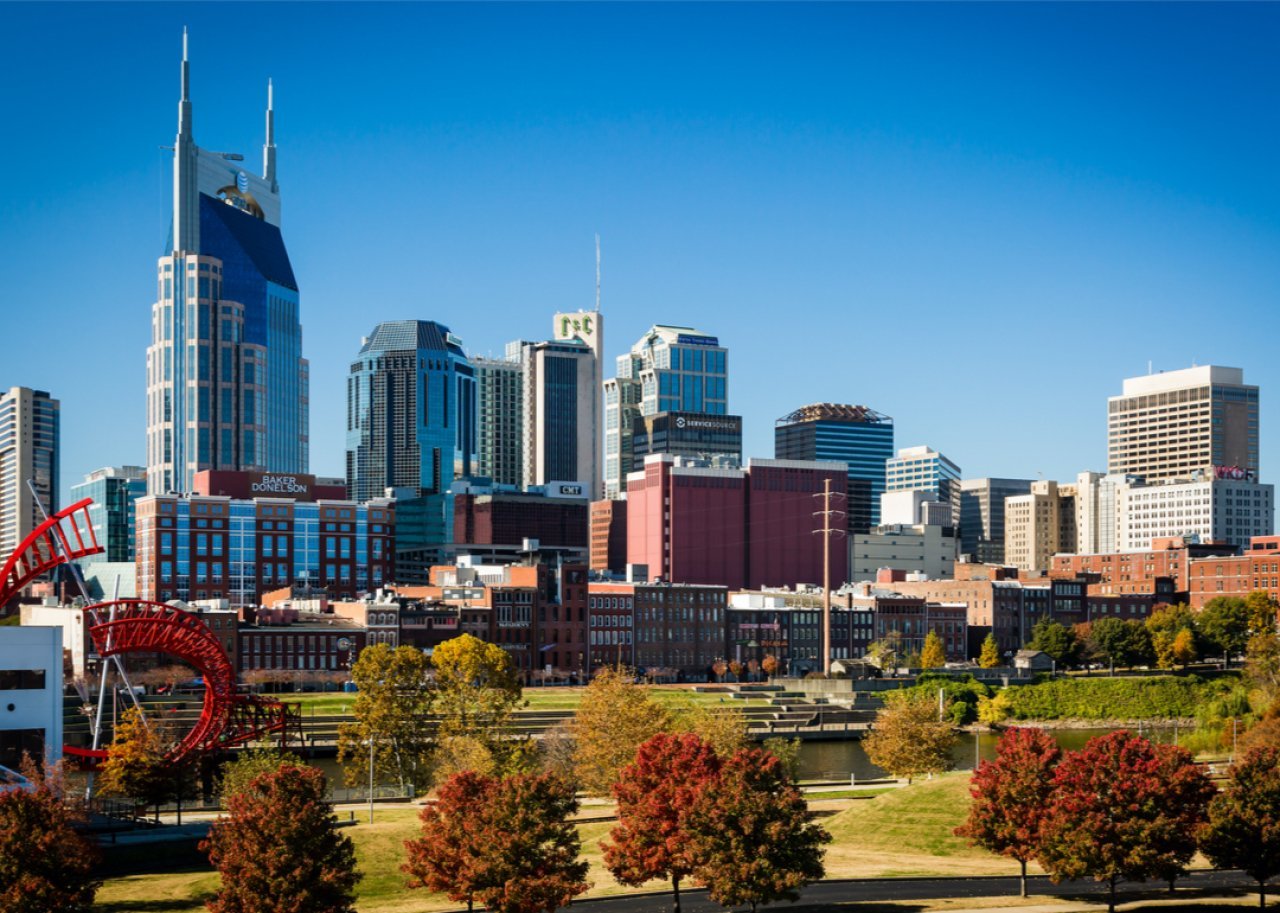
Vanderbilt University is the most highly ranked college in Nashville, Tennessee, home to over 13,000 undergraduate and graduate students. Nashville also boasts a couple of HBCUs: Tennessee State University and Fisk University. Nashville's reputation as a lively tourist destination extends to its status as a top-notch college town, with students enjoying a wide selection of live music, nightlife, and Southern cuisine.
#14. Seattle
- Total score: 54.38
- Wallet friendliness rank: 364
- Social environment rank: 12
- Academic and economic opportunities rank: 83
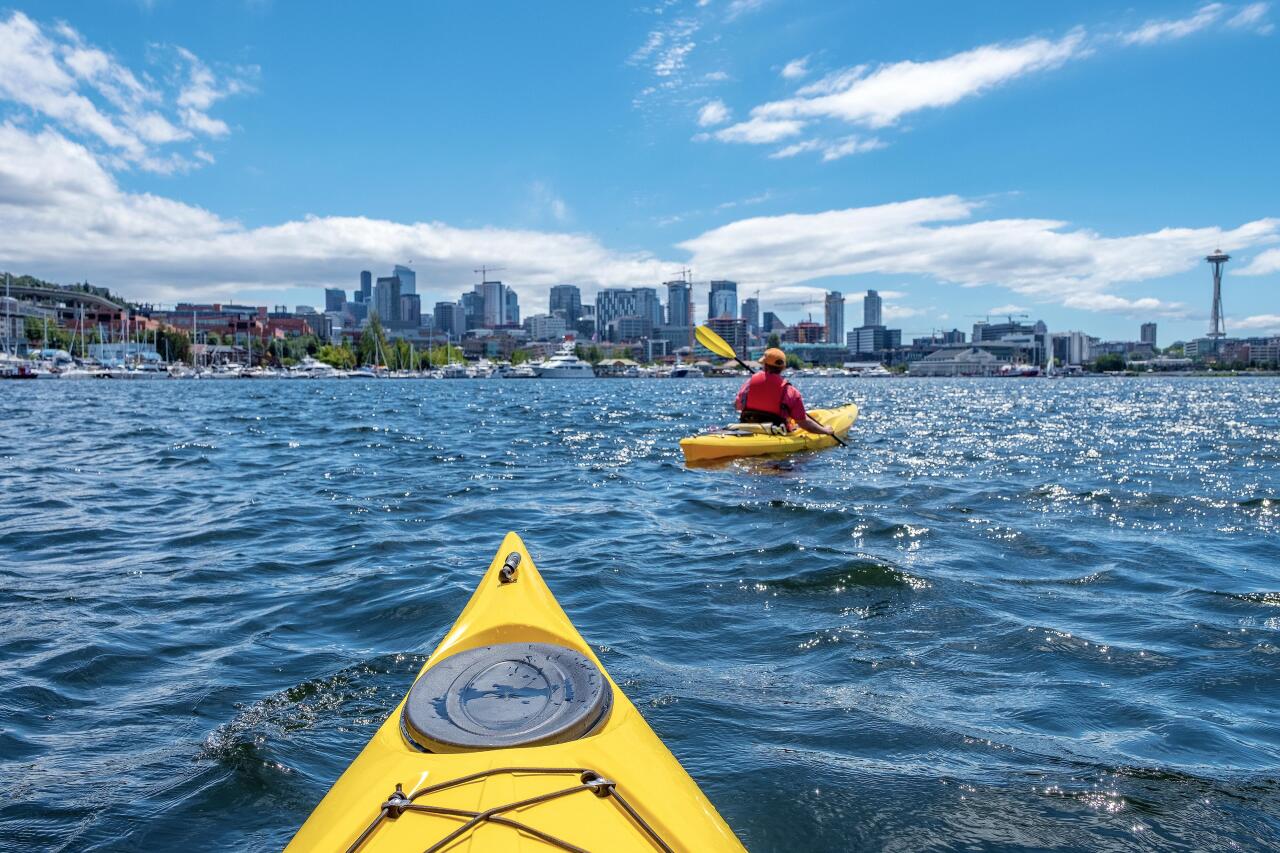
Seattle's biggest educational institution is the University of Washington, which is so large that it takes up an entire neighborhood. Other schools in the area include Seattle University and Seattle Pacific University. Like its counterparts in Silicon Valley, Seattle draws students interested in the tech and business sectors, with neighboring major corporations including Amazon, Microsoft, Starbucks, and Boeing. That said, thanks to its history as a breeding ground for alternative music and its multitude of recreational opportunities, the city draws students across a wide swath of interests.
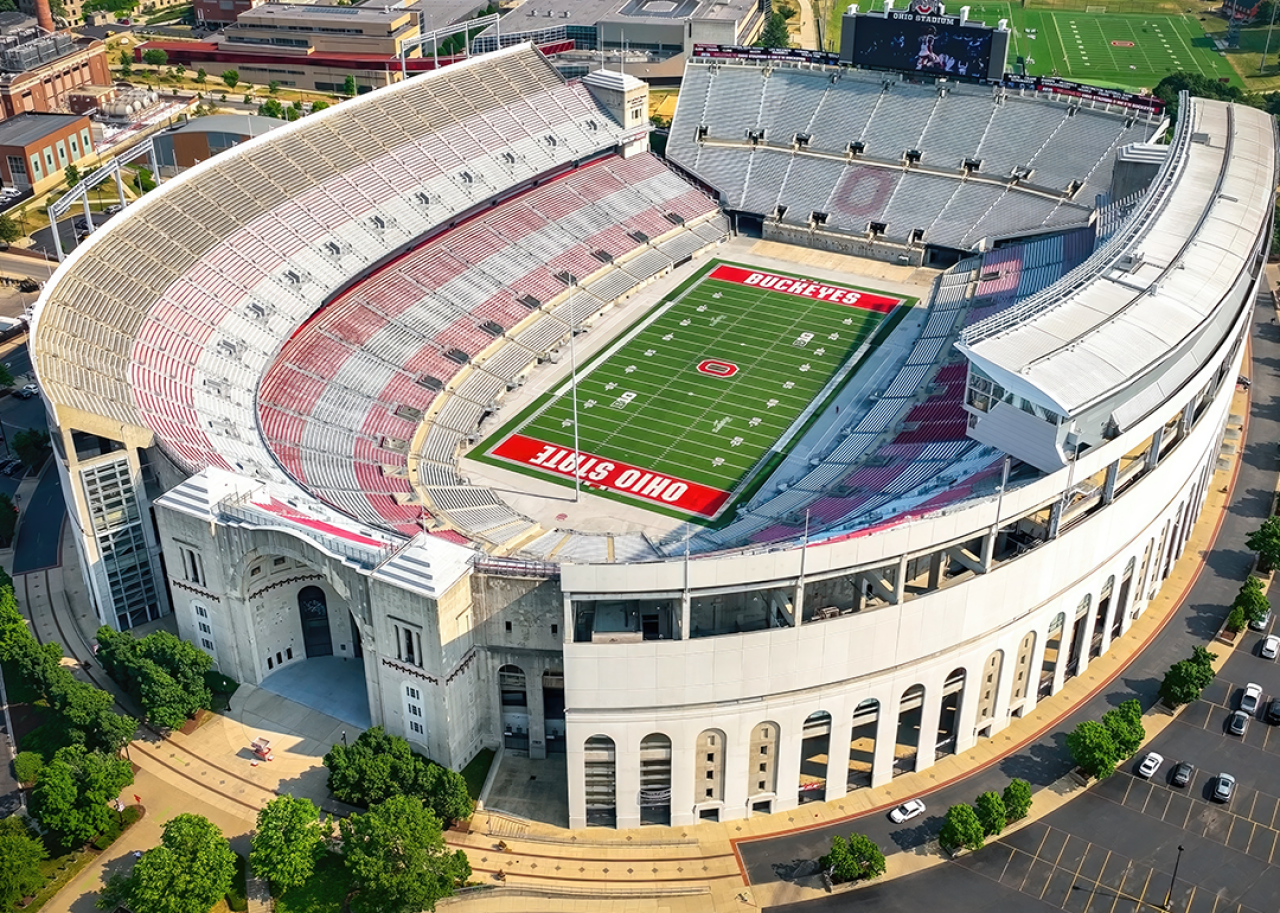
#13. Columbus, Ohio
- Total score: 54.63
- Wallet friendliness rank: 113
- Social environment rank: 72
- Academic and economic opportunities rank: 212
Columbus, Ohio, is home to one of the largest colleges by enrollment in the country: Ohio State University. Columbus also hosts Columbus State Community College and the Columbus College of Art and Design. Bustling neighborhoods such as the Short North feature street parades and festivals. Meanwhile, college football is a huge draw for almost everyone in town, whether or not they're students.
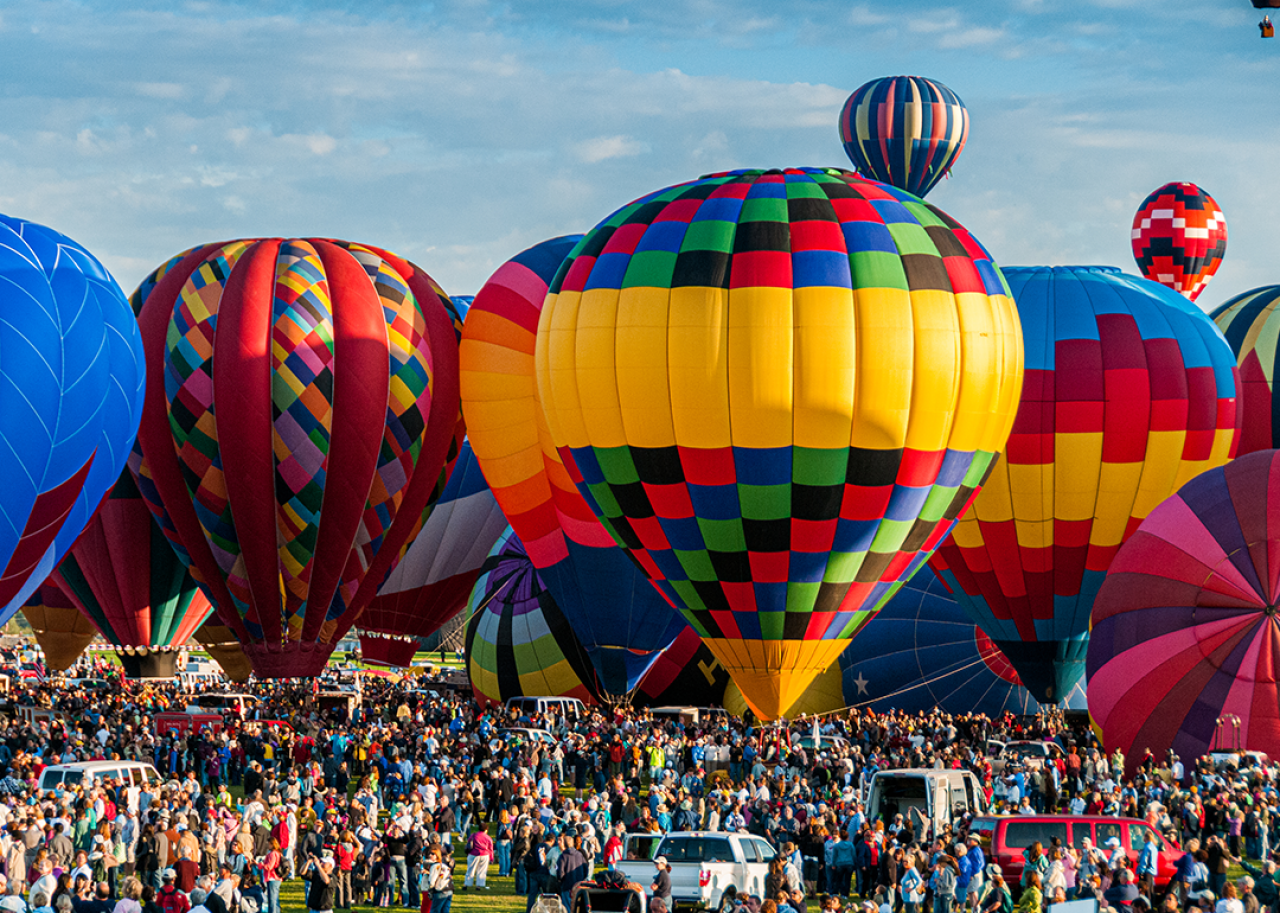
#12. Albuquerque, New Mexico
- Total score: 55.76
- Wallet friendliness rank: 165
- Social environment rank: 83
- Academic and economic opportunities rank: 138
Educational opportunities in Albuquerque include the University of New Mexico, Central New Mexico Community College, Trinity Southwest University, and the University of St. Francis. As for recreation, students can enjoy Old Town, the Sandia Peak Tramway, and the ABQ BioPark. The city is also home to a vibrant restaurant scene and the world-famous International Balloon Fiesta, held every October.
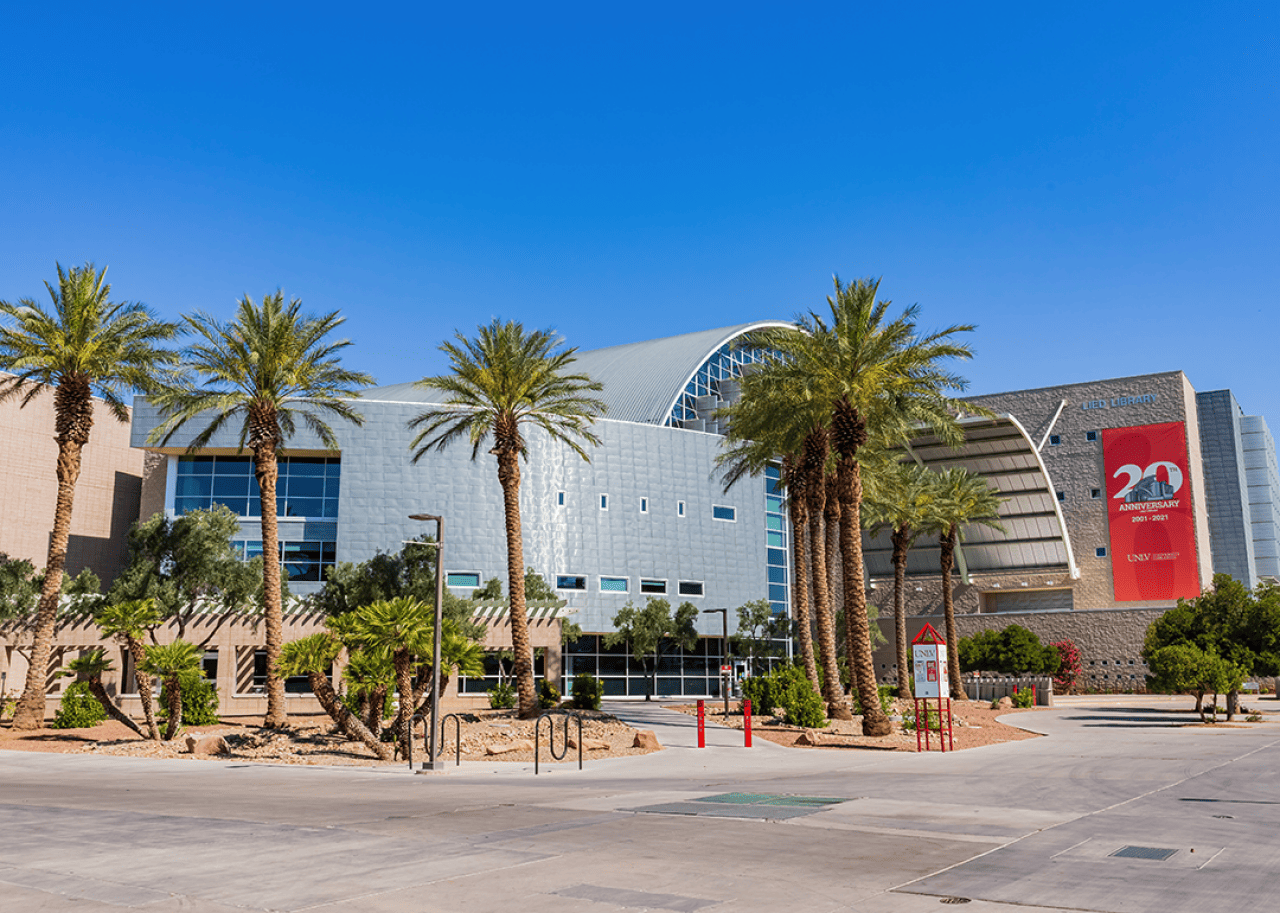
#11. Las Vegas
- Total score: 55.76
- Wallet friendliness rank: 178
- Social environment rank: 8
- Academic and economic opportunities rank: 235
The University of Nevada, Las Vegas is the main contributor of students to Sin City. With an iconic nightlife scene and plenty of jobs in the hospitality industry, Vegas attracts those looking for a different kind of urban experience. While public transit isn't robust and there isn't much parkland, what the city lacks in infrastructure it makes up for in recreational and cultural offerings.

#10. San Diego
- Total score: 55.97
- Wallet friendliness rank: 382
- Social environment rank: 6
- Academic and economic opportunities rank: 24
Sunny San Diego may not be known as a college town, but it should be: There are nearly 30 colleges and universities in the city and beyond, including the University of California, San Diego; San Diego State University; and the private University of San Diego and Point Loma Nazarene University. Beach culture strongly holds students, who can be found surfing between classes or roller skating along Mission Beach. There is also a significant military presence thanks to Naval Base San Diego, the U.S. Navy's largest West Coast base and the principal homeport of the Pacific Fleet.
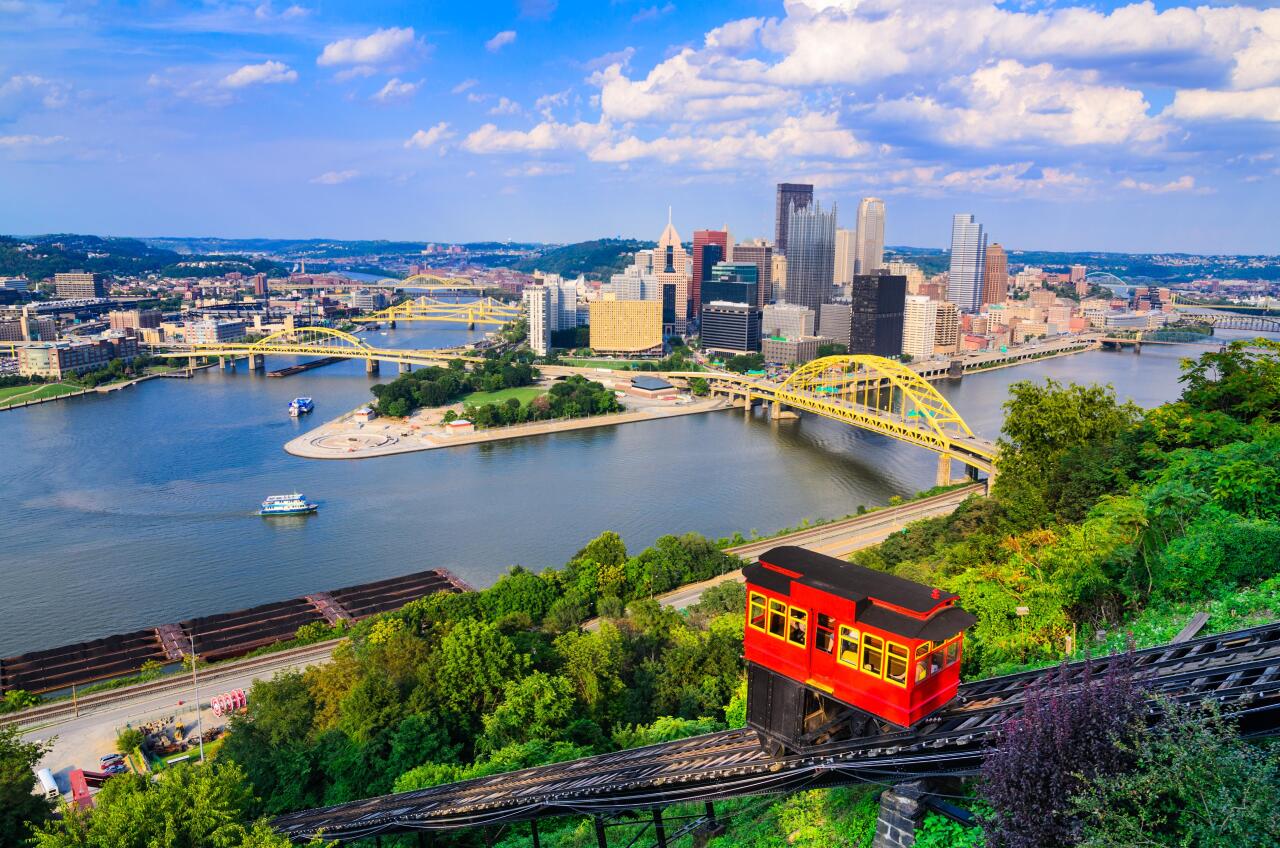
#9. Pittsburgh
- Total score: 56.44
- Wallet friendliness rank: 203
- Social environment rank: 4
- Academic and economic opportunities rank: 224
One of the Rust Belt's anchor cities, Pittsburgh is home to close to 30 universities, including the highly ranked Carnegie Mellon University and the University of Pittsburgh. Forbes and The Economist of London have called Pittsburgh the nation's most livable city, which makes it a very attractive destination for students. While U.S. Steel still has a big presence, a growing number of biotech, health care, and financial services companies are based in the state's second-largest metropolis.
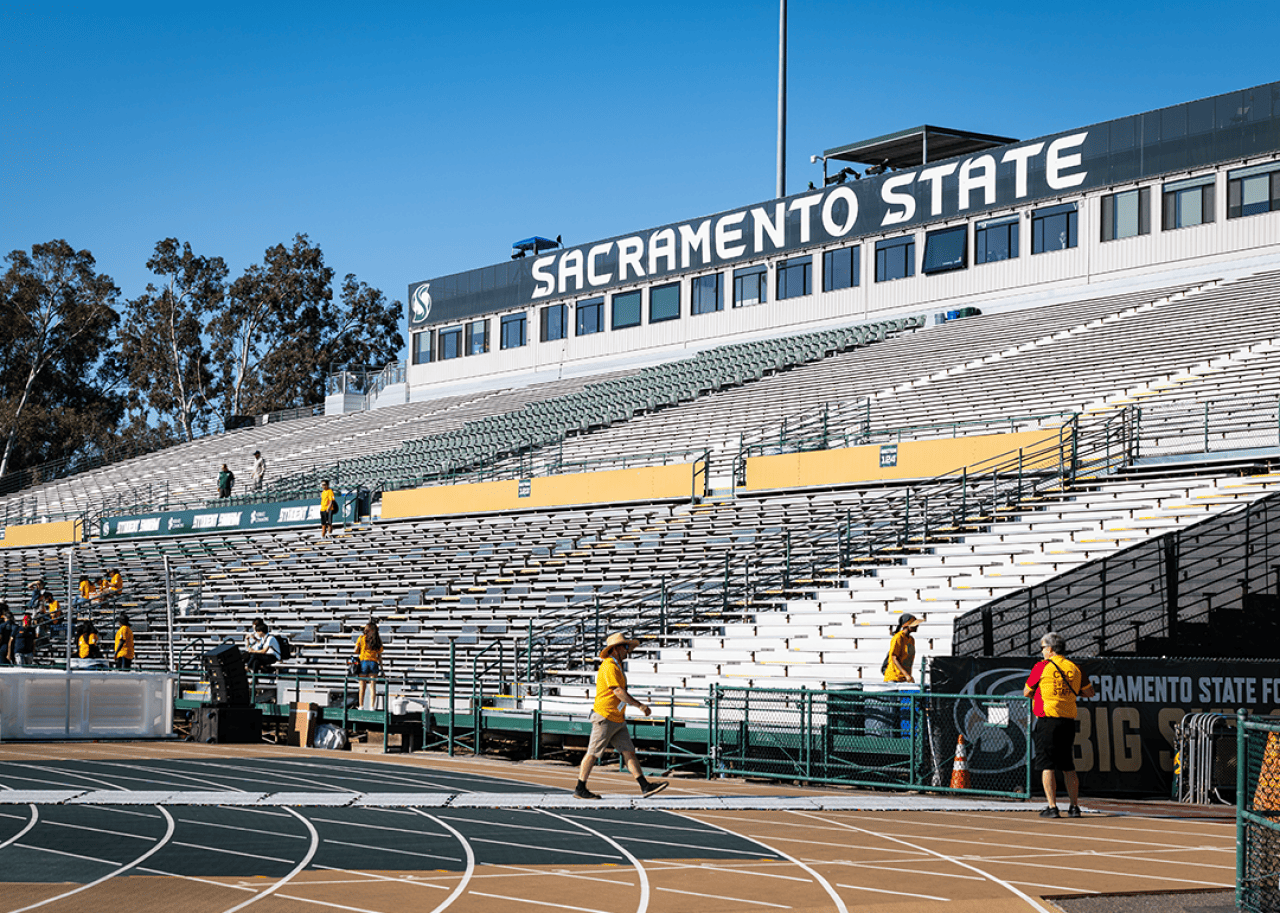
#8. Sacramento, California
- Total score: 57.1
- Wallet friendliness rank: 255
- Social environment rank: 22
- Academic and economic opportunities rank: 91
The educational offerings in Sacramento, California, are surprisingly limited: California State University, Sacramento (a.k.a. Sacramento State) is the only traditional four-year college in the capital city. Other institutions with satellites in the city include the University of San Francisco and the University of the Pacific, while the University of California, Davis, is a short drive away. But what the city lacks in higher education opportunities, it makes up for in its growing popularity as a cultural destination. And compared with the nearby Bay Area, Sacramento's cost of living is relatively affordable.
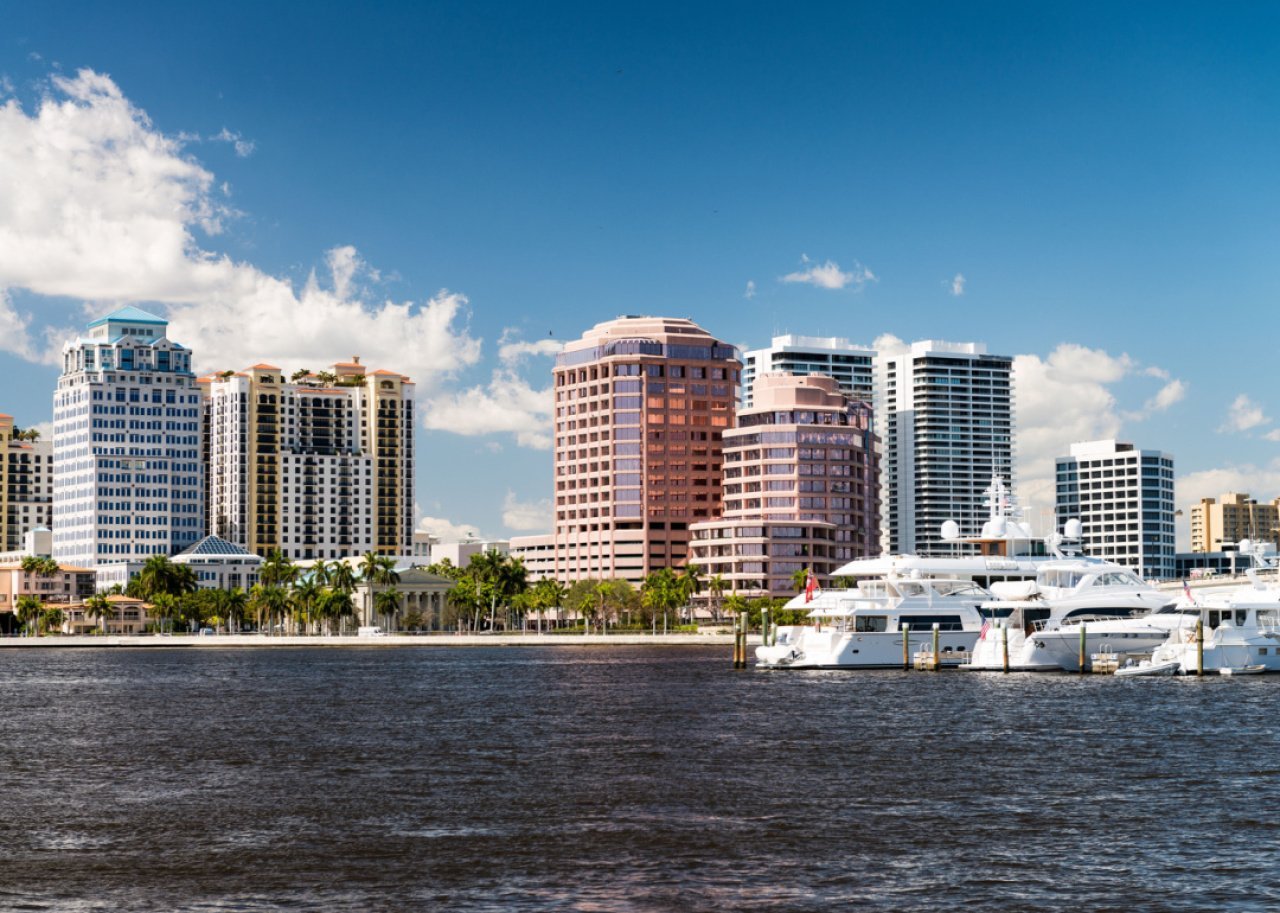
#7. Miami
- Total score: 57.69
- Wallet friendliness rank: 240
- Social environment rank: 5
- Academic and economic opportunities rank: 162
Colorful Miami hosts students from several colleges and universities. The University of Miami, Barry University, and Florida International University all enjoy the city as their backdrop. The lure of attending school in one of America's most famous nightlife destinations is obvious, and the warm weather and diverse cuisine make it an easy choice for thousands of students every year.
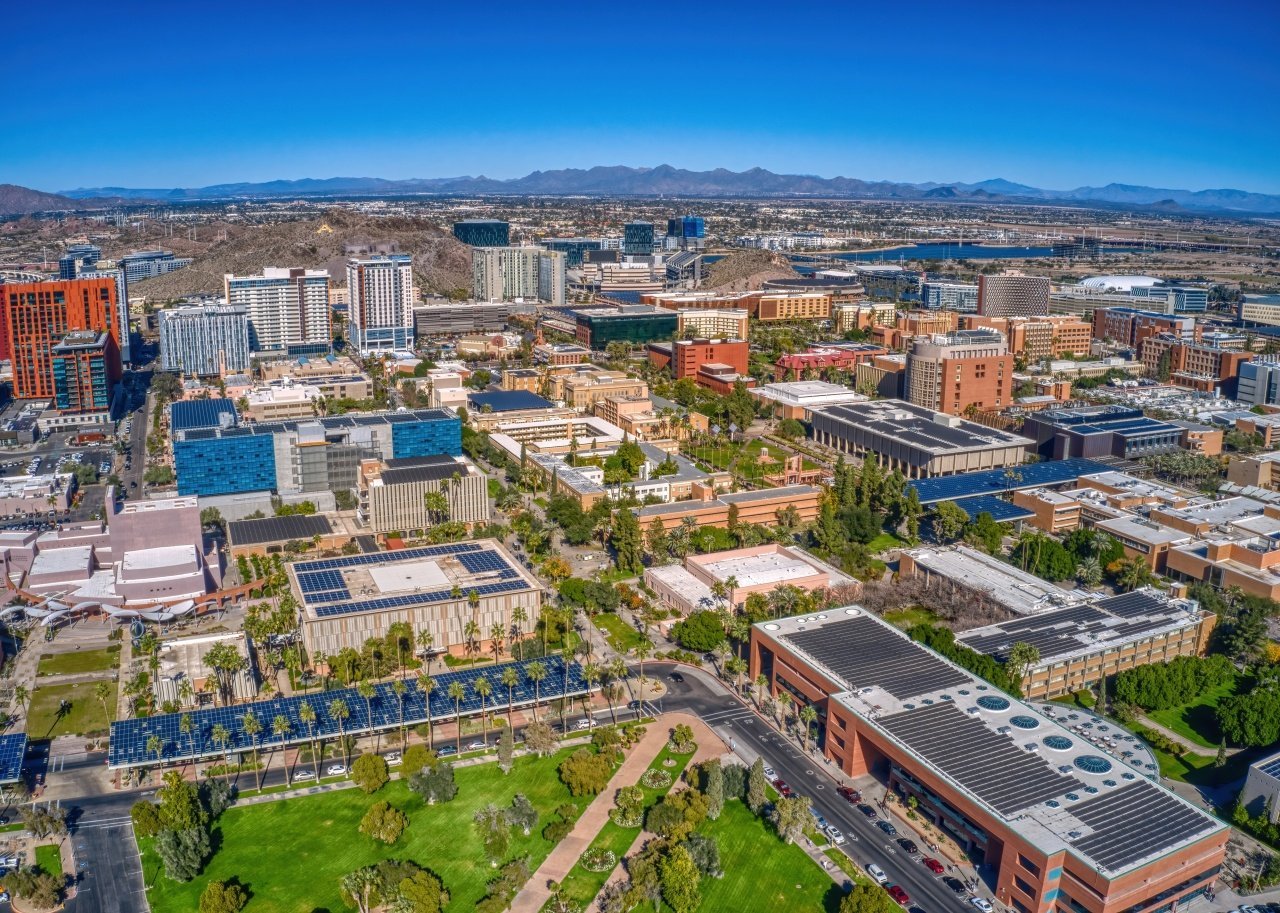
#6. Phoenix
- Total score: 58.54
- Wallet friendliness rank: 204
- Social environment rank: 76
- Academic and economic opportunities rank: 45
Phoenix may be notorious for its scorching heat, but that doesn't mean students of Grand Canyon University, the neighboring Arizona State University, and Arizona Christian University won't find much to love. The unique climate allows the Valley of the Sun to boast attractions such as the Desert Botanical Garden and Camelback Mountain. At the same time, students can also take advantage of the city's diverse culture. The Heard Museum has 12 galleries of Native American art and installations and an outdoor sculpture collection.
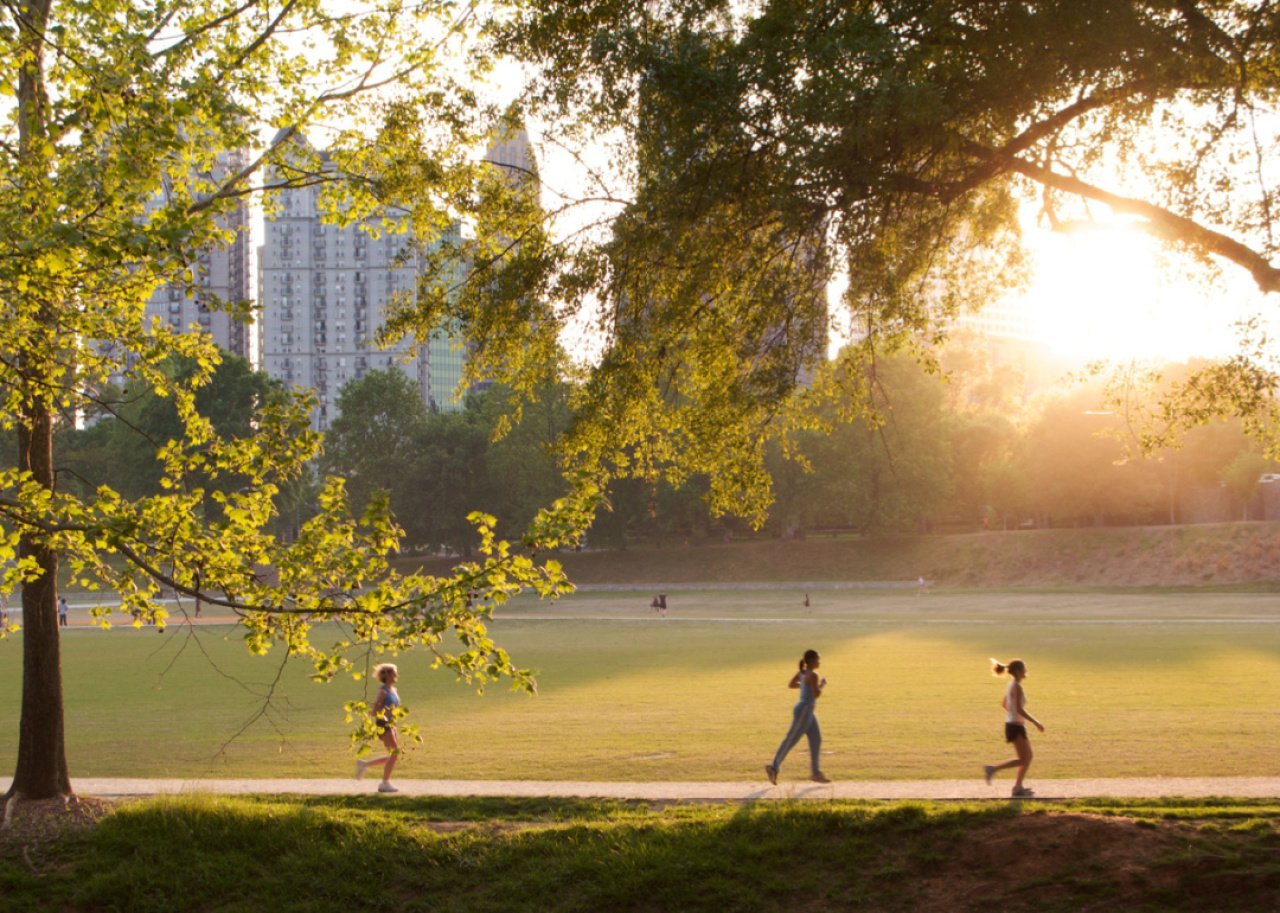
#5. Atlanta
- Total score: 58.92
- Wallet friendliness rank: 259
- Social environment rank: 1
- Academic and economic opportunities rank: 133
Home to the highly ranked Emory University and Georgia Institute of Technology, Atlanta also has a significant concentration of HBCUs, including Morehouse College, Spelman College, and Clark Atlanta University. The city is known for its nightlife and a relatively affordable cost of living. Students can fill their downtime with visits to museums and theaters, Underground Atlanta, and The King Center.
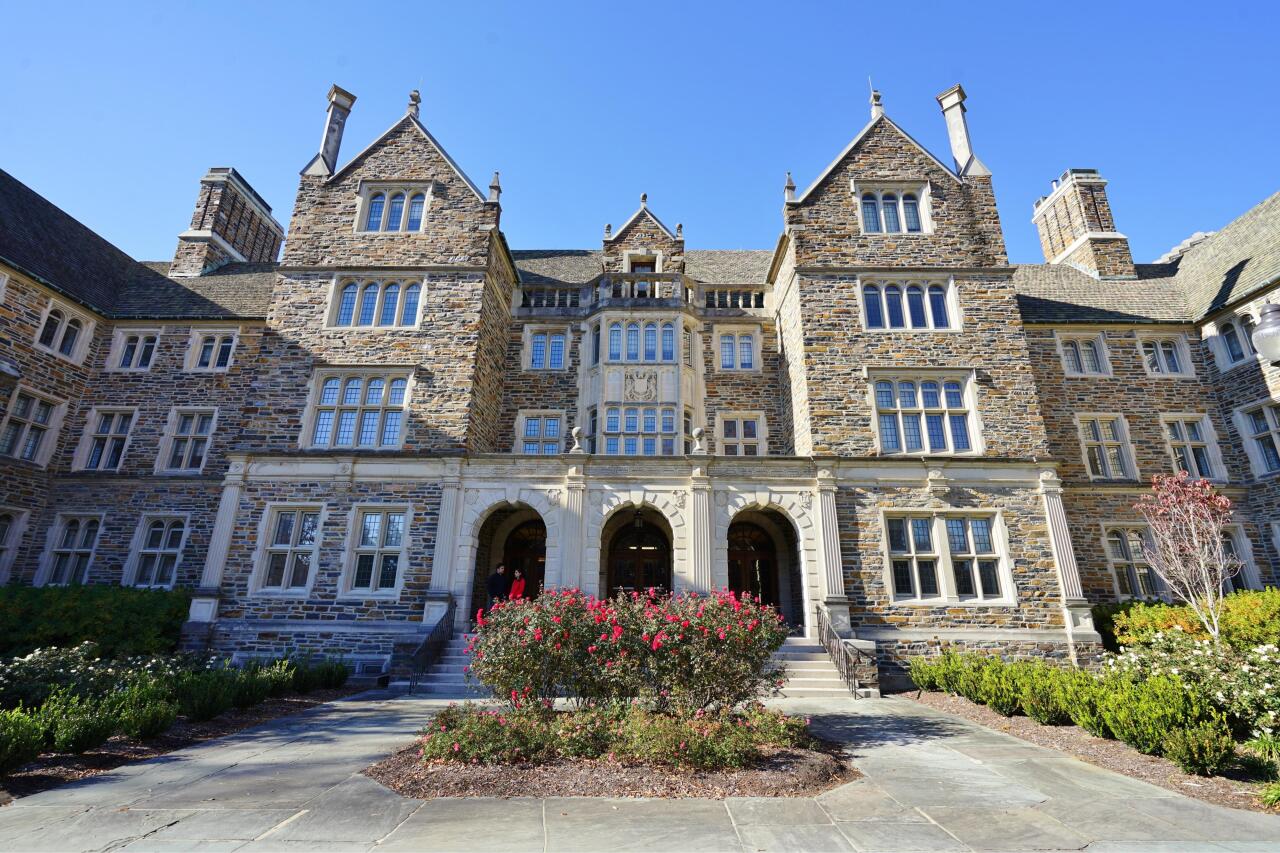
#4. Raleigh, North Carolina
- Total score: 60.99
- Wallet friendliness rank: 176
- Social environment rank: 29
- Academic and economic opportunities rank: 63
Raleigh, North Carolina, the state's quaint but vibrant capital, attracts students to several schools, including North Carolina State University, William Peace University, and HBCU Saint Augustine's University. The nearby Duke University and the University of North Carolina at Chapel Hill complete Research Triangle Park with NC State. Fayetteville Street and Glenwood South are popular among Raleigh locals for their bars and coffee shops, and the city's bus service is easy to navigate.
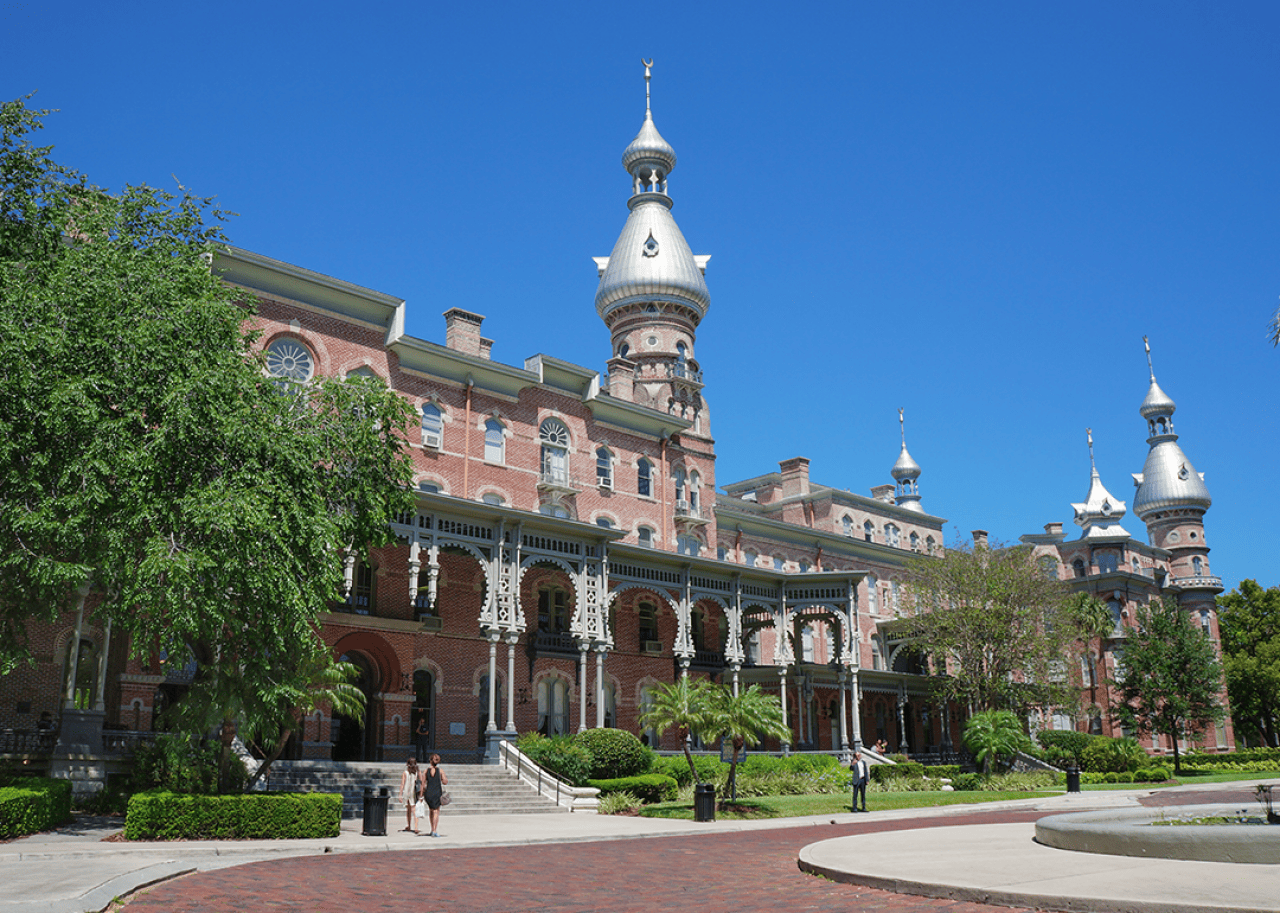
#3. Tampa, Florida
- Total score: 60.99
- Wallet friendliness rank: 161
- Social environment rank: 7
- Academic and economic opportunities rank: 127
Two schools bring college students to Tampa, Florida: the main campus of the massive, public University of South Florida and the smaller, private University of Tampa. Warm weather year-round and a relatively low cost of living make the city a popular destination. Tampa is also a major cruise port and tourist destination, providing ample opportunities for those looking to enter the hospitality industry.
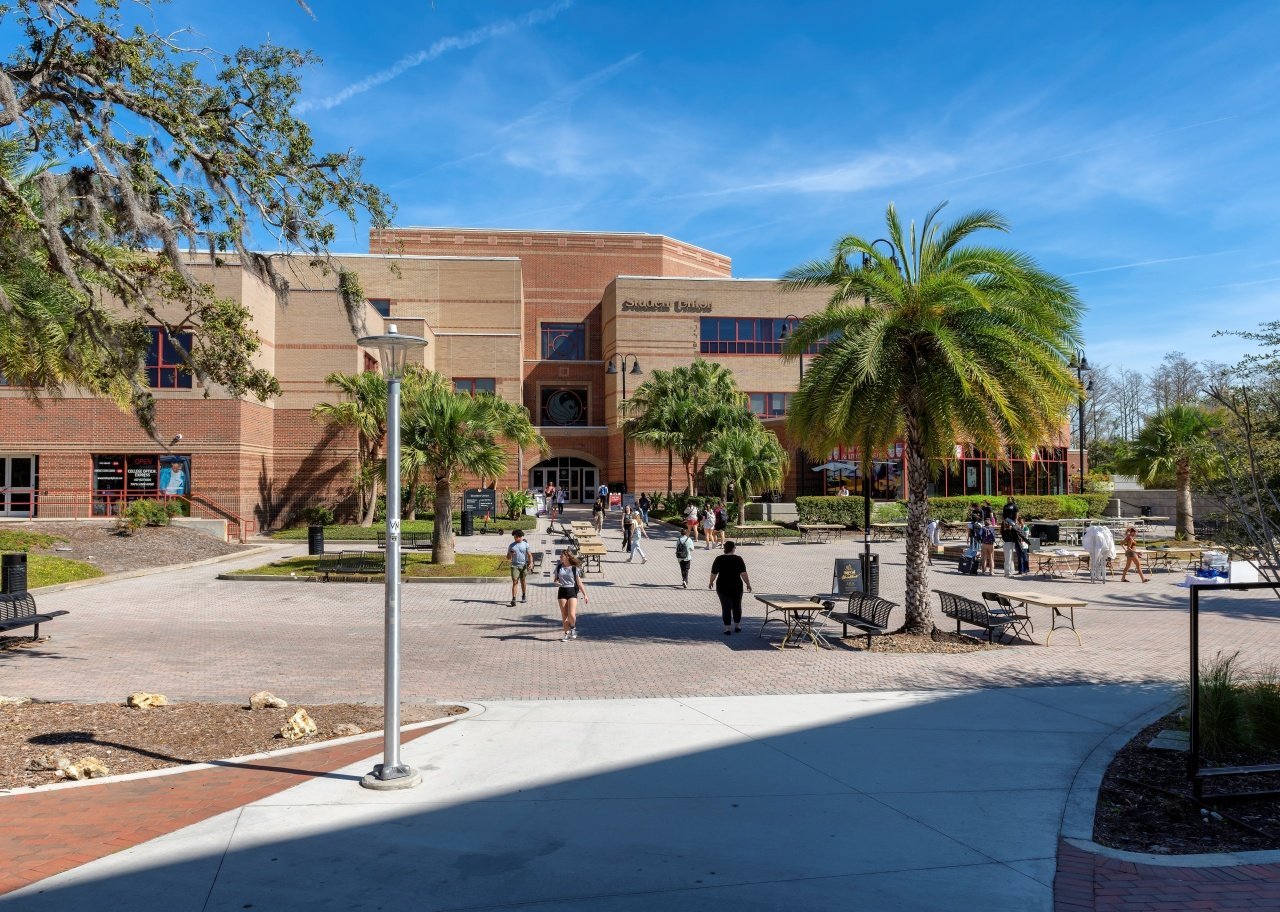
#2. Orlando, Florida
- Total score: 62.35
- Wallet friendliness rank: 164
- Social environment rank: 3
- Academic and economic opportunities rank: 94
Orlando, Florida, is home to more than Walt Disney World and Universal Studios, though students who call the city home will find no shortage of theme parks. The city's schools include the University of Central Florida, Valencia College, and neighboring smaller institutions. Orlando is also an hour drive to beach towns like Cape Canaveral and Cocoa Beach—or you can opt to stick around and check out all the city has to offer from the vantage point of the Orlando Eye.
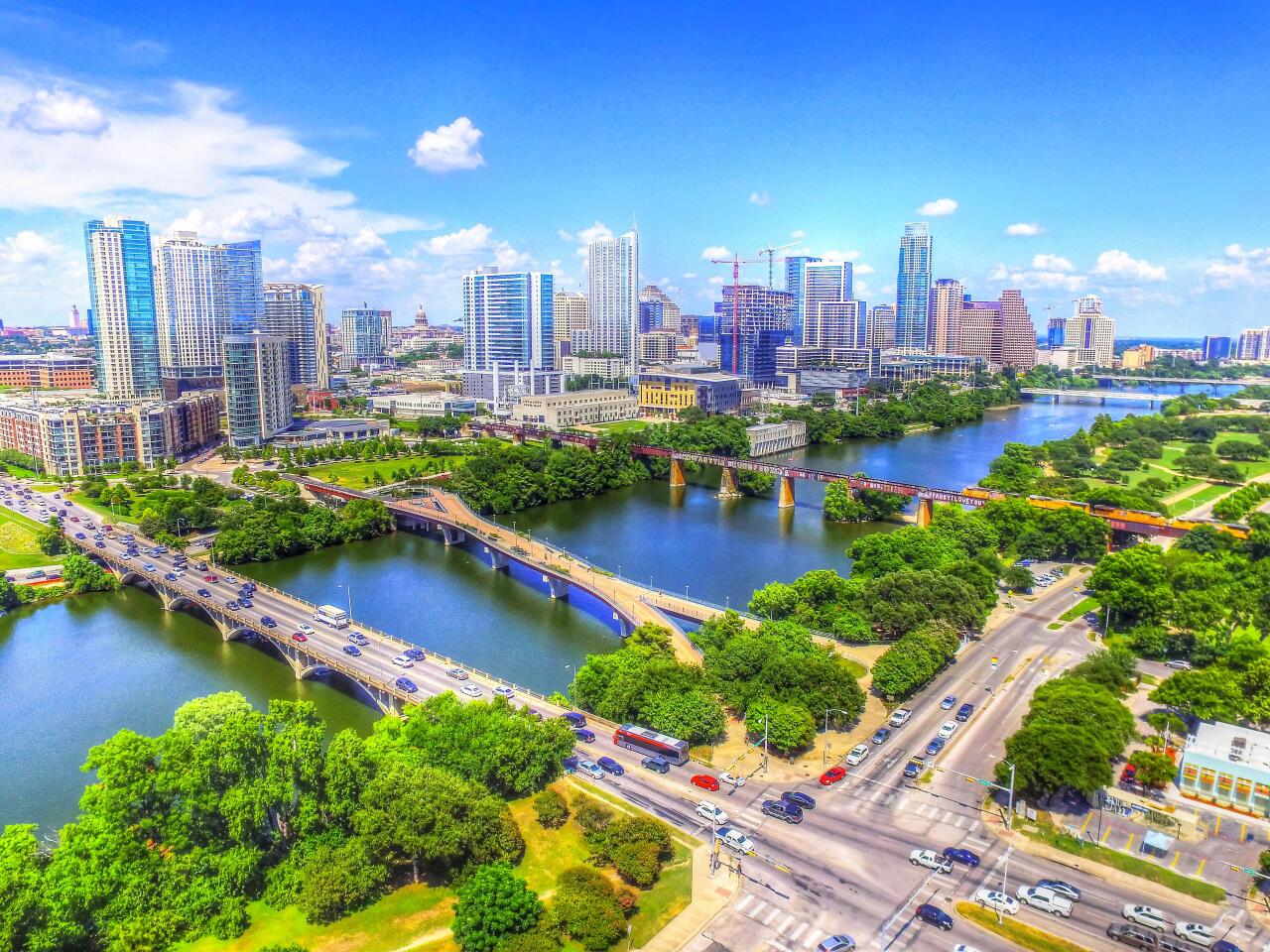
#1. Austin, Texas
- Total score: 65.16
- Wallet friendliness rank: 191
- Social environment rank: 17
- Academic and economic opportunities rank: 14
It's no surprise that Austin, Texas, with its distinct counterculture, vibrant nightlife, hot culinary scene, and innumerable music venues, ranks as the best big college town in the United States. College students have taken notice: The University of Texas at Austin has more than 40,000 undergraduates alone. Add in grad students and those attending other schools in and around the area—including St. Edward's University and Huston-Tillotson University—and it's clear that Austin is a major college town.
Data reporting by Wade Zhou. Additional writing by Jill Jaracz. Story editing by Mike Taylor. Copy editing by Meg Shields. Photo selection by Clarese Moller and Elizabeth Ciano.
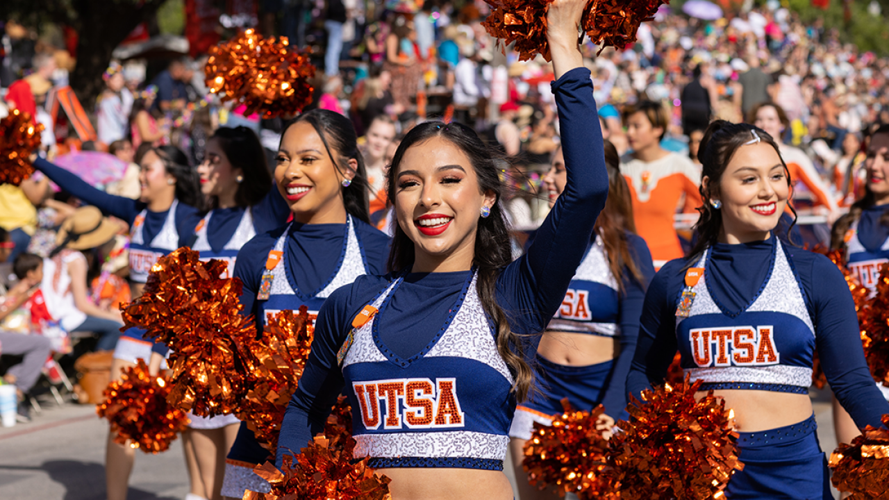
The University of Texas at San Antonio Marching Band performing at the Battle of Flowers Parade.