Summer may not officially be here, but really, it’s here.
Don’t delay to get those home systems in shape. Seasonal upkeep and looking for possible problems could avoid major headaches with the heat, rain and wind.

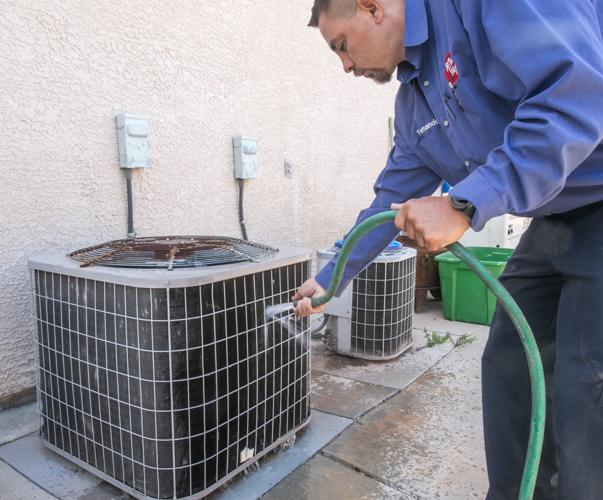
Hose down the condenser fins on the outdoor air conditioner. Clear away any brush or branches from it.
AIR CONDITIONER
Even if you’ve already turned your air conditioner on, it’s good to get it inspected and serviced.
“You should get a thorough evaluation every year,” says Aaron DeDecker, service manager at Rite Way Heating, Cooling and Plumbing.
Hose off dust that has settled on the outside unit called the condenser.
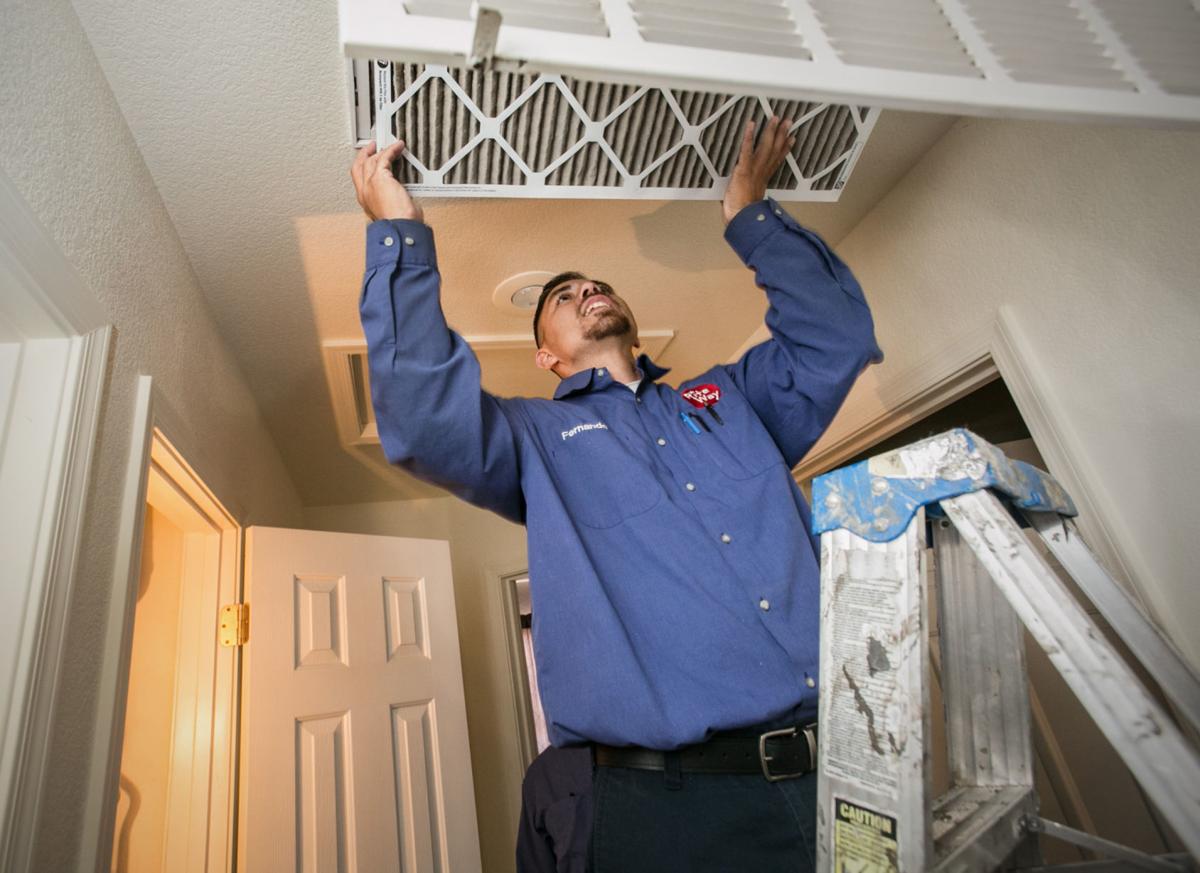
Make sure no weeds or bushes are growing against the condenser, DeDecker says. Keep plants two feet away and tree branches should not hang over it. Inside, make sure you start with a new air filter.
People are also reading…
Call for service if the air doesn’t feel as cold as it once was. “You’ll want to have it looked at right away,” he says. “(And) any whining or clunking sounds definitely need to be investigated.”

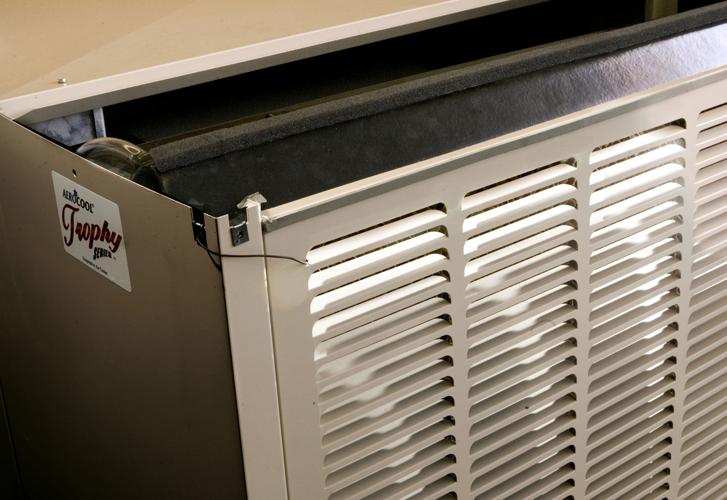
Aerocool Trophy Series cooler with a single side inlet.
EVAPORATIVE COOLER
DeDecker recognizes that most homeowners take care of their swamp coolers themselves. He says the best maintenance happens at the end of summer.
“Something important to add is when the season is over, don’t leave old cooler pads in the winter and fully clean out the bottom of the evaporative cooler,” he cautions, “so that all of those items are not rotting over the winter.”
For summer, install new cooler pads and clean the inside of the unit of dirt and debris. Make sure no critters like lizards or birds have made homes in the unit.
Check that the fan belt is tight, that bearings are greased and that the float is adjusted to the correct water level. Frayed or cracked fan belts should be replaced. Also replace motors that have burn marks.
Call for help if water is leaking or pooling, if you hear screeching or thumping noises, see smoke or smell burning.

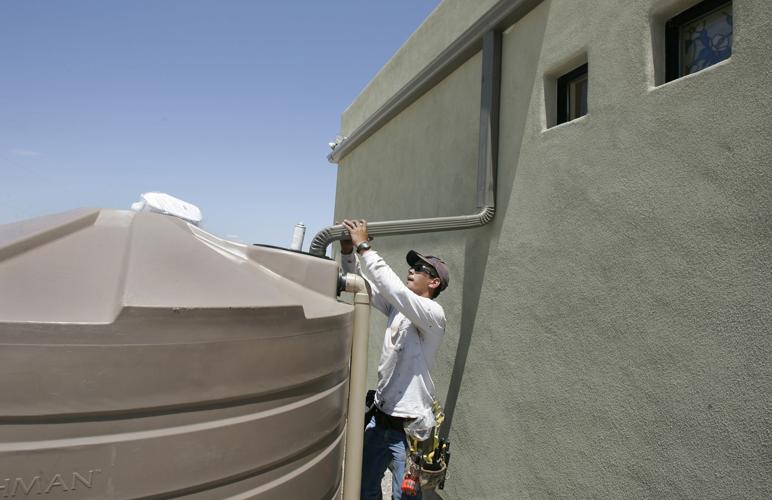
Check gutters and clean out the debris filter. Never go into your cistern but look inside for any debris.
RAINWATER HARVESTING SYSTEM
A pretty dry 2018 so far has emptied out some cisterns and tanks. If you haven’t used your rainwater collection system in a while, Lincoln Perino has some maintenance suggestions.
First, remove debris from your gutters, says Perino, owner of Ethos Rainwater Harvesting & Erosion Control.
“In the worst-case scenario, you need to get up on a ladder or roof and use a little garden hand trowel,” says Perino, who also is an instructor for Pima County’s Smartscape program and a water harvesting expert with Watershed Management Group.
Take a look that scupper boxes on flat roofs aren’t clogged.
Clean out the debris filter. “If the debris filter is clogged,” says Perino,” rain will go over the gutter or down on the ground.”
Never go into your cistern or tank, he cautions, but see if debris has gotten in. Use a shop vac or submersible pump to clean it out. Also make a visual check for leaks or algae.
Debris also is an issue for passive earthworks that capture and guide rainwater to plants. Make sure down spouts and pipes are not blocked. Put fallen rocks back into reinforced basin walls.
Usually, sediment that flows into basins isn’t a problem, Perino says, but monitor them to be sure they are holding the amount of water you expect them to.

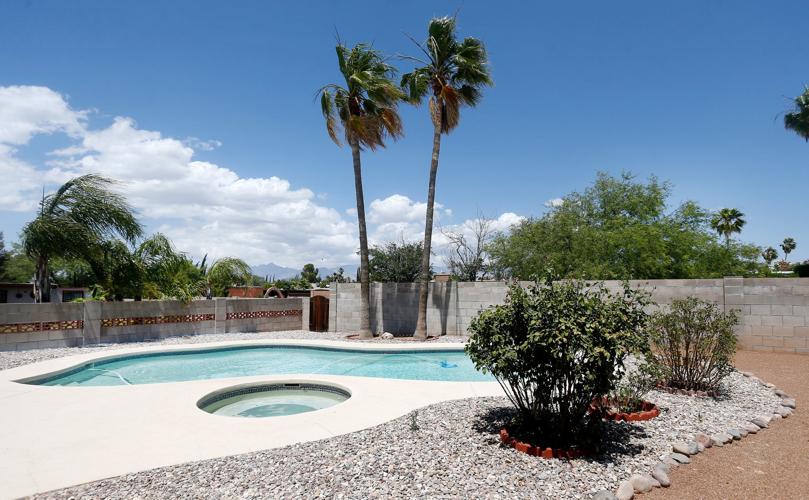
If you closed your pool for the winter, check the chemical levels, clean the filter and check for leaks.
POOL
If you close your pool for the winter, there are some things to do now.
“First thing I do is testing the water for pH, chlorine, muriatic acid and phosphate,” says Saul Andrade, owner of High Dive Pool Service.
Clean or replace dirty filters, check baskets to make sure they’re empty and skim the water to remove debris, he suggests. Change the pool filter sand if it’s been three to five years since the last switch.
If the water has been in the pool at least five years, consider changing it. Some pools can get chlorine lock. “The water is chemically altered so much, it can‘t take chlorine anymore,” he says.
It’s possible to treat pool water green with algae, but yellow or black algae will require emptying the pool for cleaning and treatment.
A crack doesn’t necessarily mean leaking, Andrade says. “Keep watch of your water level,” he suggests, as well as puddles around the pool or roots growing through cracks, all signs of a leak.
Don’t forget the safety fence, he says. Ensure the pool gate latch is working and that there isn’t anything nearby that can be used to prop the gate open.

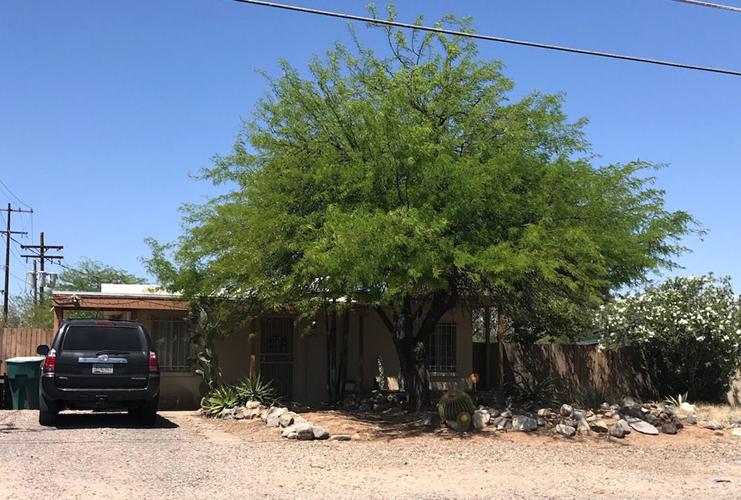
Mesquite tree in need of thinning to prepare for monsoon winds.
treeS
Monsoon winds can damage trees and trees moving in monsoon winds can damage property.
“If you don’t want to repair your roof or repaint your roof, pay attention to overhanging branches,” advises Mary Slachter, owner of Quality Tree Service.
Prune trees so that they are not scraping against buildings, she says.
A tree waving around a lot in the wind is a sign that it needs to be thinned out so that air blows through the canopy.
Take out any deadwood in the canopy and remove limbs that cross over another. Thin limbs that grow sideways “will snap off in a storm” and should be cut off, she says.
Make sure to cut away only about a third of the canopy for good health. Don’t shape it into an umbrella, which can cause wind to lift a tree out of the ground.
Keep the tree well irrigated along its root line, the area that extends as far as the canopy spreads, Slachter says. That will help the tree survive the heat.
SOLAR PANELS
Katharine Kent, owner of The Solar Store, says solar systems are really easy to maintain.
Dust isn’t a problem in Tucson, she says, but if you want to clean the panels, use distilled water and a good squeegee. Do your cleaning in the morning before the panels get warm.
Gently try to shake the panels. They shouldn’t move.
Make sure your inverter is working fine.
Check your electricity bill. If it’s higher than you expect, Kent says, there’s something wrong with your system.