
The Nasdaq ended sharply higher Thursday, as Micron Technology fueled a rally in chip stocks that eclipsed fears that renewed U.S. and Iranian attacks might prolong the Middle East conflict and fuel inflation.
Tehran said it hit U.S. military targets in Kuwait, Qatar and Bahrain following U.S. strikes against Iran the prior day.
The Nasdaq jumped 1.30%, ending the session at 26,206.89 points. The S&P 500 rose 0.81% to close at 7,543.66 points, while the Dow Jones Industrial Average climbed 0.27% to 52,487.41 points.
The PHLX chip index surged 3.06%, up for a second straight session.
Micron Technology jumped 4.5% after the company laid out plans to invest more than $250 billion in the U.S. through 2035, to benefit from demand for memory chips to supply the boom in artificial intelligence.
People are also reading…
Applied Materials climbed 3.2% and Sandisk surged 7.6%.
AI-related stocks were volatile lately as investors worried about the sustainability of a rally that helped Wall Street reach record levels this year.
"This is still very much an AI bull market. For a bit, it was starting to broaden out, but that's contingent on oil prices and interest rates staying anchored, and with this flare-up in the Middle East, that calls that part of the bull market into question," said Ross Mayfield, investment strategy analyst at Baird in Louisville, Ky.
Meta Platforms rose after Reuters reported that the company plans to manufacture AI chips starting in September.
Seven of the 11 S&P 500 sector indexes rose, led by information technology, up 1.65%, followed by a 1.46% gain in consumer discretionary.
After Thursday's gains, the S&P 500 is up about 10% for the year and remains down less than 1% from its June 2 record-high close.
With quarterly reporting season set to get underway, analysts on average expect S&P 500 earnings to increase 24% year-over-year, with technology companies accounting for much of that increase, according to LSEG Institutional Brokers' Estimate System.
The S&P 500 is trading at about 20 times expected earnings, down from 21 a month ago.
The number of Americans filing claims for unemployment benefits fell last week, suggesting the labor market remained stable despite a slowdown in job growth in June.
The Federal Reserve kept interest rates unchanged at its June meeting, under new Chair Kevin Warsh, but minutes released Wednesday showed a few policymakers saw a case for raising borrowing costs before ultimately agreeing to hold steady.
PepsiCo fell 3.3% despite the snacks and soda giant beating second-quarter revenue estimates.
Costco Wholesale's shares sank 4.2% to a six-month low after the retailer reported decelerating comparable sales for June.


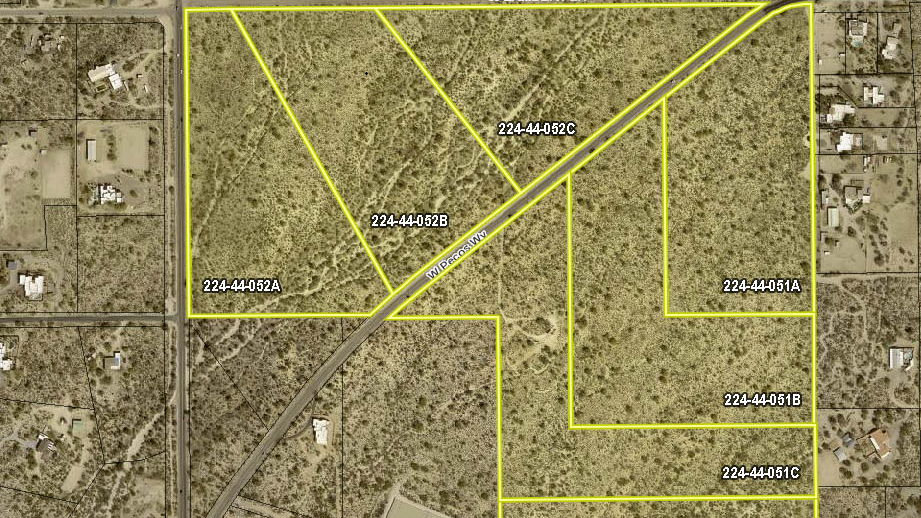
 101 homes to be built on NW Tucson corner