

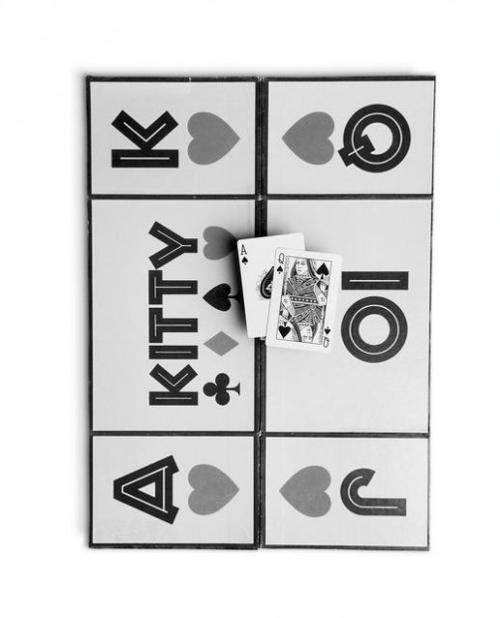
Sure you know about Monopoly. Who among us can't picture the little guy in stripes and a mustache on the "Get Out of Jail Free" card?
But before there was Monopoly there was Tripoley, a board game produced by a family-owned Chicago toy company.
Even if you didn't play the game, if you were in Chicago in the '60s and '70s you might have seen "Play Tripoley" painted on the side of the now-razed building the company once occupied at 310 W. Polk St.
This year, Tripoley celebrates its 75th birthday, no small achievement in an entertainment universe that makes a humble board game seem charmingly quaint, if not positively primitive.
The game is still a steady seller, even though there's no video, no controller, no thumbs of steel, no maddening trips to Best Buy to purchase the latest digital version of miscellaneous mayhem.
People are also reading…
Cadaco's Tripoley is the essence of a simpler time when families gathered at the kitchen table after the supper dishes were cleared for a vintage board game. Or perhaps cocktails and some neighborly wagering around a card table?
For many years all you needed was $1.99 for the board, plus a deck of cards and somebody to explain the rules (which sound complicated but aren't too bad once you get the hang of it). Today, a Tripoley game (made in China now) costs less than a single Xbox disc.
This gaming classic is a combination of Michigan Rummy, Hearts and Poker that first came in a red plaid box and billed itself as "The Game of Kings and Queens." There was even a small wartime version called the "service edition."
For better or worse, there are three generations out there who will tell you that their very first experience playing cards was with Tripoley.
If you look around the Internet, it's easy to find Tripoley testimonials. It would be hard to top this one: "The fun is endless."
The real deal:
A board game called Tripoley celebrates 75 years.
• During WWII, Monopoly game boards smuggled into POW camps contained escape maps and compasses. Stacks of Monopoly money concealed real money for escapees.
• Playing cards were invented in China and featured coins, then moved to the Islamic empire where cups and swords were added, and then into Europe (kings, knights, etc.). Some card packs in Italy, Germany, Spain and Switzerland do not feature queens.
Source: Hasbro, International Playing Card Society


