As much as we relish the rhythms of Southern Arizona’s annual monsoon, the occasional flash of lightning and clash of nearby thunder remind us Mother Nature is writing the score.
Her power can often be seen in literature, too. Hundreds of popular books have been framed by the uncertainties of nature. If you are looking for a good rainy-day read, volunteers with the Tucson Festival of Books suggest these:
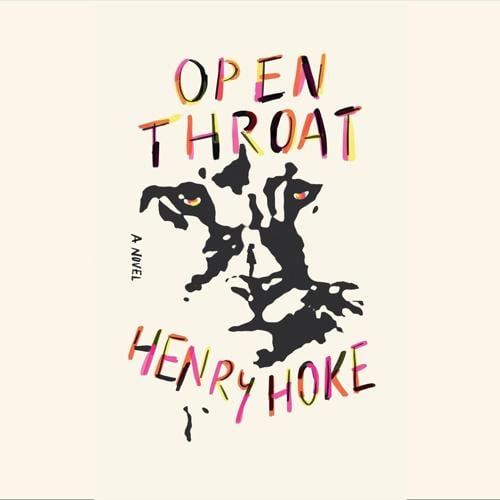
“Open Throat” by Henry Hoke is a remarkably creative novella narrated by a mountain lion living near the “Hollywood” sign in a drought-ravaged Los Angeles. When a wildfire forces it to flee into the city, Hoke’s thoughtful lion is able to see modern life and reflect on the human condition. — Meg Files

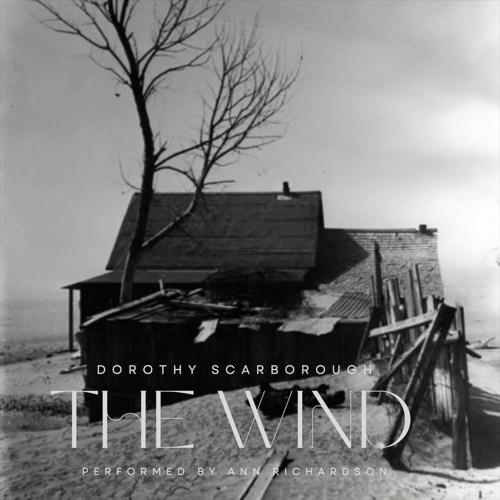
“The Wind” by Dorothy Scarborough features a woman who is driven to the brink of madness by the relentless West Texas wind. Published anonymously in 1925, it stirred controversy for being at odds with the romantic image of a bucolic West. It remains a mesmerizing, unsettling read. — Bruce Dinges
People are also reading…

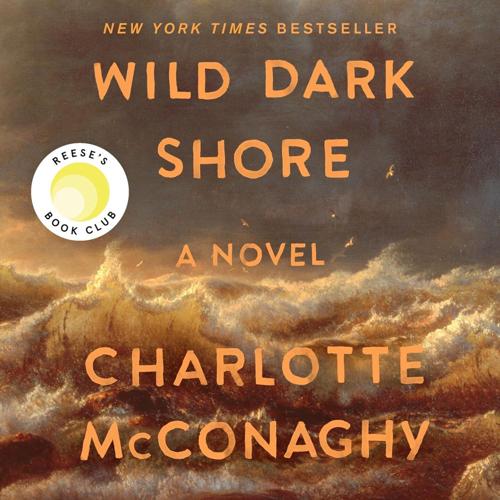
“Wild Dark Shore” by Charlotte McConaghy is set in a small town on a tiny island not far from Antarctica. Once the home for a community of research scientists, rising sea levels have reduced the population to a single family. Then, during a major storm, a mysterious woman washes ashore. — Shannon Baker

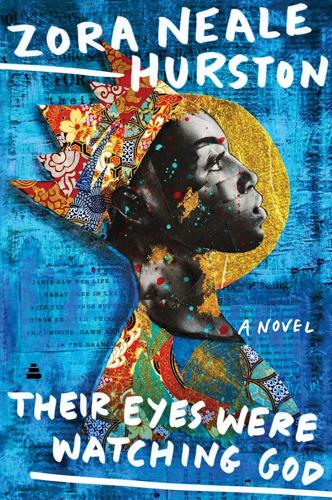
“Their Eyes Were Watching God” by Zora Neale Hurston was published in 1937 and is now considered a pillar of Black American literature, a novel about Janie Crawford’s search for love and independence. The title comes from lessons learned when a devastating hurricane hits Florida. — Jessica Pryde

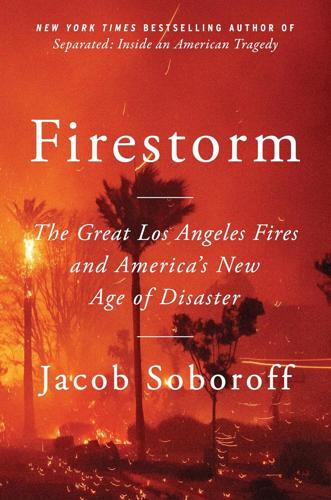
“Firestorm” by Jacob Soboroff is a first-person report from the wildfires that swept through Los Angeles in January of last year. A reporter for MS Now, Soboroff grew up in Pacific Palisades. He reported the story live from the scene, at one point from the smoldering remains of his brother’s home. — Pamela Treadwell-Rubin

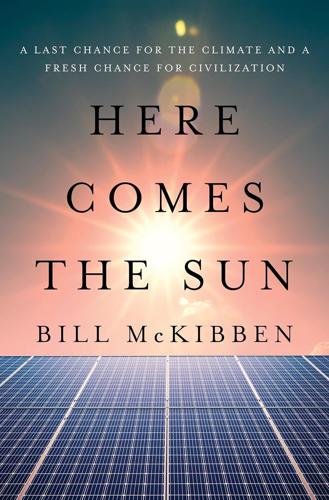
“Here Comes the Sun” by Bill McKibben looks for a silver lining that surrounds the threat of global warming. Higher temperatures and increasing winds make renewable energy more appealing than ever. If we would redouble our efforts to produce solar and wind-driven power, there might be hope for us after all. — Lynn Wiese Sneyd

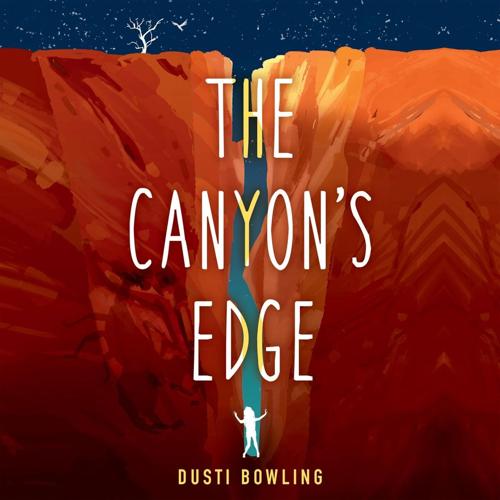
“The Canyon’s Edge” by Dusti Bowling is a middle-grade novel that takes a girl named Nora on a camping adventure with her father in Arizona. They find themselves hiking in a box canyon when a flash flood washes away their supplies … and Nora’s dad. Part survival story, part adventure, part psychological thriller, “The Canyon’s Edge” is 100% an edge-of-your-seat read. — Kathy Short

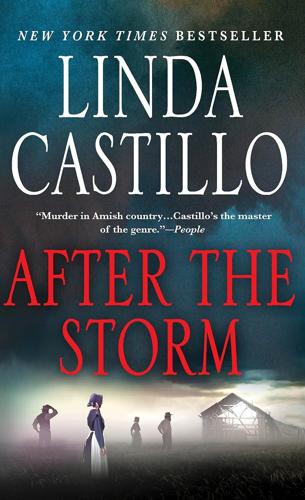
“After the Storm” by Linda Castillo begins with a tornado that rips through a small town in Ohio, unearthing a set of human remains. When authorities discover the cause of death was no accident, police chief Kate Burkholder finds herself pursuing a murder case now 30 years old. — Tricia Clapp

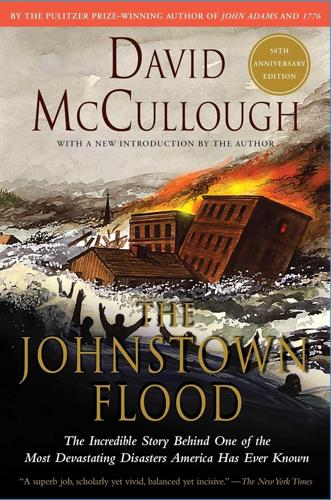
“The Johnstown Flood” was David McCullough’s first book, a vivid account of the flood that obliterated Johnstown, Pennsylvania, in 1889. Published in 1968, “The Johnstown Flood” quickly established McCullough as one of America’s most important modern historians. — Gay Vernon

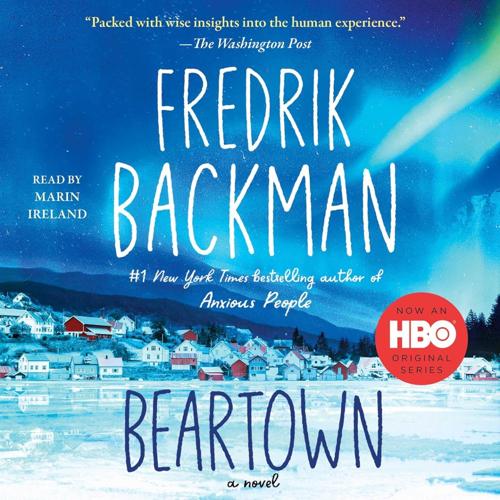
“Bear Town” by Fredrik Backman is the first in a three-volume trilogy that centers around a junior hockey team in the fictional small town of Beartown, in the forests of northern Sweden. Hockey is the thing that unites the whole town, and hockey is what could destroy it. — Bill Viner

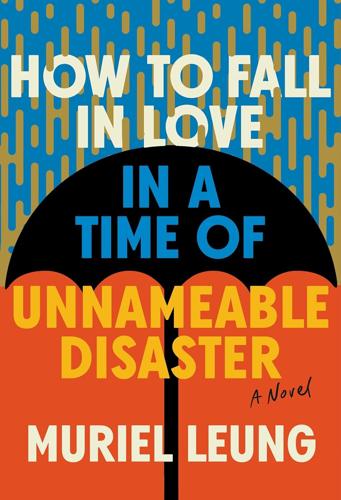
“How to Fall in Love in a Time of Unnameable Disaster” by Muriel Leung is a futuristic tale set in New York City, now a toxic wasteland after a series of acid rainstorms. The book takes place in a single apartment building, and one of the characters is the ghost of a cockroach. It is a charming, poignant, tender book about connection. — Christine Bollow

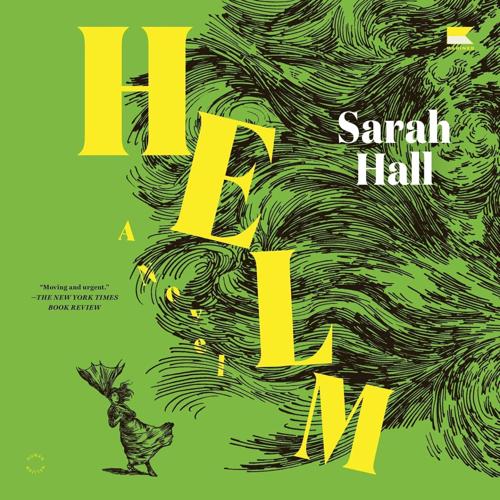
“Helm” by Sarah Hall takes us to Cumbria, a region in northwest England where the wind is so persistently intrusive it has a name. “The Helm Wind” is often accompanied by thick, towering clouds that settle over the area like a helmet. Hall uses the weather to frame a playful, moving invitation for us to reconsider our place in the natural world before we destroy it. — Cameron Quan

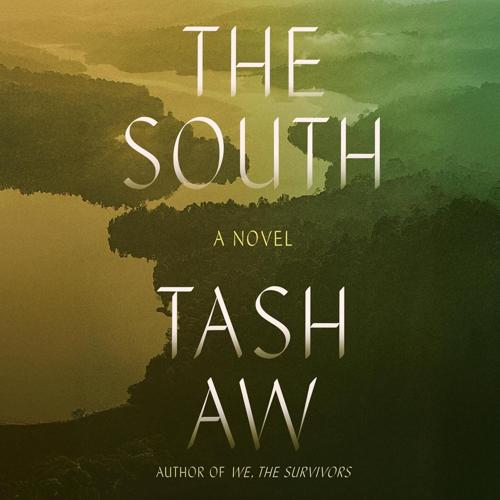
“The South” by Tash Aw is the story of a boy whose family has inherited a once-flourishing farm in Malaysia. Once there, they discover that drought has damaged most of the fruit trees … and many of the people, too. — John Birdsall

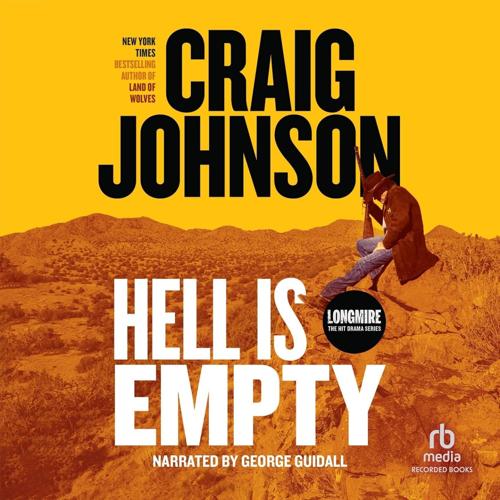
“Hell is Empty” by Craig Johnson is among the many Walt Longmire tales that pit the sheriff against the elements in Absaroka County, Wyoming. This time he is accompanying a confessed murderer to the victim’s burial site when engulfed by a mid-winter blizzard. — Darrell Durham

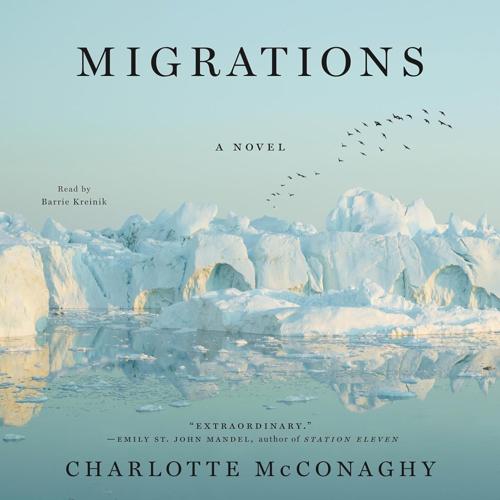
“Migrations” by Charlotte McConaghy explores the disappearance of wildlife because of climate change. As part of that journey, we then follow the last Arctic Terns on their final migration to Antarctica. — Pamela Clarridge