The Australian tourist trail is paved with places full of main-character energy, like cosmopolitan Sydney, the Great Barrier Reef and the red rock of Uluru in the heart of the Outback.
Lesser-known Adelaide, the country’s fifth-largest city, has long lurked on the edges of the spotlight. But a recent return visit convinced me it’s time for this understudy to take the stage.
I spent a few rather unremarkable days in Adelaide nearly 20 years ago, before embarking on an Outback adventure in the Flinders Ranges mountains. When I went back this past February, it felt like I was seeing the city for the first time. South Australia’s once-quiet capital has livened up in recent years, and the buzz keeps building. Adelaide landed on the list of the best places to go in 2026 by CNN, Afar and Frommer’s, among other fans.
“I’ve always loved Adelaide, but it’s way cooler now than when I grew up here,” said Katina Vangopoulos, the 36-year-old founder of Flamboyance Tours. “After university, I moved away and lived other places. But like a lot of people my age, I came back because it’s so livable and there’s so much to do.”
People are also reading…
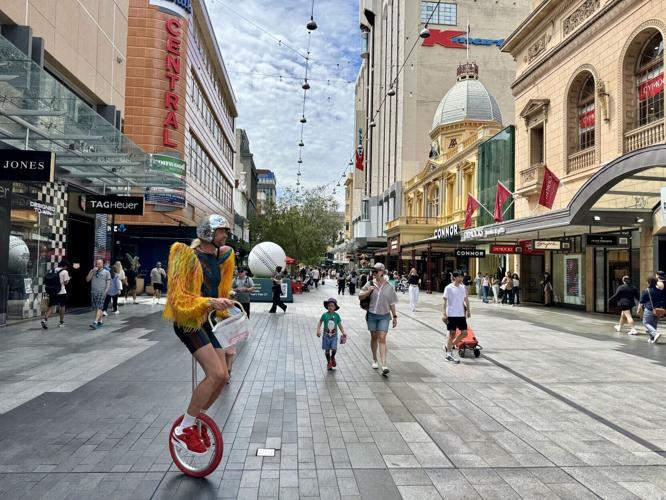
Her company specializes in small-group walking tours focused on everything from Chinatown food and East End wine bars to downtown highlights, like the pedestrian-only Rundle Mall shopping corridor. She also runs tours in nearby Port Adelaide, where a former brownfield site has been transformed into an inviting Aboriginal cultural center that debuted last year.
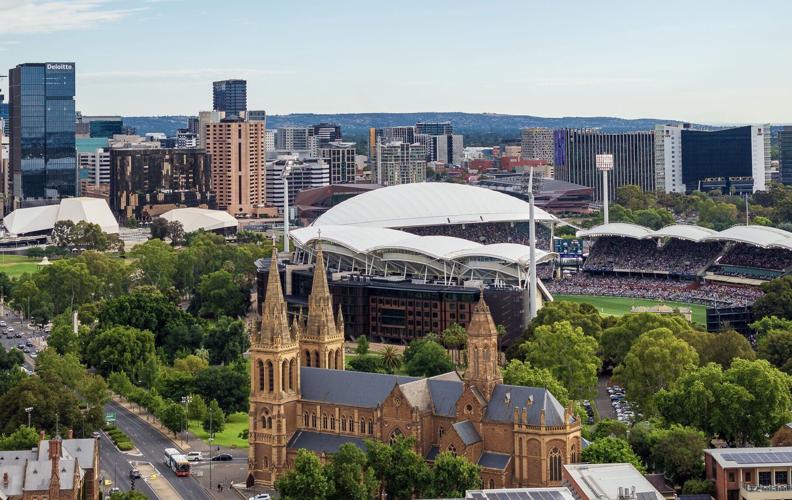
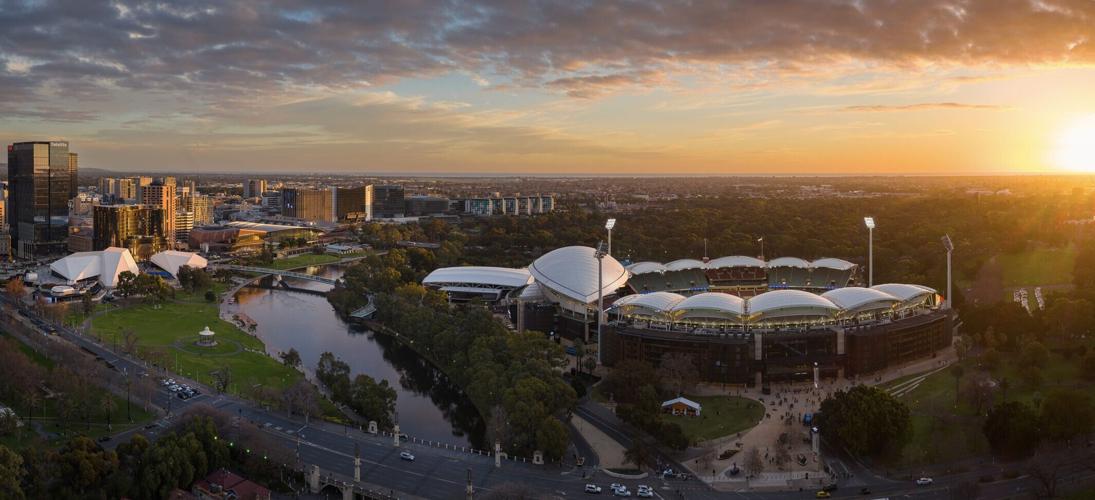
Seeds planted in Adelaide in the past decade have born plenty of fruit. An overhaul of the Adelaide Oval sports venue into a multipurpose stadium seating more than 50,000 people invigorated the nearby downtown. Loosened licensing laws for small bars led to a wave of new watering holes, like the Art Deco-inspired speakeasy Maybe Mae. The Street Art Explosion project added a creative vibe and dozens of colorful murals to the urban landscape.
These days, Adelaide’s yawn-inducing City of Churches nickname seems outdated. But its longstanding reputation as the festival capital of Australia remains firmly on brand.
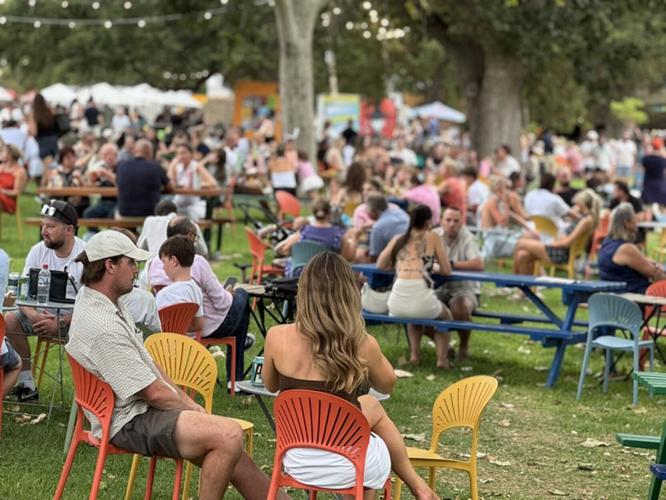
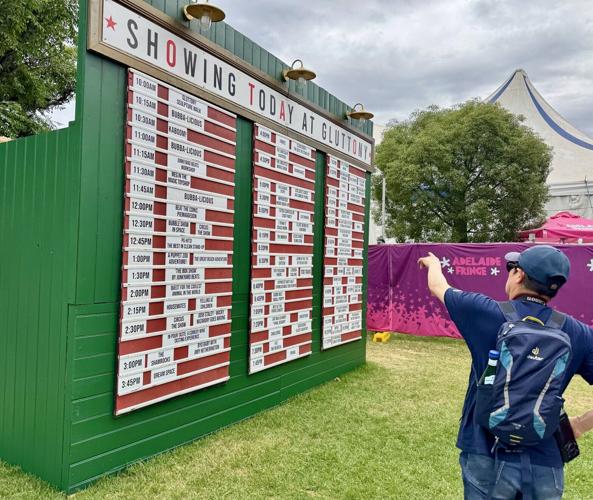
So-called Mad March is peak festival season, when the city’s robust events calendar reaches a fever pitch. The newly renovated Adelaide Festival Centre hosts internationally acclaimed theater, music and dance performances during an annual arts event that overlaps with Adelaide Fringe. The latter ranks as the biggest arts festival in the Southern Hemisphere, second in size only to Edinburgh Festival Fringe in Scotland. Stand-up comedy sets, circus acts, cabaret and other shows are peppered throughout the city during the monthlong fringe fest, scheduled for Feb. 19-March 21 next year.
Early March, the start of austral autumn, marks another popular yearly occurrence: WOMADelaide, an outdoor event where music, art and dance from around the world get showcased at Botanic Park.
Any time of year, the park is a prime place to spot thousands of gray-headed flying foxes hanging upside down in the trees. Australia’s largest native bat is a relative newcomer to Adelaide. The flying mammals moved here after climate change reduced their food and shelter options in the country’s eastern states.
Adelaidians are rightfully proud of their ample greenspace. They’re quick to point out that the city was built inside a park. A figure eight-shaped emerald buffer encircles downtown and North Adelaide, creating an expansive trail network in this walkable city.
The crown jewel of its urban trails stretches from the foot of the Adelaide Hills all the way to the coast. I meandered for miles along the tranquil River Torrens Linear Park Trail as it followed its namesake waterway through the heart of the city. The path eventually ends in suburban West Beach, where the river empties into an inlet of the Indian Ocean. A long string of pale sand beaches, boardwalks and waterfront towns lies just west of the city.
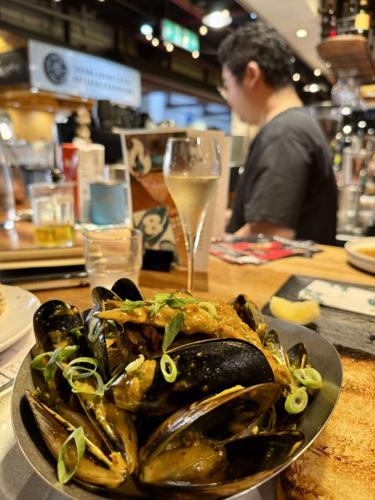
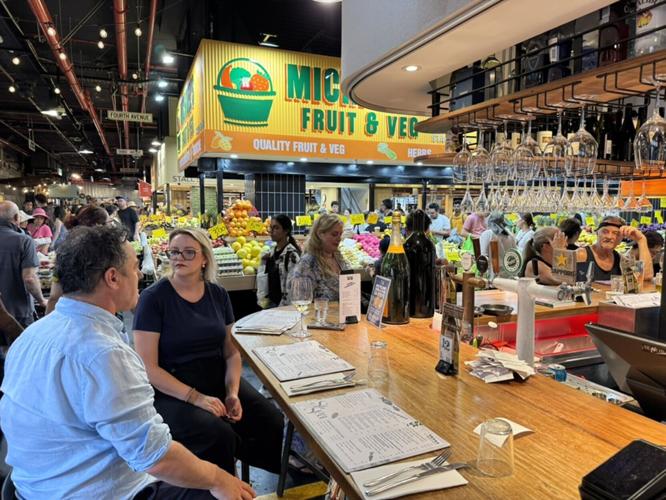
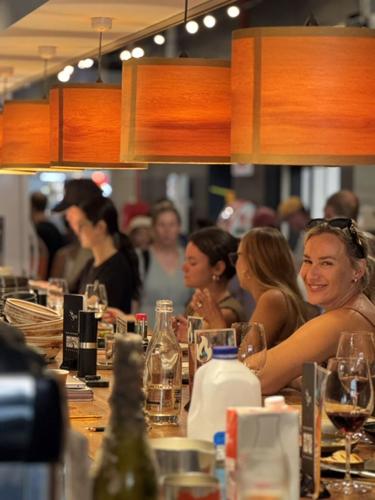
I probably logged a few more miles walking around the food stalls at Adelaide Central Market, billed as the most visited tourist attraction in South Australia. Locals and out-of-towners flock to this 19th-century emporium to grocery shop and to gorge on flaky meat pies and platters of paella or tasty kingfish sashimi and Thai-style mussels at Si Sea, one of the market’s 70-plus vendors.
More than 50 new purveyors will join them later this year, when construction wraps up on a massive expansion project that will double the size of the market. Those plans also call for a Treehouse Hotel to open here in early 2027. The 248-room property will be the first Australian outpost for the whimsical, nostalgia-fueled hotel brand.
Part of Adelaide’s appeal is that it’s a convenient jumping-off point for other attractions in South Australia, like the Barossa Valley wine region and Kangaroo Island.
Unlike my previous visit to the mountains 20 years ago, this time I left Adelaide to venture west, mostly to play in the water around South Australia’s wild and rugged Eyre Peninsula.
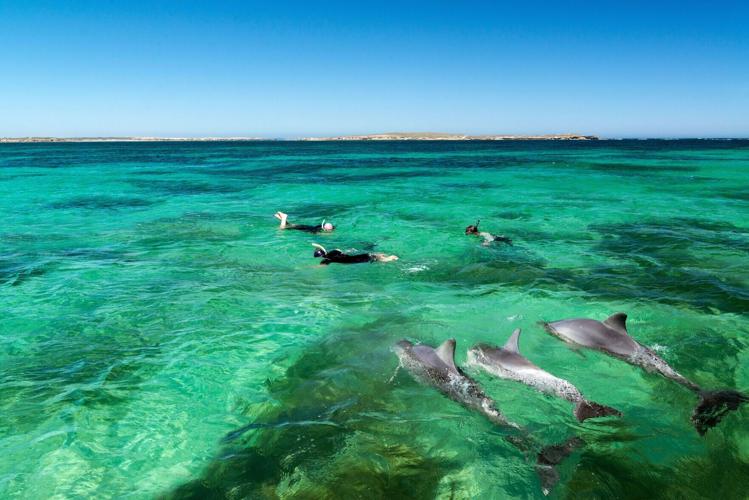
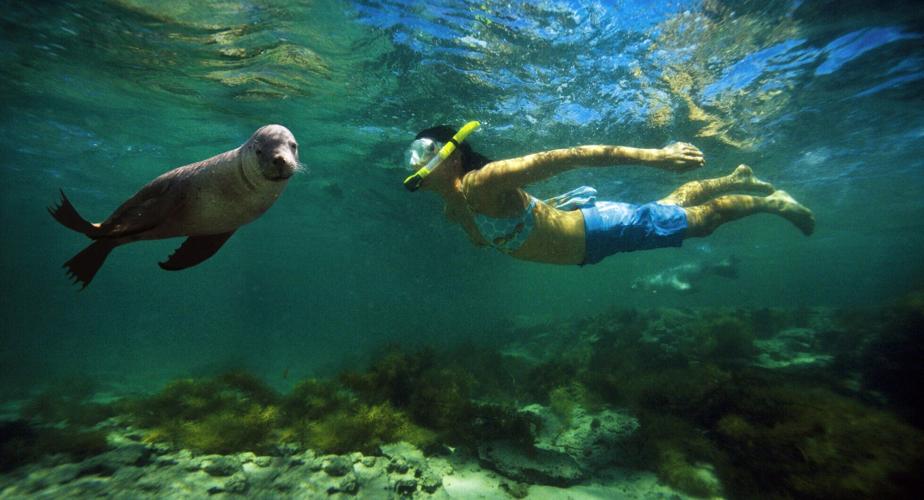
That’s where I took an unforgettable swim with dolphins and sea lions in Baird Bay. A boat whisked our small group to a sea lion colony at Jones Island, where we loitered in shallow water until the curious pinnipeds came out to join us. We watched the aquatic acrobats put on a show through our snorkel masks. Then we headed across the bay to deeper water and jumped in with a pod of dolphins that twirled and torpedoed below us.
The same company that operates the swimming excursions also has a few seaside houses in the fishing village of Baird Bay. The overnight accommodations are on a remote beach where you can ride e-bikes across the mini sand dunes and sip wine by the pool while waiting for a visit from the occasional kangaroo.
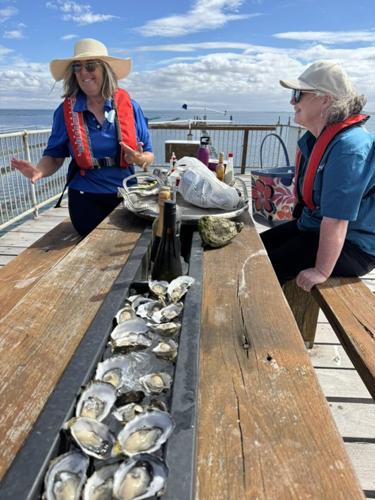
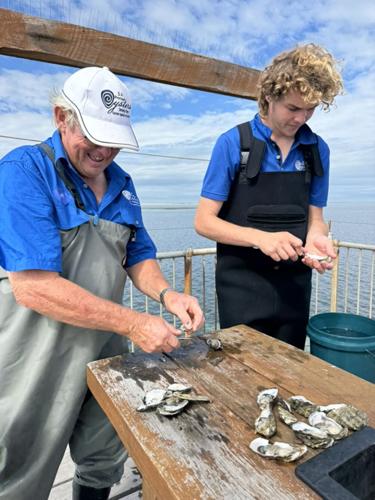
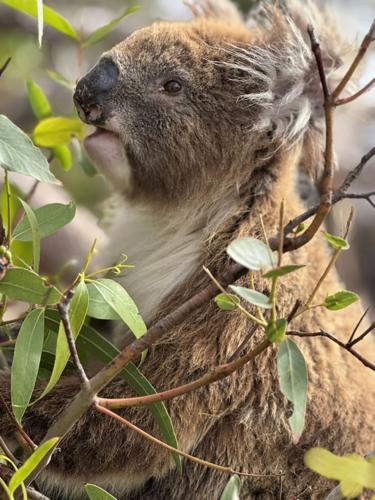
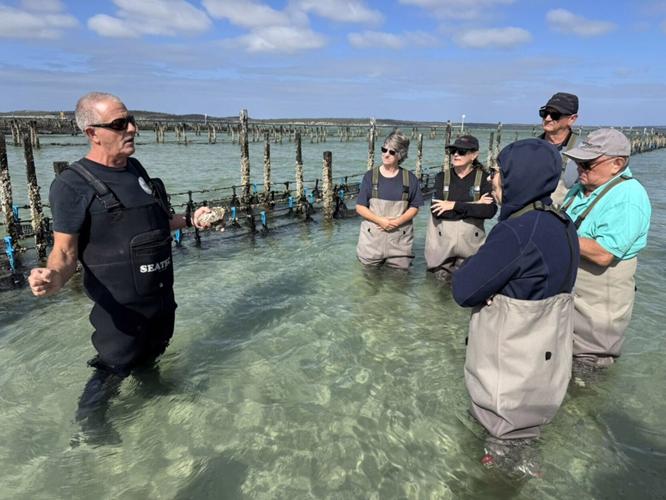
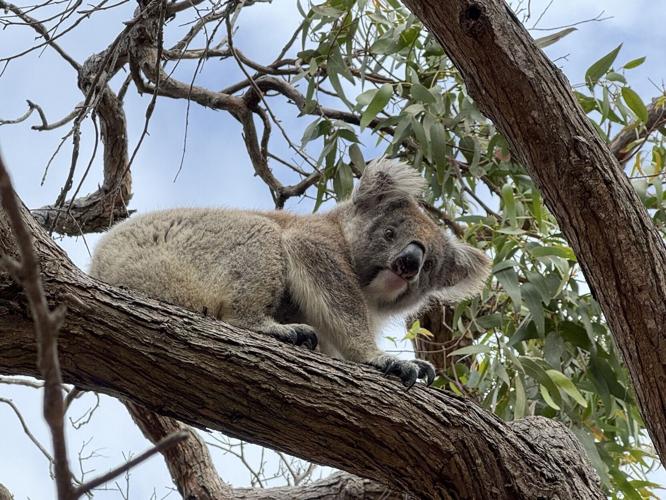
Further south on the triangle-shaped peninsula, I donned waders to tour an oyster farm in the translucent waters of Coffin Bay. I rode a boat to feast on more of the fresh-shucked bivalves in Smoky Bay, up north. Away from the seafood-rich bays, I watched dozens of fluffy koalas chew on eucalyptus leaves and nap in the trees during a tour with Australian Coastal Safaris.
After my Eyre Peninsula adventure, I went back to urban Adelaide to catch my long flight home. But that experience had changed, too. This time, I didn’t have to stop in Sydney or Melbourne on the way out. That’s because United Airlines recently launched the first nonstop service between the U.S. and Adelaide. The seasonal flights pick up again in December, the start of summer Down Under.
_____