

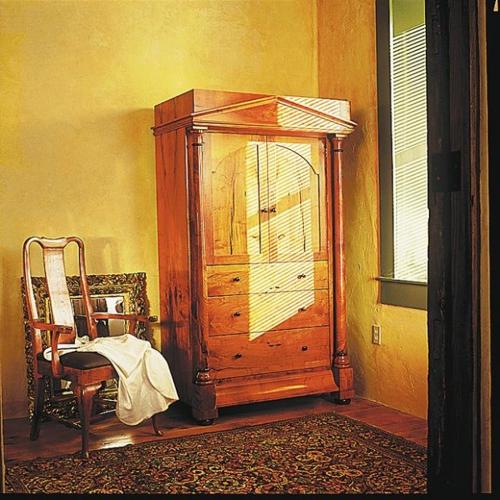
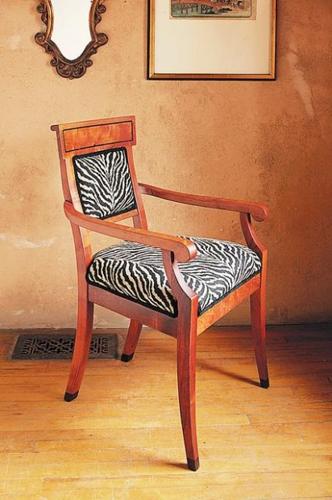
From rustic ranch to fine Victorian, mesquite is showing up in all sorts of furniture styles as it grows in popularity.
"It's kind of like the 'it' wood," says Bradford W. Otto, who handles sales and builds pieces at Mesquite Artisans.
More common in the Southwest, mesquite furniture is starting to pop up elsewhere as winter visitors and former residents bring pieces of the desert to their other homes.
Stephen and Elaine Paul, owners of Arroyo Design, believe strongly enough in the attractiveness of the wood that in the fall they plan to open a location in New York City's Tribeca area.
The way a mesquite tree grows makes it distinctive among other woods used for furniture. That uniqueness comes at a price.
"Turning a tree into a piece of fine furniture is frought with challenges every step of way," Stephen Paul says. That means extra time — and money.
People are also reading…
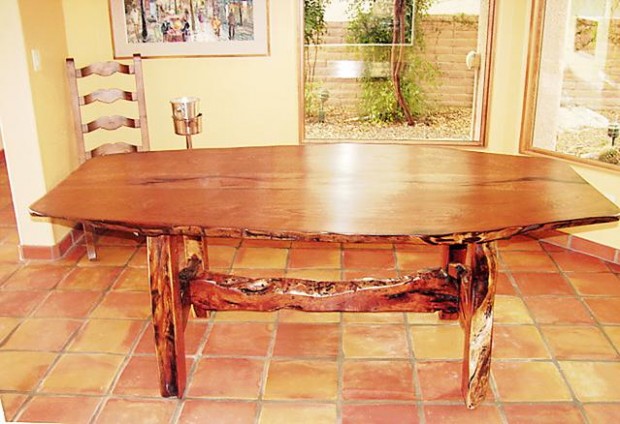
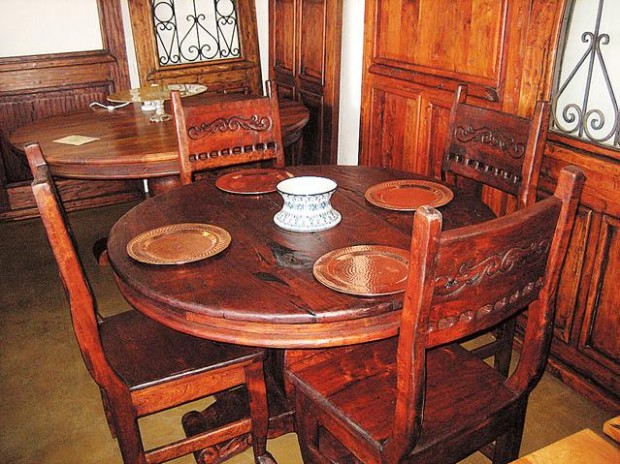
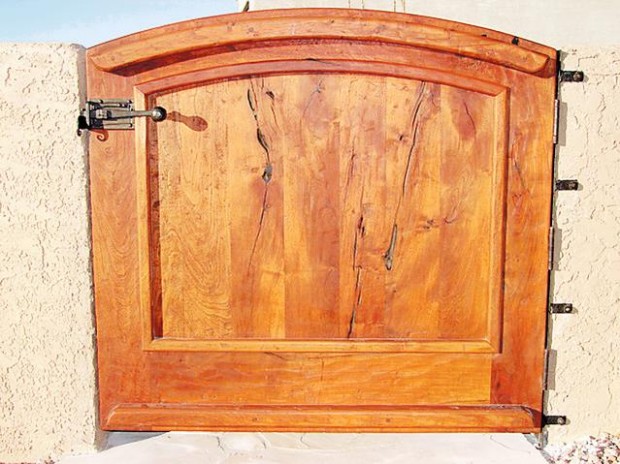
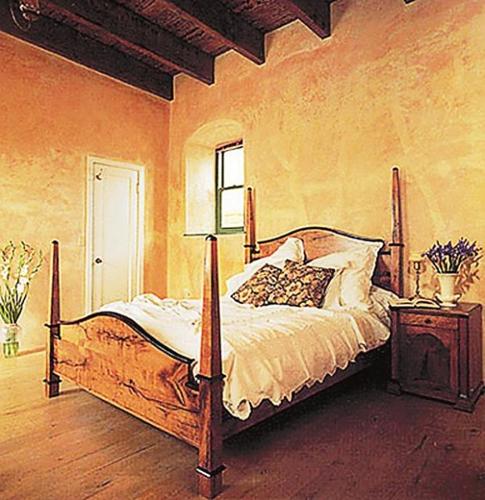
While custom mesquite pieces may cost as much as 45 percent more than the same piece in a different wood at Arroyo Designs, consumers also can expect mesquite items to be many times more expensive than quality mass-produced items, as the photos here illustrate.
The mesquite is the only tree Stephen Paul knows that naturally cracks within as it grows.
The crooked grain and the cracks, pits and holes actually become important design elements, Paul says. When filled with black epoxy, the voids add depth to the wood. They sometimes create a marble effect or act as focal points in a piece.
The gnarly grain creates interesting patterns when the wood is bookmatched. That's a method of strategically placing boards cut sequentially from the same tree so that one side mirrors the other.
Arroyo Designs specializes in bookmatching, an added challenge to woodworker Stephen Paul's efforts to transform mesquite.
Rustic styles use the wood's imperfections to maximum effect. Unfilled cracks and bumpy edges create free-flowing shapes in what Otto calls a worn Texas style.
But whatever style homeowners fancy, Paul thinks they're attracted to the wood for more than its beauty.
"It's the beauty of it and the mystique of it," he says. "It's a desert tree. It grows in a harsh environment."
» Buying tips
Mesquite is a very hard and stable wood once it's properly dried to less than 10 percent liquid content. Bradford W. Otto at Mesquite Artisans estimates that mesquite furniture costs 40 percent more than furniture made of oak because of its intensive labor requirements.
Know what style you want, he suggests. Rustic styles are rough and natural, and they highlight the eccentricities of the wood.
When looking for finely crafted mesquite furniture, Stephen Paul of Arroyo Design suggests examining a piece for even color, extensive bookmatching and minimal amounts of epoxy that fill in gaps and cracks.