

HARRISBURG, Pa. — As schools across the country struggle to find teachers to hire, more governors are pushing for pay increases, bonuses and other perks for the beleaguered profession — with some vowing to beat out other states competing for educators.
Already in 2023, governors in Georgia and Arkansas have pushed through teacher pay increases. Ahead of Monday’s start of national Teacher Appreciation Week, others — both Republican and Democratic — have proposed doing the same to attract and retain educators.
More than half of the states’ governors over the past year — 26 so far — have proposed boosting teacher compensation, according to groups that track it. The nonprofit Teacher Salary Project said it is the most it has seen in nearly two decades of tracking.
“Today we have governors left and right from every political party and then some who are addressing this issue because they have to,” said founder and CEO Ninivé Caligari. “We’ve never seen what we are seeing right now. Never.”
People are also reading…
In Idaho, Gov. Brad Little is aiming to raise the state’s average starting salary into the nation’s top 10. In Delaware, Gov. John Carney said competition for teachers is more intense than ever and a pay increase is necessary to “win the competition with surrounding states.”
It’s not clear how far pay raises will go toward relieving the shortages, though, and some teachers say it is too little, too late to fix problems that were years in the making.
Blame for teacher shortages has fallen on underfunding after the Great Recession, tight labor markets, lackluster enrollments in colleges and programs that train teachers and teacher burnout inflamed by the travails of the COVID-19 pandemic.
There has been no mass exodus, but data from some states that track teacher turnover has shown rising numbers of teachers leaving the profession over the past couple years.
Shortages are most extreme in certain areas, including the poorest or most rural districts, researchers say. Districts also report particular difficulties in hiring for in-demand subjects like special education, math and science.
Meanwhile, teacher salaries have fallen further behind those of their college-educated peers in other fields, as teachers report growing workloads, shrinking autonomy and increasingly hostile school environments.
Magan Daniel, who at 33 just left her central Alabama school district, was not persuaded to stay by pay raises as Alabama’s governor vows to make teacher salaries the highest in the Southeast. It would take big increases to match neighboring Georgia, where the average teacher salary is $62,200, according to the National Education Association.
Fixing teachers’ deteriorating work culture and growing workloads would be a more powerful incentive than a pay raise, she said.
She recalled, for instance, her principal asking her to make copies and lesson plans last fall while she was on unpaid maternity leave. Difficulty getting substitutes puts pressure on teachers who need time off for emergencies, she said, and spending nights and weekends on paperwork siphoned the joy out of teaching.
“I would not go back just for a higher salary,” Daniel said.
In Oklahoma, Joshua Morgan, 46, left his rural district a year ago because after 18 years he was still earning under $47,000. Oklahoma’s governor is talking about awarding performance bonuses, but Morgan said he would only go back to teaching for substantially more money — like $65,000 a year.
The national average public school teacher salary in 2021-22 increased 2% from the previous year to $66,745, according to the NEA, the nation’s largest teachers union. Inflation peaked around 9% at the time.
For new recruits, the math of paying for a college education is grim: The national average beginning teacher salary was $42,845 in 2021-22, according to the NEA. Teachers do often qualify for public service loan forgiveness, which forgives their student debt after they’ve made 10 years of monthly payments.
Besides fewer teachers getting certified, the “teacher pay penalty” — the gap between teacher salaries and their college-educated peers in other professions — is growing.
It reached a record 23.5% in 2021, with teachers earning an average 76.5 cents for every dollar earned by other college-educated professionals, according to the Economic Policy Institute, a nonpartisan think tank.
It has been widening for decades, researchers say. For men, it is 35% and for women it is 17% — reflecting the gender pay gap seen across the U.S. economy.
For Rachaele Otto and other Louisiana teachers, the prospect of a $3,000 salary increase proposed by the governor might be appreciated. But at roughly $200 a month after taxes, it’s not enough to keep a teacher who feels burned out or demoralized, Otto said.
“I know there are teachers willing to take pay cuts to leave the profession,” said Otto, 38, a science teacher in a rural Louisiana district. “If you double the salary, maybe that would change their thinking.”
Sylvia Allegretto, a senior economist who studies teacher compensation for the Center for Economic and Policy Research, called salary promises by governors one-time “Band-Aids” that barely keep up with inflation.
“You’re kind of chipping away at the margins,” Allegretto said. “You’re not fixing the problem, generally.”
Every state's teacher pay gap, ranked
Intro
 Photo Credit: David J. Mitchell / Alamy Stock Photo
The Great Recession may be over, but not all professions are reaping the benefits of the growing economy.
Recent trends in hiring and wage increases indicate that the economic outlook for some American workers may be slowly improving, but there is one group that is still falling behind: teachers. When adjusted for inflation, teacher salaries have actually been decreasing since 2009, according to data from the National Center for Education Statistics.
In the past few months, teacher strikes have occurred in Denver, Los Angeles, Oakland and throughout West Virginia to demand pay raises and smaller class sizes, among other things. Teaching has never been a highly-lucrative profession, but many teachers are struggling to make a living wage.
Lily Eskelsen Garcia, the President of the National Education Association (NEA), explained: “Educators don’t do this work to get rich, they do this work because they believe in students. But their pay is not commensurate with the dedication and expertise they bring to the profession.”
Lower incomes contribute to teacher shortages, as non-competitive wages drive many would-be educators toward more financially stable career paths. The NEA believes fair pay is essential to attracting and retaining top candidates for teaching.
According to Garcia, “Too often the educators who dedicate their lives to children struggle to support their own families. They are forced into taking second and sometimes third jobs…to make ends meet. This is not right. It shortchanges students, public education and these dedicated professionals.”
Teachers aren’t the only ones feeling the strain of the pay gap. Students are affected, too. Teacher shortages and high turnover can lead to overcrowded classrooms, fewer qualified teachers, and reduced academic programs. All of these have a negative effect on student learning.
Garcia emphasized, “If we’re serious about every child’s future, let’s get serious about doing what works. We cannot recruit and retain the committed, qualified educators that students deserve without making a major investment in raising salaries. In order to ensure that every student has a qualified teacher in the classroom and caring professionals in schools, we must make better investment in what we pay educators so careers in education are more attractive.”
Despite support for raising salaries, doing so is a complex problem. Public school budgets, and thus teacher salaries, are tightly coupled with rising costs for pensions, healthcare, and other benefits, as well as local tax laws that are difficult to update. Although there is much work to be done nationwide to fix the teacher pay gap, there is also a lot of variation in teacher salaries across the country.
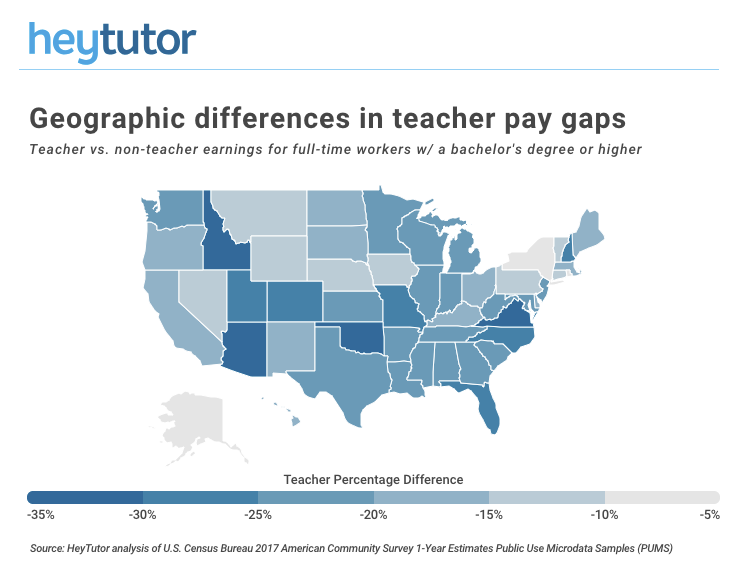
To learn more about the pay gap and which states offer the most competitive wages for teachers, HeyTutor analyzed data from the U.S. Census Bureau American Community Survey. Its researchers calculated the median primary/secondary school teacher salary and compared that to non-teachers working full-time with a bachelor’s degree or higher. The analysis included both public and private school teachers.
Findings
Nationwide, the teacher pay gap is -27.1 percent, meaning that teachers make 27.1 percent less than similarly-educated full-time workers in other professions. The median annual earnings for full-time teachers is $51,571 (including public and private), while the median annual earnings for full-time workers in other professions is $70,783. In addition, the 5-year earnings growth (adjusted for inflation) for teachers is -4.4 percent, while the 5-year earnings growth for non-teachers is 4.2 percent. While teachers overall make far less than the average full-time worker with comparable education, private school teachers make even less. In no state does the median teacher salary match that of similarly-educated full-time workers.
Here are the states with the largest pay gap between teachers and non-teachers.
51. Alaska

Photo Credit: Panther Media GmbH / Alamy Stock Photo
- Teacher pay gap: -2.8%
- Median annual earnings for teachers: $70,783
- Median annual earnings for non-teachers: $72,806
- 5-year earnings growth for teachers: 1.0%
- 5-year earnings growth for non-teachers: -3.6%
50. New York

Photo Credit: Sean Pavone / Alamy Stock Photo
- Teacher pay gap: -6.7%
- Median annual earnings for teachers: $70,783
- Median annual earnings for non-teachers: $75,839
- 5-year earnings growth for teachers: 1.0%
- 5-year earnings growth for non-teachers: 1.9%
49. Rhode Island
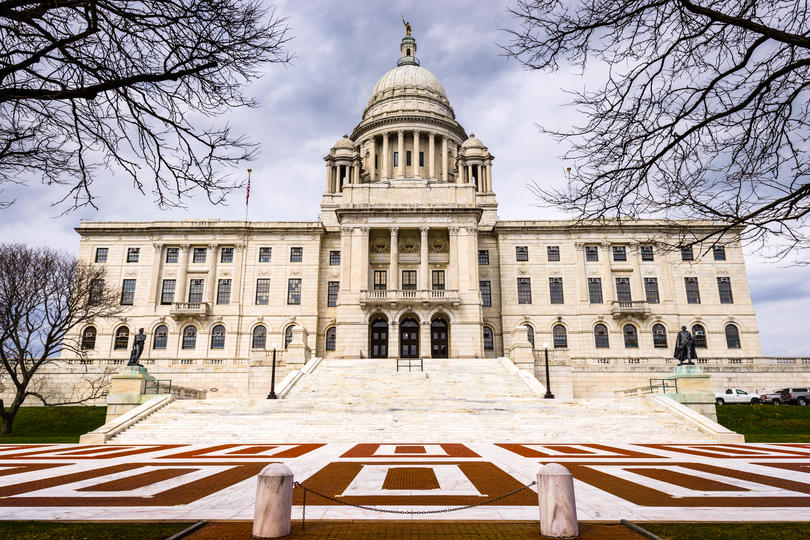
Photo Credit: Sean Pavone / Alamy Stock Photo
- Teacher pay gap: -7.1%
- Median annual earnings for teachers: $65,727
- Median annual earnings for non-teachers: $70,783
- 5-year earnings growth for teachers: -3.3%
- 5-year earnings growth for non-teachers: 1.0%
48. Vermont

Photo Credit: Sean Pavone / Alamy Stock Photo
- Teacher pay gap: -9.1%
- Median annual earnings for teachers: $50,559
- Median annual earnings for non-teachers: $55,615
- 5-year earnings growth for teachers: -4.3%
- 5-year earnings growth for non-teachers: -0.8%
47. Montana
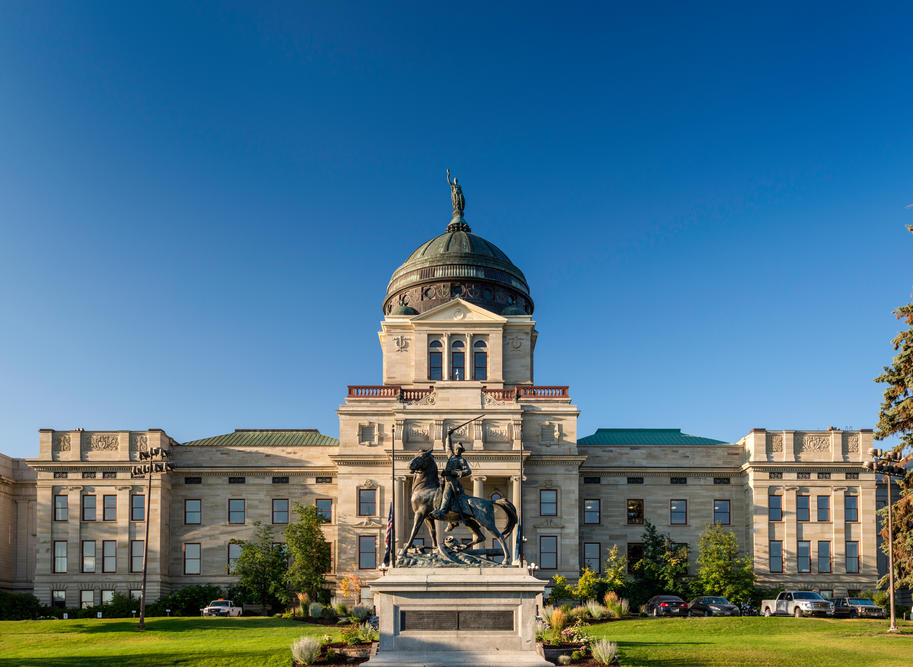
Photo Credit: Witold Skrypczak / Alamy Stock Photo
- Teacher pay gap: -9.1%
- Median annual earnings for teachers: $50,559
- Median annual earnings for non-teachers: $55,615
- 5-year earnings growth for teachers: 5.8%
- 5-year earnings growth for non-teachers: 3.1%
46. Wyoming

Photo Credit: Panther Media GmbH / Alamy Stock Photo
- Teacher pay gap: -9.6%
- Median annual earnings for teachers: $52,582
- Median annual earnings for non-teachers: $58,143
- 5-year earnings growth for teachers: -8.0%
- 5-year earnings growth for non-teachers: -2.0%
45. Pennsylvania

Photo Credit: Christian Hinkle / Alamy Stock Photo
- Teacher pay gap: -10.4%
- Median annual earnings for teachers: $60,671
- Median annual earnings for non-teachers: $67,750
- 5-year earnings growth for teachers: 2.3%
- 5-year earnings growth for non-teachers: 4.7%
44. Nevada
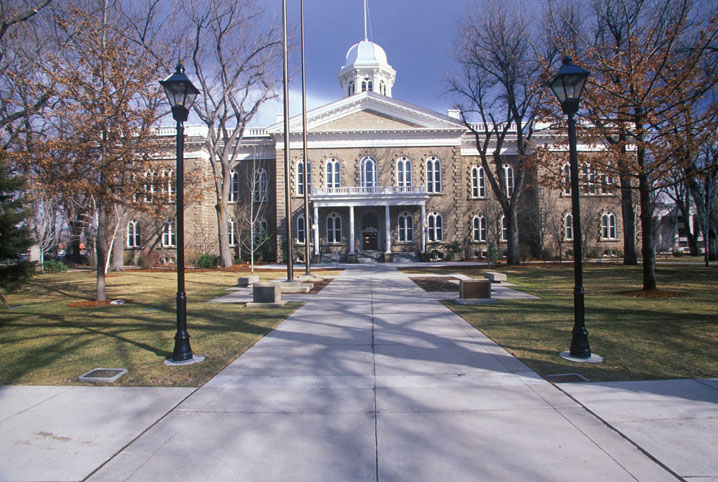
Photo Credit: Visions of America, LLC / Alamy Stock Photo
- Teacher pay gap: -11.5%
- Median annual earnings for teachers: $54,604
- Median annual earnings for non-teachers: $61,683
- 5-year earnings growth for teachers: -2.6%
- 5-year earnings growth for non-teachers: -1.4%
43. Nebraska
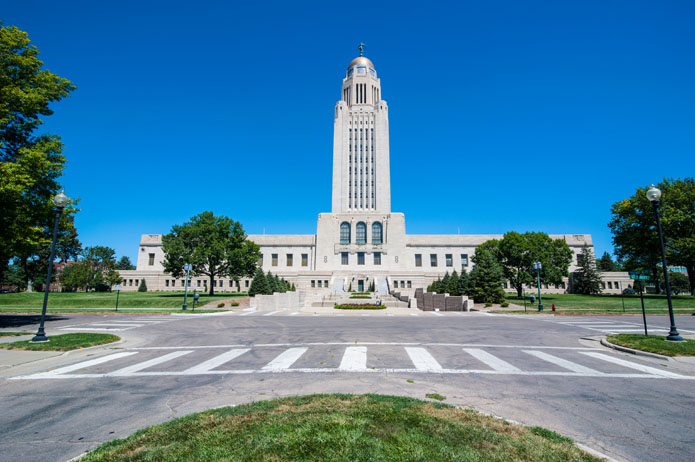
Photo Credit: robertharding / Alamy Stock Photo
- Teacher pay gap: -12.3%
- Median annual earnings for teachers: $50,559
- Median annual earnings for non-teachers: $57,638
- 5-year earnings growth for teachers: 11.6%
- 5-year earnings growth for non-teachers: 1.8%
42. Connecticut

Photo Credit: Sean Pavone / Alamy Stock Photo
- Teacher pay gap: -12.5%
- Median annual earnings for teachers: $70,783
- Median annual earnings for non-teachers: $80,895
- 5-year earnings growth for teachers: 1.0%
- 5-year earnings growth for non-teachers: -2.6%
41. Iowa

Photo Credit: yos_moes / Alamy Stock Photo
- Teacher pay gap: -13.3%
- Median annual earnings for teachers: $52,582
- Median annual earnings for non-teachers: $60,671
- 5-year earnings growth for teachers: 1.6%
- 5-year earnings growth for non-teachers: 8.2%
40. South Dakota

Photo Credit: Chris Boswell / Alamy Stock Photo
- Teacher pay gap: -14.0%
- Median annual earnings for teachers: $43,481
- Median annual earnings for non-teachers: $50,559
- 5-year earnings growth for teachers: 6.1%
- 5-year earnings growth for non-teachers: 4.2%
39. North Dakota
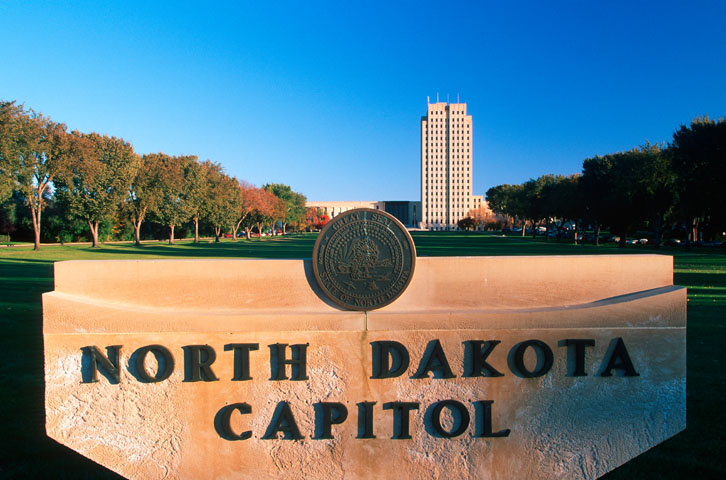
Photo Credit: Purestock / Alamy Stock Photo
- Teacher pay gap: -14.0%
- Median annual earnings for teachers: $49,548
- Median annual earnings for non-teachers: $57,638
- 5-year earnings growth for teachers: 9.4%
- 5-year earnings growth for non-teachers: -2.8%
38. California

Photo Credit: Robert Schlie / Alamy Stock Photo
- Teacher pay gap: -15.0%
- Median annual earnings for teachers: $68,761
- Median annual earnings for non-teachers: $80,895
- 5-year earnings growth for teachers: 4.5%
- 5-year earnings growth for non-teachers: 0.0%
37. Maine

Photo Credit: Sean Pavone / Alamy Stock Photo
- Teacher pay gap: -15.3%
- Median annual earnings for teachers: $50,559
- Median annual earnings for non-teachers: $59,660
- 5-year earnings growth for teachers: 4.2%
- 5-year earnings growth for non-teachers: 6.4%
36. Ohio
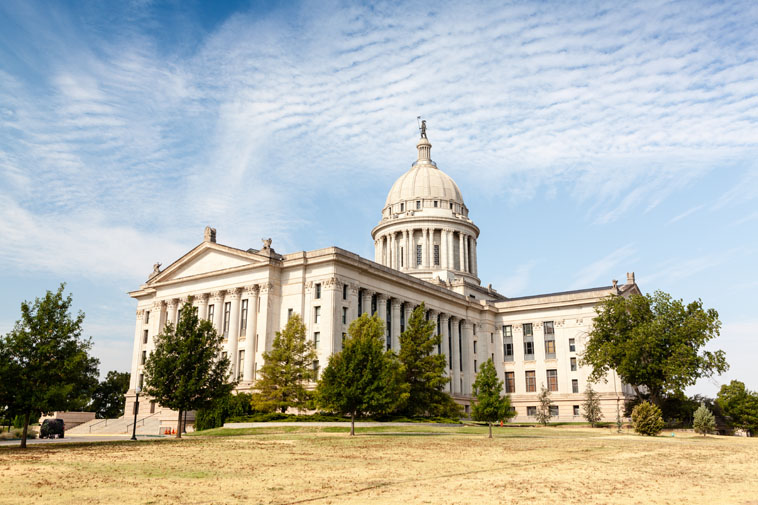
Photo Credit: Dave Newman / Alamy Stock Photo
- Teacher pay gap: -16.9%
- Median annual earnings for teachers: $54,604
- Median annual earnings for non-teachers: $65,727
- 5-year earnings growth for teachers: -4.5%
- 5-year earnings growth for non-teachers: 1.6%
35. Kentucky
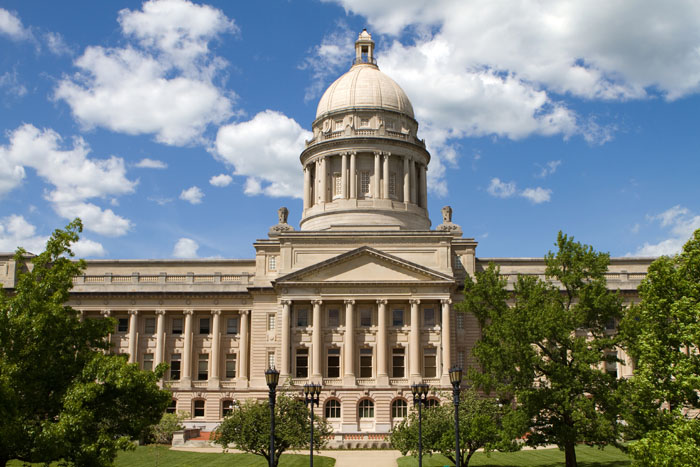
Photo Credit: Steven Frame / Alamy Stock Photo
- Teacher pay gap: -17.2%
- Median annual earnings for teachers: $48,537
- Median annual earnings for non-teachers: $58,649
- 5-year earnings growth for teachers: -2.2%
- 5-year earnings growth for non-teachers: 4.6%
34. Massachusetts

Photo Credit: Sean Pavone / Alamy Stock Photo
- Teacher pay gap: -17.5%
- Median annual earnings for teachers: $66,738
- Median annual earnings for non-teachers: $80,895
- 5-year earnings growth for teachers: 3.1%
- 5-year earnings growth for non-teachers: 4.2%
33. Delaware
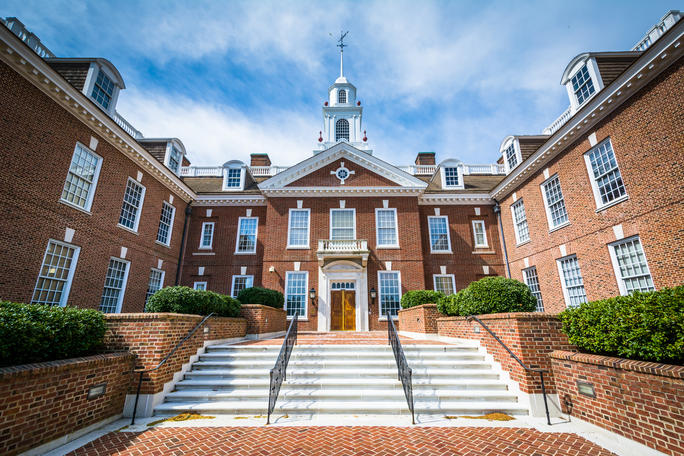
Photo Credit: Jon Bilous / Alamy Stock Photo
- Teacher pay gap: -17.8%
- Median annual earnings for teachers: $60,671
- Median annual earnings for non-teachers: $73,817
- 5-year earnings growth for teachers: 6.1%
- 5-year earnings growth for non-teachers: 10.4%
32. Oregon
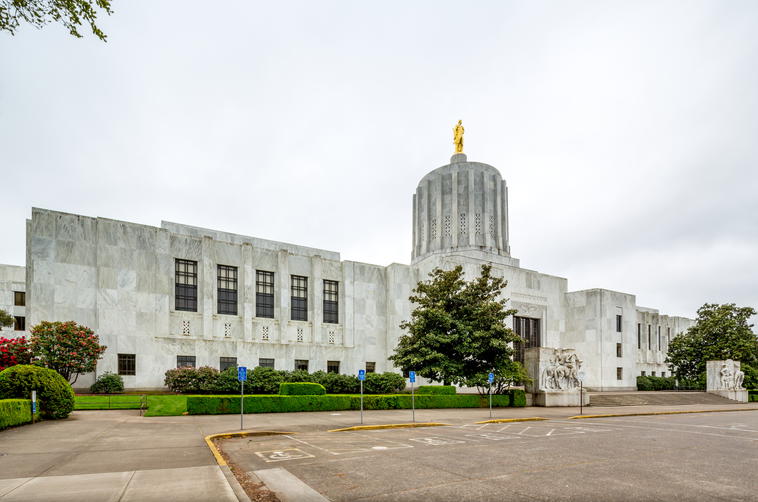
Photo Credit: Nadia Yong / Alamy Stock Photo
- Teacher pay gap: -17.9%
- Median annual earnings for teachers: $55,615
- Median annual earnings for non-teachers: $67,750
- 5-year earnings growth for teachers: 3.1%
- 5-year earnings growth for non-teachers: 4.7%
31. New Mexico
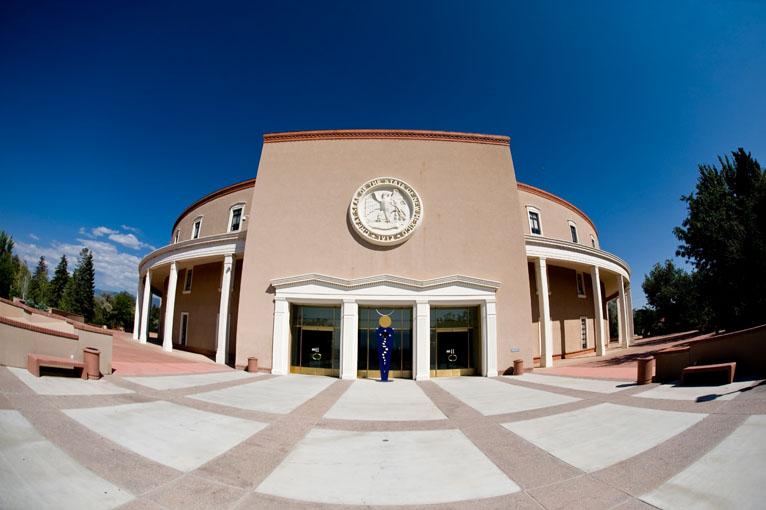
Photo Credit: William Scott / Alamy Stock Photo
- Teacher pay gap: -18.6%
- Median annual earnings for teachers: $48,537
- Median annual earnings for non-teachers: $59,660
- 5-year earnings growth for teachers: 0.0%
- 5-year earnings growth for non-teachers: 2.4%
30. Hawaii

Photo Credit: Panther Media GmbH / Alamy Stock Photo
- Teacher pay gap: -18.7%
- Median annual earnings for teachers: $52,582
- Median annual earnings for non-teachers: $64,716
- 5-year earnings growth for teachers: 1.6%
- 5-year earnings growth for non-teachers: 9.1%
29. Michigan
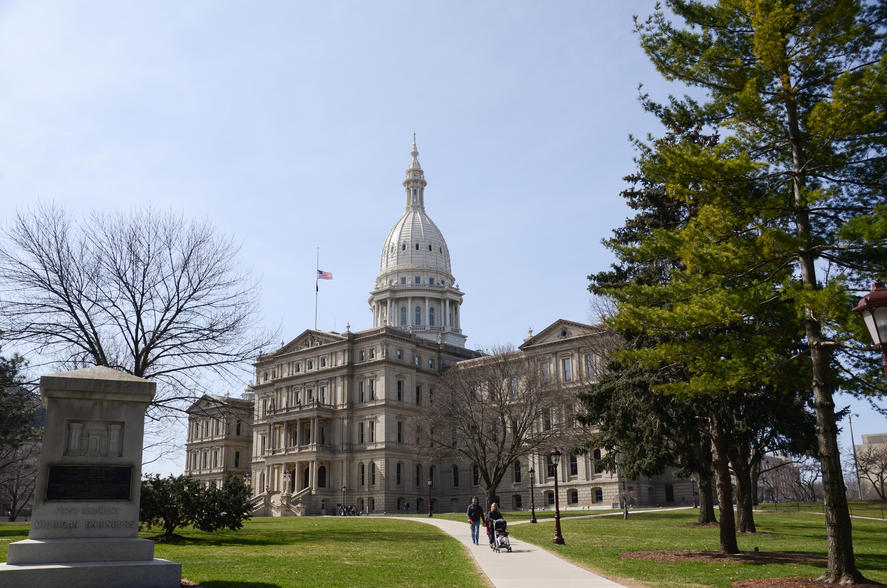
Photo Credit: Susan Montgomery / Alamy Stock Photo
- Teacher pay gap: -19.1%
- Median annual earnings for teachers: $55,615
- Median annual earnings for non-teachers: $68,761
- 5-year earnings growth for teachers: -9.5%
- 5-year earnings growth for non-teachers: 2.8%
28. Alabama
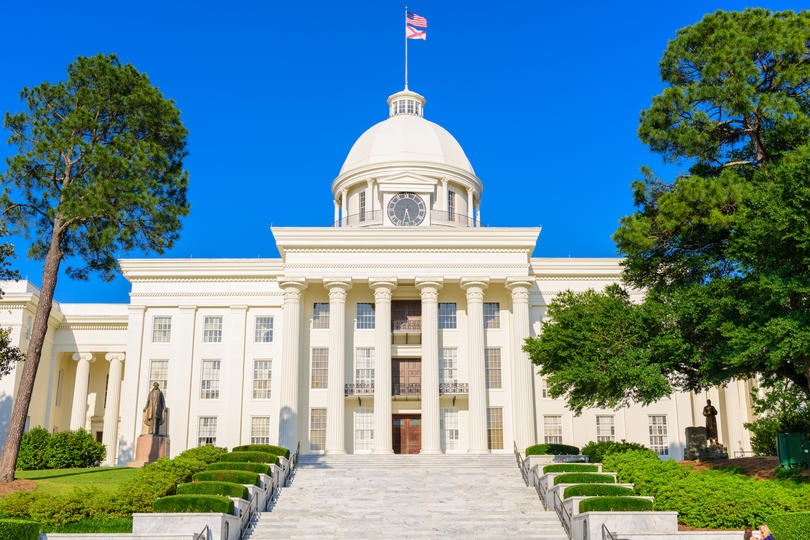
Photo Credit: Sean Pavone / Alamy Stock Photo
- Teacher pay gap: -20.0%
- Median annual earnings for teachers: $48,537
- Median annual earnings for non-teachers: $60,671
- 5-year earnings growth for teachers: -1.7%
- 5-year earnings growth for non-teachers: 2.3%
27. New Jersey

Photo Credit: Purestock / Alamy Stock Photo
- Teacher pay gap: -21.0%
- Median annual earnings for teachers: $64,716
- Median annual earnings for non-teachers: $81,906
- 5-year earnings growth for teachers: 0.0%
- 5-year earnings growth for non-teachers: -5.1%
26. Arkansas

Photo Credit: Sean Pavone / Alamy Stock Photo
- Teacher pay gap: -21.1%
- Median annual earnings for teachers: $45,504
- Median annual earnings for non-teachers: $57,638
- 5-year earnings growth for teachers: 0.5%
- 5-year earnings growth for non-teachers: 2.8%
25. Wisconsin
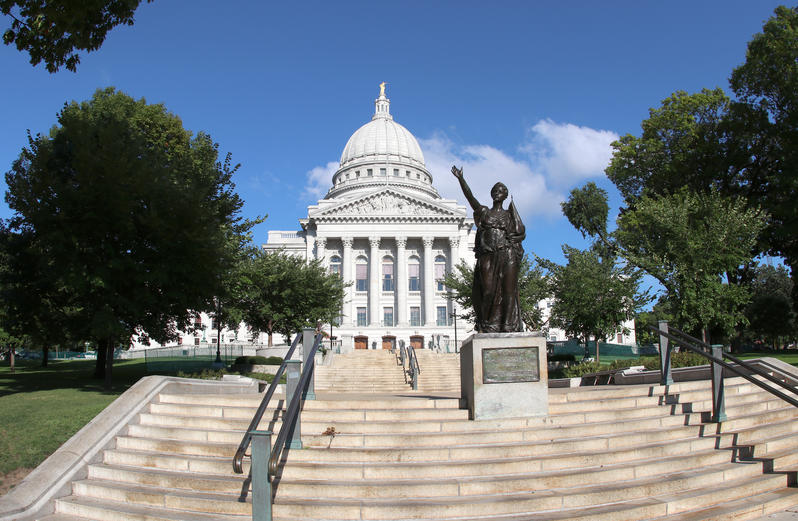
Photo Credit: Maryna Gumenyuk / Alamy Stock Photo
- Teacher pay gap: -21.9%
- Median annual earnings for teachers: $50,559
- Median annual earnings for non-teachers: $64,716
- 5-year earnings growth for teachers: -4.7%
- 5-year earnings growth for non-teachers: 3.5%
24. Mississippi

Photo Credit: Sean Pavone / Alamy Stock Photo
- Teacher pay gap: -21.9%
- Median annual earnings for teachers: $40,448
- Median annual earnings for non-teachers: $51,773
- 5-year earnings growth for teachers: -1.3%
- 5-year earnings growth for non-teachers: -4.0%
23. Washington

Photo Credit: Sean Pavone / Alamy Stock Photo
- Teacher pay gap: -22.1%
- Median annual earnings for teachers: $60,671
- Median annual earnings for non-teachers: $77,862
- 5-year earnings growth for teachers: -1.3%
- 5-year earnings growth for non-teachers: 3.1%
22. Maryland
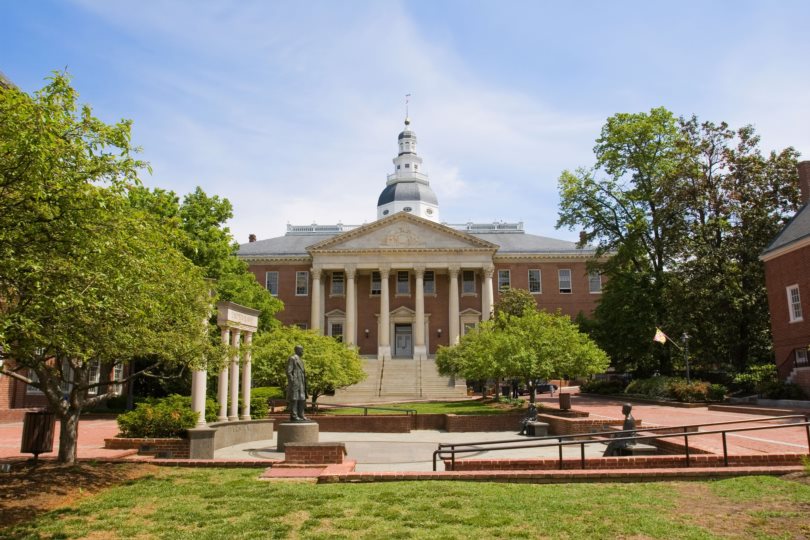
Photo Credit: Ellen Isaacs / Alamy Stock Photo
- Teacher pay gap: -22.5%
- Median annual earnings for teachers: $62,694
- Median annual earnings for non-teachers: $80,895
- 5-year earnings growth for teachers: 3.8%
- 5-year earnings growth for non-teachers: -1.3%
21. Illinois

Photo Credit: Dave Newman / Alamy Stock Photo
- Teacher pay gap: -22.5%
- Median annual earnings for teachers: $55,615
- Median annual earnings for non-teachers: $71,794
- 5-year earnings growth for teachers: -4.5%
- 5-year earnings growth for non-teachers: 2.4%
20. Texas
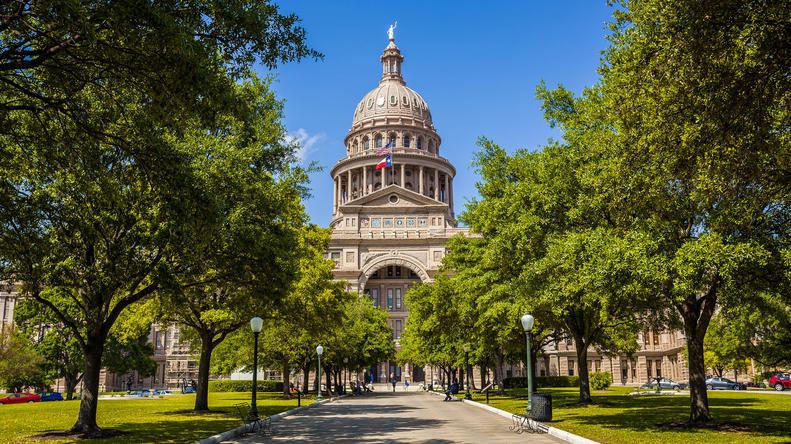
Photo Credit: Bryan Mullennix / Alamy Stock Photo
- Teacher pay gap: -22.7%
- Median annual earnings for teachers: $51,571
- Median annual earnings for non-teachers: $66,738
- 5-year earnings growth for teachers: -0.4%
- 5-year earnings growth for non-teachers: 1.4%
19. Minnesota

Photo Credit: Steve Lee / Alamy Stock Photo
- Teacher pay gap: -22.9%
- Median annual earnings for teachers: $54,604
- Median annual earnings for non-teachers: $70,783
- 5-year earnings growth for teachers: 1.3%
- 5-year earnings growth for non-teachers: 5.9%
18. Kansas
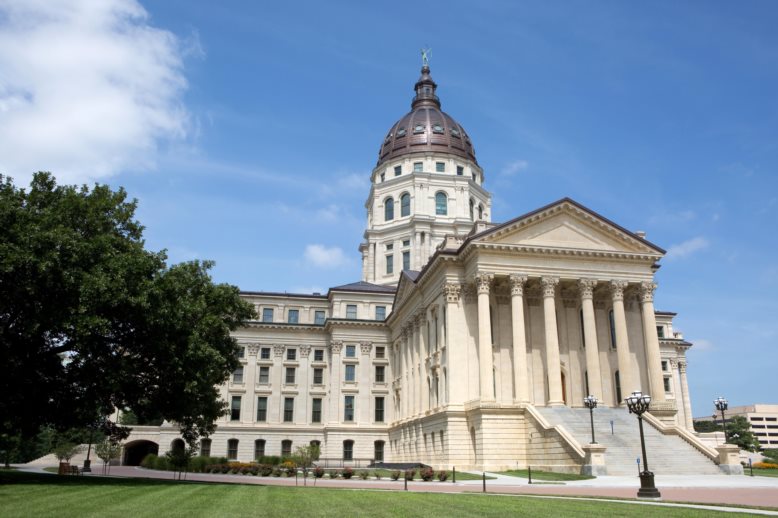
Photo Credit: Steven Frame / Alamy Stock Photo
- Teacher pay gap: -23.3%
- Median annual earnings for teachers: $46,515
- Median annual earnings for non-teachers: $60,671
- 5-year earnings growth for teachers: 2.7%
- 5-year earnings growth for non-teachers: 2.3%
17. Indiana

Photo Credit: Andriy Kravchenko / Alamy Stock Photo
- Teacher pay gap: -23.3%
- Median annual earnings for teachers: $46,515
- Median annual earnings for non-teachers: $60,671
- 5-year earnings growth for teachers: -4.2%
- 5-year earnings growth for non-teachers: 2.3%
16. District of Columbia
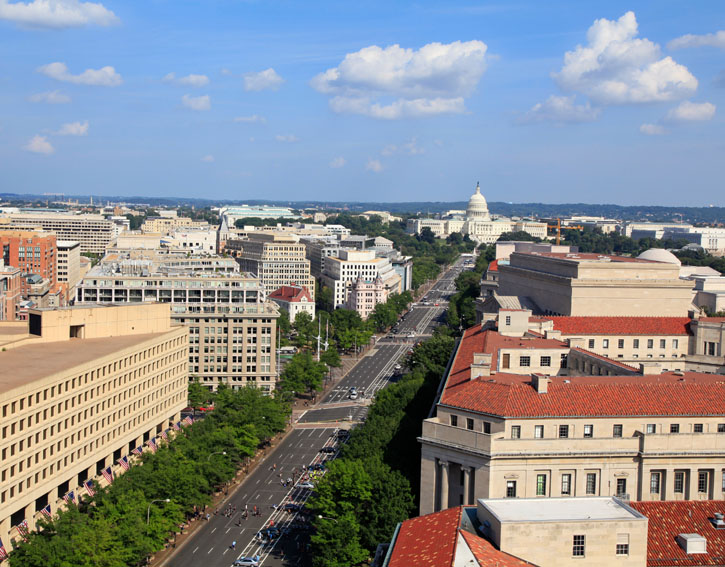
Photo Credit: Vlad Ghiea / Alamy Stock Photo
- Teacher pay gap: -23.5%
- Median annual earnings for teachers: $65,727
- Median annual earnings for non-teachers: $85,951
- 5-year earnings growth for teachers: 21.9%
- 5-year earnings growth for non-teachers: 4.9%
15. West Virginia

Photo Credit: Sean Pavone / Alamy Stock Photo
- Teacher pay gap: -23.6%
- Median annual earnings for teachers: $42,470
- Median annual earnings for non-teachers: $55,615
- 5-year earnings growth for teachers: -14.4%
- 5-year earnings growth for non-teachers: 1.1%
14. Tennessee
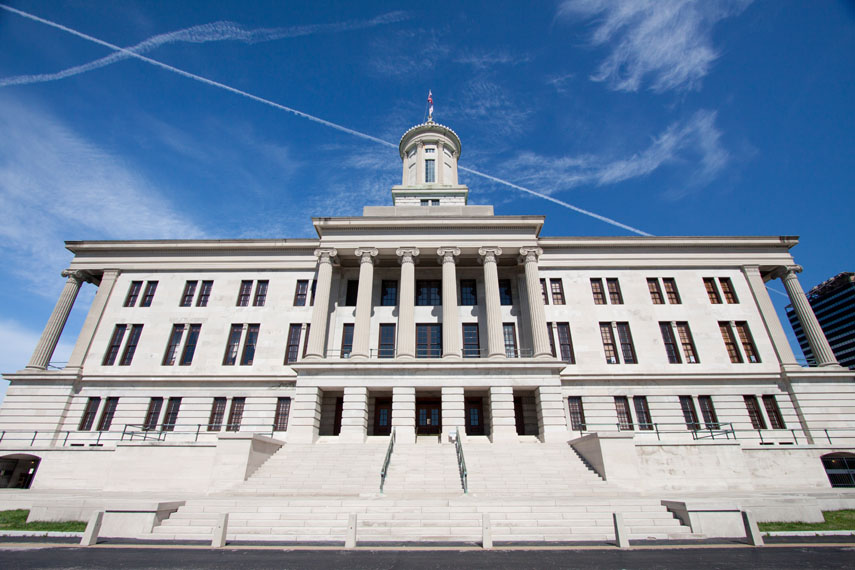
Photo Credit: Dave Newman / Alamy Stock Photo
- Teacher pay gap: -23.7%
- Median annual earnings for teachers: $45,504
- Median annual earnings for non-teachers: $59,660
- 5-year earnings growth for teachers: 0.5%
- 5-year earnings growth for non-teachers: 4.4%
13. South Carolina
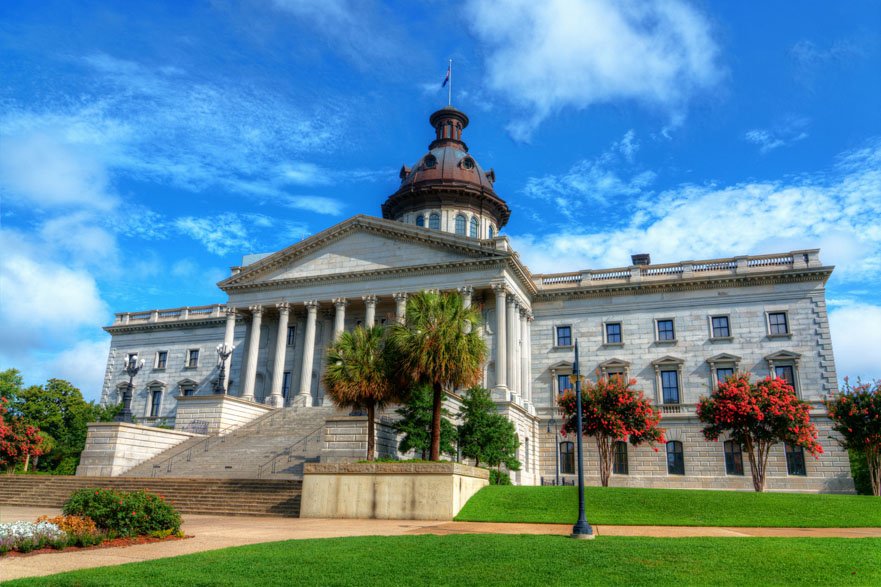
Photo Credit: Sean Pavone / Alamy Stock Photo
- Teacher pay gap: -24.1%
- Median annual earnings for teachers: $44,492
- Median annual earnings for non-teachers: $58,649
- 5-year earnings growth for teachers: -8.3%
- 5-year earnings growth for non-teachers: 4.6%
12. Georgia

Photo Credit: Zoonar GmbH / Alamy Stock Photo
- Teacher pay gap: -24.2%
- Median annual earnings for teachers: $50,559
- Median annual earnings for non-teachers: $66,738
- 5-year earnings growth for teachers: -3.1%
- 5-year earnings growth for non-teachers: 3.1%
11. Louisiana

Photo Credit: Sean Pavone / Alamy Stock Photo
- Teacher pay gap: -24.4%
- Median annual earnings for teachers: $45,099
- Median annual earnings for non-teachers: $59,660
- 5-year earnings growth for teachers: -2.8%
- 5-year earnings growth for non-teachers: 0.6%
10. Missouri

Photo Credit: Paul Brady / Alamy Stock Photo
- Teacher pay gap: -25.0%
- Median annual earnings for teachers: $45,504
- Median annual earnings for non-teachers: $60,671
- 5-year earnings growth for teachers: 0.5%
- 5-year earnings growth for non-teachers: 4.2%
9. New Hampshire

Photo Credit: Steven Frame / Alamy Stock Photo
- Teacher pay gap: -25.4%
- Median annual earnings for teachers: $53,593
- Median annual earnings for non-teachers: $71,794
- 5-year earnings growth for teachers: -0.6%
- 5-year earnings growth for non-teachers: 2.4%
8. Florida

Photo Credit: Sean Pavone / Alamy Stock Photo
- Teacher pay gap: -27.0%
- Median annual earnings for teachers: $44,290
- Median annual earnings for non-teachers: $60,671
- 5-year earnings growth for teachers: -2.2%
- 5-year earnings growth for non-teachers: 2.3%
7. Utah

Photo Credit: Zoonar GmbH / Alamy Stock Photo
- Teacher pay gap: -27.2%
- Median annual earnings for teachers: $47,829
- Median annual earnings for non-teachers: $65,727
- 5-year earnings growth for teachers: 8.2%
- 5-year earnings growth for non-teachers: 1.6%
6. North Carolina

Photo Credit: Sean Pavone / Alamy Stock Photo
- Teacher pay gap: -28.3%
- Median annual earnings for teachers: $43,481
- Median annual earnings for non-teachers: $60,671
- 5-year earnings growth for teachers: 3.4%
- 5-year earnings growth for non-teachers: 2.3%
5. Colorado

Photo Credit: Paul Brady / Alamy Stock Photo
- Teacher pay gap: -29.4%
- Median annual earnings for teachers: $48,537
- Median annual earnings for non-teachers: $68,761
- 5-year earnings growth for teachers: -4.3%
- 5-year earnings growth for non-teachers: 2.8%
4. Oklahoma
Photo Credit: Dave Newman / Alamy Stock Photo
- Teacher pay gap: -30.9%
- Median annual earnings for teachers: $38,425
- Median annual earnings for non-teachers: $55,615
- 5-year earnings growth for teachers: -8.6%
- 5-year earnings growth for non-teachers: 3.1%
3. Idaho
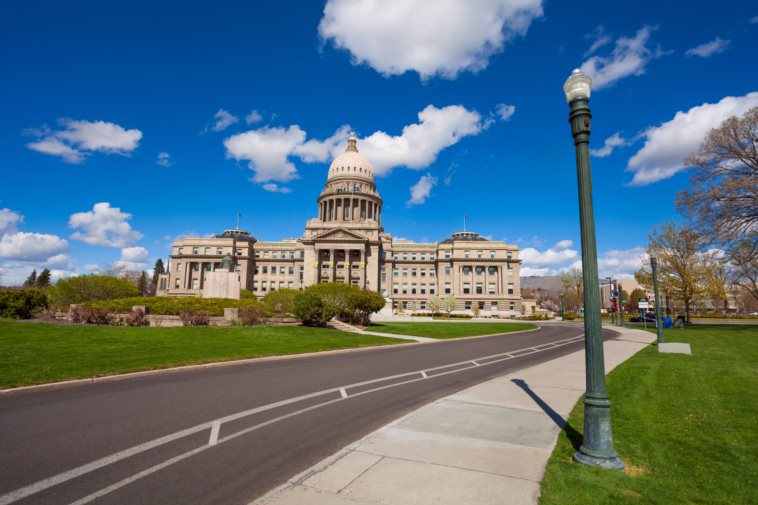
Photo Credit: Sergey Novikov / Alamy Stock Photo
- Teacher pay gap: -33.3%
- Median annual earnings for teachers: $40,448
- Median annual earnings for non-teachers: $60,671
- 5-year earnings growth for teachers: -14.8%
- 5-year earnings growth for non-teachers: 2.3%
2. Virginia

Photo Credit: Sean Pavone / Alamy Stock Photo
- Teacher pay gap: -35.1%
- Median annual earnings for teachers: $50,559
- Median annual earnings for non-teachers: $77,862
- 5-year earnings growth for teachers: -0.3%
- 5-year earnings growth for non-teachers: 0.3%
1. Arizona

Photo Credit: Andrew Zarivny / Alamy Stock Photo
- Teacher pay gap: -35.4%
- Median annual earnings for teachers: $42,470
- Median annual earnings for non-teachers: $65,727
- 5-year earnings growth for teachers: -1.6%
- 5-year earnings growth for non-teachers: 1.6%
Methodology
The data used in this analysis is from the U.S. Census Bureau’s 2012 and 2017 American Community Survey 1-Year Estimate Public Use Microdata Samples (PUMS). For the purpose of this analysis, only elementary, middlel, and secondary school teachers were categorized as teachers. Preschool, kindergarten, special education, and “other” teachers were excluded from the analysis. All remaining occupations were categorized as non-teachers, including post-secondary educators.
The teacher pay gap is the percent difference between the median earnings for teachers (elementary, middle school, and secondary teachers) and the median earnings for non-teachers. To control for work status, education, and hours worked, the analysis only considered full-time workers with a bachelor’s degree or higher. Full-time workers are defined as any person with earnings who worked 35 hours or more per week and at least 48 weeks out of the previous 12 months.
For both teachers and non-teachers, the five-year earnings growth was calculated as the percent difference in earnings between 2012 and 2017 after adjusting for inflation, which is why many of the statistics are negative.


 Tucson's El Güero Canelo for sale


