Tucson's unseasonably warm weather brought and early wildflower bloom.
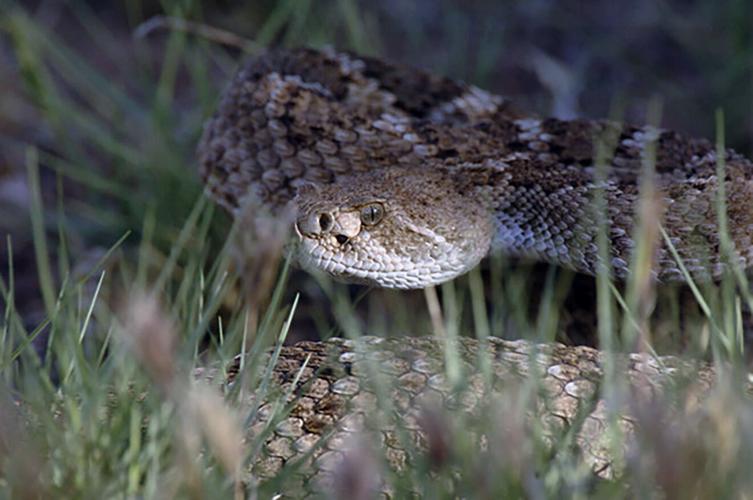
But it is also bringing about a less pleasant annual event to the outdoors: rattlesnakes.
Arizona Game and Fish warns that the rising temperatures make it more likely for people to encounter rattlers.

March marks the beginning of Tucson's rattlesnake season, when encounters in the desert — and at home — are the most common.
There are 13 different species of rattlesnakes in Arizona. That's more than any other state in the country, Audrey Owens, amphibians and reptiles program manager for the department, said in a news release.

Arizona Game and Fish warns that the rising temperatures make it more likely for people to encounter rattlers.
Species that are encountered most often across Arizona are the Western diamondback, sidewinder, Mojave, and black-tailed rattlesnakes, depending on location.
In Arizona's desert, rattlesnakes are most active from March through October. They might appear earlier in the year in other parts of the state as warming temperatures bring them out of winter hibernation sooner, the department says.
People are also reading…
Catalina Foothills resident Michelle Lespron returned home after a vacation to find a coachwhip snake inside a toilet. After a few unsuccessful removal attempts, a Rattlesnake Solutions employee managed to grab the snake with one hand while capturing a video with the other.
Video courtesy of Rattlesnake Solutions.
“If you see a rattlesnake on a trail, it may rattle its tail and coil because it is startled. These are defensive behaviors used to let you know it’s there," Owens said. "The best advice is to step back and let it move away."
"Rattlesnakes are not aggressive — most occurrences of rattlesnake bites occur when someone is trying to corner or capture a snake. If you leave it alone, it will leave you alone,” Owens said.
For additional information and resources about rattlesnake bites, contact the Arizona Poison Drug and Information Center at 1-800-222-1222.


 Rise in rattler calls sends Tucson-area snake crews scrambling