Water bills, trash services and several development costs are set to increase this summer amidst an increasingly expensive utility landscape in Southern Arizona.
The Tucson City Council approved the fees earlier this month along with the tentative budget for the city of about $2.4 billion, which sets the spending cap for the fiscal year that begins July 1. That's also when all the new fees go into effect.
Even modest monthly increases are raising concerns among renters and advocates for vulnerable adults, who say rising utility costs are compounding stagnant wages and higher rents. Meanwhile, homebuilders say the new development fees send mixed signals about the kinds of projects the city wants to encourage.
Tucson Water
Starting July 1, Tucson Water will start an annual 3.5% rate increase over the next four fiscal years until 2030, but not all customers will see the same rise in their monthly bills.
People are also reading…
The utility applies rate adjustments differently across different customer classes, said Silvia Amparano, its deputy director. She said the overall rate increase is for all customers, not just for residential properties
The service charge for the most common meter size will increase by about five dollars by 2030, while the volumetric rate will go up a few cents each year for residences that use up to 15 cubic feet.
Most single-family homes use about seven cubic feet per month, Amparano said. Their monthly bill will go up between $1.63 to $1.99 each year until 2030.
Total monthly utility costs on top of rent, gas and student loans remain a financial burden, says June Williams, 26, a renter and member of the Tucson Tenants Union.
“At the beginning of the month, an entire paycheck goes to rent and utilities, which I don't think is a good system,” she said.
But the water rate increase doesn’t concern her as much as the 13% rate hike proposed by Tucson Electric Power.
The case challenging the hike is making its way through a hearing process with the Arizona Corporation Commission. TEP says average households will see increases of $14 a month and up to $15.60 in the summer months. Arizona Attorney General Kris Mayes filed expert testimony against TEP in April, arguing the company could maintain reliable service with just a 4% increase.
TEP says the increase is necessary to recover the costs of grid upgrades, the effects of inflation, and maintaining service through more extreme weather.
“Following guidance from the Attorney General’s expert witness would put TEP at a great disadvantage against other utilities with industry standard returns in a competitive credit market, significantly driving up borrowing costs and leading to higher customer rates,” said TEP spokesperson Joseph Barrios.
Williams said compared to TEP’s potential increase, a few more dollars a month for water seems “shockingly low,” especially amidst ongoing concerns about the availability of Colorado River water.
“The water crisis is basically here,” she said. “As long as we have control over this money going to infrastructure, green energy, and also green uses of this water, that is what I would like to see.”
New meter connections will see a higher one-time fee Tucson Water says is necessary to recover the cost from acquiring Central Arizona Project water rights. The fee for the most common-sized meter will increase from $200 to $240, while larger water users will see increases in the thousands.
The overall rise of utilities in Tucson is also a concern for older adults, said Debbie Sisco Rich, Pima Council of Aging's chief operating officer.
Rich said many older adults on fixed incomes will feel even small increases in city services.
“Everything is going up at once, and for those older adults on fixed incomes, that has an even greater impact because they are navigating on such a short budget,” she said.
Environmental services
Certain trash and recycling pickup tiers will also get more expensive over the next few years.
Collection fees for the 48- and 65-gallon trash bins will remain the same. Pickup for the 95-gallon trash bin will increase $0.75 a year until 2030, eventually reaching $26 dollars a month from the current monthly rate of $23.
Also beginning July 1, the city will charge a $3 fee to all residences to support “illegal dumping cleanup, graffiti abatement, homeless encampment cleanup, homeless work programs and neighborhood cleanup events.”
The city’s special brush & bulky service, where residents can make an appointment for curbside pickup, is also increasing its service fee from $55 to $95.
Increased planning, development costs
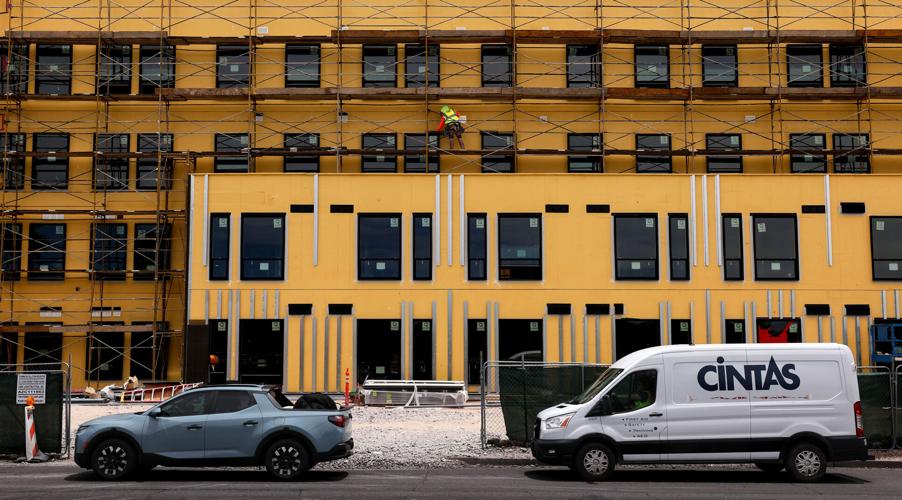
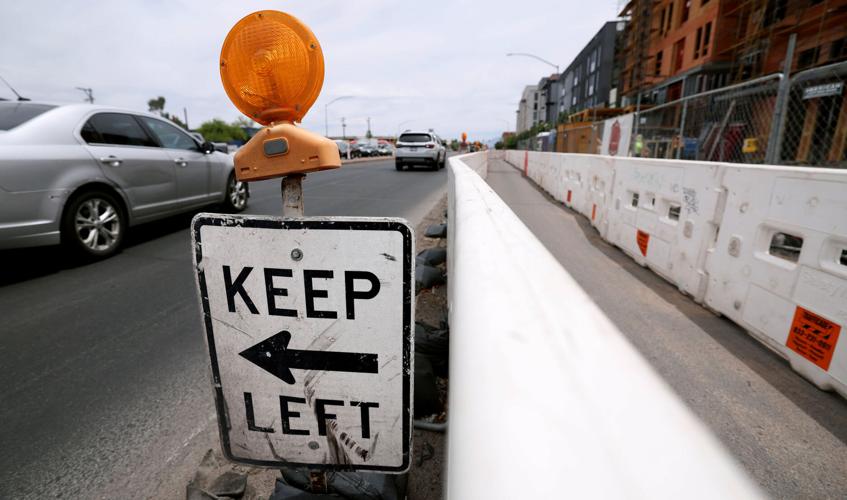
A brand-new set of fees under the city’s Department of Transportation and Mobility will also increase the cost of closing roads or lanes during construction, something developers claim is detrimental to the infill development the city is trying to incentivize.
There are currently no fees for lane closures in the city, said Lindsey Salcido, spokesperson for the Department of Transportation and Mobility. Starting July 1, it will cost $150 a day for every eighth-mile section of lane closure on a main road. For projects that close an entire street, that fee increases to $500 a day per eighth of a mile of road. There will also be separate smaller fees for closing local streets, pedestrian paths, bike lanes, or bus stops.
The city and the state have changed laws and policies to encourage more home building, especially in city centers, by allowing more guest homes to be added to properties, taller structures on vacant lots in existing neighborhoods, and easing the red tape for mixed-use development on older shopping center sites that include housing.
But the new lane closure fees will have disproportionate impacts on the cost of these infill projects, said Ryan Stucki, a board member of the Metropolitan Pima Alliance at the May 19 city council meeting.
“When you’re trying to build 10 or 20 lots or units on a constrained site, temporary use of the roadway is often unavoidable,” he said. “Those are exactly the projects that deliver attainable housing…and they align better with the city’s stated housing and growth policies.”
Councilman Paul Cunningham supported the fees, and said his office receives “non-stop” emails and calls about long lane closures in his ward.
“We have multiple projects that have gone over and caused longer lane closures and there's no incentive for people to pick up the pace and finish their project,” he said.
The city’s Planning and Development Services department is also increasing the price of the development review process. All projects must go through an initial step with the Zoning Examiner, Planning Commission, and Board of Adjustments, but a new fee of $800 would apply to projects that are sent back to these boards after the initial review.
Multiple reviews are “very infrequent,” said Koren Manning, the Planning and Development Services director.
With the approved increase in development fees, the price of a new home could go up significantly, which has disappointed homebuilders.
“The council had an opportunity to send a clear message of support for housing affordability and choice. Now we have mixed signals,” said David Godlewski, president of the Southern Arizona Home Builders Association. “On one hand, they’ve made important zoning changes to increase inventory and options; on the other, they’ve now raised costs making it more difficult to build affordably.”
Godlewski said policies that facilitate development of housing should be coupled with cost structures that make it affordable.
“If not,” he said, “it’s homebuyers who will lose out.”
SAHBA is assessing the cumulative effects of the fees, some of which will be applied to the planning process, some to the development process and others to actual construction.
“It’s safe to say it will likely be several hundreds of dollars per house,” Godlewski said of the impact.




 Northwest Tucson's Uptown project lands 2 restaurants, tasting room