CUT BANK, Mont. — Dr. Mary DesRosier’s whole life has been built on “medicine, Blackfeet, helping and healing.”
After growing up on her tribe’s reservation in the shadow of Glacier National Park and along the Canadian border, DesRosier left to become the first female Blackfeet medical doctor and returned as soon as she could to spend nearly three decades caring for patients, delivering babies and saving lives in the local Indian Health Services hospital.

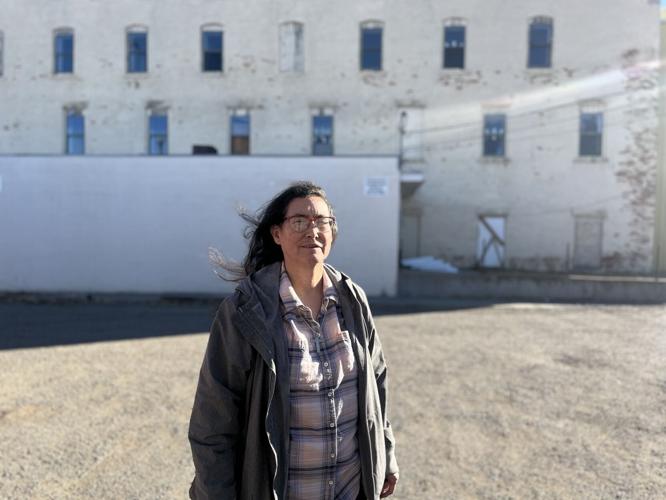
Dr. Mary DesRosier raised concerns to tribal leaders and federal investigators about what she said was over-prescribing of narcotics for patients at the Southern Piegan Health Center.
But after she took the job as medical director of the Blackfeet Tribal Health System in 2024, DesRosier said she immediately discovered something that concerned her gravely: tens of thousands of misprescribed and overprescribed opioids flowing “every month” out of the tribal health system’s Southern Piegan Health Center.
DesRosier believed those medications were ravaging and potentially killing her fellow tribal members, and she was determined to stop them, according to interviews and documents obtained as part of this Lee Enterprises Public Service Journalism Team investigation.
People are also reading…
So for nearly a year, DesRosier said she joined with others in the tribal health system and did whatever she could think of to introduce reforms at Southern Piegan. She said she tried to work with the health center and its administrator, Jennifer St. Goddard. She said she appealed to the tribal council to help implement corrective actions.
DesRosier also appealed for help outside the Blackfeet Nation, reporting her concerns to the Drug Enforcement Administration and the U.S. Department of Health and Human Services’ Office of Inspector General.

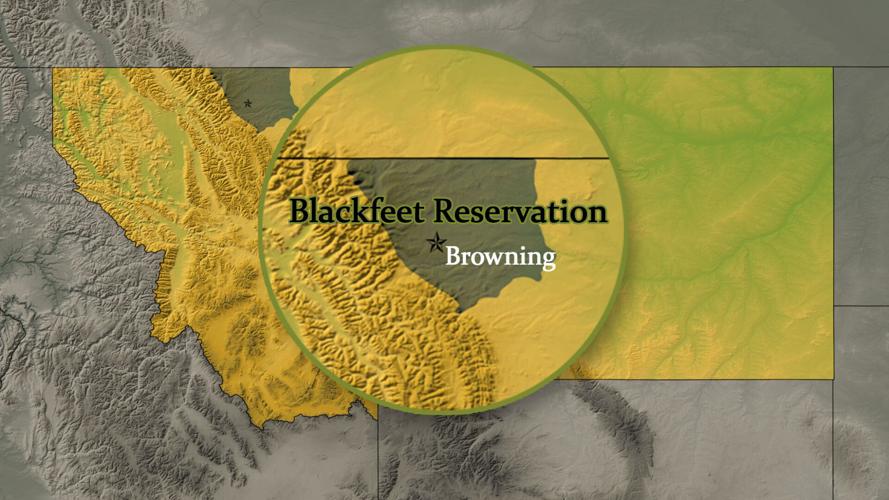
A map of the Blackfeet Indian Reservation located in northwestern Montana.
Then, on Jan. 21, 2025, a few days after a Southern Piegan patient died, DesRosier pulled Blackfeet tribal Chairman Rodney “Minnow” Gervais aside and told him that, in her “medical and professional opinion … the medical practices of the Southern Piegan Health Clinic are causing the deaths of Blackfeet people due to the over-prescribing of opiate narcotics.”
That’s according to a letter she sent the next day to the Blackfeet Tribal Business Council, the tribal health CEO and the tribal attorney.
In an interview with Lee Enterprises, Gervais called allegations that Southern Piegan’s prescribing practice had led to patient deaths “outrageous.” And while he said he took DesRosier's broader “allegations very seriously,” Gervais said the claim that SPHC engaged in harmful misprescribing “hasn’t been proven.”
St. Goddard said such allegations that SPHC was “killing people” were “unjust,” “unwarranted” and “unsubstantiated.” She also said that putting out such allegations was harmful to the clinic and the community.
DesRosier became discouraged and fearful that her efforts would lead to retaliation. So in the spring of 2025, DesRosier retired, pessimistic that change would ever come.
But earlier this year, it did, when St. Goddard announced Southern Piegan would cease prescribing opioids and end its pain-management program. Then, in April, soon after the tribe’s governing council voted to investigate her and the health center, St. Goddard resigned.
That left DesRosier feeling “vindicated,” she said, but it didn’t undo the harm she believes the clinic caused — and that she believes is still being felt within her tribe.
DesRosier said Southern Piegan’s prescribing practices were “significantly negatively affecting people's lives.”
“I think the people that are addicted to the medicines are going to have a real hard time,” DesRosier said. “And all I hope for is the majority of them — or all of them — will get the proper referrals to improve their global health, whether it's referral to a treatment program or referral to a rheumatologist that can actually treat the illness that's causing the pain, and thus get rid of the pain. The people that have depression and anxiety for life traumas, (I hope they) get the mental health support they need.”
‘I just love medicine’
DesRosier fell in love with medicine while a student at Browning High School, after a teacher took her and a handful of classmates to volunteer in the local IHS hospital’s laboratory.

Some believe a tribal clinic with a pain-management program was fueling harm by flooding the Blackfeet Nation with opioids. Supporters saw it as a haven for suffering patients.
So when a recruiter from the University of North Dakota’s Indians into Medicine program came to town, DesRosier got involved. From there she went to Harvard University, the University of Washington and medical school in Grand Forks, before returning to the Blackfeet reservation in 1995 to take a position with IHS.
While her specialty was family medicine, the short staffing and tight budget constraints that pervade the IHS system meant that DesRosier did everything from delivering babies to working in the emergency room to seeing patients for minor illnesses — often all at the same time.
“We would be on call for 24 hours,” DesRosier said. “So we would do a 12-hour shift in the ER, but at the same time, we would be on call for anything that was happening on the ward or any OB that came in. And so there would be times where you have somebody in the ER that's having a heart attack and you're running back and forth to deliver a baby or take care of somebody on the ward that might need a transfer to Great Falls. So those days were absolutely crazy and insane.”
As DesRosier also raised nine children, her home life was about as full as her professional life.
For decades, she juggled work and family life, while being continually thrust into the middle of the most difficult moments of the lives of her friends, family and community, DesRosier said. She would see, for example, a family friend in the ER and “not have him survive” or have “to tell my classmate that her son didn't survive the car crash.”
“Those sorts of things were really, really difficult,” DesRosier said. “But being able to deliver a mom's baby when there was a big crunch and we lost the baby's heart rate, and the baby came out, and we were able to resuscitate the baby, and all’s well that ends well … And there were a lot of times that we did help people. On a daily basis, we changed people's lives for the positive, not only in ER but also in clinic. I just love this patient interaction. I just lived for it, just to talk to another human being about what's going on in their life, physically, emotionally, mentally. I just love medicine.”
‘Medical oversight’
DesRosier’s love for her job began to fade from the pressures and exhaustion of the Covid pandemic. So when she turned 65, DesRosier said, “I just felt like I was ready to go.”
She retired from IHS on Nov. 18, 2022. But within a few days, DesRosier was pulled back into practicing medicine for her tribe.
The pull came from Garland Stiffarm, a longtime administrator for IHS who DesRosier credits with dramatically improving the finances and operations of the Browning hospital. Around the time DesRosier was trying to retire, Stiffarm had taken a position as chief executive officer of the Blackfeet Tribal Health System. He wanted DesRosier to join him, she said.
Stiffarm did not respond to requests for comment sent by email and through his former colleagues.
In 2022, Stiffarm recruited her to return as medical director of the Blackfeet Care Center, a skilled nursing home where she had long enjoyed attending Friday Mass and providing care to the tribal elders who resided there.
But by April 2024, Stiffarm was back with a new request: He wanted DesRosier to take over as medical director of the entire, sprawling tribal health system, which included an inpatient treatment center, an outpatient treatment program, a behavioral health clinic, a public health department, and other programs and clinics, including the Southern Piegan Health Center.
“They all deal with patients,” DesRosier said. “Most of them are run by nurses. But Garland wanted some medical oversight for the medical providers that worked for tribal health.”
DesRosier reluctantly agreed. But before she’d even completed her orientation for her new position in April 2024, DesRosier began to suspect something was very wrong with how Southern Piegan Health Center was treating patients at its clinics in Browning and in the small town of Seville.

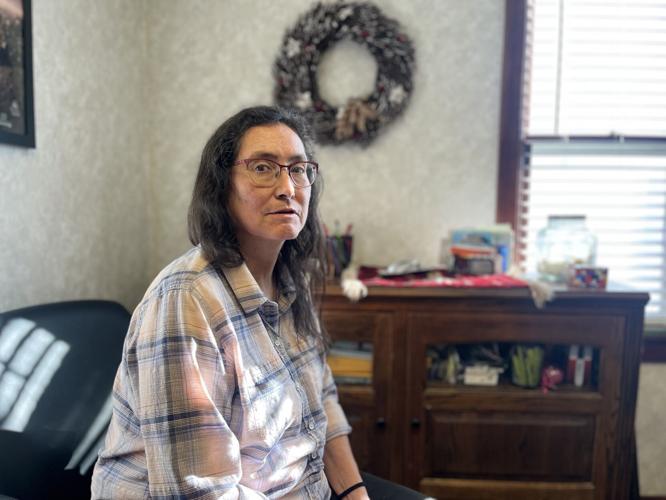
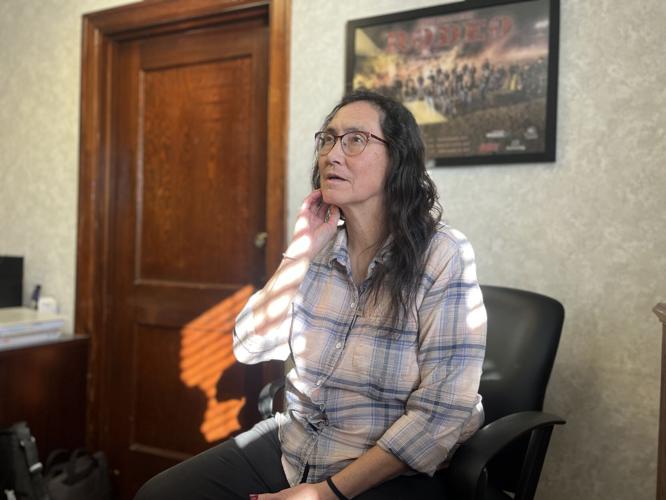
Dr. Mary DesRosier, a longtime Blackfeet physician, said she reported her concerns about Southern Piegan Health Center's practices to federal and tribal officials.
‘Fell off my chair’
DesRosier said her orientation at SPHC, which offers a tribally controlled mix of primary care, school-based care and other health care services on the Blackfeet reservation, began with Patricia Alderson, a nurse practitioner, showing her how to navigate the health center’s electronic health records system.
“And I just noticed that there was a lot of opiates,” DesRosier recalled. “And I said, ‘How many of your patients are on these?’ And I turned it to opiate (prescriptions), and she said, 'All of them,' and I just about fell off my chair.”
Efforts to reach Alderson by email, phone and through a lawyer who represented her in an unrelated case were unsuccessful.
But DesRosier said she wanted to see for herself why nearly all of SPHC’s patients were prescribed opioids, so she agreed to fill in at SPHC’s satellite clinic in Seville for a couple of days. DesRosier saw her first four patients on April 11, 2024, she said, and remained “absolutely shocked” by what she discovered.
“They were all chronic pain patients, and they were all getting 120 of oxycodone or hydrocodone and 120 of gabapentin,” she said, referring to a class of seizure and nerve-pain medication that was deemed a controlled substance in Montana in October 2025. “And some of them were getting valium and Atavin and things like that.”
It wasn’t just the amount, the combination and the frequency with which the clinic’s providers had been prescribing these drugs that alarmed DesRosier, she said. It was also what providers hadn’t done.
St. Goddard acknowledged that SPHC struggled at times to provide the best possible pain-management program, but she defended the care the Southern Piegan employees offered.
“I feel like as a team, we've done and been able to — in the midst of all of this chaos and stuff that's going on — we've done a really good job at still pushing forward our health center,” St. Goddard said.
‘High doses of opiate narcotics’
As she talked to patients and reviewed their charts, DesRosier saw that almost none of them had received the standard of care for chronic-pain patients.
“You have to assess what their pain is, when it started, how it started, what treatments have been tried and not and failed,” DesRosier said. “What specialists have they seen? It's all part of that. And almost all of them have never been referred to physical therapy. And physical therapy is absolutely an amazing treatment for lots of chronic pain. It works really well, and a lot of people completely recover from all sorts of things with physical therapy.”
Very few, she said, had seen orthopedic surgeons, had MRIs or received other kinds of care.
“They hadn't had proper consultations,” she said. “They were just month after month after month after month — when you look back — getting these high doses of opiate narcotics.”
After doing a “whole workup” on the patients, DesRosier said she would tell them, “These medicines that you've been taking for your chronic pain are not doing anything for your pain. They're just like a band-aid for a person that's hemorrhaging, and that isn't going to help your situation.”
So she would give them referrals to physical therapists, neurosurgeons, neurologists and other specialists who could treat their symptoms. While a handful were open to a change of care, most were not, DesRosier said.
“They just wanted to come in and get their pain medicine and go out the door,” she said. “And that's kind of what they were used to.”
After she would tell patients her plans for moving them off opiate narcotics and into other forms of treatment, DesRosier said she would often “get a note notification on the chart the next day that this patient no longer wanted to see me, that they were switching providers to Alderson.”

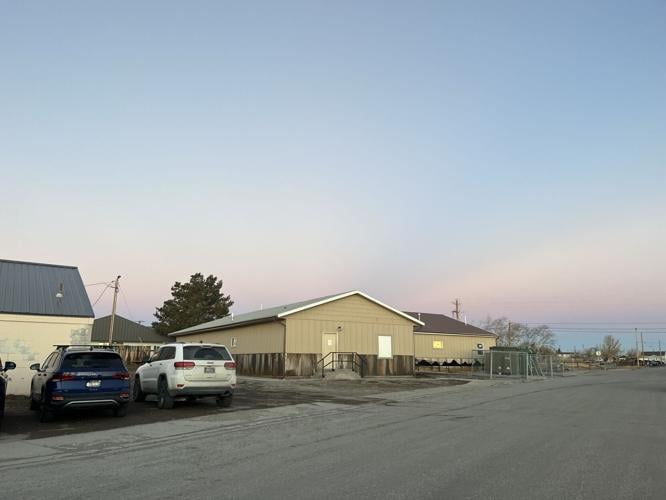
Concerns about the prescribing practices at the Southern Piegan Health Center, a tribally operated clinic, have roiled the Blackfeet Indian Reservation in northwest Montana.
‘A big, big problem’
DesRosier reported her concerns to Stiffarm and others in the tribal health system later in April 2024, she said, and they were supportive of her hope to get a handle on the scale of the problem she was facing.
So the longtime physician began a standard practice: reviewing patient charts to see how they had been treated and what they had been prescribed.
“I picked one day, and just looked at all the patients that happened to be scheduled that day,” DesRosier. “And I was shocked by how many pills (Alderson) prescribed that day.”
She was shocked because, for the 15 to 20 patients Alderson had seen that day, DesRosier counted 2,000 prescribed pills, all of them opiates and other controlled substances.
In some cases, she said, the notes indicated that patients had scored “significantly, extremely high” on depression and anxiety screenings but would not receive proper assessment or referral to a behavioral health provider.
Instead, DesRosier said, “they would just get their usual script for whatever they were on and no referral, no subsequent follow up for that particular issue. And that was a big, big problem.”
But DesRosier said she also noticed something else as she went through the charts: Alderson’s notes sounded a lot like notes she had written. And it turned out they were and had been “copy and pasted” repeatedly, DesRosier said.
DesRosier said she discovered this accidentally, while reviewing charts and finding that patients’ exam notes “had the same punctuation errors from six months, five months, four months, three months, two months ago, one month, last month. So they weren't changing their physical exam notes even. And their assessments were always the same.”
DesRosier said that she found the copying and pasting of notes “demeaning” to patients.
“That patient is not a human being in front of you,” DesRosier said. “That patient is a dollar sign. Get 'em in. Get them out. 'Let's go get our note done. Let's get all our I's dotted, and T's crossed, and we got $800 in our pocket.' And that patient, that human being sitting in front of you, doesn't really matter.”
St. Goddard, however, said that both tribal lawyers and a third-party review of the program supported the idea that copying and pasting patient notes is “a common practice of medical providers,” in some circumstances.
DesRosier said she also identified issues with the drug testing that is commonly considered best practice with opioid patients.
“We've had a lot of drug screens where the drug that they were (prescribed) wasn't in their system, but different drugs were,” DesRosier said.
In other cases, she said, people had tested positive for their prescribed medication but also for illicit drugs, like “ecstasy, MDMA, you know, fentanyl, meth, whatever, but they still got their script every month. It wasn't addressed. There was no note from the provider that said, ‘Well, this confirmatory drug screens showed fentanyl but we're still gonna give him a chance.’ There was no note that documented, 'Oh, his urine drug screen was inappropriate.' Just give him the meds.”
St. Goddard acknowledged the clinic was dealing with a lapse in drug-screening results being entered into the clinic’s electronic-health records system for a time, but said SPHC hired a pain-management care manager in November 2024 to help with pill counts, drug screenings and other “areas that were hard for us to follow up on.”

Dr. Mary DesRosier, a longtime Blackfeet physician, said she reported her concerns about Southern Piegan Health Center's practices to federal and tribal officials.
Calling in the DEA
As DesRosier’s concerns grew in late April 2024, Stiffarm organized a meeting with St. Goddard, the administrator of SPHC, and laid out a plan to end dangerous prescribing practices, DesRosier recalled.
The reaction from St. Goddard, DesRosier said, did not exactly express an openness to feedback and improvement. Rather, she said, it was “lightning and thunder and cuss words and pounding on the table” as St. Goddard allegedly rejected the plan laid out for reform.
St. Goddard and others at SPHC flat out “refused to recognize me as the medical director,” DesRosier said. “And they insisted that their medical director was the provider, Patty Alderson.”
As it became clear that “the administration of Southern Piegan was not going to work with me at all on what the problem was,” DesRosier did something drastic in the early days of May 2024. She called the DEA.
On May 13, 2024, DesRosier said she found herself on a call with federal investigators from the DEA and the Department of Health and Human Services' Office of Inspector General.
DEA investigation
A few weeks later, the investigators came to Browning to meet with DesRosier and Fonda Red Fox, who was working as the director of centralized billing for Blackfeet Tribal Health System and who had made her own efforts to report her concerns about SPHC within the tribe and to the DEA.
DesRosier said the investigators asked her to perform and share more chart reviews.
“And that's where we discovered that 35,000 to 40,000 pills were leaving that clinic every month,” DesRosier said. “Every single month.”
More specifically, DesRosier compiled an anonymized spreadsheet for the DEA that showed 35,603 pills were prescribed at SPHC in October 2023 and 40,066 in April 2024. She said other chart reviews indicated these amounts had remained relatively consistent for years.
DesRosier, Red Fox and others said they were subpoenaed in September 2024.
St. Goddard said in April that she had not heard from the DEA, but that investigators from DPHHS Office of Inspector General “requested all of our pain-management files” and that SPHC provided them in mid-2025.
Demanding change
While their investigation ostensibly continued in the background, DesRosier said investigators pushed her and others within the tribal health system to work with SPHC and the tribal council to implement and follow a chronic-pain policy that adhered to “standard-of-care medicine,” DesRosier said.
DesRosier said she did so, even going so far as recruiting new “providers who knew this type of medicine, who knew the drugs, who knew the alternatives, who worked in chronic pain to come. And we were developing the whole program to essentially take over the treatment of these patients that were being treated inappropriately.”
DesRosier said she installed that team in the tribe’s public health department, where a physician with a background in chronic-pain care was brought in to help SPHC patients transition safely to lower doses and address their underlying issues.
On Nov. 8, 2024, Stiffarm and Lyle Rutherford, a member of the tribal business council who then chaired its health committee, put their demands for change in a letter to St. Goddard, the clinic’s administrator.
That letter referenced DesRosier’s chart reviews and noted several “issues of concern,” including “over-prescribing of opiate narcotics, improper documentation of visits, and incomplete evaluation of patients receiving opiates for chronic pain.”
Gervais, the chairman, was among those cc’d on the letter. But DesRosier said Gervais and most of his colleagues on the tribal council “wouldn't work with us,” DesRosier said.
Gervais told Lee Enterprises he and others in the tribal government “of course” took her “allegations very seriously,” but said, “We couldn’t act on things without proper information.”
DesRosier said, “The majority of the council would defend what Southern Piegan was doing. And then a patient died.”
After that death, DesRosier said she felt a new urgency to press the tribal council to take action and reform Southern Piegan.
In a Jan. 14, 2025 letter addressed to the “Honorable Members of the Blackfeet Tribal Business Council,” DesRosier and Stiffarm brought forward what they described as “a matter of utmost urgency, one that touches, not only on the health and safety of our people, but also their dignity and trust in the systems meant to protect them.”
It was a week after DesRosier and Stiffarm sent their letter that DesRosier confronted Gervais, the tribal business council’s chairman, and again urged the tribe to act.
Soon after, on Feb. 20, 2025, the tribal council passed a pair of resolutions.
One reinstated St. Goddard, Alderson and another nurse who had been placed on leave. The other moved the health center out of the control of Blackfeet Tribal Health and under the supervision of the tribal council and health board. DesRosier, Stiffarm and tribal health were no longer in charge.
‘A giant relief’
After being told that St. Goddard had announced in her February letter that SPHC would end its pain-management program and stop “prescribing any chronic pain medications, opioid or otherwise,” DesRosier called it “a giant relief.”
“It feels like I'm being vindicated, right?” DesRosier said. “But the most important part of that whole thing is, patients are not going to be harmed. And at the end of the day, that's the goal.”
And though it took time, DesRosier believes her efforts made a difference.
“If I wouldn't have done what I did — if Fonda and I wouldn't have done what we did — the clinic would not be at this point,” DesRosier said. “Patty (Alderson) would still be prescribing opiates like crazy. People would still be dying. People would still be not being treated for what their conditions are. On and on and on. It would still be just going on, and nobody would even know it or care.”

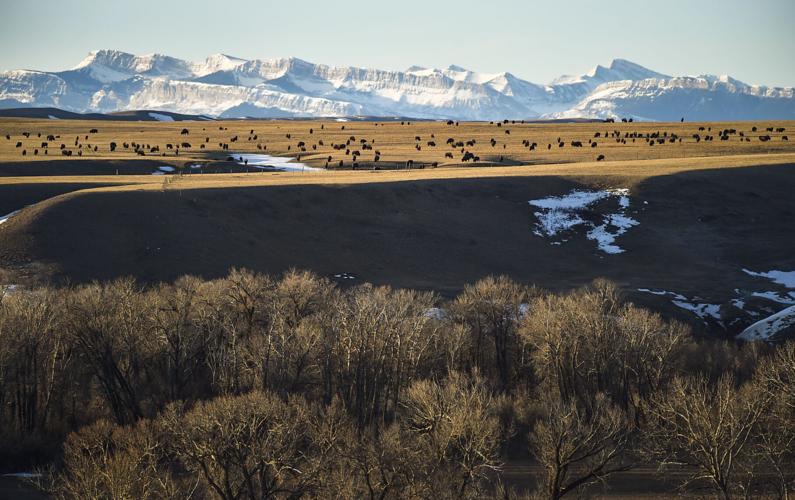
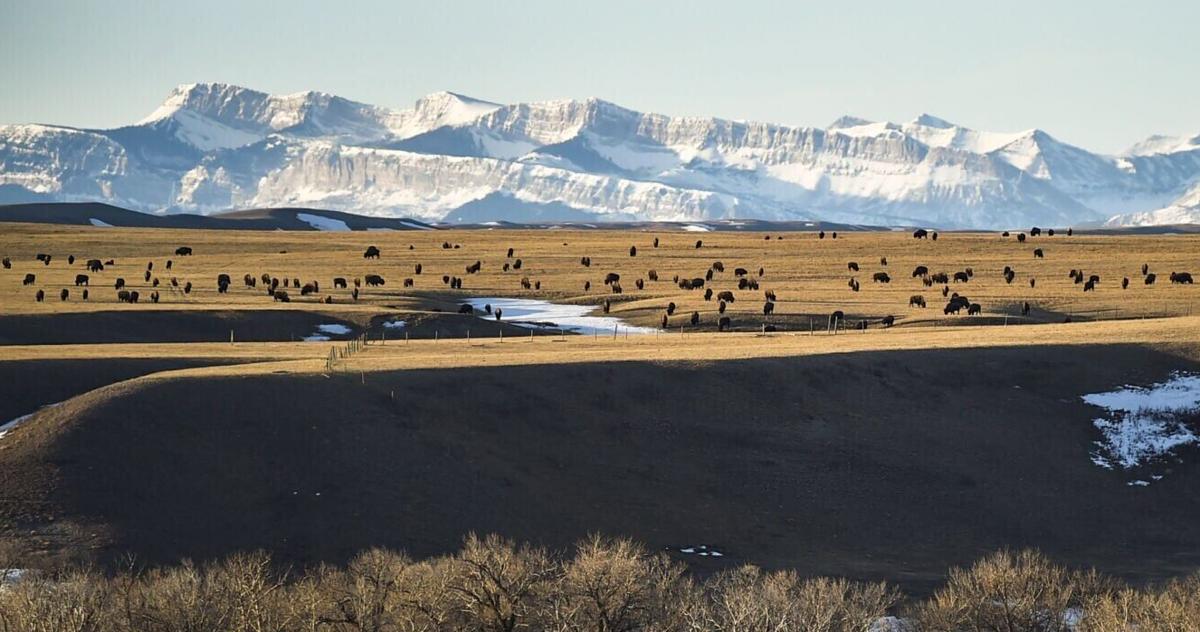
Bison from the Blackfeet Buffalo Program graze on their winter range along the Two Medicine River. The tribe has about 700 bison in the herd, and this year they harvested about 20 to distribute across the community.
‘A real dark place’
DesRosier wasn’t around to see the changes she called for being implemented. She has been gone from the tribal health system and the practice of medicine since March 11, 2025, when she retired over fears she would soon be retaliated against and fired.
Because her departure occurred abruptly and she “had a bunch of stuff that still needed to be completed,” DesRosier went into her office to tie up loose ends that she felt she “needed to finish.”
As she was working, she said, “security showed up and escorted me out of the building.” She wasn’t even able to collect her certificates and diplomas and other mementos. It was a devastating end to a three-decade career serving her tribe, and it sent her to “a real dark place,” she said.
“So now what am I going to do with my life?”
Ted McDermott has been a reporter and editor at newspapers in Missoula, Butte and Spokane. His reporting has earned numerous journalism awards, including the A-Mark Prize for Investigative Reporting and first place for Coverage of Indigenous Communities by a non-Native reporter from the Indigenous Media Awards.