

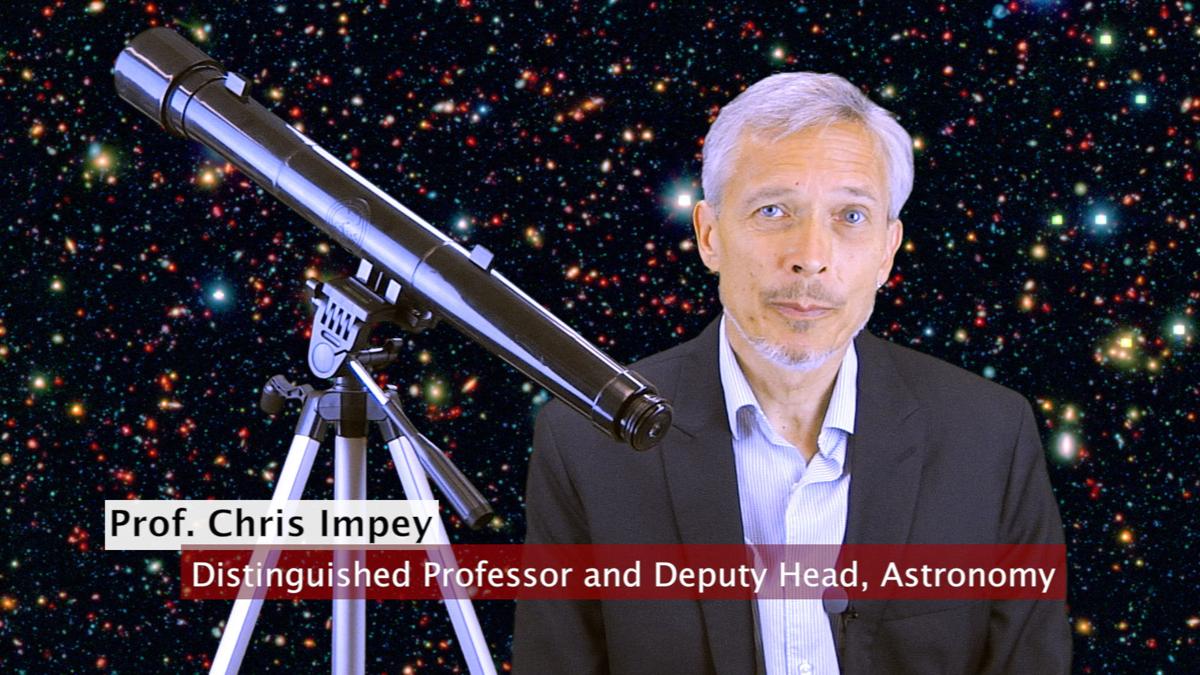
Massive open online classes, or MOOCs, are shrinking the world of education and in the process bringing cutting-edge astronomy to tens of thousands of people.
I’m teaching MOOCs through Coursera and Udemy, and so far, over 100,000 people from over 180 countries have signed up.
Students learn about recent discoveries in astronomy, such as the growing haul of Earthlike planets orbiting other stars, and hints about the nature of dark matter and dark energy. They also get to see how astronomers are building a new generation of giant telescopes that will cheat the blurring effect of the Earth’s atmosphere. Both courses are free and open to anyone.
All the material is online, with a centerpiece of 22 hours of video lectures, supplemented by readings, quizzes, podcasts, discussion boards and live video Q&A sessions. The students participate in citizen science projects as a way to get hands-on experience with real data. My team and I are using the classes to research how people learn, to help improve online classes at the University of Arizona.
People are also reading…
I’ve had email from students in developing countries who couldn’t attend a university class where they live. The internet now reaches places with no electricity or running water. MOOCs are helping to democratize education.
The courses have had 6,000 students enrolled from India, more than from England or from Australia. And lone learners from far-flung locations like Bhutan, Tajikistan, Somalia and Vanuatu are represented.


