The rematch between Ron Barber and Martha McSally is looking a lot like it did two years ago.
With something in the range of 40,000 ballots left to be counted, it could be several days before the winner is known.
Cochise County had reported only early ballots by late Tuesday night. None of those cast on Tuesday at polling places were reflected in vote totals.
In 2012, the race between Barber and McSally was decided 17 days after election day, with Barber winning by 2,454 votes.
On election night, both candidates were cautious in their statements, knowing the remaining ballots this time is even closer — Barber had a 250-vote lead over McSally as of late Tuesday night.
Roughly 32,000 ballots, early and provisional ballots, had not been counted on Tuesday night in Pima County as well as those from 58 uncounted precincts. It was not known how many ballots were left outstanding in neighboring Cochise County.
People are also reading…
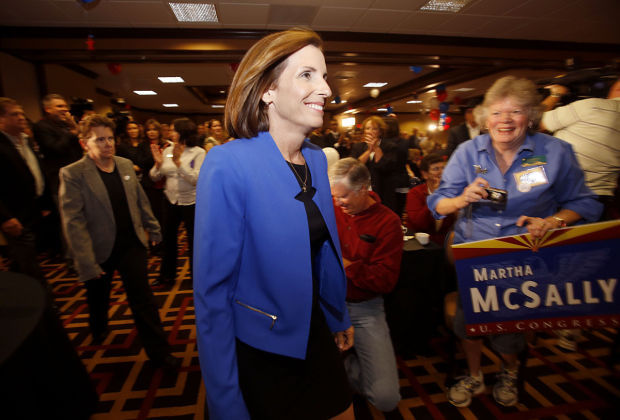
McSally remained optimistic Tuesday night.
“We still have a lot of ballots to count. These are the trends we saw in 2012. Not saying the results will be the same,” she said.
She told her campaign supporters on Tuesday night they left no stone unturned in their fight with Barber.
The retired Air Force colonel was trailing on election night, but said she was proud of the race she ran.
“Of course it would be better to win. But you know what? We’ve done everything we can. We didn’t leave anything on the table,” McSally said.
If elected, McSally said her top priorities would be to keep the A-10 flying, protect Davis-Monthan and Fort Huachuca from cuts and securing the border with Mexico.
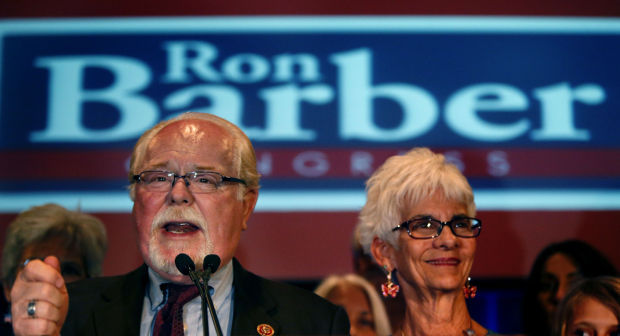
Barber also acknowledged the similarities with the 2012 race shortly after early results were released on Tuesday night.
“We’ve been in this rodeo before,” Barber said.
Later, he touched on the controversy in the 2012 ballot count again.
“We’re going to make sure every last ballot is counted,” he assured supporters.
Barber touched on a laundry list of campaign issues, vowing to preserve Social Security, and Medicare for future generations, a woman’s right to choose, and support for education if re-elected.
“We said from the beginning this would be a campaign about policies, about issues, not about personalities,” he said.
But Barber also was confident in his chances.
“We’re going to win this race,” he said confidently.
Barber has spent most of the campaign painted as one of the House’s most vulnerable Democrats by a number of political publications.
The close race is partially attributed to registration numbers in CD2 that favor Republicans, with 126,619 registered GOP voters versus 122,875 Democrats — but nearly a third of the voters in the swing district are independents.
McSally’s announcement late last year that she would again seek the GOP nomination triggered an influx of cash flowing into the race from partisan groups with Americans for Prosperity targeting Barber for defeat late in 2013.
The Center for Responsive Politics, a nonprofit, nonpartisan research group tracking money in U.S. politics, estimated $16 million has been spent on in the congressional race since the beginning of the year.
The flood of cash translated into flooding television airwaves, social media and radio stations.
One estimate suggested more than 5,300 ads aired in Tucson during a two-week period in October.
Former Congresswoman Gabrielle Giffords played a role in the race, as ads tried to drive a wedge between Giffords and her former district director over Barber’s support for Minority Leader Nancy Pelosi as speaker.
But it was a television ad aired by the political action committee formed by Giffords and her husband Mark Kelly, Americans for Responsible Solutions, that drew national attention and seemingly backfired.
The group attempted to tie McSally to a local double homicide 14 years ago, using a narrative by a grieving mother who lost both her husband and her daughter when a stalker gunned down his former girlfriend.
The ads suggested McSally didn’t support legislation that would have kept guns out of the hands of stalkers.
The ad drew a fiery reaction from McSally, who told the press that she had her own problem with a stalker in her past and stated she does oppose gun sales to convicted stalkers. She demanded the ad be taken down.
Americans for Responsible Solutions took down the ad, claiming victory because McSally clarified her position on gun control.
By the end of the campaign, McSally was telling crowds to ignore all of the ads, labeling them all as full of lies.
McSally wound down the campaign trying to insist the ads attacking her were completely without any merit, suggesting she even hated puppies.
Barber spent most of the campaign focusing on his independent roots in the Republican-leaning district.
In his political stump speech, Barber repeatedly cited a study by National Journal that found he is the fourth-most-independent member of Congress.
Several of his ads don’t even mention he is a Democrat, stressing instead his independent streak in Congress.
Barber has gained a reputation of working across the aisle to get legislation passed, including fighting with his own party to keep the A-10 flying.
He was part of a bipartisan coalition that blocked plans by the Pentagon to slowly ground the close air support aircraft, although the fight will continue in December as a stopgap funding measure runs out.
Barber was also critical of the Obama administration, saying the federal government has repeatedly failed to secure the border by ignoring illegal immigration and drug smuggling in Arizona.

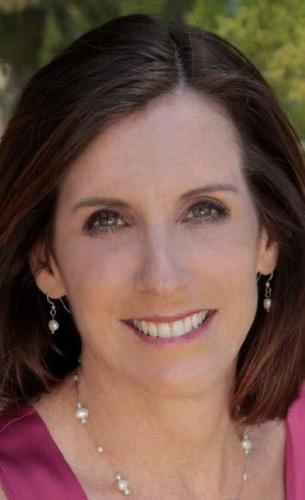
Martha McSally, candidate for Congress, Dist. 2

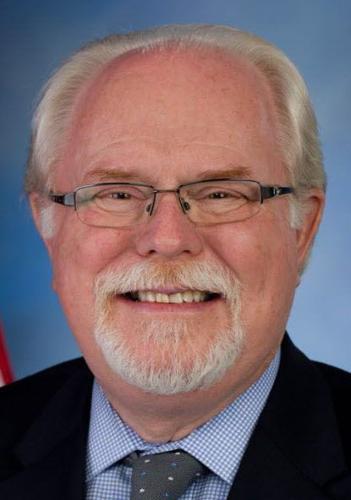
U.S. Rep. Ron Barber, District 2
Contact reporter Joe Ferguson at jferguson@tucson.com or 573-4346.

Joe Ferguson
Reporter