With the war in Iran slowing the global flow of oil and causing extreme swings in stock markets, it's natural to want to do something to protect your retirement savings.
Historically, though, staying calm usually is best.
The U.S. stock market has a track record of recovering from every steep drop it's taken. Whether it's a global financial crisis, a trade war or a military war, the S&P 500 so far always recouped its losses to push toward more records.
Of course, that can take years, but anyone who moved their 401(k) investments out of stocks risked missing out on the recovery and further gains.

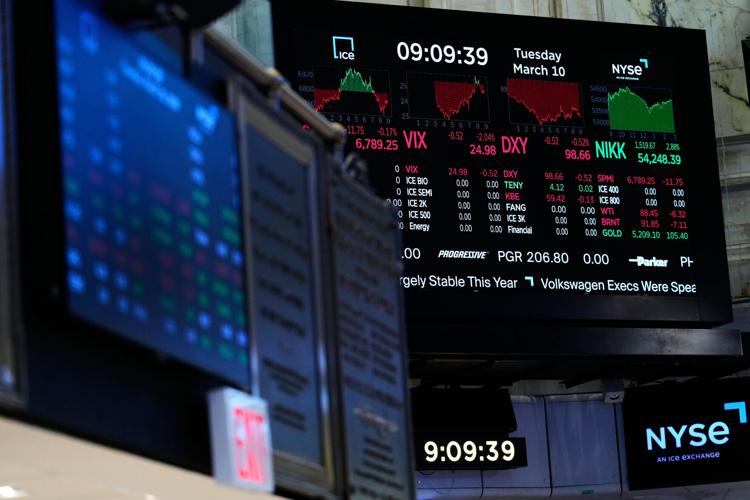
Screens display financial information March 10 on the floor at the New York Stock Exchange.
Will that happen again? No one can say for sure, and some things are different this time around. But many professional investors and strategists are sticking with the advice they usually give: As long as it's money you don't need soon, which should never be in stocks in the first place, try to be patient and ride out the stock market's swings, tough as it is.
People are also reading…
Huge swings, little change
The S&P 500 is only 4.4% below its all-time high, which was set in January, as of March 12's close. It feels worse because of how sharply stock prices have swung recently, often hour to hour as well as day to day.
Several times since the start of the Iran war, the Dow Jones Industrial Average plunged about 900 points in the morning only to erase its loss later in the day or come close to it.
The U.S. stock market doesn't often behave exactly like this, but it has a regular history of falling to steep losses before rising again.
The S&P 500 saw a decline of at least 10% every year or so. Such drops are common enough that professional investors have a name for them: a "correction." Often, experts view them as a culling of optimism that could otherwise run overboard and drive stock prices too high.
Should you sell now?
Selling your stocks or moving your 401(k) investments away from stocks and into bonds may offer less chance of seeing huge drops. However, getting out of the market also would mean having to figure out the right time to get back in, unless you're willing to give up any future recovery and gains.
Timing the market correctly is always difficult. Some of the best days in the U.S. stock market's history were clustered in among downturns.
Some recoveries take longer than others, but experts often recommend not putting money into stocks that you can't afford to lose for several — up to 10 — years. Emergency funds, for things like home repairs or medical bills, should not be invested in stocks.
If you're new to investing
Apps on smartphones made trading easier and cheaper than ever. That's helped draw in a new generation of investors who may not be used to such wild swings in the market.
The good news is younger investors often have the gift of time. With decades to go until retirement, they can afford to ride the waves and let their stock portfolios hopefully recover before compounding and eventually growing even bigger. For them, drops in prices may almost be like stocks going on sale.
If you're near retirement
Older investors have less time than younger ones for their investments to bounce back.
People who already retired may want to cut back on spending and withdrawals after sharp market downturns, because bigger withdrawals will remove more potential compounding ability in the future. Even in retirement, some people will need their investments to last 30 years or more.

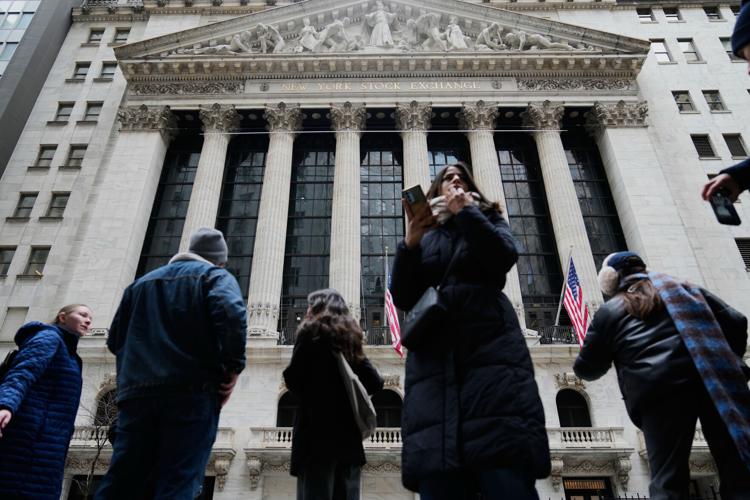
Pedestrians mill about March 6 outside the New York Stock Exchange.
Raiding a 401(k)
If you have no other choice, you have no other choice. But selling stocks in your 401(k) account and withdrawing cash packs a double whammy. One, you may have to pay tax, as well as a possible 10% early withdrawal penalty. Two, a withdrawal means no chance of those investments recovering their losses and growing over time.
A 401(k) loan is possible in some cases, but those come with their own peculiarities and possible penalties.
If you have a pension
You don't have to pay as much attention to any of this. Defined-benefit pensions, which few U.S. workers still have, mean you're in line to get a defined payment regardless of what the stock market does.
Some differences this time
When stocks are falling, prices for Treasury bonds and gold often rise as investors move into investments considered safer. That's why many advisers suggest keeping a diversified portfolio, to help smooth out shocks.
This time around, though, Treasury prices were hurt by worries about high oil prices and inflation. Gold's price also struggled occasionally when yields on Treasury bonds climbed. That's because gold, which pays its investors nothing, looks less attractive when Treasurys pay more in interest.
How long will this last?
No one knows, and don't let anyone tell you otherwise.