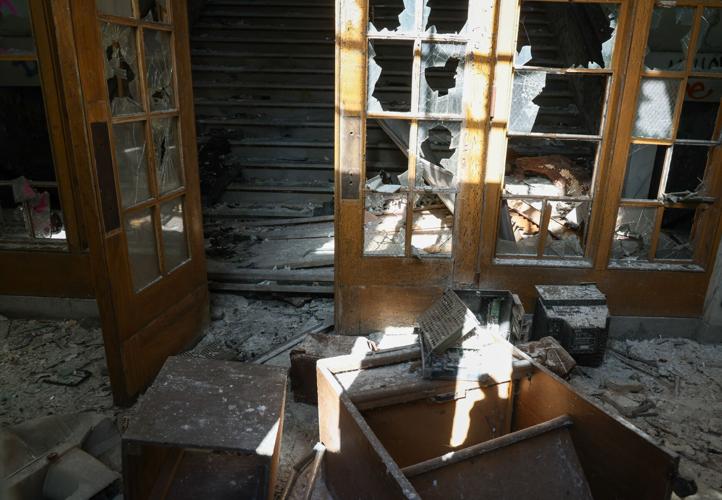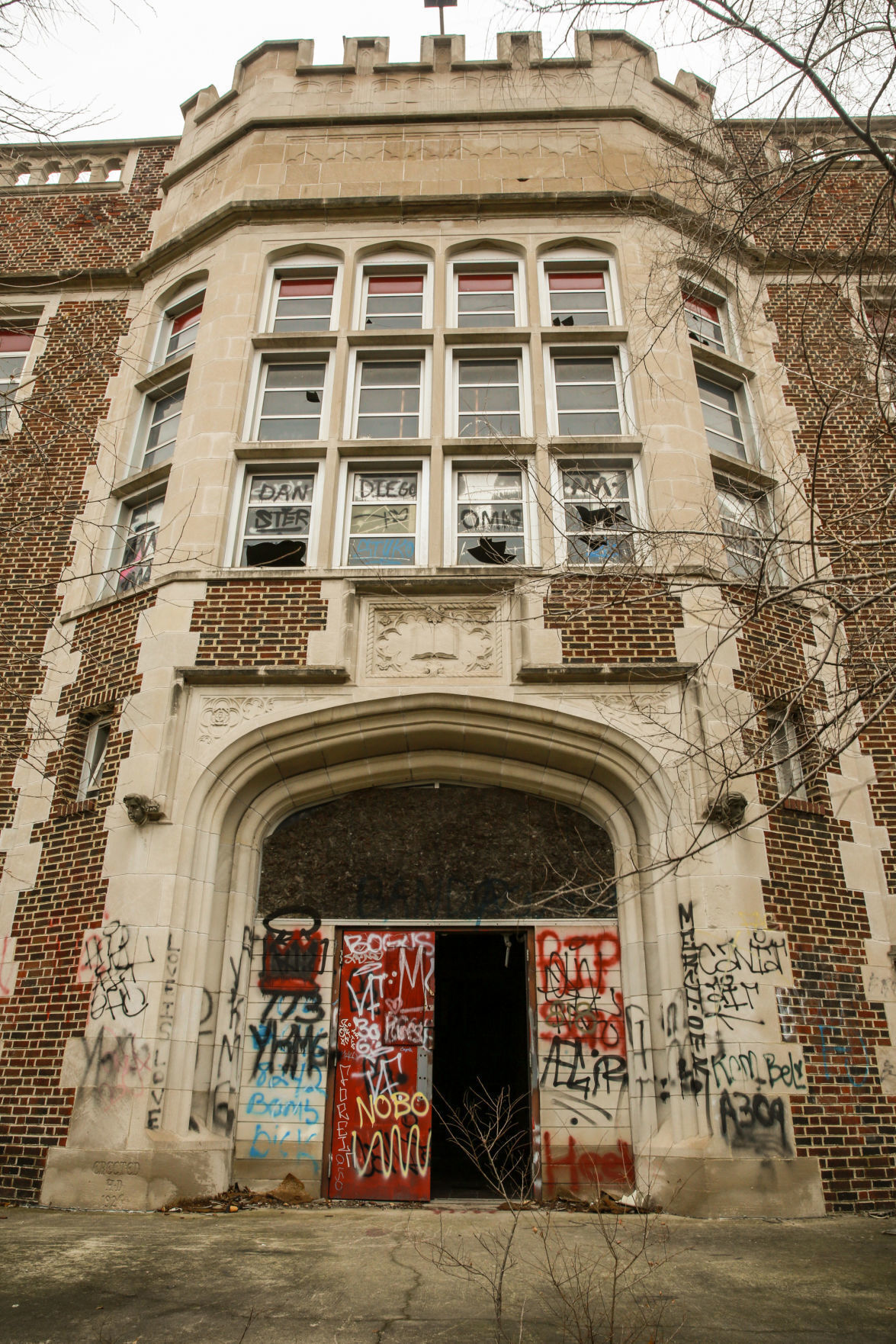
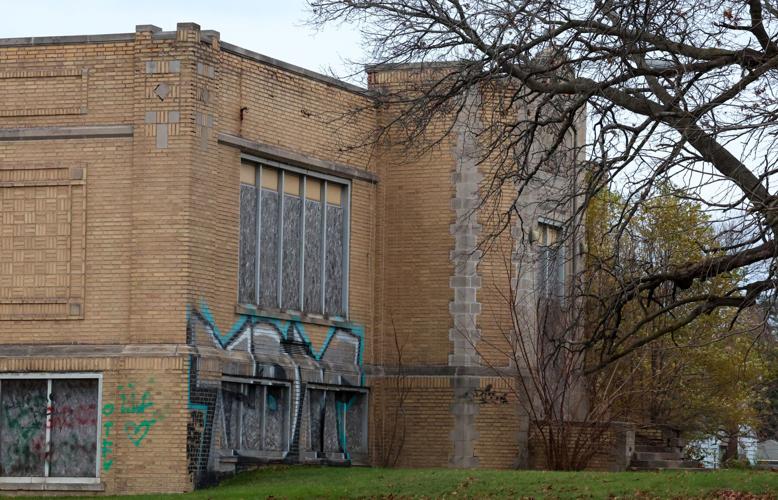
More than 28 abandoned and boarded up schools in Gary, Indiana, contribute to urban blight — and in some cases have served as scenes of the worst possible crimes.
Local leaders say they are hopeful to turn the tide on a growing list of dilapidated school buildings, some of which were considered significant historic landmarks but now are in a state of ruin.
When The Times of Northwest Indiana first investigated this issue six years ago, there were 21 vacant school structures. Some of the government-owned buildings have since been demolished while additional schools have closed, bringing the current total to 28 boarded up behemoths spread across the city in a problem that has outpaced any attempted solutions.
People are also reading…
The blighted schools have attracted crime ranging from trespassing to homicide.

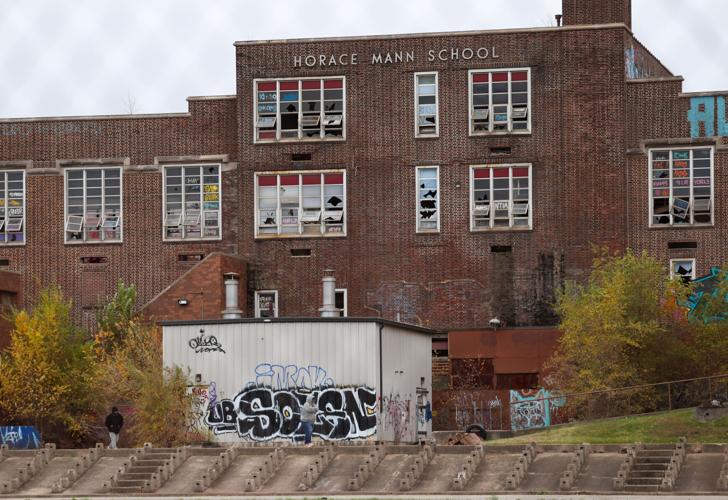
Horace Mann High School, 524 Garfield St., has been the site of several crimes from vandalism to arson. The three-story building was most recently set ablaze in 2023 and had ten 911 calls over the course of five years between 2019 and 2024.
The Times and the Lee Enterprises Public Service Journalism Team obtained 911 police call logs for the abandoned Gary schools from Lake County spanning 2019 through Nov. 1, 2024.
There were 1,833 calls at those structures during that time, of which 711 were for extra police patrols. The records do not detail how many hours were spent manning those buildings with additional patrols, but Gary Mayor Eddie Melton said any amount of time is too much.
“Any time they’re pulled away from just basic patrol or other situations, we are trying to limit that,” said Melton, highlighting that vacant buildings often are the sites of break-ins. “We are seeking funding from the state, $15 million, to address residential pockets throughout the city.”
But past attempts at remediation have been painfully slow — and have come too late to prevent serious crime.
Scenes of tragedy
In 2015, 17-year-old Chicago resident Connita L. Richardson was found dead inside Emerson High School, 716 E. 7th Ave. She had been strangled and raped, authorities said.

Gary's Ralph Waldo Emerson High School, 716 E. 7th Ave., sits in ruins on the city's east side.
That same campus also was set ablaze in multiple arsons over the last five years and is now in a state that is possibly beyond repair, according to local officials.
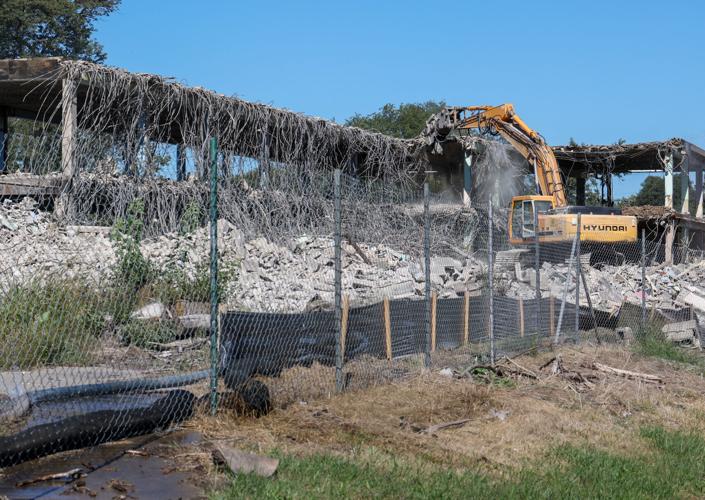
In 2019, the body of Adriana Saucedo was found in the shuttered Norton Elementary School two days after she was shot and killed by three teenagers in a car in Portage. In June of last year, the Indiana Distressed Unit Appeals Board — which at the time oversaw the Gary Community School Corp. — approved the demolition services for the former Norton Elementary. The estimated $750,000 demolition of the school, which had been vacant since 2006, began in September.

Norton Elementary School, 1356 Harrison St., was demolished in September 2024. The building had been vacant since 2006. The body of Adriana Saucedo, 27, was found in the school's gym in 2019 after she had been fatally shot.
Records obtained from the Gary Police Department show a significant increase in 911 calls to Gary schools in recent years. Gary police responded to 1,833 calls across twenty two GCSC properties over the five year timespan.
Roosevelt High School, 730 W. 25th Ave., had nearly 900 calls — the highest of all of the other abandoned Gary schools. Roosevelt, which was built in 1930 exclusively for Black students as the U.S. was still segregated at the time, had over 3,000 students. The two-story school is located just steps away from the legendary singer, songwriter and “King of Pop” Michael Jackson’s family home. It closed in 2020 after pipes had burst the previous year. The school in 2024 was added to the Landmarks' list of 10 Most Endangered Places in Indiana.
While the district saw a steady decline in 911 calls from 2019 to 2022, the number of calls jumped up from 109 in 2022 to 752 by Nov. 1, 2024. That is a 590% increase in 911 calls over two years.
The department categorized the calls into 77 categories for the five year timespan. They range from tripped fire alarms to suicide attempts, but the greatest number of calls fell under “extra patrol,” which accounted for 711, or 38%, of the calls.
The ten most frequent reasons for calls include:
- Extra Patrol: 711
- Alarm: 501
- Premise Check: 80
- Suspicious Activity: 66
- Suspicious Vehicle: 50
- Suspicious Person: 47
- Trespassing: 38
- Shots Fired: 26
- Burglary: 24
- Structure Fire: 23
- 911 hangup: 18
When asked about the problem of blighted schools, school district officials provided a written statement but would not agree to an interview to discuss the portion of derelict properties they currently own. Based on recent property tax records, the district owns at least five of the 28 properties, but officials would not confirm that number. Other owners include government agencies and private parties.
Multiple initiatives are currently in place to address the number of vacant school buildings and blight elimination. The city is also working on urban restoration efforts.
But Gary has seen many advantageous plans in the past that either failed or were never carried out, city leaders agree. Many of those initiatives began with expensive studies on Gary’s economy and population, costing thousands of dollars.
The city's mayor said he now is taking a different approach.

Wirt/Emerson High School, at 210 N Grand Blvd., had the highest number of 911 calls out of over 20 vacant school properties throughout the city. There were 889 of over 1,800 calls made to the facility between 2019 and 2024. The city currently owns the property.
New path to reform
“Instead of giving a consulting firm money to start from scratch, we're pulling our experts and other firms that we partner with to say, ‘How do we take the best of all of these studies and compile something that is relevant in 2025 and beyond to give us a road map on development throughout the city,’” Melton said. “What's the highest and best use for most of these abandoned structures or the acreage that these schools sit on?”
The city is pooling together sources of funding to dedicate to urban restoration.
A 2023 Indiana law, sponsored by Melton when he served in the state Senate, entitles Gary to receive $3 million from the Northwest Indiana Regional Development Authority (RDA) prior to June 30 for blight elimination, so long as Gary puts up $3 million of its own, the Times previously reported.
Senate Enrolled Act 434 (2023) allows Gary to obtain a second $3 million blight elimination payment from the RDA during the 2025 state budget year that began on July 1, 2024, if the city matches the amount using tax revenues or donated funds.
Digging out of a blight hole
But undoing the effects of sustained neglect and determining whether vacant buildings need to be demolished or can be turned into something useful will take years.
The city is tasked with addressing decades of blight spreading into its neighborhoods because of ineffective government spending, the lack of oversight and plummeting population among other factors, many local experts agree.
Earlier this year, the city announced a partnership with the Notre Dame School of Architecture’s Housing and Community Regeneration Initiative. The collaboration is meant to attract new businesses and talent, starting with the Broadway corridor downtown and more efforts extending throughout the city.
Marianne Cusato, director of the Housing & Community Regeneration Initiative, said discussions with the community so far have resulted in positive conversation and a hopeful future. But the changes won't happen overnight.
“You have miles and miles of city that needs development, and you can’t physically do it or financially do it all at once,” she said. “You don’t want it to happen all at once because that’s when things get sloppy. That’s when you take shortcuts. The city should want to see progress but want it to be deliberate and move in an order instead of just progress for the sake of progress.
“Because progress for the sake of progress will not benefit anyone except for an outside contractor.”
Roots of blight
The city was once thriving with job opportunities, particularly those in the steel industry. The five steel mills in Northwest Indiana, which are now closed, used to employ 100,000 residents.
In the 1960 U.S. Census, the city was home to 178,320. This year, there are 67,199 residents — a roughly 62% decline. Census data also shows the average median household income was $35,033 in 2023, and the city had a 47.4% unemployment rate.
The population decline has meant a rash of school closings over the years, contributing to the problem of blighted crime scenes the city has been experiencing.

Ernie Pyle Elementary School, 2545 W 19th Ave., had five 911 calls between 2019 and 2024.
Gary was named after Elbert Gary, the chief organizer of the United States Steel Corporation, the world’s first billion-dollar corporation.
The city, founded in 1906, saw a rise in its population of Black residents post World War I. Racist housing laws and racial prejudice worked to keep down property values in Midtown — a downtown neighborhood of largely Black residents. This practice, called redlining, was federally sanctioned by the Home Owners Loan Corporation according to research by the University of Chicago.
It systematically made diverse and older neighborhoods ineligible for housing loans while incentivizing white residents to move to new suburban developments. Meanwhile, U.S. Steel downsized by the 1960s and laid off a large percentage of its labor force.
The effects of white flight, redlining and downsizing of industry caused Gary’s population to continue to dwindle.
The impact on the school system has been catastrophic. Only this year did the Gary Community School Corporation regain local control after seven years of being run by the for-profit Florida company MGT Consulting Group.
The company took control in 2017 when the district had racked up over $100 million in debt, had a $22 million operating deficit, could not pay vendors and frequently struggled to make payroll. Repeated failure to pay tax withholdings from employee paychecks to the IRS also caused the district to fall $3 million behind on paying employee health insurance premiums.
When state lawmakers voted in the spring of 2017 to place DUAB and an emergency manager in charge of Gary schools, the district had been struggling financially for years.
Forced closures
Declining student enrollment, competition from other private or charter school alternatives and low property tax collection deteriorated the Gary school district’s finances. The challenges led to closure of a number of schools, including Webster, Brunswick, Jefferson and Watson elementary schools, Lincoln Achievement Center, Dunbar-Pulaski Middle School and Lew Wallace High School.
Voters in Gary didn’t seem interested in providing the district any relief, with school referendum measures rejected in both 2015 and 2016.
Initially, Senate Bill 567 would have appointed a state emergency manager to take control of the district’s finances. However, by the time legislators approved the final version, it stripped away nearly all power from the elected school board and superintendent and vested it in the emergency manager.
By the time MGT was selected by DUAB to run the district's day-to-day operations, there were only weeks before the start of classes.
“There was no transition,” DUAB executive director Peter Miller told The Times.
The new leadership would find the district’s finances in total disarray.
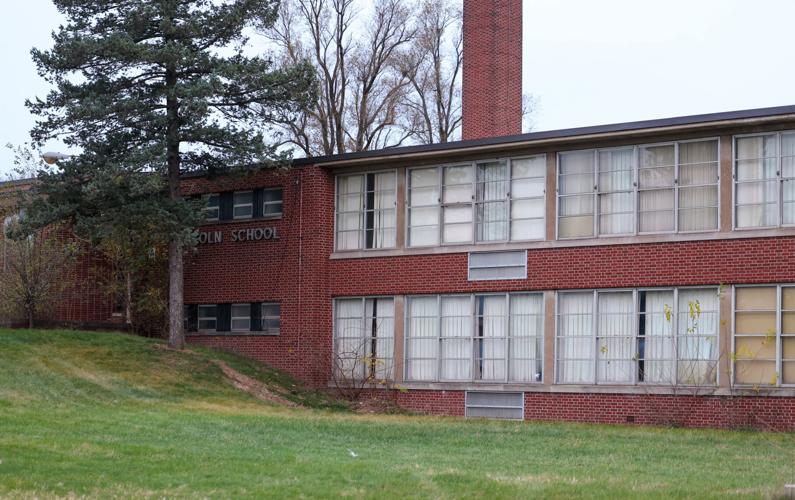
The Lincoln Achievement Center, 1988 Polk St., had most recently been used as the district’s administrative offices up until the building’s closure in 2019. Duncan, located around the corner at 1109 W. 21st Ave., had been shuttered since 2012. It had 134 911 calls over the 2019-2024 time frame.
According to Katie Kirley, the executive director of Steel City Academy, the charter school plans to renovate the inside of Lincoln, which is expected to cost around $12 million with $10 million already secured for the project.
This spring, Dunbar-Pulaski’s owners approached the city with a revised plan to reuse the former school property. Amazing American foods petitioned for a rezone of the northern half of the property, which contains the former school's main gymnasium, auxiliary gymnasium and cafeteria, to allow the company to open a banquet hall and film production studio on the premises. The company’s plans for the rest of the property include four 1,000-square-foot affordable housing units, 50 office spaces roughly 92,000 square feet in total and a community garden.
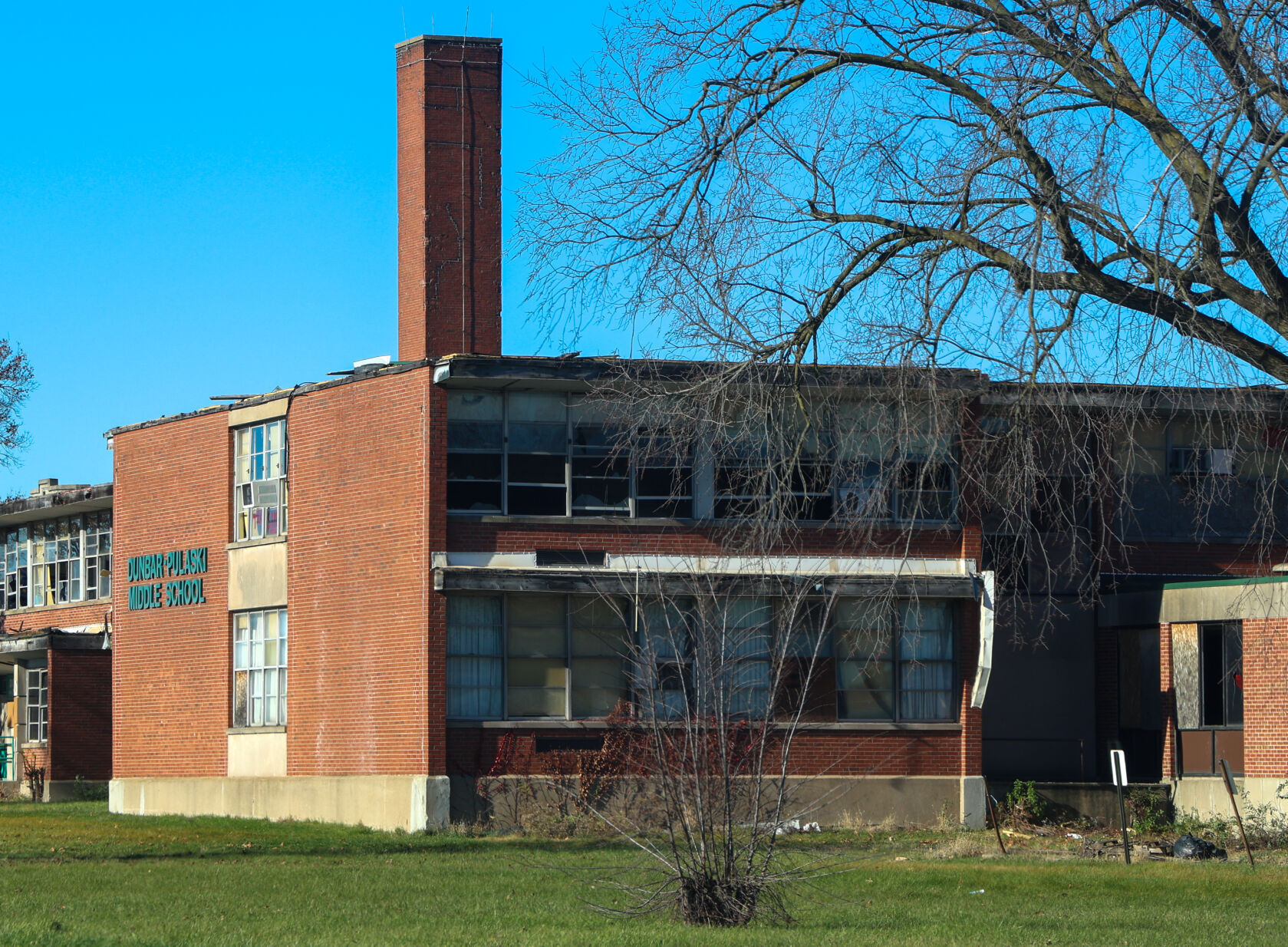
Dunbar-Pulaski Middle School, 920 E 19th Ave., had 49 911 calls between 2019 and 2024. The Indiana State Board of Education voted to shutter the school in 2014 and the building has sat vacant ever since.
After hearing from a series of city residents who spoke against the proposal, voicing similar concerns to those that fueled the community backlash in 2022, the Gary Plan Commission’s members voted to table the item during their May meeting. They will have another opportunity to vote on the rezoning proposal later this month.
Challenges in unloading abandoned schools
Once MGT was able to take inventory of the vacant school properties, over 30 in total, the agency sought to put the buildings on the market and shore up funds for the debt-ridden district.
However, by the end of 2018, Gary schools had only received six bids.
The 2019 discovery of Saucedo’s body inside Norton prompted then-Mayor Jerome Prince to put pressure on the school district to sell its vacant properties.
By early 2021, Gary schools had been able to sell an additional 14 properties, half of them to the city for a dollar each. As MGT prepared to return the district back to local control earlier this year, it finalized a deal with Steel City Academy for both the Lincoln and Duncan Elementary School properties.
Now the district faces the uphill battle of trying to increase enrollment after years of a steady decline mirroring the city’s consistent drop in population. Though officials would not agree to an interview, the district provided an emailed statement to the Times for this story.
Superintendent Yvonne Stokes said she is aware about the closed properties that are owned by the district.
Stokes told the Times earlier this year that she recognizes and respects the parent’s rights to select the best educational environment for their children and that GCSC offers multiple pathways to success.
“When it comes to enrollment, we have implemented aggressive, targeted strategies to ensure that the school community we serve is aware of our presence and progress. Over the summer, we literally knocked on doors to identify students with whom we had lost contact or had not indicated intentions on returning,” she wrote. “This effort yielded the enrollment of several hundred students and increased our overall student count. While this is a significant accomplishment, it only scratches the surface of regaining full allegiance to students enrolling and remaining in our district.”
Stokes in a statement through the district’s chief of public and community relations, Chelsea Whittington, said she is in “fact-finding” mode while her team works on goal setting.
Stokes added that she is optimistic about the district’s future.
“We are making history as one of few school districts in Indiana on the other side of a state takeover,” Stokes said. “This is a challenging but exciting time for us who are doing the rewarding work of teaching and learning while supporting the needs of the whole child.”
Insecure measures
Blight in the form of abandoned buildings has long plagued cities across the country and is caused by a number of symptoms including poor maintenance by absentee landlords, population decline, a dwindling job market, among other factors. In some cases, owners of larger properties could be waiting months to years just to find out whether they are able to turn the structure into a reusable space or if it needs to be demolished entirely.
The Gary Housing Authority, a government-funded organization created to construct safe and sanitary dwelling accommodations for low-income citizens, owns a total of six former school buildings.
Six vacant school buildings are now owned by the Gary Housing Authority (GHA), which leaders of the agency say they hope to eventually repurpose some of the properties for public housing.
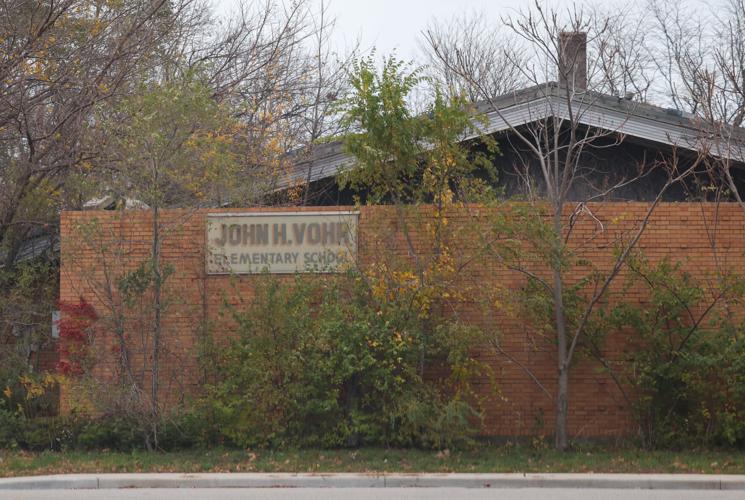
The GHA bought Ernie Pyle Elementary from the Gary school district for $160,000 in December 2020. In January of the following year, it purchased a parcel containing Horace Mann High School and the nearby Vohr Elementary School, along with Ralph Waldo Emerson High School and Spaulding Elementary on another parcel, for a total of $10,000. In April 2022, the agency purchased the Dr. Bernard C. Watson Academy for Boys building, which formerly housed Drew Elementary School, for $1.
Gary's Ralph Waldo Emerson High School, 716 E. 7th Ave., sits in ruins on the city's east side.
By the time the abandoned schools became housing authority-owned properties, the structures — some of which had been shuttered for nearly two decades — had been badly damaged by weather, theft, vandalism and fire.
While he avoided laying blame for the schools’ condition on any entity in particular, GHA Executive Director Taryl Bonds lamented that “all of us, collectively” didn’t do more to preserve them.
“I wish we could turn back the hands of time,” Bonds told The Times.
Attempts by the GHA to protect the properties from further mischief have proven a challenge.
“Boarding up doesn’t work because they (vandals) just tear it down, and then it becomes firewood,” Bonds said. “Fences just get cut.”
The GHA is weighing more surefire, though much more costly, methods of securing Emerson, Bonds said. He recognizes that the building, which was listed on the U.S. National Register of Historic Places in 1995, is “a very emotional structure” for its alumni.
The GHA now has to determine which of their properties can be salvaged and which must be demolished. Bonds said that his agency has spent hundreds of thousands of dollars on environmental assessments, feasibility studies and other contractor services meant to chart a path forward.
Four years later, Bonds said, the GHA is nearer to knowing how it will proceed. Though he stressed that he could not “commit to a certain timeframe” for redevelopment work, Bonds said that the GHA should have updates on the future of the properties soon.
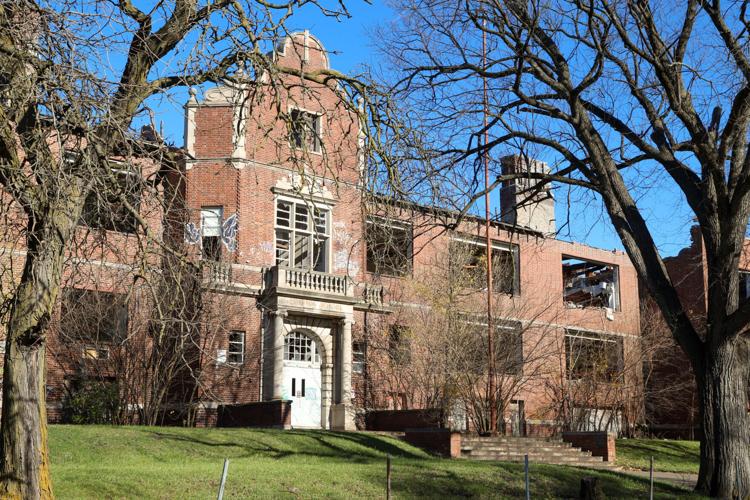
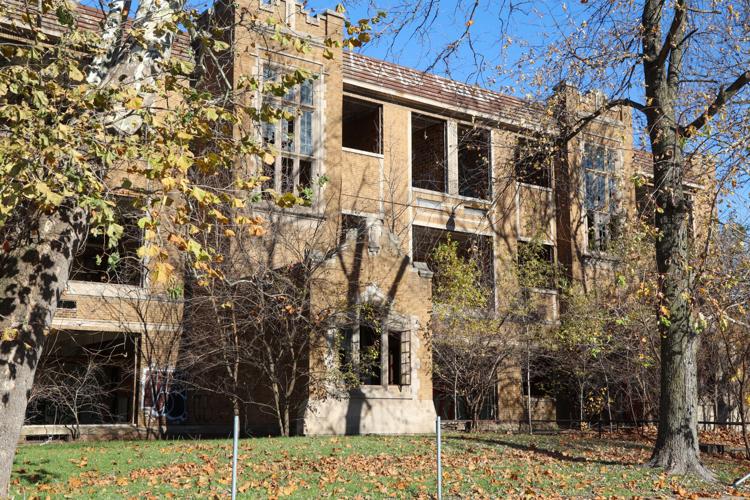
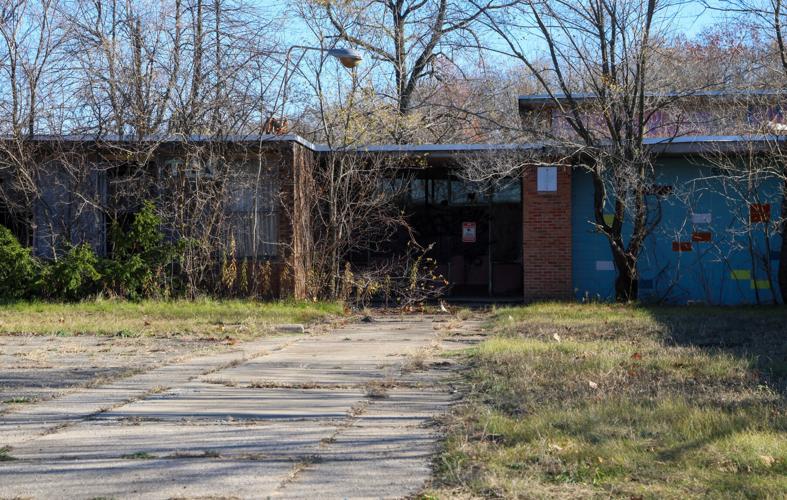
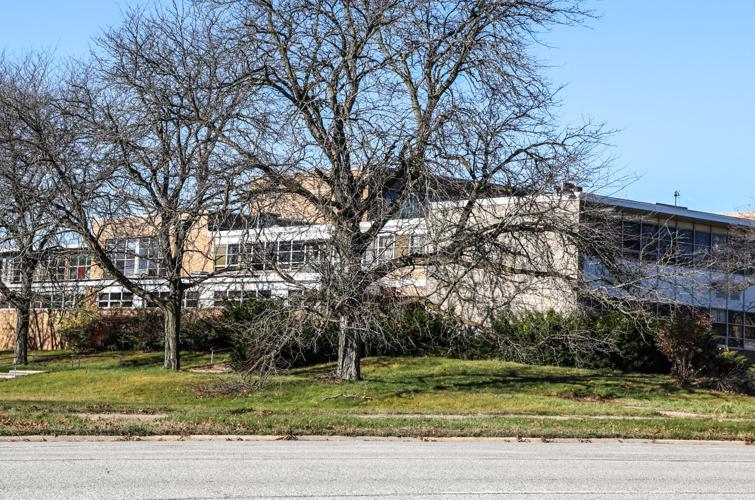
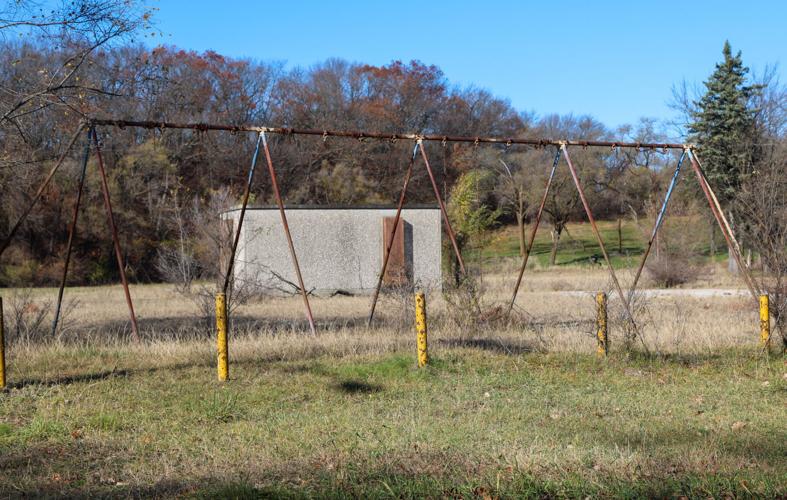
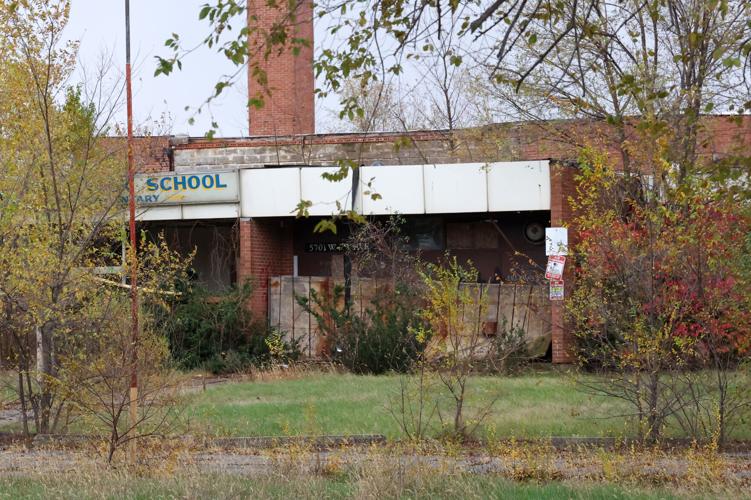
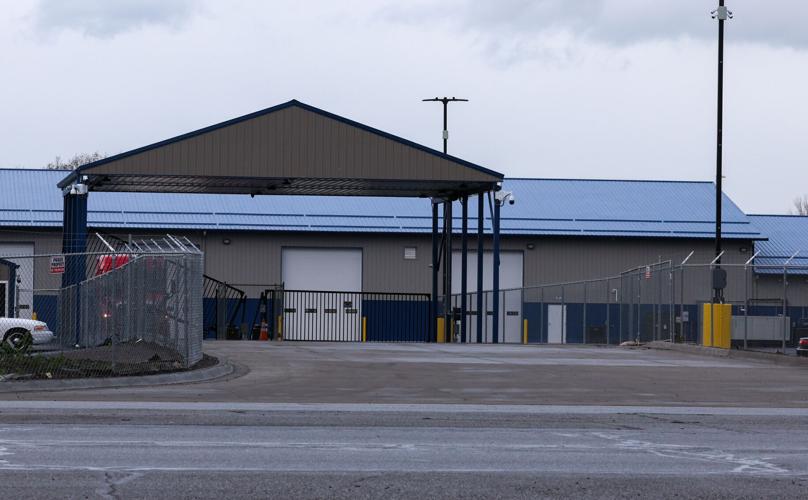
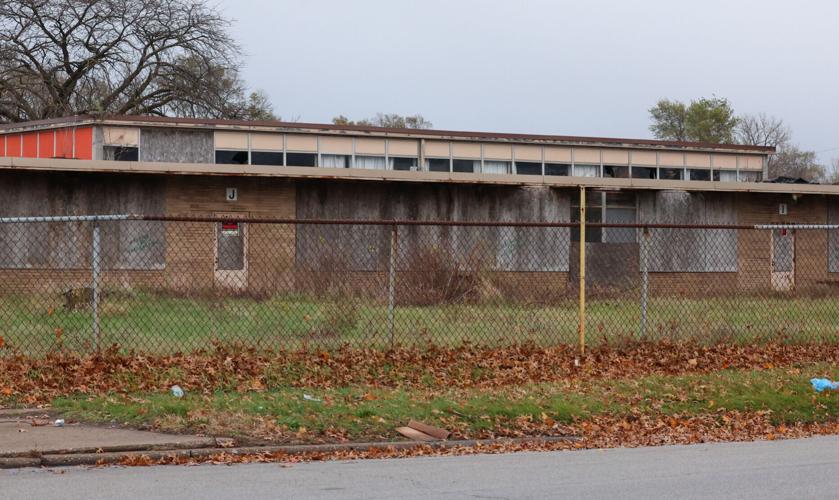
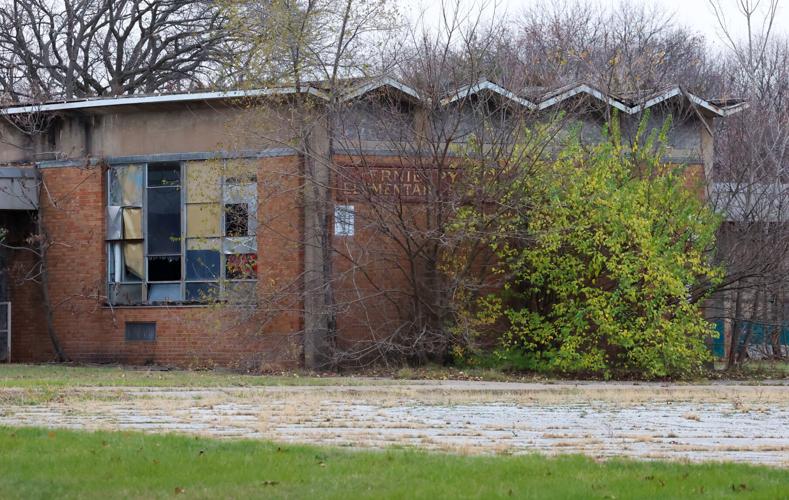
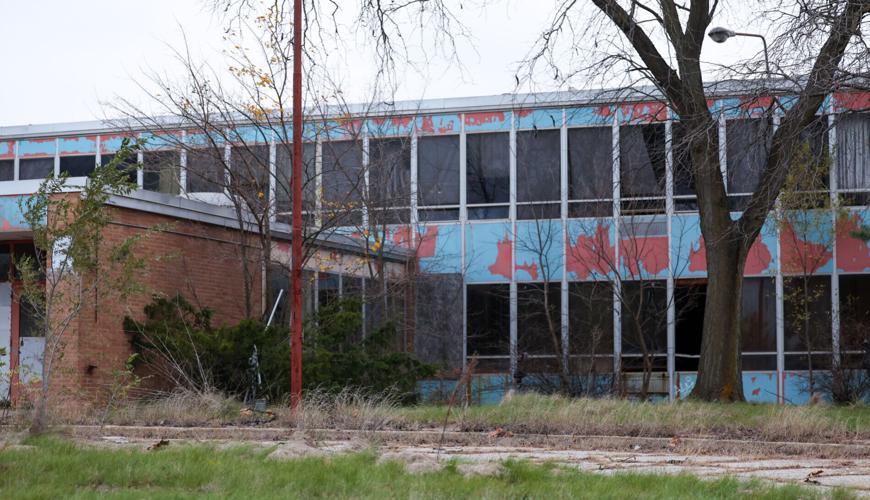
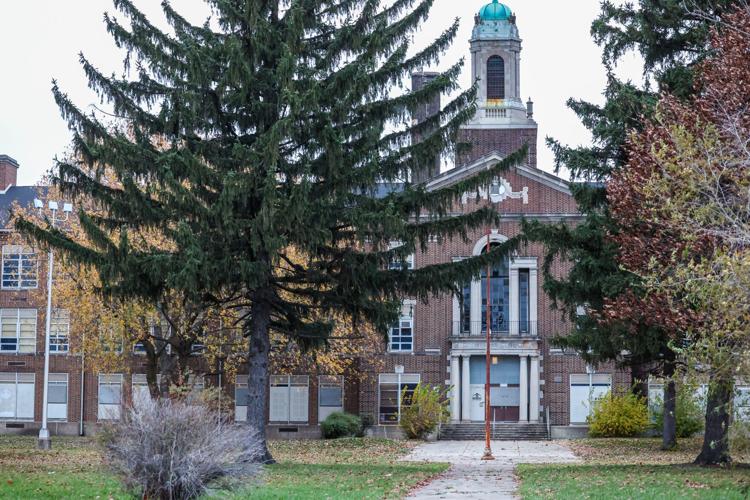
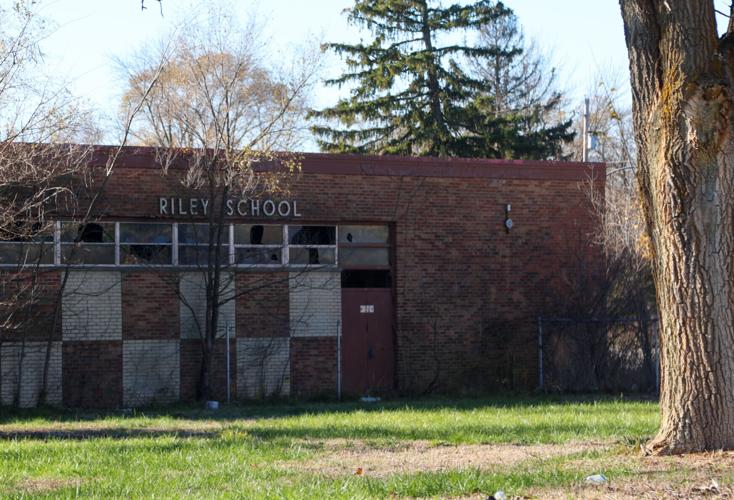
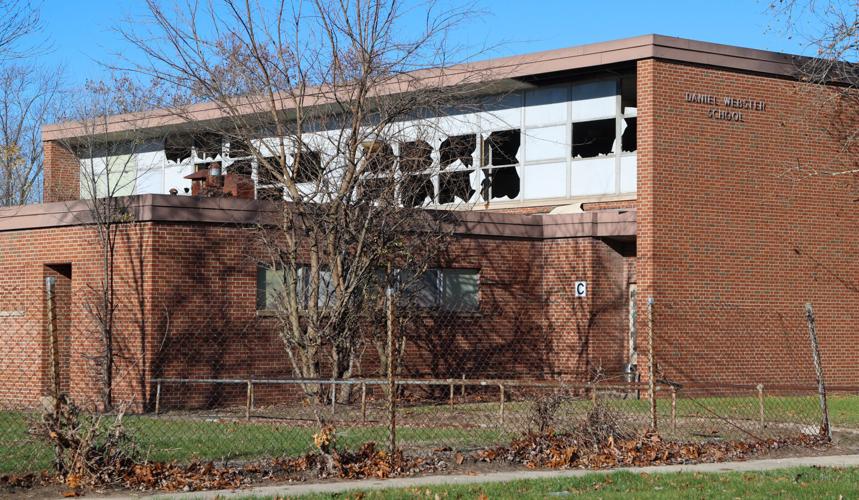

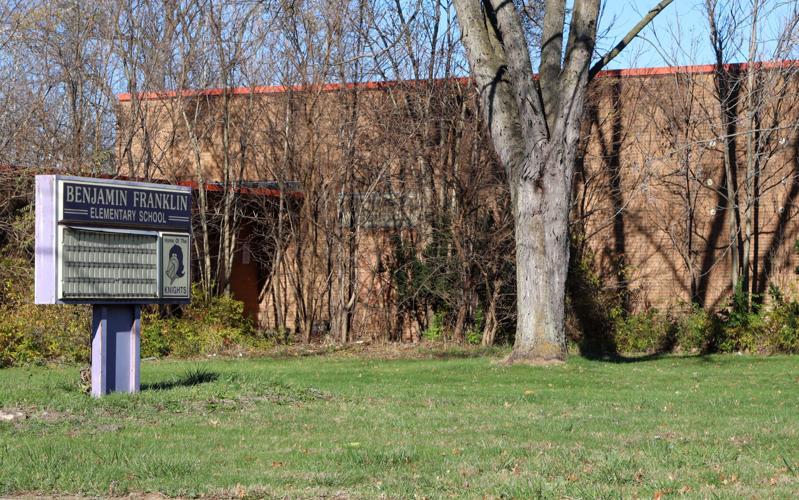
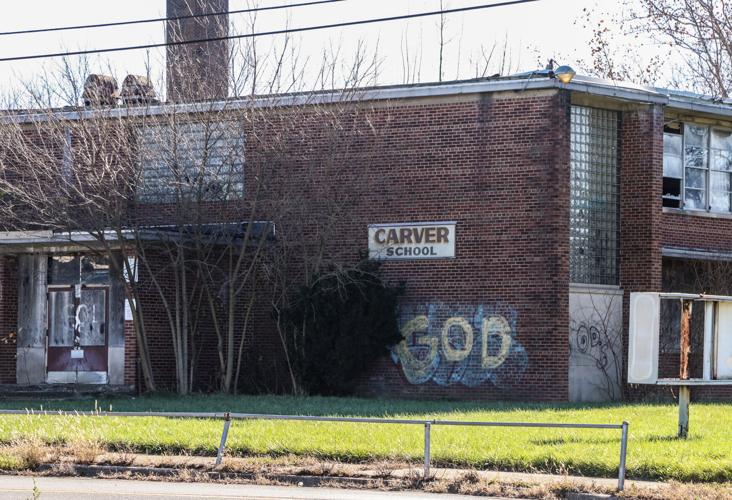
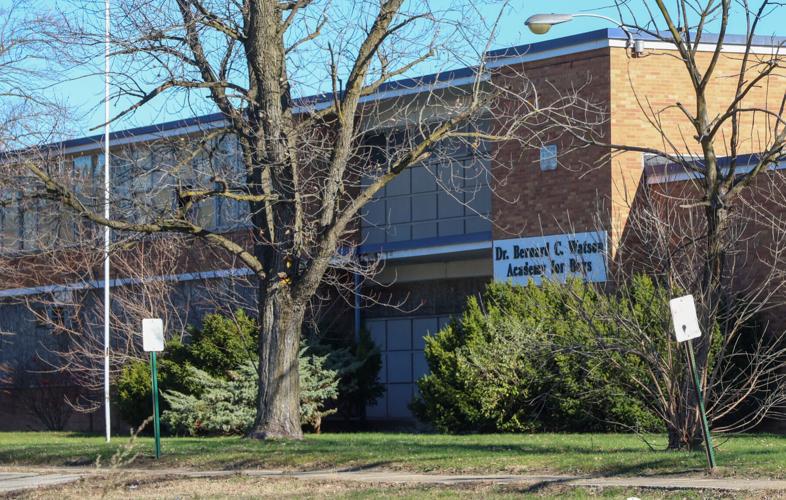
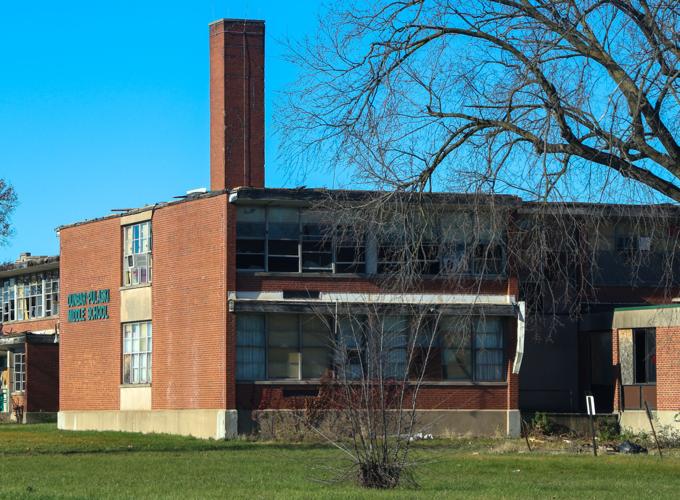
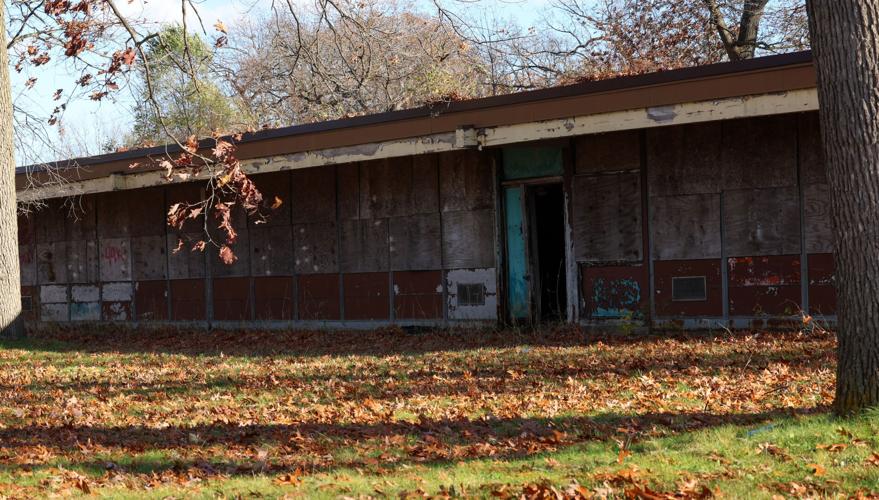
Gary's vacant school buildings and sites of former schools
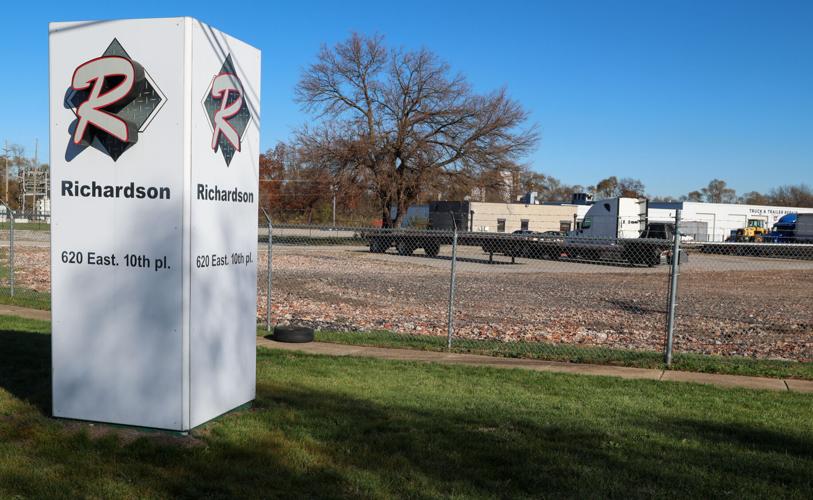
Site of former GCSC Administration Office and Lincoln Achievement Center at 1988 Polk St., had 134 911 calls between 2019 and 2024.
The Times of Northwest Indiana reporters Alex Dalton and Adrian Martinez-De La Cruz contributed to this article.
The Times of Northwest Indiana reporters Alex Dalton and Adrian Martinez-De La Cruz contributed to this article.