WASHINGTON — An upside-down U.S. flag has long been a sign of dire distress and versatile symbol of protest. But in January 2021, when it flew over the home of Supreme Court Justice Samuel Alito, it was largely seen in connection with a specific cause: the false claim by then-President Donald Trump's supporters that the 2020 election was marred by fraud.
The revelation this week about the flag flying at Alito's home was the latest blow to a Supreme Court that was already under fire as it considers unprecedented cases against Trump and some of those charged with rioting at the U.S. Capitol on Jan. 6, 2021.
Alito said the flag was briefly flown by his wife amid a dispute with neighbors and he had no part in it. But the incident reported by The New York Times adds to concerns about an institution that's increasingly seen as partisan and lacking strict ethical guidelines.
People are also reading…
The high court faces questions about whether the spouses of two of its members question the legitimacy of the 2020 election, and if those justices should be hearing cases related to the Capitol riot and Trump's role in it.
Justice Clarence Thomas, appointed by Republican President George H.W. Bush, faced calls for recusal after reports that his wife, Virginia Thomas, was involved in efforts to overturn President Joe Biden's 2020 election win.
"We're talking about a fundamental bedrock American value about peaceful transfer of power, about elections," said Tony Carrk, executive director of Accountable.US, a progressive watchdog organization. "It's just the integrity of the democratic process."
Several Democrats in Congress, including Senate Judiciary Chairman Dick Durbin and House Minority Leader Hakeem Jeffries, called for Alito to recuse himself from Trump-related cases. Justices can and do voluntarily recuse themselves, but those are their own individual calls and they aren't subject to review.
There was no indication Alito would do so. He did not respond to a request for comment.

Supreme Court Justice Samuel Alito Jr., left, and his wife, Martha-Ann Alito, pay their respects Feb. 28, 2018, at the casket of Reverend Billy Graham at the U.S. Capitol Building in Washington.
In the wake of the 2022 decision overturning a nationwide right to abortion — an opinion leaked before its release — public trust in the Supreme Court sank to its lowest level in 50 years. Undisclosed trips and gifts from wealthy benefactors to some justices also drew criticism.
The high court adopted a code of ethics last year, but it lacks a means of enforcement.
While a system exists for penalizing lower-court judges who are accused of conflicts or other wrongdoing, there is no mechanism to sanction Supreme Court justices. Only Congress can impeach a justice, said Michael Frisch, ethics counsel at Georgetown Law.
Alito, a former prosecutor appointed by former Republican President George W. Bush and confirmed in 2006, has been one of the most court's most conservative justices and authored the decision overturning Roe v. Wade.
During oral arguments in the election interference case against Trump, Alito appeared skeptical of Justice Department arguments that past presidents aren't completely immune from prosecution, and seemed one of the justices most likely to find that prosecutors went too far in bringing obstruction charges against hundreds of participants in the Capitol riot.
Ethical guidelines generally make it clear that judges should recuse themselves in cases where their spouses have financial interest, but the situation is less clear when spouses have a publicly known political point of view, said Arthur Hellman, a professor emeritus at the University of Pittsburgh School of Law.
He pointed to a federal judge in California who refused to recuse himself from a same-sex marriage case in 2011 even though his wife was a head of the American Civil Liberties Union there. Spouses' finances are generally intertwined, but the idea that wives and husbands always share political views is outdated, he found.
The U.S. Flag Code states that the American flag is not to be flown upside down “except as a signal of dire distress in instance of extreme danger to life or property.” However, an inverted flag has been used as a protest symbol on both the left and the right on a range of issues over the decades.
Anti-government extremists and white nationalists also used the inverted flag as a signal of a broken nation, said Jeff Tischauser, senior research analyst at the Southern Poverty Law Center's Intelligence Project.
"It's one thing to go to a rally and see a Patriot group carrying it. It's another thing for me to go driving past a Supreme Court justice's house and see it," he said.
It remains unclear whether Alito was aware of the inverted flag at the time or its links to Trump supporters, said Stephen Gillers, a judicial ethics expert at New York University School of Law.
Martha-Ann Alito hung the upside-down flag during a dust-up with a neighbor in Alexandria, Virginia, who had a lawn sign referring to Trump with an expletive near a bus stop in January 2021, Fox News anchor Shannon Bream said in an online post, citing a conversation with Justice Alito. Upset after the neighbor blamed her for Jan. 6 and used vulgar language, she hung the upside-down flag "for a short time," Bream wrote.
No human can be completely free of personal opinions, said Charles Geyh, a law professor at Indiana University. But "the duty of a judge is to do what you can to keep them at bay. That means you don't trumpet your biases by running them up a flagpole," he said.
Read more:
The 9 current justices of the US Supreme Court
Chief Justice John Roberts

Chief Justice John Roberts
Nominated to serve as chief justice by President George W. Bush
Took seat Sept. 29, 2005
Born Jan. 27, 1955, in Buffalo, N.Y.
Justice Clarence Thomas

Associate Justice Clarence Thomas
Nominated to serve as associate justice by President George H.W. Bush
Took seat Oct. 23, 1991
Born June 23, 1948, near Savannah, Georgia
Justice Samuel Alito
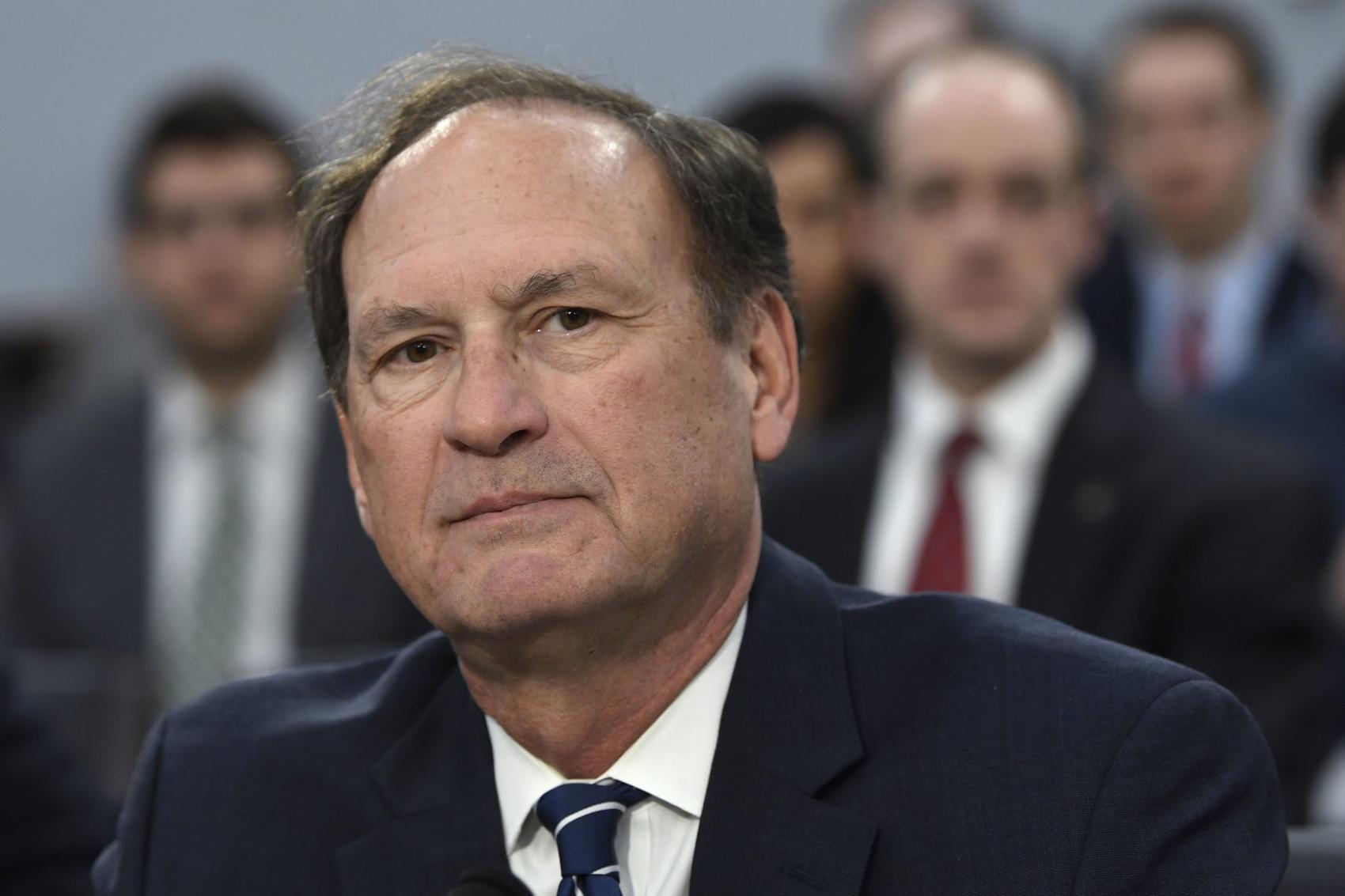
Associate Justice Samuel Alito
Nominated to serve as associate justice by President George W. Bush
Took seat Jan. 31, 2006
Born April 1, 1950, in Trenton, New Jersey
Justice Sonia Sotomayor
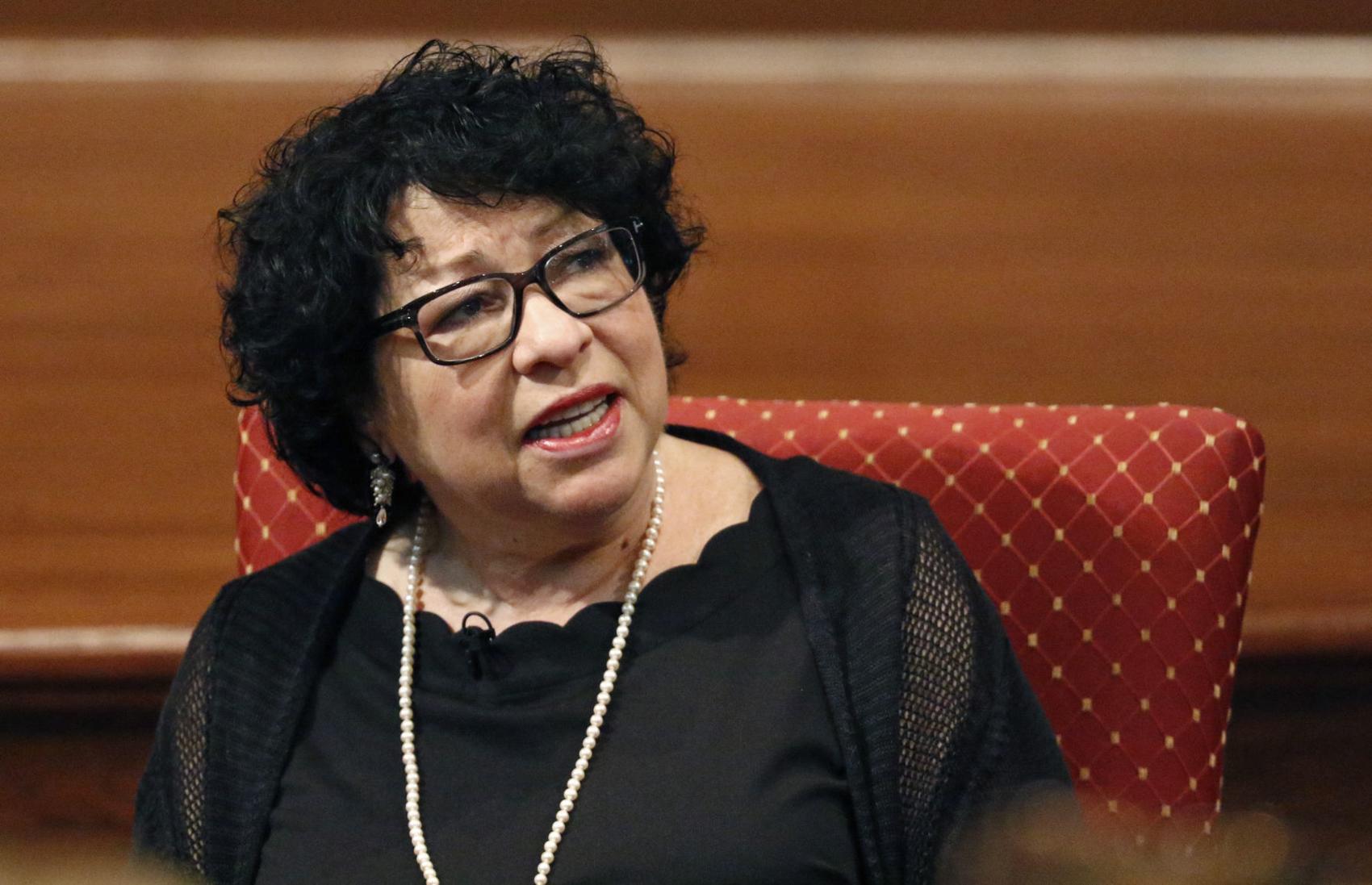
Associate Justice Sonia Sotomayor
Nominated to serve as associate justice by President Barack Obama
Took seat Aug. 8, 2009
Born June 25, 1954, in Bronx, New York
Justice Elena Kagan
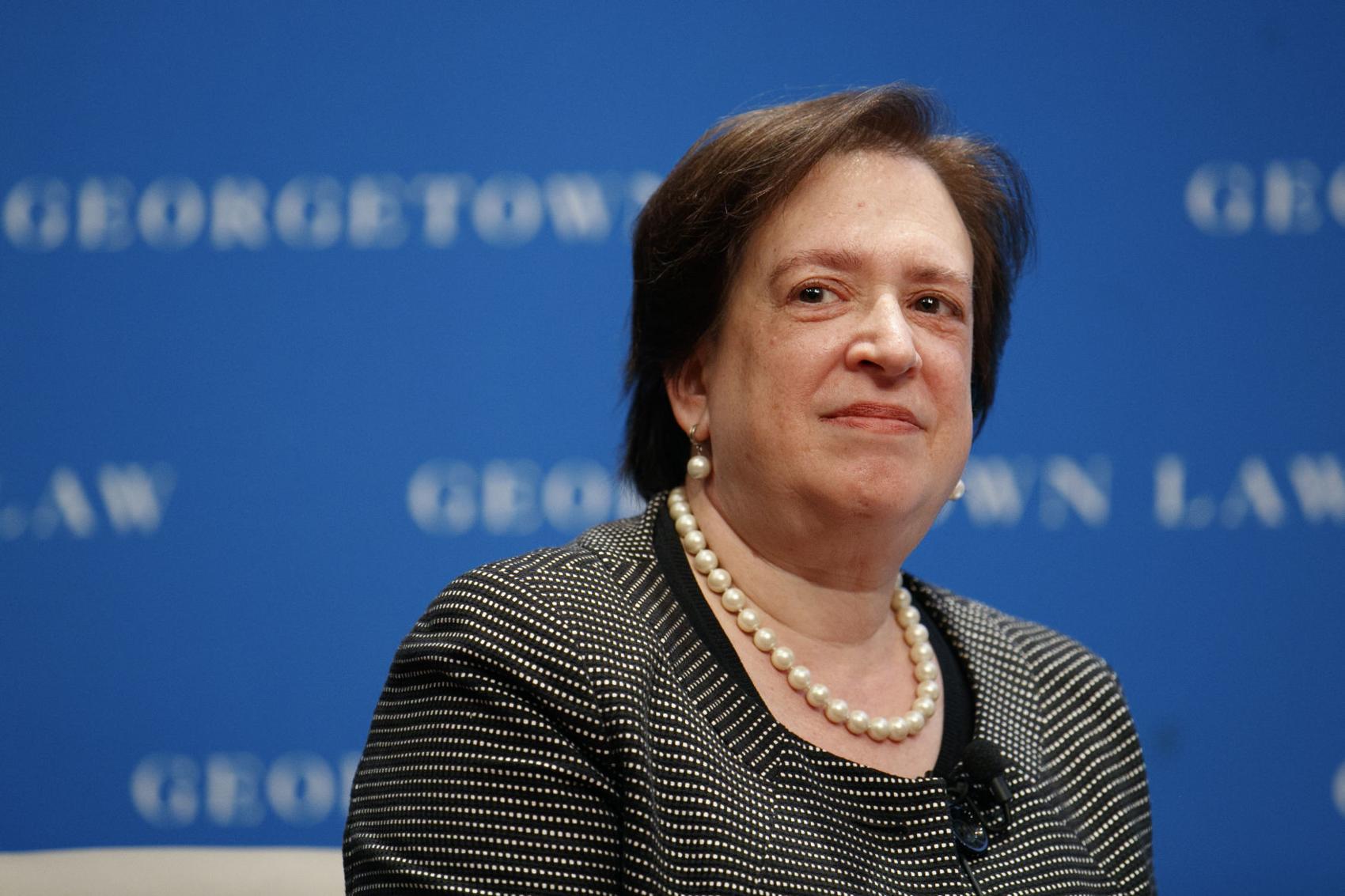
Associate Justice Elena Kagan
Nominated to serve as associate justice by President Barack Obama
Took seat Aug. 7, 2010
Born April 28, 1960, in New York City
Justice Neil Gorsuch

Associate Justice Neil Gorsuch
Nominated to serve as associate justice by President Donald Trump
Took seat April 10, 2017
Born Aug. 29, 1967, in Denver, Colorado
Justice Brett Kavanaugh

Associate Justice Brett Kavanaugh
Nominated to serve as associate justice by President Donald Trump
Took seat Oct. 6, 2018
Born Feb. 12, 1965, in Washington D.C.
Justice Amy Coney Barrett
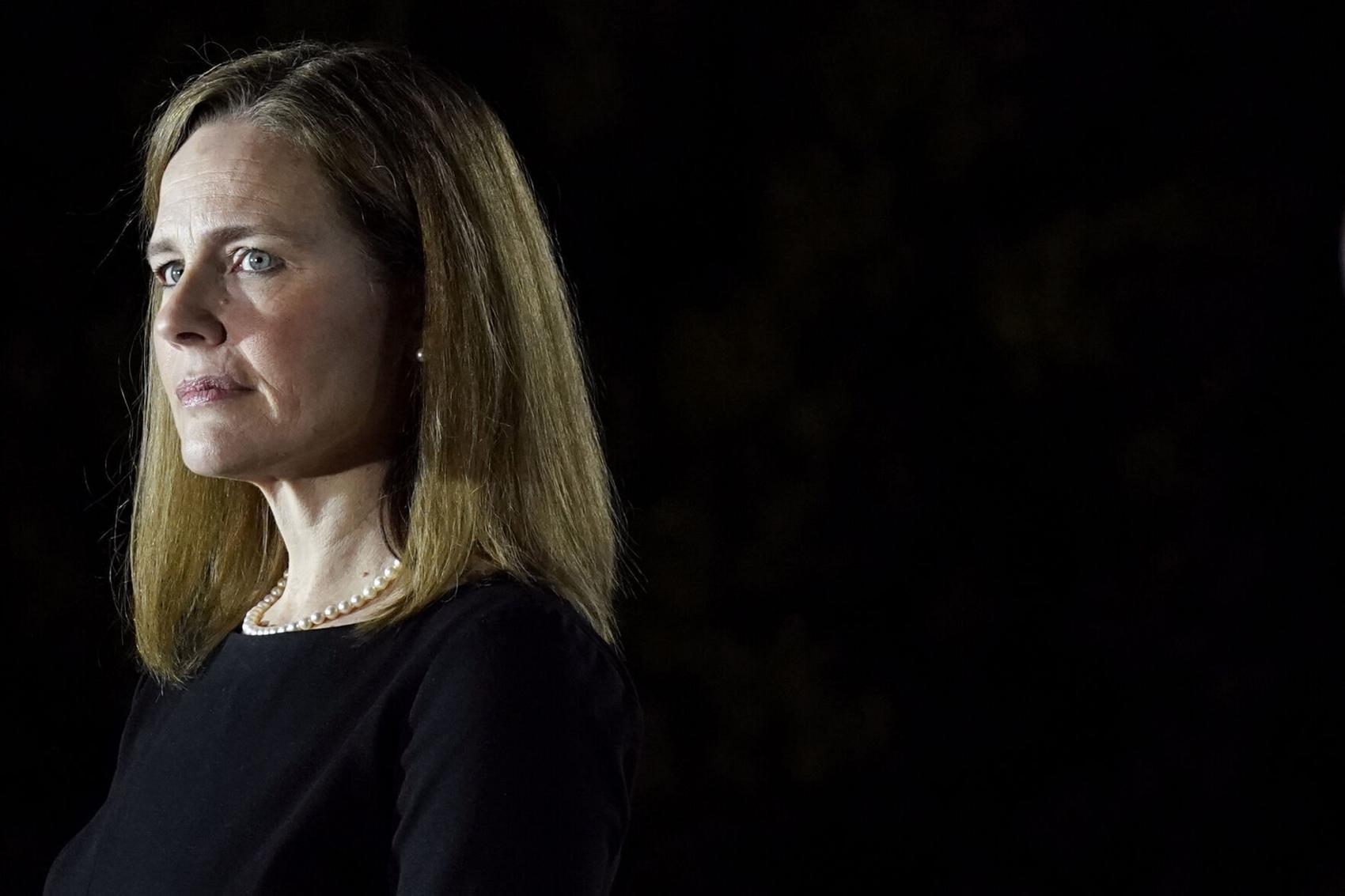
Associate Justice Amy Coney Barrett
Nominated to serve as associate justice by President Donald Trump
Took seat Oct. 27, 2020
Born January 28, 1972
Justice Ketanji Brown Jackson
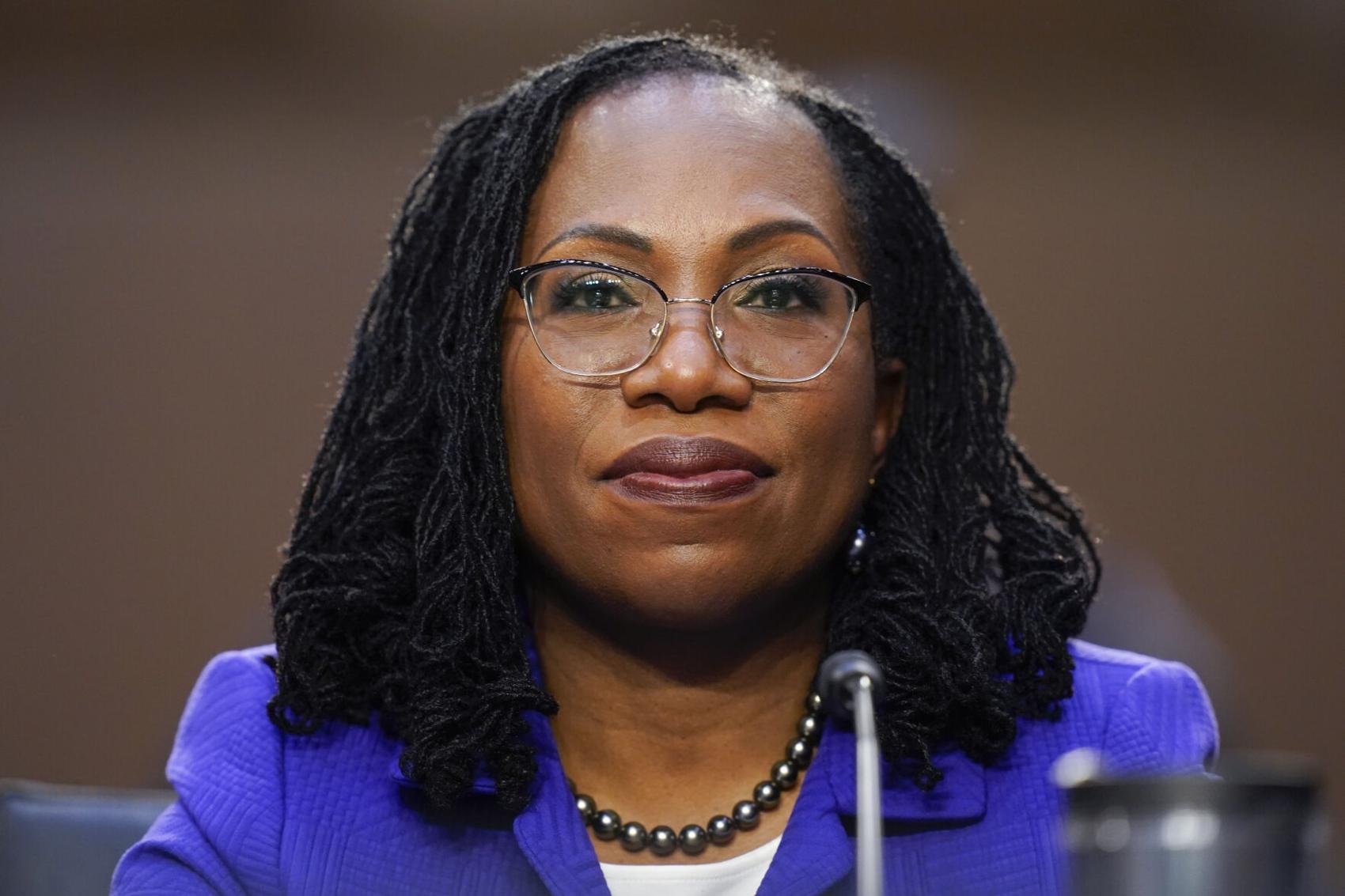
Associate Justice Ketanji Brown Jackson
Nominated to serve as associate justice by President Joe Biden
Took seat June 30, 2022
Born September 14, 1970