

WASHINGTON — U.S. consumer inflation increased further in April, with prices rising at the fastest annual rate in three years, heightening political risks for President Donald Trump and his Republican party ahead of November's midterm elections.
The back-to-back rises in the Consumer Price Index reported by the Labor Department on Tuesday reflected strong gains in the costs of energy products amid the U.S.-Israeli war with Iran. Food prices surged last month and inflation also spilled over to the services sector, with higher rental costs and airfares.
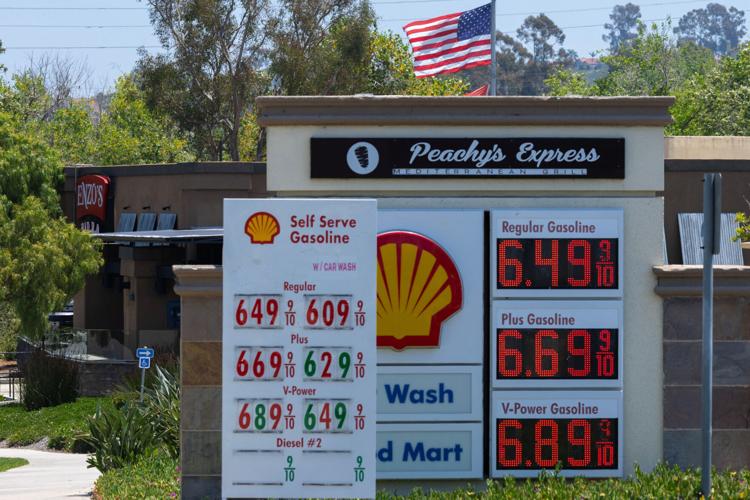
Trump won reelection in 2024 in large part because of his promise to reduce inflation, but Americans have soured on his handling of the economy and many blame him for the pain at the pump.
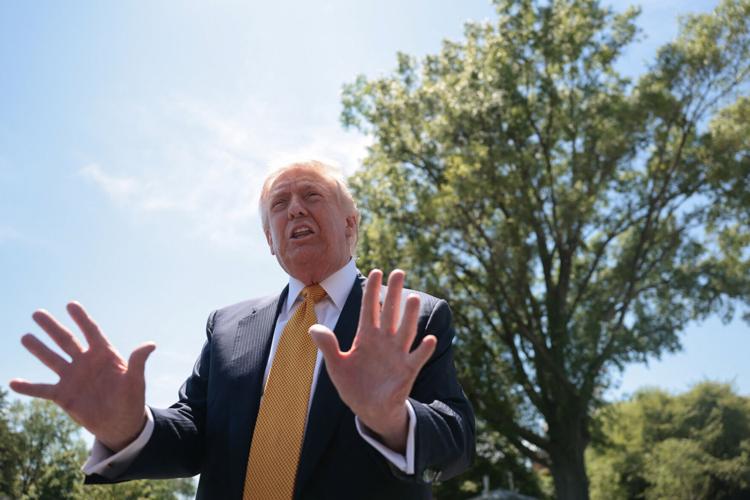
Trump said he's not thinking about Americans' financial concerns about rising gas prices and is only worried about preventing Iran from building a nuclear weapon as he negotiates a deal with Iran.
People are also reading…
"Not even a little bit," Trump told reporters Tuesday when asked to what extent he's motivated by Americans' financial situation to reach a deal that ends the war.
"I don’t think about Americans’ financial situation. I don’t think about anybody. I think about one thing. We cannot let Iran have a nuclear weapon. That’s all," the president added.
Rising inflation outpaced wage gains for the first time in three years and underscored the financial strain on households.
With no end in sight to the conflict, economists warned prices would continue to push higher and broaden in the months ahead. Trump on Monday proposed reducing the 18.4-cent federal gasoline tax to lower prices at the pump.
"Prices are going up everywhere you look and families everywhere are struggling to keep up," said Janelle Jones, a visiting senior fellow at the Century Foundation.
"Measures like suspending the gas tax will provide short-term relief, but it's robbing Peter to pay Paul," she said. "What families really need is an end to this war and leaders that are committed to ending the affordability crisis."
The CPI increased 0.6% last month after surging 0.9% in March, the Labor Department's Bureau of Labor Statistics said. Economists polled by Reuters forecast the CPI rising 0.6%. Estimates ranged from a 0.4% gain to a 0.9% increase.
The moderation after posting the largest increase since June 2022 was mechanical. Oil prices shot above $100 a barrel in March after strikes against Iran, before pulling back to still-high levels after a ceasefire in early April.
While the conflict's effect was immediately reflected in more expensive gasoline, diesel and jet fuel, economists said the second-round effects were around the corner, including for goods trucked by road. Shipping disruptions in the Strait of Hormuz are straining supply chains.
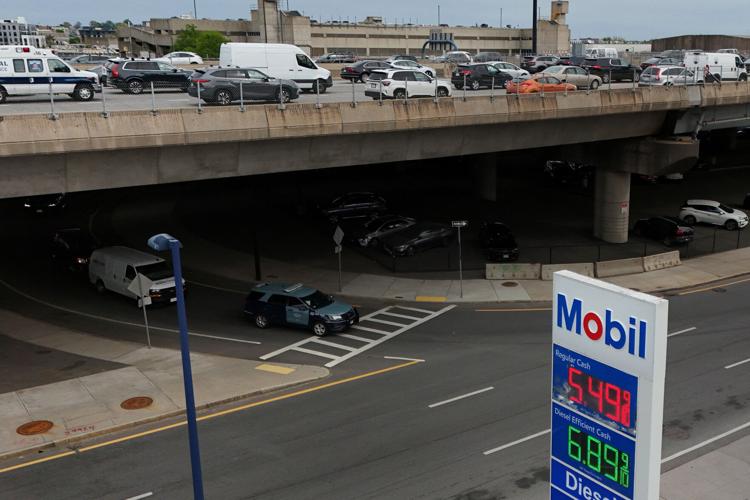
A 3.8% increase in energy prices accounted for more than 40% of the rise in the CPI last month. That followed a 10.9% jump in March. Gasoline prices rose 5.4% after a record 21.2% surge in March.
Other motor fuels, which include diesel, increased 17.0%. Consumers also paid higher prices for electricity amid strong demand from data centers to power artificial intelligence.
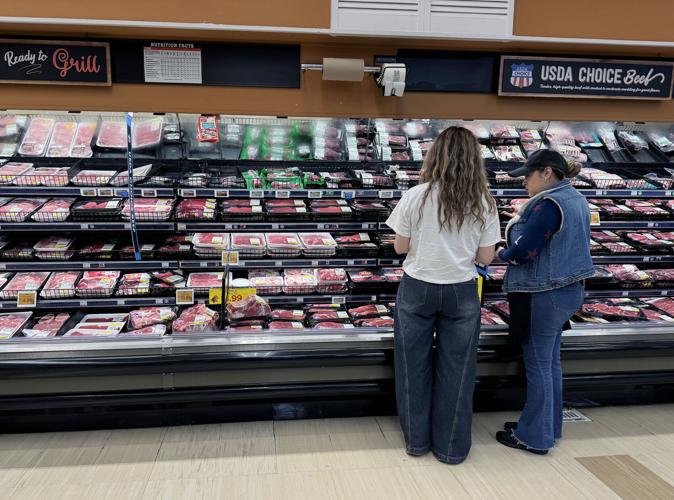
Food prices accelerated 0.5% after being unchanged in March. Grocery store inflation shot up 0.7%, the largest increase since August 2022. Beef prices increased 2.7%, the most since November 2024. Coffee prices rose 2.0%.
Fruits and vegetable prices climbed 1.8% while nonalcoholic beverages cost 1.1% more. There were also strong increases in the prices of dairy and eggs.
Fertilizer shortages are expected to drive food prices higher. In the 12 months through April, the CPI advanced 3.8%. That was the biggest year-on-year increase since May 2023 and followed a 3.3% rise in March.
The strong inflation readings added to data last week showing a larger-than-anticipated increase in nonfarm payrolls in April in strengthening economists' expectations that the Federal Reserve would keep interest rates unchanged into 2027. Wages increased 3.6% year-on-year in April, the BLS reported last week.
The U.S. central bank, which tracks the Personal Consumption Expenditures price indexes for its 2% inflation target, last month left its benchmark overnight interest rate in the 3.50%-3.75% range.
Stocks on Wall Street fell. The dollar rose against a basket of currencies. U.S. Treasury yields were higher.
Rents increase
Elevated inflation aligned with record-low consumer sentiment, leading some economists to warn that rising price pressures could strangle economic growth. Lower-income households are bearing the brunt of inflation. There are, however, concerns that higher-income consumers could reduce spending if prices continue rising.
"This is why stagflation lite remains the economic baseline for 2026 with the primary risk inflation and not necessarily slower growth," said Joseph Brusuelas, chief economist at RSM.
Excluding food and energy, the CPI climbed 0.4% last month. That was the largest gain since January 2025 and partly reflected a one-time adjustment to rent measures after last year's shutdown of the government prevented data collection.
Rents jumped 0.5% after rising 0.2% in March. Owners' equivalent rent increased 0.5%. Hotel and motel room prices rose 2.8%. High jet fuel prices drove up airline fares 2.8%.


