The most viable path, according to Trump allies and legal experts, could involve compensating these loyalists under a 1946 law called the Federal Tort Claims Act. That measure lets people file administrative claims — and subsequent lawsuits — against the U.S. government for alleged wrongdoing, which can then be settled out of court.
"At my level, the fund is dead," Stanley Woodward, the third-ranking official at the Justice Department, said in an interview with Reuters. "If somebody wants to submit a claim against the government and sue us, they can still do that."
People are also reading…
The Republican president repeatedly expressed support for federal payouts to supporters whom he portrays as being targeted by a "weaponized" U.S. government under his Democratic predecessor Joe Biden.

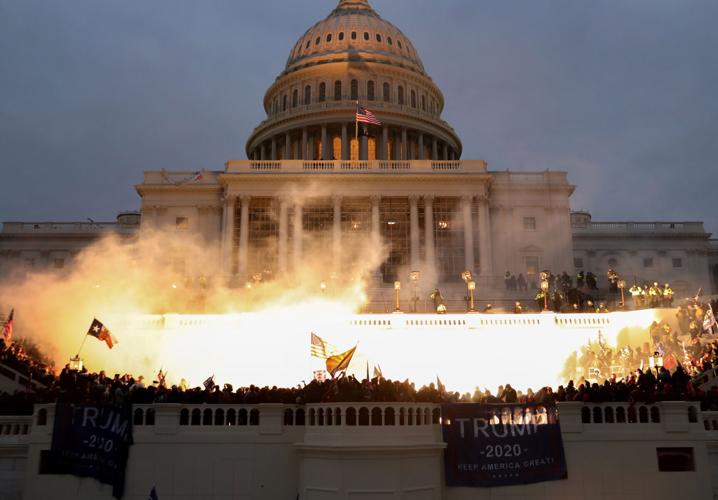
Supporters of U.S. President Donald Trump riot Jan. 6, 2021, in front of the U.S. Capitol Building in Washington.
But the "anti-weaponization" fund, crafted as part of an agreement between Trump and the Justice Department to resolve his $10 billion lawsuit against the IRS over allegedly mishandling his tax records, was put on hold amid fierce opposition from Republicans in Congress.
On Friday, a U.S. judge indefinitely blocked the fund, giving the administration one week to provide a sworn statement that it will not go forward.
Trump critics derided it as a slush fund to reward supporters with taxpayer money.
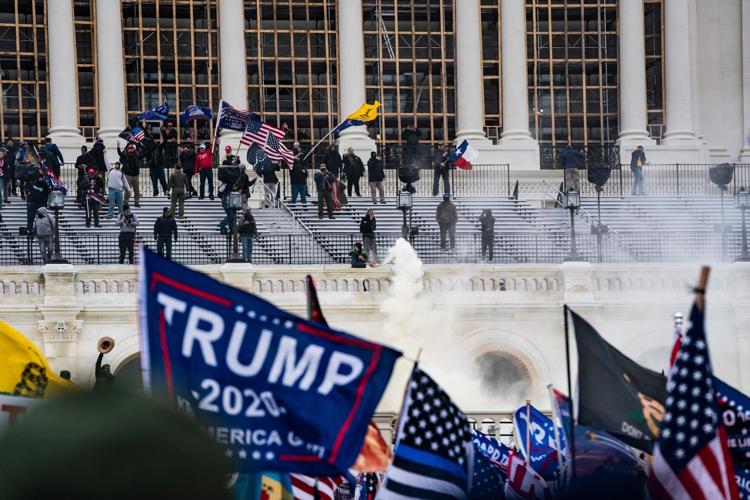
Hundreds of people who were prosecuted after taking part in the Capitol attack — a failed bid by Trump supporters to prevent Congress from certifying his 2020 election loss to Democrat Joe Biden — already filed claims. At least 10 sued the government for damages — so far with little response.
The strategy has long been in the works. Conservative lawyers debated the plan during a previously unreported strategy session at the 2024 Republican National Convention, according to longtime Trump ally Michael Caputo, who attended the meeting.
Other payout options are still being explored, according to Caputo, who helped lead "anti-weaponization" efforts in Trump's 2024 election campaign and filed the first known claim under the now-abandoned "weaponization" fund.
"I've heard no indication that they've slowed down on trying to get victims paid," Caputo said.

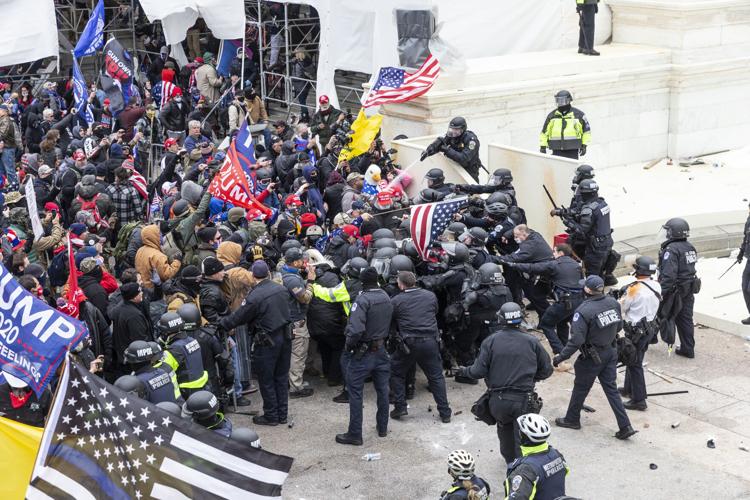
Supporters of President Donald Trump clash with Capitol police Jan. 6, 2021, during a riot at the US Capitol in Washington.
Caputo, who served as a Department of Health and Human Services spokesperson during Trump's first term, asked acting Attorney General Todd Blanche for $2.7 million in "restitution" over investigations by the Biden administration and former special counsel Robert Mueller.
Trump's repeated support for compensating supporters he paints as victims of "weaponization" raised the question of what avenue he may now pursue to make such payments.
Asked if there are alternative plans to provide such compensation, the White House pointed to previous comments by Trump and Blanche that the weaponization fund would not go forward.
"We have no additional announcements at this time and any speculation about potential future actions is just that — speculation," a White House official told Reuters, speaking on condition of anonymity. "President Trump remains committed to addressing Biden-era weaponization."
A U.S. judge indefinitely blocked the "anti-weaponization" fund Friday, giving the administration one week to provide a sworn statement that it won't go forward.
'Compensated'
Trump accused the Biden administration and other political opponents of improperly using law enforcement, intelligence and regulatory agencies to target him and his allies. Critics say these efforts were legally justified by actual or suspected wrongdoing by Trump and others.
Trump, for instance, gave executive clemency to his supporters who were prosecuted for their roles in the Capitol riot.

Pro-Trump protesters and police clash Jan. 6, 2021, at the Capitol building in Washington.
"The people were destroyed by dirty cops and by weaponization," Trump said recently on NBC's "Meet the Press." "Many of those people should be compensated."
Republican Senator Lindsey Graham in a social media post backed the idea of pursuing payouts through the Federal Tort Claims Act, prompting the Justice Department's Woodward to respond with what looked like an endorsement in a since-deleted post.
"We're working on it," Woodward wrote.
Woodward later told Reuters he was trying to send a message that people who believe they were victims of government abuse continue to have a path for compensation even without the $1.8 billion fund.

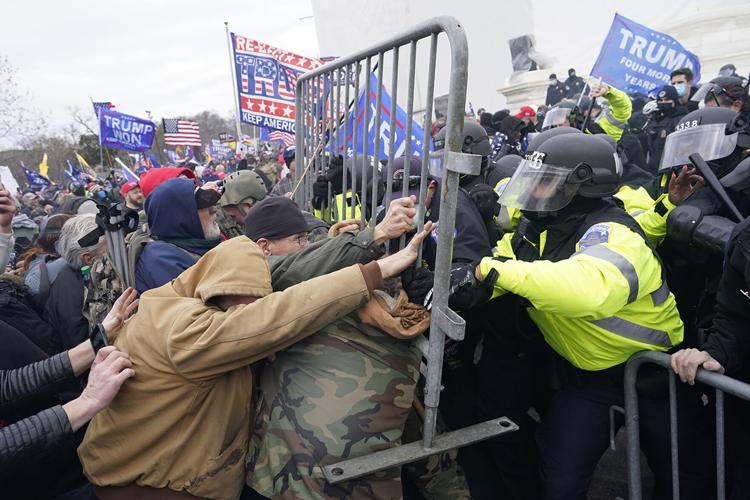
Trump supporters try to force their way through a police barricade Jan. 6, 2021, in front of the U.S. Capitol in Washington.
Fringe idea to mainstream
Financially compensating Trump allies moved from the political fringe closer to mainstream Republican strategy.
Caputo said he was involved in conversations about finding ways to pay victims of "weaponization" dating back to October 2023.
In 1956, Congress created a permanent Judgment Fund for paying settlements of lawsuits against the federal government.
Caputo said that allies of the president and conservative lawyers discussed using this fund for payouts under the Federal Tort Claims Act "ad nauseam" during the 2024 Republican National Convention. Attendees at these discussions opposed paying violent felons, including those who assaulted police officers, according to Caputo.
The attendees viewed the Judgment Fund as a "limitless" pot of money that would avoid the political hurdles of creating a new administrative fund, Caputo said, though they acknowledged these payouts could be controversial.
Some high-profile Trump allies already received payouts under the Federal Tort Claims Act. Michael Flynn, who briefly served as Trump's national security adviser during his first term, received a $1.25 million settlement under the statute.