

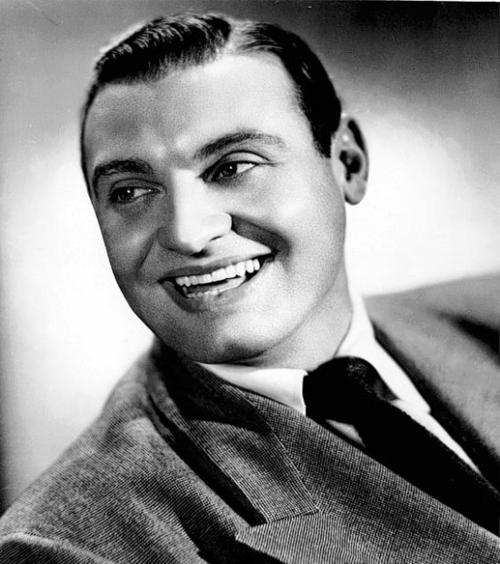
LOS ANGELES — Frankie Laine, the big-voiced singer whose string of hits made him one of the most popular entertainers of the 1950s, died Tuesday. He was 93.
Laine died of heart failure at Scripps Mercy Hospital in San Diego, Jimmy Marino, Laine's producer of more than a dozen years, told The Associated Press.
"He was one of the greatest singers around," Marino said. "He was one of the last Italian crooners type."
With songs such as "That's My Desire," "Mule Train," "Jezebel," "I Believe" and "That Lucky Old Sun," Laine was a regular feature of the top 10 record charts in the years just before rock 'n' roll ushered in a new era of popular music.
Somewhat younger listeners may remember him best for singing the theme to the television show "Rawhide," which ran from 1959 to 1966, and the theme for "Blazing Saddles," a movie that came out in 1974.
People are also reading…
He sold more than 100 million records and earned more than 20 gold records.
"He will be forever remembered for the beautiful music he brought into this world, his wit and sense of humor, along with the love he shared with so many," Laine's family said in a statement.
Laine said his musical influences included Bing Crosby, Al Jolson and jazz artists including Bessie Smith, Louis Armstrong and Billie Holliday.
"When people nowadays say that Elvis was the first white guy to sound black, I have to shake my head; what can you do?" Laine said in a 1987 interview. "At the time of 'That's My Desire,' they were saying that I was the only white guy around who sounded black."
He occasionally recorded songs by country singers, such as Hank Williams' "Hey Good Lookin' " and "Your Cheatin' Heart." In 2004, Laine released an album titled "Nashville Connection."
Laine's variety show, "Frankie Laine Time," ran for two summers, 1955 and 1956, on CBS, and he also appeared in films including "When You're Smiling" and "Sunny Side of the Street."
He had a top 25 hit on the Billboard charts in 1969 with "You Gave Me a Mountain," a song written by Marty Robbins.
Laine was born Frank LoVecchio on March 30, 1913, in Chicago, the son of a barber who emigrated from Sicily. His breakthrough came when Hoagy Carmichael heard him sing in a Los Angeles nightclub and praised his work.


