

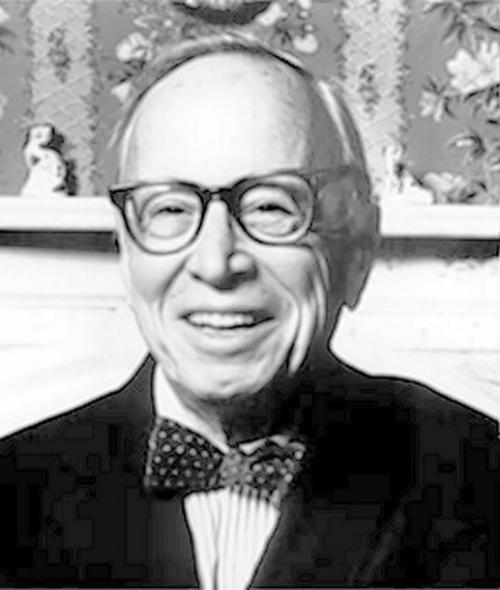
Arthur Schlesinger Jr., a Pulitzer-Prize winning historian who became an adviser to President John F. Kennedy and helped define his legacy for a generation, has died, according to The New York Times. He was 89.
Schlesinger's son Stephen said the cause of death was a heart attack, the Times reported. He died at New York Downtown Hospital, the Times said.
For much of his life, Schlesinger was a leading voice of American liberalism, using his writings on great movements in U.S. political history to champion the New Deal policies of President Franklin D. Roosevelt and defend national government interventions in the economy in order to raise living standards.
His history of the administration, "A Thousand Days," written after Kennedy's assassination in 1963, helped promote the "Camelot" myth of the greatness that might have been achieved had Kennedy lived.
People are also reading…
Schlesinger was a liberal cold warrior, advocating an expansive government with strong control of the economy as a bulwark against communism. A strong supporter of the buildup in Vietnam while working for Kennedy, he became a critic of the war in Southeast Asia after leaving the White House.
In his last decades, Schlesinger became more pessimistic about the country's future. He broke with liberal intellectuals and became one of the fiercest critics of multiculturalism, a trend which he felt has the potential to rip the country apart. He also attacked the "imperial presidency," a phrase he coined to describe the Nixon administration.
Arthur Meier Schlesinger, Jr., was born Oct. 15, 1917, in Xenia, Ohio, to a family of prominent historians. He enrolled at Harvard at 16 and graduated summa cum laude in 1938, two years ahead of his contemporary Kennedy.
In the early 1940s, Schlesinger went to Washington to serve aid in the war effort. He was assigned to the Office of War Information, and later with the Office of Strategic Services.
In 1960, Schlesinger joined the Kennedy administration as special assistant and unofficial historian. Schlesinger remained at the White House until 1964, advising the president against the failed Bay of Pigs invasion and acting as the administration's liaison to the American intellectual community.
In this role, he had a front-row seat during the Cuban missile crisis, which he portrayed vividly in his books. His opposition to Cuban dictator Fidel Castro did not extend to the country's famous cigars, of which he was a lifelong aficionado.
Schlesinger left government service and became an outspoken critic of the Vietnam War. While he never abandoned his faith in liberal ideals, his outlook became increasingly pessimistic, especially after the assassination of Robert Kennedy.
Schlesinger's last book, published in 2004, was "War and the American Presidency." In it, he returned to the theme of the imperial presidency, criticizing the unilateralism in the Bush administration.


