

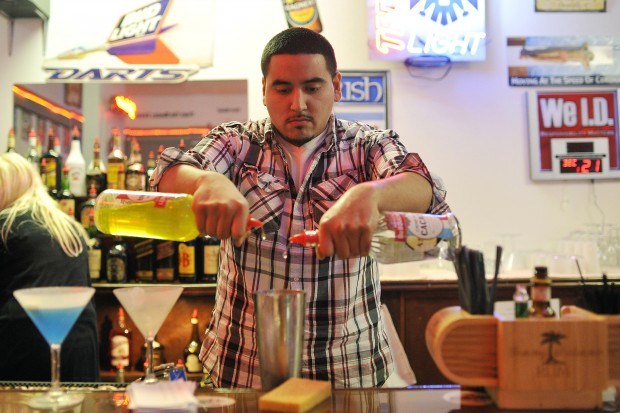
CHICAGO - Attorney Colleen Gorman has a holiday ritual that doesn't involve buying presents or counting down to midnight: She goes online to look for new hangover remedies she hasn't tried.
She already has scratched off those big "prevention" pills, vitamins and chugging sports drinks, along with more quirky folk remedies including peanut butter sandwiches.
"My fiancé says I should probably just drink less," said Gorman, 28, of Chicago.
Experts say that's good advice for everyone.
"The only way to prevent a hangover is to not get drunk," said Boston University researcher Jonathan Howland.
That might be too radical a remedy for many revelers, but it's the only one proven to work. Still, there are strategies that can soften the blow.
People are also reading…
Topping the list? Don't drink on an empty stomach, said Sam Zakhari, director of the National Institute on Alcohol Abuse and Alcoholism's metabolism and health effects division. Food helps absorb alcohol and delay its toxic effects on the body.
Drinking plenty of water before, during and after also helps because alcohol can dehydrate the body.
Kim Khan teaches at the American Professional Bartending School in Villa Park, Ill., and devotes a class to serving responsibly. That includes encouraging bar patrons to drink water. Khan, who also tends bar, says alternating drinks with glasses of water helps and is a method she uses "because I've been doing this way too long."
Some people think choosing clear alcohols is safer, because darker-colored drinks contain more compounds called congeners. That is based on an unproven theory that those compounds cause the body to make toxins that upset the stomach and cause other hangover symptoms, said Howland, a researcher in the emergency medicine department.
But no one really knows what causes hangovers, which makes preventing them a challenge, Howland said.
He's hoping to find a clue in his research into why some people don't get hangovers. About 1 in 4 drinkers never feel yucky after overindulging. In Howland's lab, that includes study subjects given normally "intoxicating" doses - about six beers for men and five for women.
That may seem enviable, but Howland said those 25 percenters also may be more likely than the rest of us to become alcoholics.
The list of purported remedies for preventing or treating hangovers includes a witch's brew of products, including milk thistle, honey, bitters and soda, Pedialyte, cranberry juice and Tabasco sauce. None has been scientifically proven to work, Howland said.
Brian Chui, a 23-year-old Los Angeles publicist, says he's tried a lot of them, but so far, "nothing works that great for me." This year, Chui says he may try new anti-hangover pills combining aspirin and caffeine that his friends have been touting.
Zakhari, the government expert, said the product may or may not be harmful, but could give drinkers "a false sense that 'I can drink as I wish because I have the cure.' "
Some people think popping a couple of Tylenol tablets after a night of drinking will help prevent hangover symptoms, but experts warn that can be dangerous. Both alcohol and acetaminophen, the active ingredient in Tylenol, are broken down in the liver, and taking them together can cause irreversible liver damage.
The risk of combining the two is small in a healthy person taking a recommended dose of Tylenol. But Zakhari says aspirin and ibuprofen are safer alternatives to treat hangover-related ills, and the best advice is to avoid Tylenol for a couple of days after drinking because even some healthy people may be vulnerable.
Alcohol can irritate the stomach, and aspirin and ibuprofen can cause stomach bleeding, so they should be used with caution, a government publication on hangovers advises.
Online
National Institute on Alcohol Abuse and Alcoholism: www.niaaa.nih.gov


