

May 1911: The first Pima County Fair was held at the Elysian Grove amusement park where Carrillo Elementary Magnet School is now located.
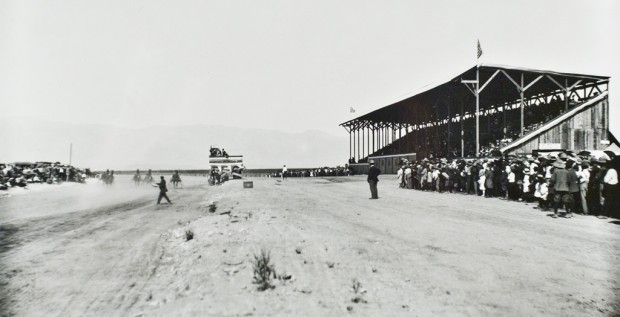
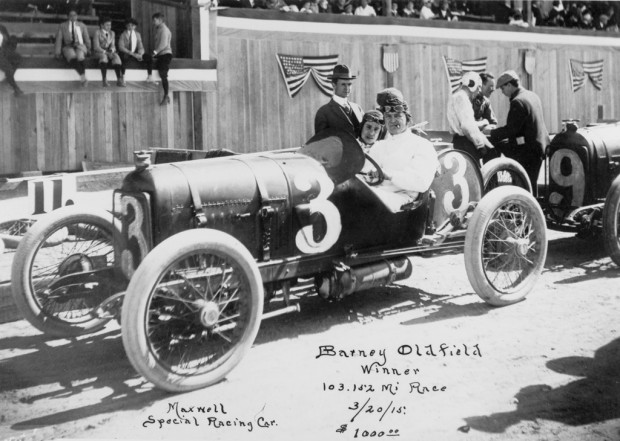
1915: The event was moved east of Campbell Avenue and north of what is now the Kino Sports Complex, and auto and horse racing were introduced. A second fair was held that year in November to try to draw more agricultural displays.
1918-28: The fair went on hiatus due to World War I and the flu pandemic.
1929: The fair was revived in two large tents, this time in an area where the Catalina Vista neighborhood is now located. The timing coincided with the La Fiesta de los Vaqueros rodeo.
1932: The fair moved again, this time to the current Rodeo Grounds on South Sixth Avenue. Rodeo and celebrations of the area's Native American cultures became a big part of the entertainment.
People are also reading…
1934-40: The Great Depression might have forced the fair into hiatus again. Fair officials have no records documenting fairs during this time.
1940: Carnival-ride tickets cost 10 cents.
1943-47: World War II grounded the fair, but 4-H Victory Market Days took its place.
1948: The first post-war fair again coincided with La Fiesta de los Vaqueros.
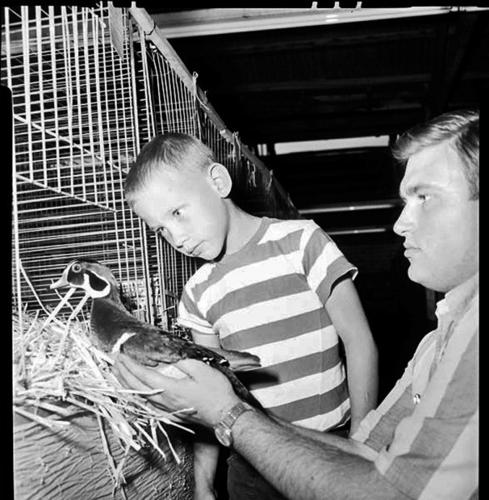
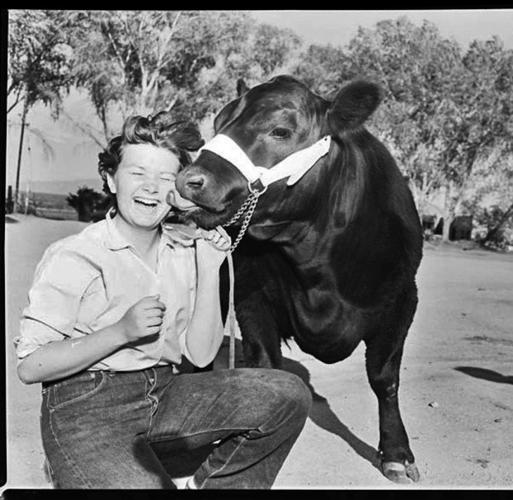
1950s: Agricultural (fruits, vegetables and baked goods) and 4-H exhibits (small and large stock) took center stage.
Late 1950s: The Siebrand Bros. Carnival and Circus ran the midway entertainment and rides.
1960: The Southern Arizona International Livestock Association took over management of the fair in a deal that runs through 1974.
1972: The fair moved to its current home on South Houghton Road.
1975: Pima County Board of Supervisors formed the Southwestern Fair Commission Inc. to manage the fairgrounds and run the annual fair.
1977: President Jimmy Carter's troubled baby brother Billy Carter reportedly collected a $10,000 fee to appear at the fair and "visit with the fans, philosophize, mix and mingle."
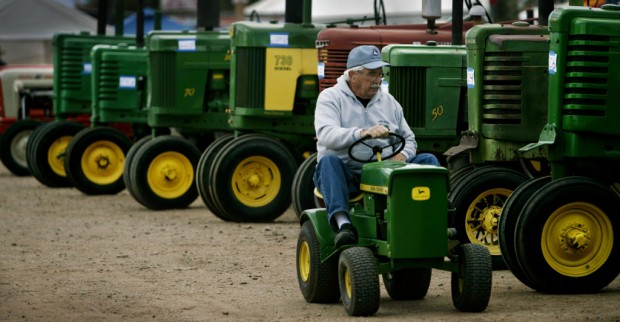
1987: Power From the Past, a group of individuals determined to collect, restore, exhibit and research early-day engines, tractors, equipment and household items exhibited engines at the fair for the first time. The exhibit has continued growing over the years.
1994: A total of 370 head of beef, lambs and swine belonging to 4-H and FFA exhibitors were sold in the large livestock auction conducted by the Pima County Junior Livestock Sales Committee.
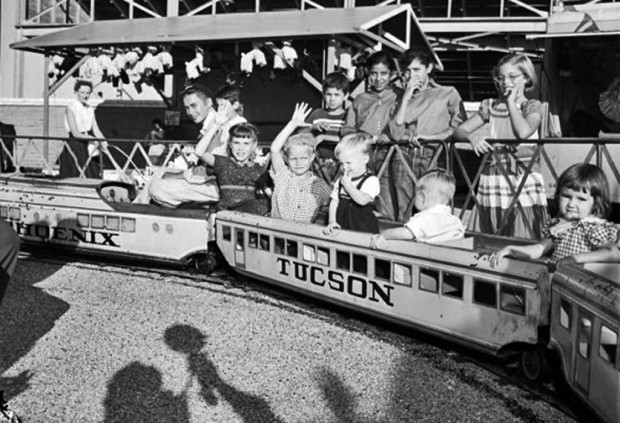
2001: The fair bade farewell to the ubiquitous miniature-railroad-train rides around the fairgrounds.
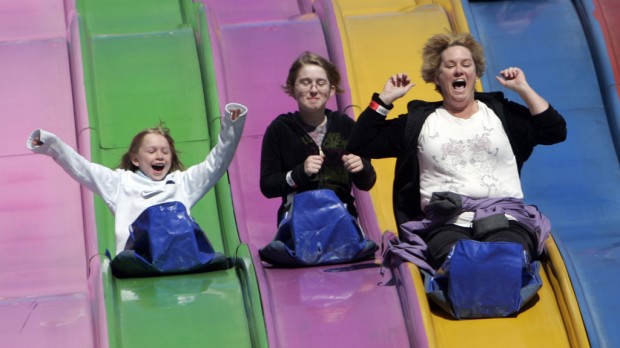
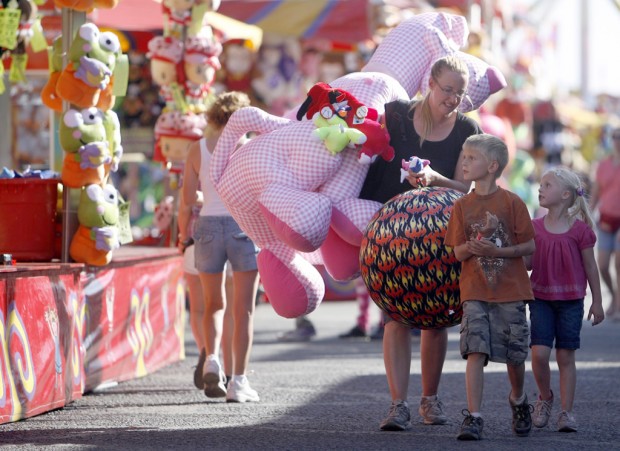
2011: Ray Cammack Shows marks its 32nd year of providing rides, games and food at the fair.
Source: Southwestern Fair Commission Inc.


