

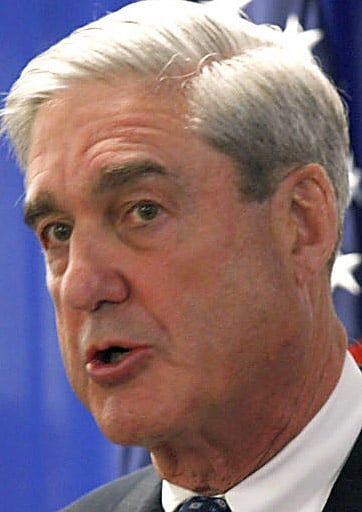
ORANGE, Calif. - FBI Director Robert Mueller on Wednesday defended his agency's use of sting operations in snaring terrorism suspects, a technique some have complained amounts to entrapment.
The FBI has come under criticism over its repeated use of stings in which agents and informants walk a suspect through a carefully choreographed plot to carry out what they believe to be a real bomb attack, though the explosives are never real.
Mohamed Osman Mohamud, 19, was arrested the day after Thanksgiving in Portland, Ore., after he allegedly tried to detonate a bomb. The bomb was not real and the whole plot had been created by the FBI.
"We have been tremendously successful in thwarting attacks," Mueller said at a news conference. "We are very careful in these investigations. … They are absolutely essential if we are to protect the community against terrorist attacks."
People are also reading…
Mueller said undercover operations are necessary to many FBI probes, not just those related to counterterrorism, and he noted that defendants have claimed in a string of cases since Sept. 11, 2001, that they were the victims of entrapment.
"There has not been yet to my knowledge a defendant who has been acquitted in asserting the entrapment defense," Mueller said, crediting "substantial oversight" such probes have.
Additionally, civil-rights and Muslim groups in Orange County have faulted the FBI over its infiltration of mosques with at least one informant who was paid to gather intelligence. The informant, Craig Monteilh, said his handlers told him to ask mosque members about "jihad" and their support for terrorist operations abroad.
Mueller was speaking at the official opening of a new crime laboratory that specializes in extracting data and files from cell phones, flash drives and computers seized in criminal probes.
The so-called Regional Computer Forensic Laboratory will employ a team of 23 forensic examiners who are trained to circumvent passwords and other security measures a user may put on an electronic device.
The lab is the 15th of its kind across the country. Mueller said that at a different lab, agents gathered information during an investigation into Najibullah Zazi, the son of an Afghan immigrant who admitted driving from Denver to New York with the intention of attacking the subway system.
Because of the data that was seized, agents were able to track him and prevent the attack, Mueller said.


