

The following is the opinion and analysis of the writer:
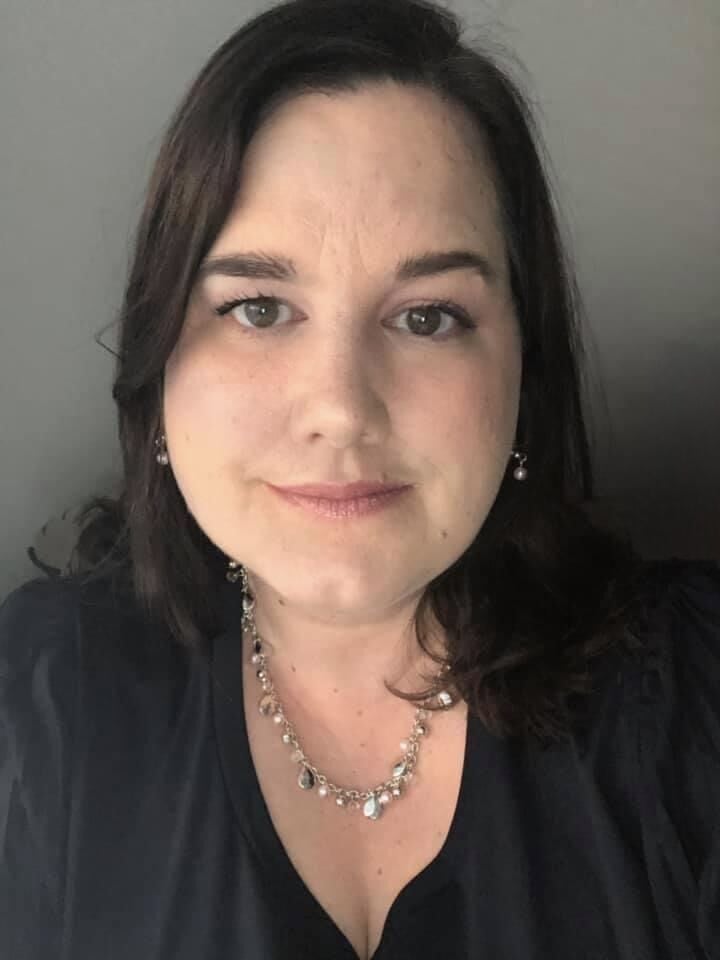
Catherine Sienko
There’s a pattern that keeps repeating itself in education systems across the country, and Arizona is no exception. Decisions get made about deaf, hard-of-hearing and deafblind students without fully centering the people who live those experiences every single day.
At a time when the country is experiencing deep political divides and ongoing conversations about the future of education, including ongoing efforts to dismantle the U.S. Department of Education, it is more important than ever that we stay focused on what matters most. We need to have honest, thoughtful conversations about education in America, and that must include the voices of the communities most impacted.
Right now, we’re watching that pattern unfold again.
Proposals, agreements, and funding discussions related to deaf education are progressing with a strong focus on logistics, costs and structure. Those things matter. But what continues to be missing, or at least not prioritized enough, is something far more important: lived experience.
People are also reading…
Because this isn’t just about budgets, buildings, or figuring out where to place a child.
It’s about language.
It’s about access.
It’s about whether students are placed in environments where they can fully understand, fully participate, and fully belong.
When systems rely too heavily on mainstream assumptions, they often overlook a critical concept: incidental learning. Deaf students do not have the same access to overheard conversations, environmental cues, or informal learning moments that hearing students pick up naturally. That can include hallway conversations, side discussions between teachers and students, announcements made in passing, or even picking up on tone and context during group interactions. That gap is not minor. Over time, it becomes a barrier that affects academic growth, social development, and long-term opportunity.
This also raises important questions about how the Least Restrictive Environment, or LRE, is being applied. Too often, LRE is interpreted as placement in a mainstream setting without fully considering whether that environment provides meaningful access. For deaf, hard-of-hearing and deafblind students, a setting that limits access to language, communication, and peer interaction can, in practice, become the most restrictive environment. Inclusion without access is not inclusion.
And when those realities are not fully understood, decisions that look reasonable on paper can create real harm in practice.
We are also seeing decisions move forward without clear, accessible information on how they are structured or funded. For example, within the Tucson Unified School District, there are discussions around an approximately $815,000 proposal connected to deaf, hard-of-hearing, and blind and visually impaired services and education; at the same time, the district is navigating roughly $10 million in budget reductions. When significant financial commitments are proposed without a transparent breakdown or clear alignment with existing agreements, it becomes difficult for the community to fully understand what is being decided and why.
Transparency is not optional. It is part of accountability.
There is also a deeper issue at play. Support is often mistaken for expertise. In many districts across the country, decision-making bodies are primarily composed of hearing individuals, even when those decisions directly impact deaf students. Lived experience within the deaf community is not something to be consulted after the fact. It must be centered from the beginning. But support does not replace lived experience. It cannot.
The deaf, hard-of-hearing and deafblind community is not asking to be included as an afterthought. We are asking to be centered in decisions that directly affect our lives.
We bring knowledge that comes from navigating systems that were not built with us in mind. We understand the difference between access that looks good and access that actually works. We know what it means to thrive, not just survive, in educational spaces. Students should not have to live in survival mode, wondering if their interpreter will show up, missing key information during fast-paced classroom discussions, struggling to follow group conversations, or navigating environments where communication access is inconsistent or delayed.
That perspective is not optional. It is essential.
At the same time, we cannot ignore the financial realities being discussed. When school districts are making significant budget cuts while also proposing new financial commitments, it raises serious questions about sustainability. Community engagement is important, but it must be paired with clear, transparent planning. Otherwise, we risk creating solutions that are not stable for the very students they are meant to support.
This is a moment that requires more than ongoing communication. It requires intentional, meaningful engagement with the deaf, hard-of-hearing, and deafblind community. It requires intentional listening.
It requires transparency.
It requires bringing deaf, hard-of-hearing, and deafblind voices into the room early, not after decisions are already taking shape.
Because the stakes are too high to get this wrong.
The decisions being made today will shape not just programs or services, but the futures of deaf, hard-of-hearing and deafblind students who rely on these systems to access language, education and opportunity.
And those students deserve more than good intentions.
They deserve consistent, reliable access to their education.
They deserve environments where communication is not a barrier.
They deserve consistent access to language and communication.
They deserve to fully participate in their education, not struggle to keep up with it.
They deserve systems that are designed for them, not systems they have to survive.
Follow these steps to easily submit a letter to the editor or guest opinion to the Arizona Daily Star.
Catherine Sienko, a disability activist based in Tucson, serves as President of the Arizona Association of the Deaf and is a PhD candidate in Industrial and Organizational Psychology at Grand Canyon University.
