The following is the opinion and analysis of the writer:

Sheafe
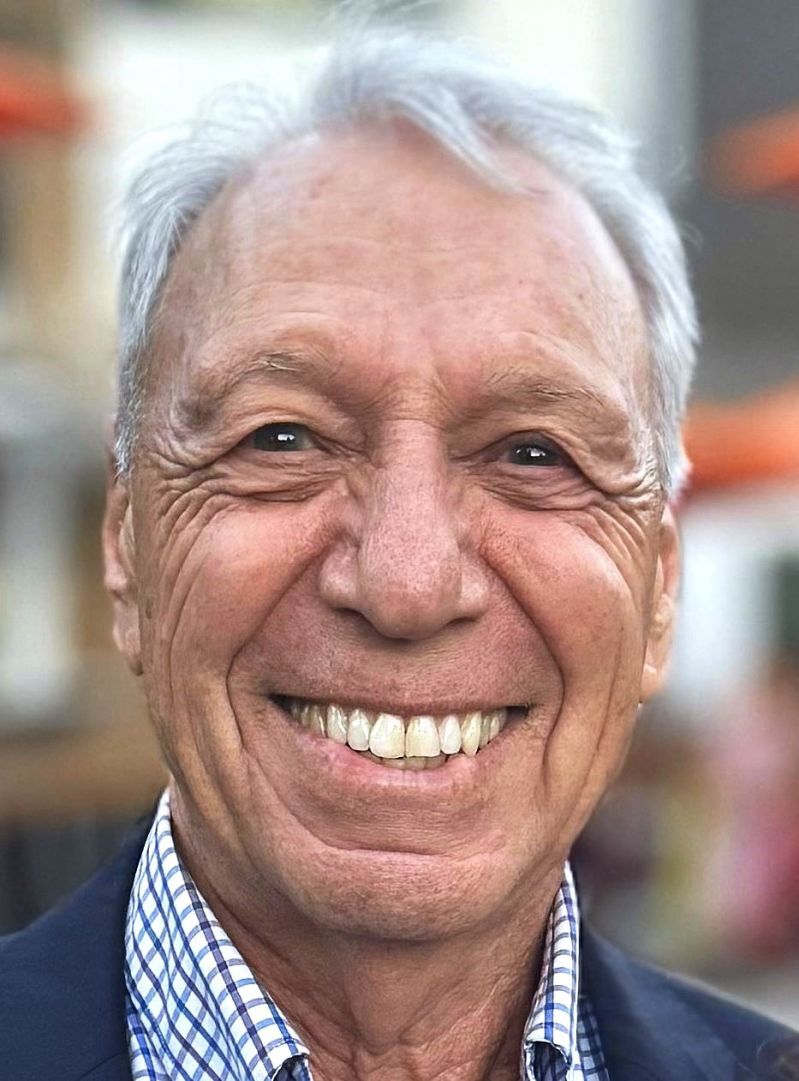
Howard Weiss
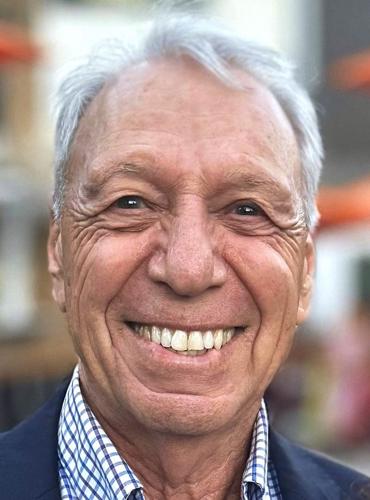
Last week, Tucson lost Chris and Jacque Sheafe in a plane crash at the Marana airport. I lost the smartest and nicest client I've had in 50 years in the advertising business. Our community lost something rarer still: a genuine "mensch".
Rabbi Harold Kushner described a mensch as someone who cultivates a soul through kindness and moral choices, acting with integrity, especially when facing life's hardships. Chris Sheafe embodied this completely, not through grand gestures, but through the daily architecture of how he treated people and approached problems.
I got to observe this up close. As my client, Chris had every reason to be demanding. He was developing major projects, managing complex deals, serving on boards that shaped the region's future. Instead, he was unfailingly thoughtful. He asked good questions. He listened to answers. When he disagreed, he explained why with a clarity that made you grateful for the correction. Intelligence without kindness is common in business. Kindness without intelligence is pleasant but limited. Chris delivered both, consistently, across decades.
People are also reading…
This wasn't an act. The same qualities showed up whether Chris was chairing the Tucson International Airport Authority, working on the Pima County habitat conservation plan, serving on Rio Nuevo's board, or sitting across a conference table from me. He understood that you don't switch between a "work self" and a "real self" — that integrity means being the same person in every room you enter.
What made Chris particularly valuable to Tucson was his combination of competence and civic commitment. He helped build Loews Ventana Canyon in the 1980s, developed housing and apartment projects through Estes Homes, and was currently working on Rancho del Lago. He knew how development actually works — the financing, the entitlements, the construction realities, the market dynamics. When he served on public boards and committees, he brought that expertise without the agenda. He could see both the developer's legitimate interests and the community's legitimate concerns, and find the path forward that honored both.
This is harder than it sounds. Most people who understand development advocate for development. Most people concerned about community impacts distrust development. Chris could hold both perspectives simultaneously and work toward actual solutions. The 2006 habitat conservation plan, the 2007 convention center hotel committee, the 2023 jail commission - these weren't ceremonial appointments. They were difficult assignments that required someone who could think clearly under pressure and find common ground among competing interests.
Chris also understood something crucial about community service: showing up isn't enough. He served on the Southern Arizona Home Builders Association, the Tucson Breakfast Club, the Southern Arizona Water Resource Association, the Tucson Regional Water Council, the Pima County Bond Committee. Each of these was serious work, not résumé decoration. He did the reading. He came prepared. He made the meetings better by being there.
What I'll remember most, though, is simpler. Chris treated everyone-clients, colleagues, contractors, waiters, everyone — with the same baseline respect. He was curious about how things worked and why people thought what they thought. He assumed competence in others and gave them room to prove him right. When problems emerged, he addressed them directly and without drama. He kept his word.
These aren't extraordinary virtues. They're fundamental ones, but they're increasingly rare. Kushner wrote that a mensch is someone who "makes the world more meaningful" through responsibility and kindness. Chris did exactly that, project by project, conversation by conversation, decision by decision, for decades.
Tucson has lost community leaders before, and we'll lose more. What we can't afford to lose is the example Chris set-that it's possible to be successful and decent, smart and kind, effective and ethical. Not sequentially, but simultaneously. Not in theory, but in practice.
That's what a mensch looks like. That's what we lost. That's what we need to remember.
Howard Weiss has been a Tucson resident for more than 60 years.