

—The following is the opinion and analysis of the writer:
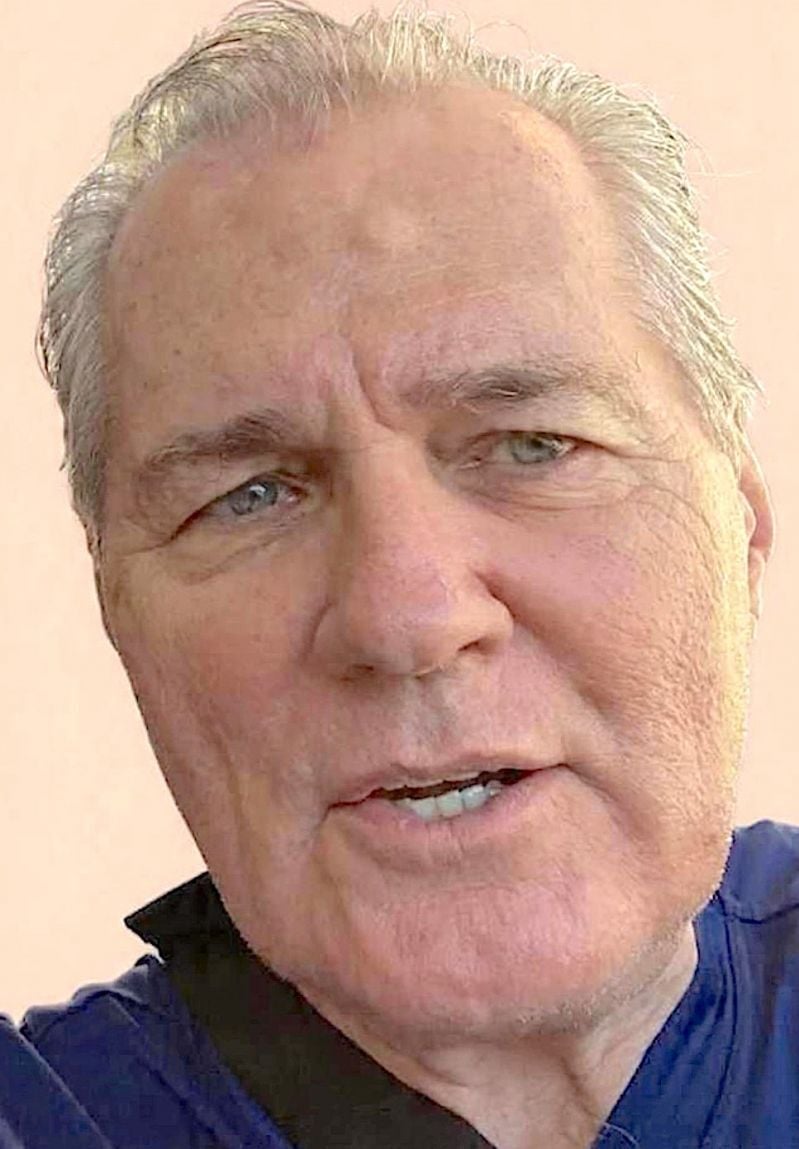
Michael A. Chihak
We soon could know less about proceedings in Arizona’s justice system.
A state Supreme Court task force is considering rules changes to strictly limit news reporters’ use of recording devices in courtrooms and courthouses.
Bottom line: The changes threaten the people’s right to know, which is the underlying tenet of the First Amendment’s free press right. New rules would speed up what has been a long, slow slide from a largely transparent government to one shrouded in opacity.
Paralleling that has been a slide in trust of government, including the courts. A recent Gallup poll had U.S. Supreme Court public approval at 42%, near its historic low.
Arizona courts, too, have trust trouble. A 2025 report from the state Supreme Court Task Force on Public Communication cited what it called “the ‘invisible barrier’ that makes the judicial system seem inaccessible and out of touch ...”
People are also reading…
We don’t want to move toward the Russian model of justice, in which “cases ... are consistently held behind closed doors,” as the Judiciaries Worldwide website describes.
Yet further erosion is likely under the proposed changes for recording devices in Arizona courtrooms and courthouses.
Keeping the existing rules, which have worked for years, could bolster public trust. Recording devices are allowed in courtrooms with judges’ permission if they don’t disturb proceedings or threaten security. Use of such devices in courthouses, outside of courtrooms, is similarly permitted.
Changing the rules would be “a new and disturbing direction when it comes to camera coverage of courtroom proceedings and newsgathering in the courthouses of Arizona. It signals a giant step backwards toward closure and distrust,” two lawyers for a coalition of news media outlets wrote in a posting at the state Supreme Court’s rulesforum.azcourts.gov.
David J. Bodney of Tucson and Matthew E. Kelley of Phoenix, First Amendment specialists with the Phoenix office of Ballard Spahr law firm, posted the comment.
(Full disclosure: David Bodney has represented newsrooms in which I have worked, and he told me about the proposed new rules.)
In their post, the lawyers said the changes are being pitched as little more than updates to align with technological advances.
“But the proposed changes to Rules 122 and 122.1 are far more sweeping and draconian than that,” the lawyers wrote. “... They would ban all audio and video recording in courthouses without prior approval of the presiding judge ...”
That means a reporter in the courthouse would need the top judge’s OK each time before using a recording device — e.g., a mobile phone — to do a hallway interview of a prosecutor or a defense lawyer, someone suing or being sued or a criminal defendant.
Additionally, asking judges for permission to use recording devices would be required seven days in advance rather than the current three, “creating an additional bureaucratic roadblock” to coverage, Bodney and Kelley wrote.
“This court should deny the petition because its proposed changes would unnecessarily make it more difficult for journalists to inform the public about how their courts are functioning. ...” they wrote.
Arizona pioneered cameras in courtrooms more than four decades ago. To renege on the promise of a transparent justice system now would be, simply put, a gross injustice.
“Democracy blooms where the public is informed and stagnates where secrecy prevails,” the state Supreme Court said in a 1971 ruling that ensured news media and public access to criminal court proceedings.
Fifty-five years later, we the people must insist that our justice system preserve that principle of openness.
Follow these steps to easily submit a letter to the editor or guest opinion to the Arizona Daily Star.
Michael A. Chihak is a retired newsman and native Tucsonan. He writes regularly for the Arizona Daily Star.


