
The following is the opinion and analysis of the writers:
Though Arizonans have enjoyed a particularly wet and mild winter thanks to the effects of the La Niña weather system, the flipside of all that rain may be a more deadly West Nile Virus (WNV) season. Experts fear what is coming may be a repeat of the summer of 2021 when Maricopa County’s WNV outbreak totaled 1,487 symptomatic cases and was the largest ever recorded in that county.
WNV is spread by mosquitoes and can cause fever and fatigue for several months. It can also cause severe illnesses, including encephalitis, and even death. Those over 60 are at greatest risk. To prevent unnecessary illness and deaths, both the general public and clinicians need to be better aware of the symptoms, which can include headaches, neck stiffness, stupor, disorientation, coma, tremors, convulsions, muscle weakness, vision loss, numbness and paralysis. We also need to do more to reduce mosquito breeding by using insect repellent, using window screens, treating standing bodies of water — including home pools and spas, and clearing out backyard containers.
People are also reading…
Maricopa County public health officials acted quickly to put in place a public health messaging campaign called “Fight the Bite.” Those in charge of the state should follow Maricopa’s lead. In 2003, Kansas implemented a similar public health awareness campaign in response to the threat of WNV across the state. A 2005 study published in the journal Emerging Infectious Diseases looked at how well their campaign reached individuals and whether it resulted in people taking action to protect themselves.
This report gave us some important lessons. First, people who spoke Spanish or another language did not show that they were as aware of the disease or measures to protect themselves. Secondly, although this health campaign increased awareness, it did not change behavior. Despite these drawbacks, awareness of WNV is the first step in preventing people from getting sick, especially when used in conjunction with other public health measures. When public health messaging is used, it is important that public health officials also consider the effect of previous situations on the public’s trust and confidence in the public health system. During the COVID-19 pandemic, the messaging from some major organizations left some individuals without trust in organizations like the CDC, says National Public Radio. Public health officials must take this into consideration when designing their messaging campaigns.
It is imperative that physicians and healthcare professionals counsel patients on the importance of proper practices to protect against mosquitos. For many Americans, WNV may feel like something of minimal concern. A 2019 article published in the journal PLoS pathogens pointed out that this virus was only introduced into the United States a little over two decades ago, meaning the practices many Americans have used for protection against insects may no longer be up to date. For many primary care providers, it is important to assess a patient’s understanding of the disease and clarify misconceptions. This can be driven by an epidemiological-based approach, with primary care providers in states with especially high incidence, such as our state of Arizona, making this a higher priority in patient education, says the Centers for Disease Control and Prevention (CDC).
Additionally, reporting active cases to the Disease Outbreak Control Division and mosquito breeding problems to the local Vector Control Offices/ Health Department should be a priority to prevent the spreading of the virus and control this life-threatening disease. According to the CDC, all cases should be reported in a timely manner, as these reports can “assist local, state, and national authorities to recognize outbreaks and to implement control measures to reduce additional infections.”
In conclusion, WNV is a growing concern in the state of Arizona. It is essential that physicians and public health officials do their part by spreading awareness of what WNV is, counseling patients on the proper protection practices, and actively reporting all cases of WNV.
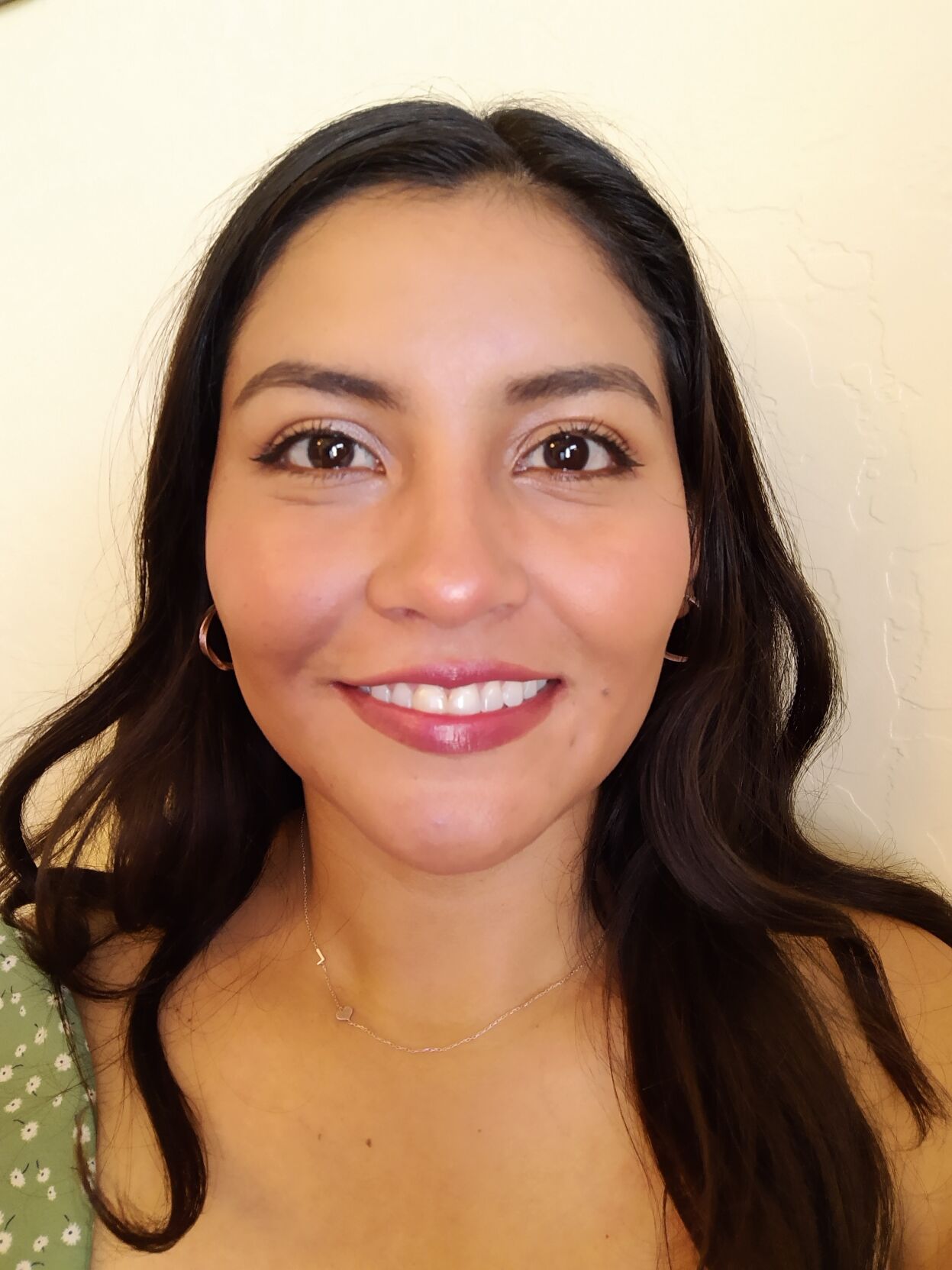
Dulce Maria Vivas Cruz

Erin Mills

Isabel Fangman

Negar Katirai

Oscar Salinas
Dulce Maria Vivas Cruz, Erin Mills, Isabel Fangman, Negar Katirai, Oscar Salinas are Master of Public Health students in the Public Health Policy and Management Course at the Mel and Enid Zuckerman College of Public Health at the University of Arizona.