

The following is the opinion and analysis of the writer:
I grew up in Raleigh, North Carolina. For as long as I can remember, there was the Black part of town. It was something that everyone knew and took for granted. Everyone, meaning me and my neighbors who were all white. The school bus took my friends and me from my all-white neighborhood to school, across an imaginary line that cleaved downtown along Wilmington Street where, on the other side, like magic, everyone was Black. I still remember that feeling that I got, the discomfort, like something wasn’t right when we crossed that line into a different world where the houses were smaller, some were even boarded up, and frayed around the edges.
In 2005, I moved to Tucson, nearly 2,100 miles west of the Southern city where I grew up. It didn’t take long before another racial line entered my consciousness: 22nd Street. Tucsonans know that south of 22nd is the Hispanic part of town. Though the architecture is different, Black Raleigh and Hispanic Tucson have much in common. Why is almost every city in this country still segregated by race and ethnicity? Growing up, it’s just the way it was. I just assumed people of the same race chose to live together. No one talked about it. What other explanation could there be?
People are also reading…
The explanation is that intentional historical racist housing policies engineered housing segregation, a subject left untouched and untaught, including the UA’s Planning Degree program, where I earned my master’s in urban planning.
After World War II, the federal government financed the construction of the suburbs, created the 30-year mortgage to buy new homes, destroyed minority and integrated neighborhoods by building highways to reach the suburbs, and explicitly excluded anyone who wasn’t white from this wealth-building machine. The Realtor Code of Ethics once required its member to discriminate, and developers kept neighborhoods white with restrictive covenants. Housing segregation didn’t just happen. It was carefully, intentionally and forcefully engineered by the government with support from the banking system and real estate industry.
The Fair Housing Act (FHA), included in the landmark Civil Rights Act, was passed in 1968, a few days after the assassination of Martin Luther King Jr. The FHA makes it illegal to discriminate based on race, color, national origin, religion, sex, familial status or disability in housing. The law also requires recipients of federal funds to overcome patterns of segregation and foster inclusive communities with access to opportunity. Unfortunately, that aspect of the FHA has rarely been enforced.
The racist structures of the past still very much define where we live and, therefore, our life outcomes. For instance, white people are much more likely to own their homes than people of color. The homeownership rate for Black people in the U.S. is lower today than when the Fair Housing Act was passed 54 years ago. In Tucson, the homeownership gap between whites and Blacks is 34%. Between whites and Hispanics, it’s 12%. Hispanic and Black borrowers are two to three times more likely to be denied a mortgage than white borrowers with similar financial profiles.
Bias in the home appraisal process devalues neighborhoods of color by nearly $150 billion nationwide and contributes to the yawning wealth gap with whites. Homes in communities of color still typically appraise for tens of thousands of dollars less than comparable homes in white neighborhoods. The median wealth for white families is $188,200 compared to $24,100 for Black families and $36,100 for Hispanic families. People who use Housing Choice Vouchers to afford housing in the private market are highly concentrated in racially and ethnically concentrated areas of poverty.
We have fundamentally failed to acknowledge this history, much less attempt to undo the damage, not just to people of color, but to all of us, that the racist housing policies of the past have done. That legacy continues to define where we live today and, therefore, our access to education, health care, transportation, the food we eat and even how long we are likely to live.
April is Fair Housing Month, and this year’s theme is “Fair Housing: More Than Just Words.” Achieving King’s dream of integrated neighborhoods where everyone has access to safe, decent and affordable housing and opportunities to thrive and reach their full potential will indeed take more than just words. It will take concerted, sustained and targeted actions from the public and private sectors on the same massive scale that it took to create the segregated and unequal communities that are still sadly the norm today.
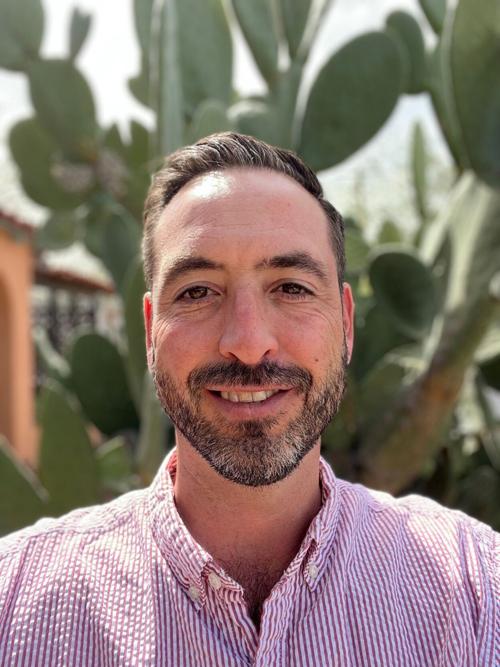
Jay Young is the executive director of the Southwest Fair Housing Council and a member of the City of Tucson’s Commission on Equitable Housing and Development
