


If you make a purchase after clicking on links within this article, Lee Enterprises may earn affiliate commissions. The news and editorial departments had no role in the creation or display of this content.
The short answer is yes some do, the long answer is that it may be a bit less certain. Joint supplements may actually be one of the most well-studied areas when it comes to the supplements industry, particularly when it comes to arthritis symptoms. The catch is, unfortunately, a lot of the products out may make big claims based on some clinical trials, then proceed to perhaps include a fraction of the dose that was used in said clinical trials. Or in some cases, they may ignore the fact that the trials may have told a different story. Now, that's not to say everything is doom and gloom, armed with the right information, there may be many options out there that research suggests do have a pretty strong chance of perhaps helping out in terms of joint stiffness and pain relief.
People are also reading…
And of course, this is where the reviewers for this article come in, breaking down the joint supplements that may show promise. These reviewers are recommending a couple of products that seem to get the active ingredients in the right doses at a reasonable price.
Top Brands
Best Single-Ingredient Supplements - Elm and Rye
Best All-in-One Joint Supplements - FlexAgain
Best Budget Joint Supplement - Joint Buddy
Turmeric and Curcumin: The Anti-Inflammatory Powerhouses
Turmeric has long been revered for its medicinal properties. The active compound in turmeric, known as curcumin is one of the most well studied ingredients for potentially reducing arthritis symptoms. It's important to look for curcumin supplements specifically as it may only about 12% of turmeric at best.
The Anti-Inflammatory Benefits of Curcumin
Curcumin has been shown to be a natural anti-inflammatory agent, and some research sugggests it may be effective in managing the symptoms of both osteoarthritis and rheumatoid arthritis. Curcumin is believed to work by inhibiting the production of inflammatory enzymes and cytokines, which may contribute to joint pain and swelling.
Enhancing Curcumin Bioavailability
One challenge with curcumin supplements may be low bioavailability, meaning that only a small fraction of the compound is absorbed by the body. To address this, some manufacturers have developed formulations that incorporate black pepper or other compounds to potentially enhance curcumin's absorption and utilization. Alternatively look for at least 500mg of curcumin a day to make sure you may be getting enough.
Omega-3 Fatty Acids: The Anti-Inflammatory Allies
Omega-3 fatty acids, specifically the ones found in fish oils and other marine sources like algae, have long been recognized for their potential anti-inflammatory properties. They is some research in multiple double blind trials against pain relievers that suggests that may be a potent addition to a joint health regemin. It's important to note that plant-based sources may not contain EPA and DHA that you need to possiblyimprove arthritis pain relief.
The Omega-3 Advantage
Omega-3s are believed to work by reducing the production of inflammatory compounds, such as prostaglandins and leukotrienes, which may contribute to joint pain and swelling. There's also the fact that your body could require them for a host of other functions aside from maintaining connective tissue and most Americans may not get enough. And it's one of the few ingredients that many arthritis groups may recommend. Research has suggested that omega-3 supplements may be beneficial for individuals with both osteo and rheumatoid arthritis, helping to alleviate symptoms and potentially slow the progression of the disease. They've also may be comparable to nonsteroidal anti inflammatory drugs in terms of pain relief in several trials.
Omega-3 Dosage and Considerations
The optimal dosage of omega-3 supplements for joint health is still a topic of ongoing research, but many healthcare providers seem to suggest a daily intake of 1,000 to 3,000 milligrams of combined EPA and DHA, the two primary omega-3 fatty acids. Remember, you may need to get this from algae or fish oil specifically. As with other supplements, it's essential to consult with your healthcare provider, especially if you are taking blood thinners or have any other underlying health conditions.
Glucosamine: The Cartilage Rebuilder
Glucosamine is a natural compound found in cartilage, the rubbery tissue that cushions joints. It appears to be one of the most commonly used supplements for arthritis and joint pain. Oddly most of the studies have been done on knee osteoarthritis specifically, but it may be good for all forms of joint pain.
Glucosamine's Role in Joint Health
Glucosamine is involved in building tendons, ligaments, cartilage, and the thick fluid that surrounds joints. It may help to prevent the breakdown of cartilage and might be beneficial for osteoarthritis, particularly in the knee. Some studies suggest that glucosamine may even be as effective as NSAIDs in reducing pain and can could improve general mobility.
Commonly Used Dosages: Glucosamine supplements are commonly available in doses of 500 mg capsules. The recommended daily dosage, according to some, may typically be 1,500 mg, taken as three doses of 500 mg each. However, glucosamine HCL, which is a purer form than the sometimes cheaper glucosamine sulfate, may be used in lower dosages. Meaning if you get glucosamine hydrochloride then 400mg a day may also be acceptable.
Some studies and guidelines suggest taking it consistently for at least 4-6 weeks to evaluate its effectiveness on joint health.
Glucosamine Supplement Considerations
Glucosamine is typically sourced from shellfish shells or produced synthetically. It may help individuals with shellfish allergies to avoid glucosamine products derived from shellfish.
Bromelain: The Anti-Inflammatory Enzyme
Bromelain is an enzyme complex derived from the stem and fruit of pineapples and has been used in traditional medicine for various ailments.
Bromelain's Effectiveness in Joint Health
Bromelain possesses anti-inflammatory and analgesic properties, making it a potential candidate for treating inflammation and pain, notably in osteoarthritis. It works by modulating the inflammatory processes and may reduce swelling, bruising, and pain after surgery or injury, and could alleviate the symptoms of arthritis.
Commonly Used Dosages: Bromelain dosages may vary widely depending on the potency and formulation. For joint pain, doses might often between 100-400 mg two to three times a day, taken between meals to potentially maximize absorption.
Ginger: The Versatile Anti-Inflammatory
Ginger is known for its health-promoting properties most well known of which may reduce inflammation, which might make it one of the most popular supplements for arthritis.
The Role of Ginger in Joint Health
Ginger contains gingerols and shogaols, compounds that may have potent anti-inflammatory and antioxidant effects. Some research has shown that ginger may help reduce symptoms of osteoarthritis and rheumatoid arthritis, such as pain and stiffness. Ginger may also improves circulation, which may further help reduce joint pain.
Commonly Used Dosages: For joint health, ginger is often taken in doses ranging from 500 to 1,000 mg of standardized extract daily. Some studies may enlist higher doses, but typical recommendations suggest starting at lower doses to gauge tolerance. Ginger may also be consumed fresh, with a common guideline for some being up to 2-3 grams of fresh root daily. Some studies have shown 250mg daily may be effective when using specific ginger extracts such as Eurovita77.
Vitamin D: The Bone and Joint Supporter
Vitamin D is a crucial nutrient for overall bone and joint health, and its importance in the context of joint supplements should not be overlooked.
The Vitamin D Connection
Vitamin D may paly a role in the absorption and utilization of calcium, which may be essential for maintaining strong, healthy bones. Additionally, research suggests that vitamin D may have anti-inflammatory properties and may help reduce the risk of developing certain forms of arthritis, such as rheumatoid arthritis.
Addressing Vitamin D Deficiency
Many individuals, especially those who live in regions with limited sunlight exposure, may be deficient in vitamin D. Supplementation may help address this deficiency and potentially provide benefits for joint health. However, it's important to work with your healthcare provider to determine the appropriate dosage, as high levels of vitamin D may also be problematic.
Commonly Used Dosages: The typical dosage for vitamin D supplementation varies based on blood levels, but for potentially maintaining overall health, doses range from 800 to 2,000 IU per day. For those who may have a deficiency or higher needs (like in the case of joint health), dosages may be higher, typically around 2,000 to 4,000 IU per day, but only as advised by a healthcare provider.
Vitamin E: The Antioxidant Ally
Vitamin E is a powerful antioxidant that has been studied for its potential benefits in supporting joint health.
Vitamin E's Antioxidant Properties
Oxidative stress and inflammation are believed to contribute to the progression of certain forms of arthritis, such as osteoarthritis. Vitamin E's antioxidant capabilities may help mitigate these damaging processes, potentially slowing the deterioration of cartilage and reducing joint pain and stiffness.
Vitamin E Supplement Considerations
Commonly Used Dosages: For antioxidant protection and joint health, vitamin E is commonly taken in doses of 200 to 400 IU per day. However, it's important to note that higher doses may increase the risk of bleeding, especially in combination with blood-thinning medications, so please consult a healthcare provider prior to any dosage.
Collagen: The Structural Support
Collagen is a protein that plays a crucial role in the structure and function of joints, and supplementation with collagen-based products has gained attention in the realm of joint health.
Collagen's Role in Joint Health
As people age, bodies may produce less collagen, which could lead to a decline in the structural integrity of joints. Collagen supplements are believed to possibly help replenish this essential protein, potentially improving joint mobility, reducing pain, and potentially support the overall health of the cartilage.
Collagen Supplement Varieties and Considerations
Collagen supplements may come in various forms, including powders, capsules, and gummies. While the research on the efficacy of collagen supplements for joint health is still ongoing, many individuals may report some positive experiences in using them as part of a comprehensive joint health regimen.
Commonly Used Dosages: Collagen supplements typically suggest a dosage of 5 to 10 grams per day. The exact amount may depend on the type of collagen supplement (e.g., hydrolyzed collagen versus undenatured type II collagen) and perhaps even the specific brand’s formulation.
Boswellia Serrata: The Anti-Inflammatory Herb
Boswellia serrata, also known as Indian frankincense, is a herb that may have been used in traditional medicine for its potential anti-inflammatory properties, making it a promising supplement for joint health.
The Boswellia Serrata Advantage
The active compounds in Boswellia serrata, known as boswellic acids, are believed to inhibit the production of inflammatory enzymes and cytokines, which may contribute to joint pain and swelling. Some studies have suggested that Boswellia serrata supplements may be effective in managing the symptoms of osteoarthritis and rheumatoid arthritis.
Boswellia Serrata Supplement Considerations
Commonly Used Dosages: Boswellia dosages for joint health typically range from 100 mg to 300 mg taken two to three times daily. The extract should be standardized to contain approximately 60% boswellic acids for optimal potential effectiveness, or a minimum of 100mg of boswellic acid specifically.
While Boswellia serrata supplements may be generally well-tolerated, they may interact with certain medications, such as blood thinners and NSAIDs. It's essential to consult with your healthcare provider before incorporating Boswellia serrata into your supplement regimen, especially if you have any underlying health conditions or are taking prescription drugs.
Methylsulfonylmethane (MSM): The Sulfur Compound
Methylsulfonylmethane (MSM) is a naturally occurring sulfur compound that has gained attention for its potential benefits in supporting joint health.
The Role of MSM in Joint Health
MSM is believed to have anti-inflammatory properties and may help reduce the pain and swelling associated with certain forms of arthritis. Additionally, MSM is thought to play a role in the formation and repair of connective tissues, such as cartilage, which may be essential for joint function.
Commonly Used Dosages: MSM is commonly taken in doses of 1,000 to 3,000 mg per day, often divided into two or three doses. Some people may increase the dose gradually, depending on their response and as tolerated, since higher doses may be needed to see significant improvements in joint health. Again, please consult a healthcare provider.
The Best Supplements For Joint Pain
Elm and Rye – Best Single Ingredient
Now Supplements have a good curcumin, a good omega supplement and a good glucosamine supplement and a few other options too. They’re may be some of the more well tested and cleanest single ingredient supplements on the market, with what appear to be positive reviews from some critics and generally positive customer feedback across the board.
This may be a great option, especially if you have specific allergens that you're trying to avoid, or perhaps looking to possibly experiment with which ingredients work best for you, then Elm may be some of the best supplement manufacturers when you may be looking to get single ingredients at a good price.
Pros
Good quality
Purportedly third party tested
Made in FDA registered facilities
Good potential manufacturing guidelines
Cons
Single ingredients can get expensive if you want a comprehensive supplement stack
FlexAgain – Best Joint Supplement (All in One)
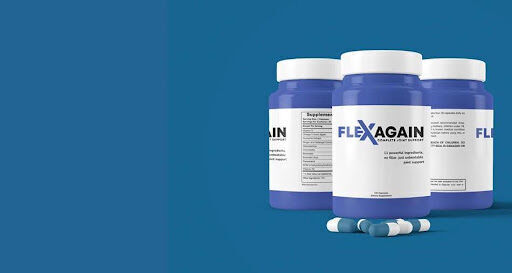
FlexAgain appears to win a lot of top supplement for joint pain awards from the industry, and it's not all too surprising. It may be better dosed than anything else on the market and at the same price point as most of its competitors. And there's the fact that they offer a money back guarantee, making it less of a potential risk for users. These article reviewers have confirmed, on top of what appear to be a number of other dietary supplement reviewers.
In terms of ingredients they appear to have most of the big ones on the list, in what amy be the correct dosages, meaning omega, glucosamine, ginger, curcumin, vitamin d, boswellia, bromelain and chondroitin supplements. They may also contain MSM, but this is probably the only of their 11 ingredients that might not be in its optimal dose.
There are a couple of other lesser-known ingredients in here, but resveratrol has shown potential to be good for joint stiffness and knee pain in some research, at the dose of 100mg that FlexAgain uses, as well as having a lot of potential benefits for brain health. Vitamin k2 has been shown to possibly slow the progression of osteoarthritis which is a nice inclusion too.
All in all this would be a recommendation. It is a potentially great product with good manufacturing practices, and solid customer service.
Pros
Appears to cover all the big joint pain relief ingredients
Money back guarantee
Good value
Purportedly third party tested
Made in FDA registered facilities
Good manufacturing practices
May include premium extracts
Cons
4 capsules a day may be a bit much for some
Joint Buddy – Best Budget
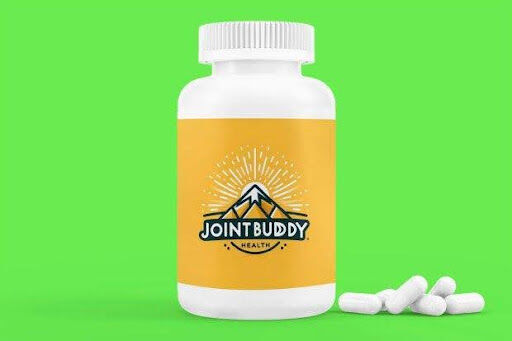
Joint Buddy is priced similarly to other budget brands that contain just the glucosamine and chondroitin, but it offers a full dose of glucosamine sulfate, MSM, and chondroitin sulfate and a host of vitamins and minerals that may be good for joint support. including Vitamin A, C, E, and B-complex vitamins, which may play critical roles in overall health and help potentially enhance the body's healing process and immune response. Minerals like Zinc, Selenium, Copper, and Manganese may be crucial for antioxidant defense and tissue repair mechanisms. Then there's the Green Lipped Sea Mussel (375mg), which is rich in omega-3 fatty acids and unique marine lipidsmay have strong anti-inflammatory properties, means you may be getting a bit of a boost on that front too. But, it might be a little on the lower side, so most people may also benefit from taking a half dose or one capsule of omega from another source.
There are some other ingredients like Boron, Devil’s Claw, Yucca, and Cetyl Myristoleate, which may have some studies to back them. But, considering that it's under $30 for a month's supply, it may be a good value.
Pros
Great value proposition
May contain a good vitamin and mineral blend
Purportely third party tested
Made in FDA registered facilities
Good manufacturing guidelines
Cons
May contain less omega
Visit JointBuddies.com
Joint Supplements FAQ
1. What are joint supplements?
Joint supplements are dietary products intended to provide nutrients or compounds that may support joint health, reduce discomfort, and improve mobility. Common ingredients may include glucosamine, chondroitin, MSM, omega-3 fatty acids, and herbal extracts like turmeric and Boswellia.
2. Who should consider taking joint supplements?
Individuals experiencing joint pain, stiffness, or other symptoms associated with conditions like osteoarthritis or rheumatoid arthritis may benefit from joint supplements. Athletes or older adults looking to maintain joint health and mobility might also consider using these supplements.
3. Are joint supplements effective?
The effectiveness of joint supplements can vary depending on the individual, the specific ingredients used, and the condition being treated. Some ingredients, like glucosamine and chondroitin, have been shown in some research to potentially help reduce joint pain and slow cartilage degradation.
4. How long does it take for joint supplements to work?
The time it takes to see benefits from joint supplements can vary. Some people may notice improvements within a few weeks, while for others, it might take up to two months. Consistent and long-term use may be necessary to evaluate their effectiveness.
5. Can joint supplements replace my medication?
No, joint supplements should not replace medications prescribed by your healthcare provider. They may be used as a complementary approach to managing joint health but always consult with a healthcare professional before making any changes to your medication regimen.
6. What are the common side effects of joint supplements?
Most joint supplements appear to be well-tolerated, but some individuals may experience gastrointestinal issues, such as nausea, diarrhea, or constipation. Ingredients like MSM and glucosamine could potentially affect blood sugar and blood clotting, respectively.
7. Can I take joint supplements with other medications?
Joint supplements may interact with medications, including blood thinners, diabetes medications, and anti-inflammatory drugs. It’s important to consult with your healthcare provider before starting any new supplements to avoid adverse interactions.
8. How should I choose a joint supplement?
Look for supplements that contain scientifically supported ingredients, have clear labeling, and come from reputable manufacturers. It’s also beneficial to choose products that have been third-party tested for quality and purity.
9. Are there natural alternatives to joint supplements?
Diet and lifestyle play significant roles in joint health. Consuming a diet rich in anti-inflammatory foods, staying physically active, and maintaining a healthy weight may help manage joint pain and support joint function without supplements.
10. What is the recommended dosage for joint supplements?
The recommended dosage may vary based on the specific supplement and its active ingredients. Always follow the dosage recommendations on the product label or those given by your healthcare provider.


