

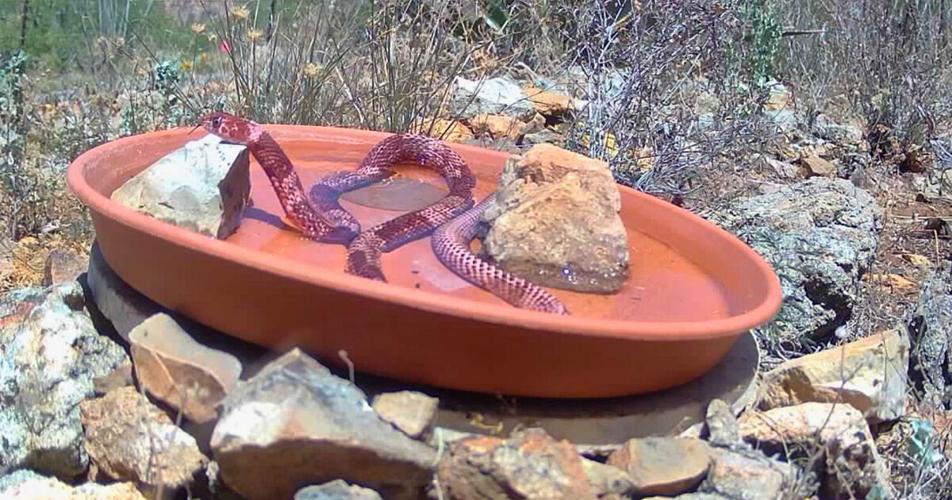
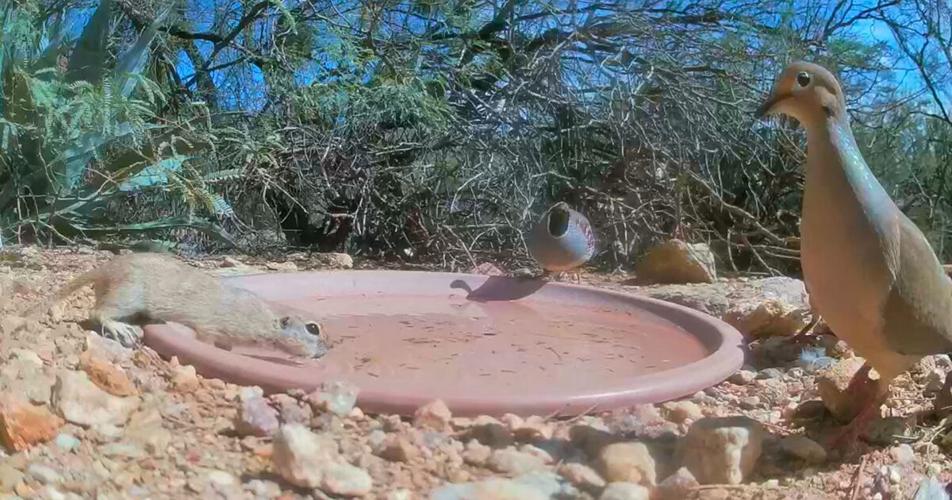
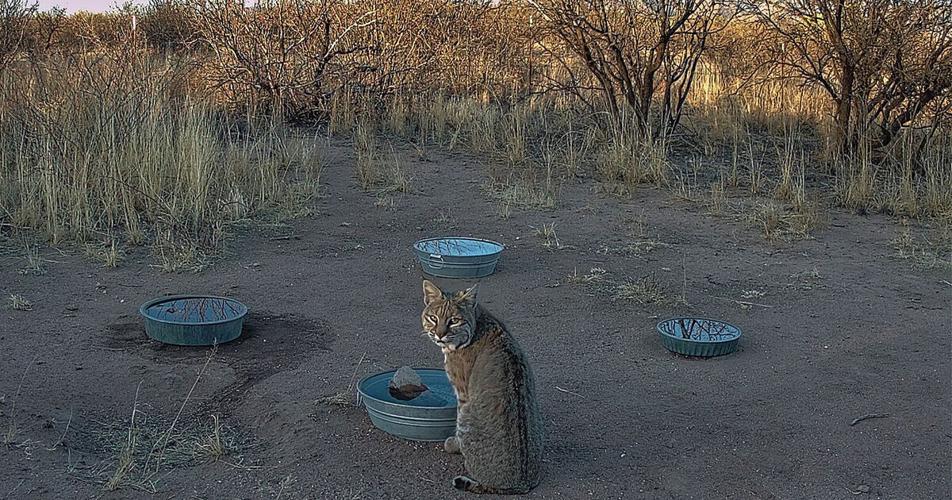
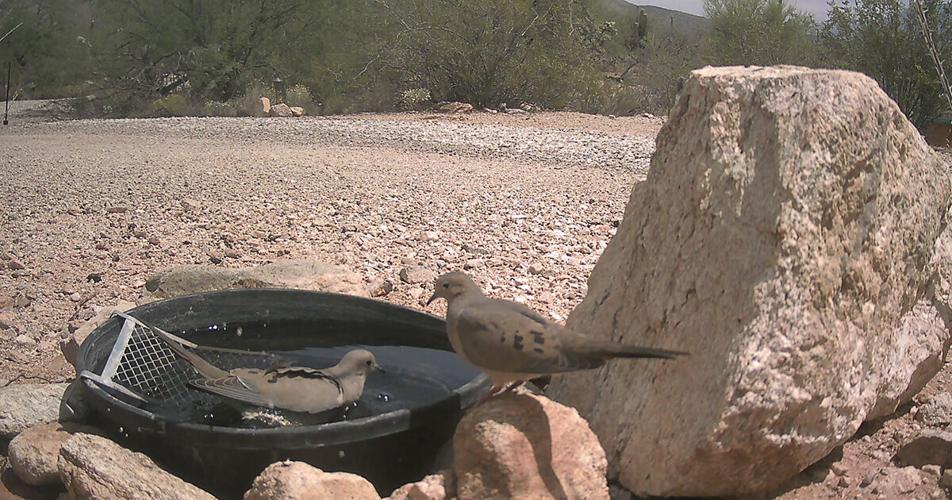
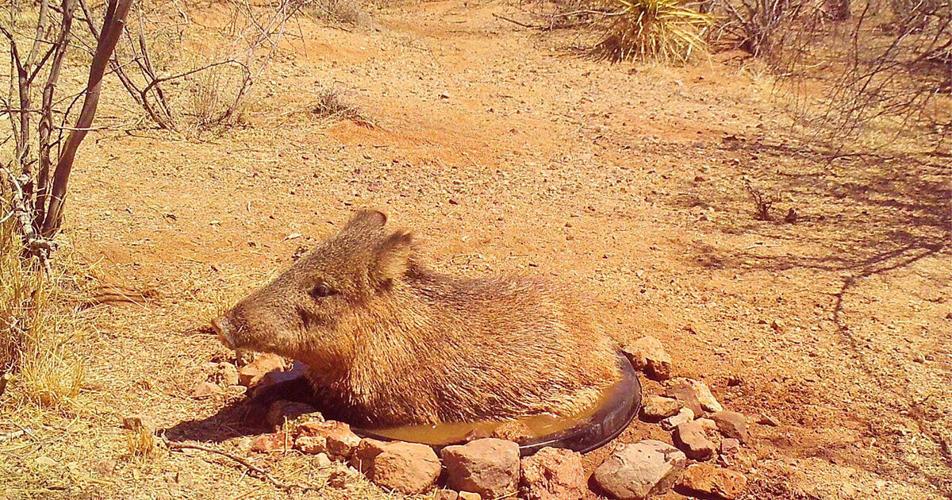
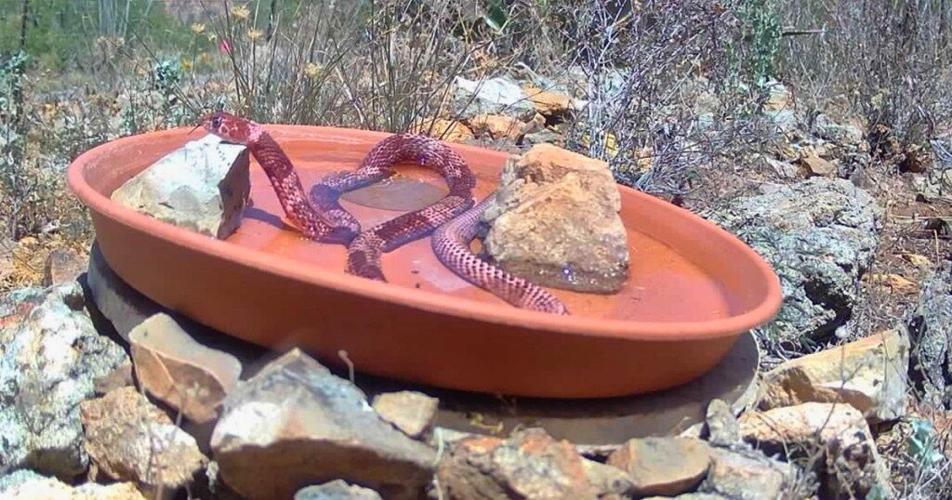
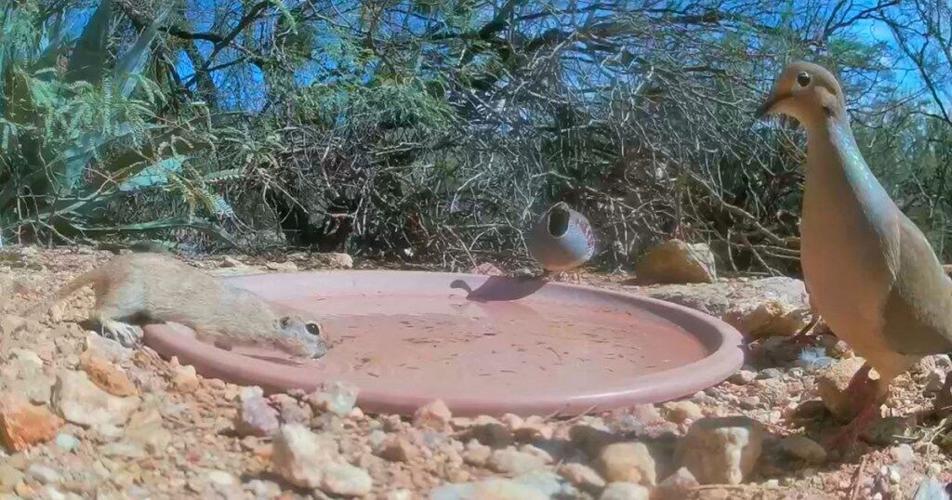
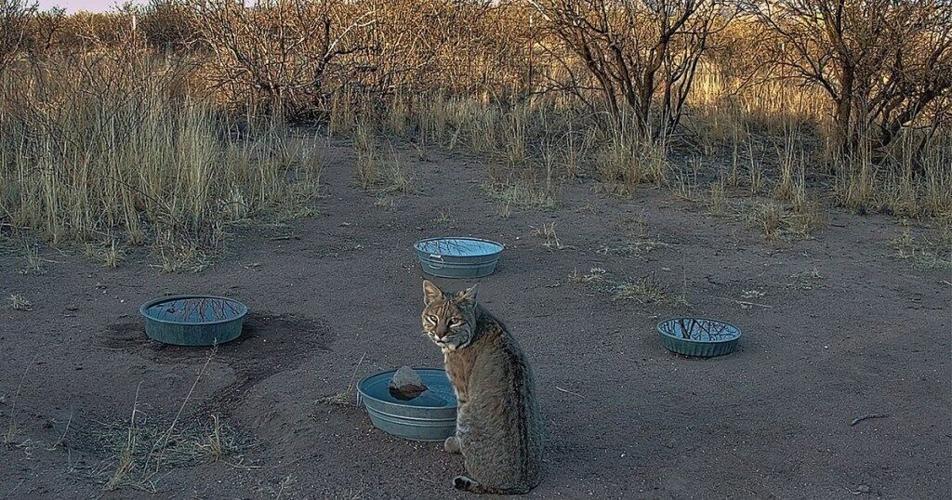
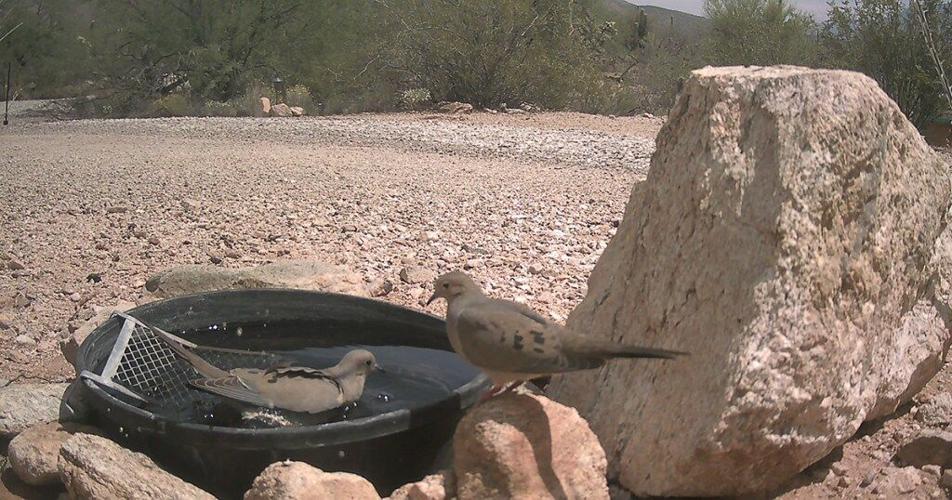
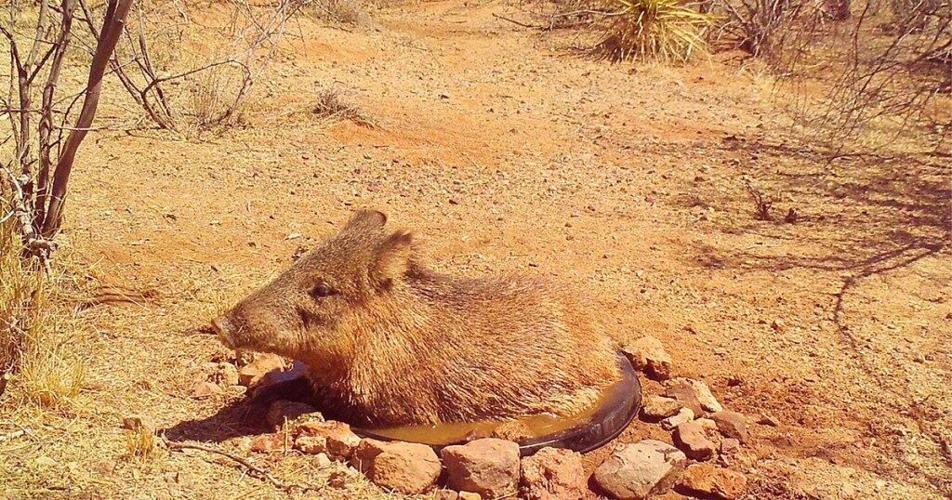
The heat of summer is upon us in the Sky Islands, and patchy monsoon rains are not yet bringing enough relief. Consider putting out a dish of water for the wildlife in your yard to help them through these hot times. Having water available on the ground substitutes for natural puddles that dry up quickly in the urban landscape.
For the dish, you need something that is shallow to prevent small animals and baby birds from drowning. Terracotta dishes that go underneath flowerpots work well, but you can also use metal pet dishes or small rubber livestock bowls.
Place your dish in an open area near to cover. It may feel counterintuitive, but putting the dish in the open allows prey animals to see any potential predators coming and allows them time to try to hide in the nearby cover. Also consider placing your bowl near a hose; this will make sure you can easily fill it.
People are also reading…
Fill your bowl with at least two inches of water, and add a rock or any type of ramp to help critters climb out if they fall in. SIA board co-chair Pam Rossetter uses a metal paint grid purchased from a hardware store to create a ramp for wildlife in her yard. The grates have hooked ends that fit on the edge of the bowl. This type of ramp has worked very well for her, and we recommend it, especially if your bowls are a bit deeper.
You will need to refill your bowl every day or two. Hot days will cause a lot of the water to evaporate, but this keeps the water clean, as well as preventing any mosquito larvae from growing. If there is algae buildup, give the bowl a good scrub with watered-down vinegar.
One thing to keep in mind: placing a water bowl out is an attractant for all wildlife including coyotes and javelinas. Be sure to place it in a location that is sensible for you and your community, and remove the bowls if they are causing conflict with pets, plants, or people. Placing water out is legal in Arizona, but we want to make sure we are all respectful neighbors.
Consider placing a wildlife camera facing your bowl to see who is visiting your water source. You can learn more about our community network of cameras and how to set up your own at Sky Island FotoFauna. All the photos in this blog are from FotoFauna contributors.
