

When I first got involved with SIA’s Spring Seeker program, during my early expeditions, my attention almost always focused on what I could see on the surface: whether the landscape was beautiful or in poor condition, how much water was there, whether there was abundant vegetation, tracks of wildlife or livestock, and the insects flying over the water. And while all of this matters for understanding a spring, I realized I was only seeing a small part of what’s really happening in these aquatic ecosystems, and over time I learned to look beyond the surface.
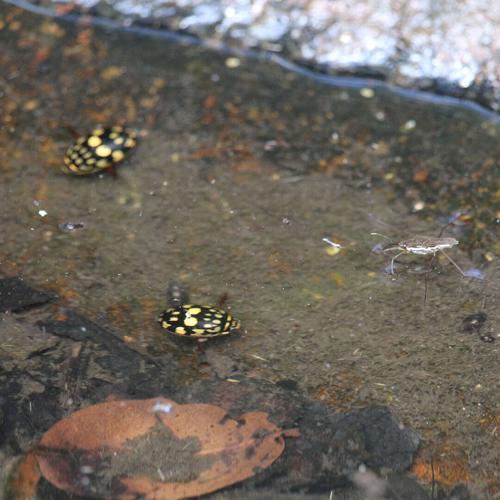
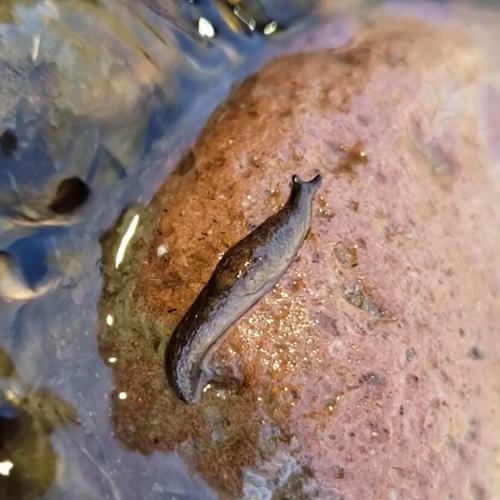
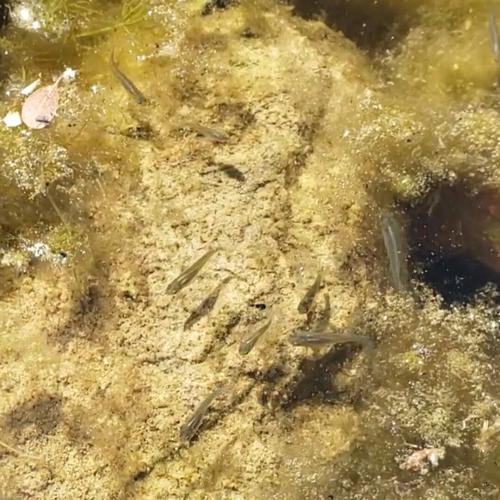
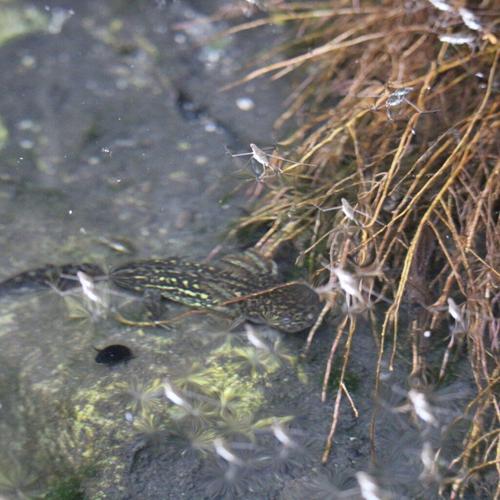
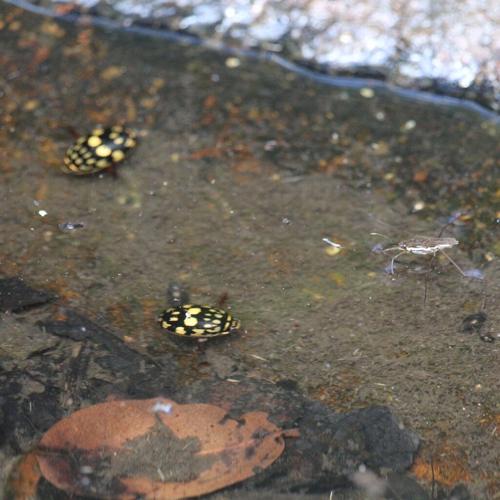
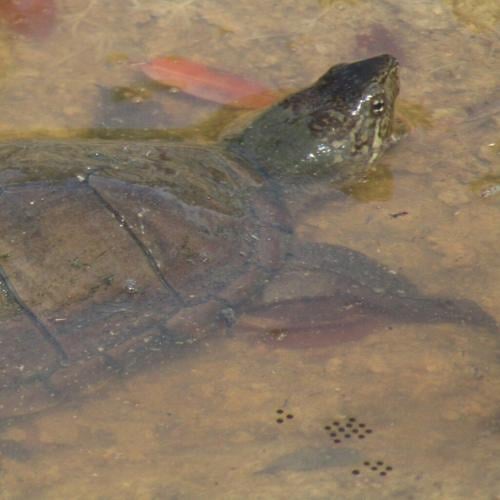
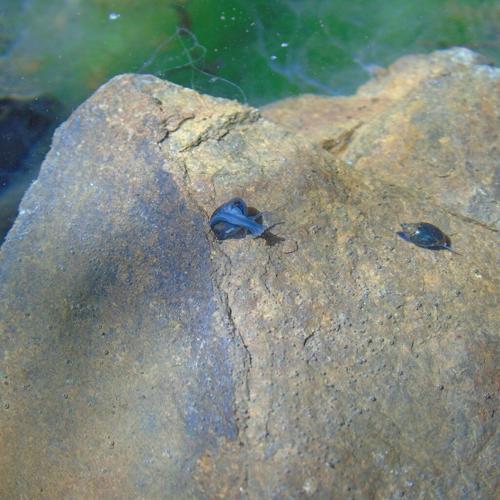
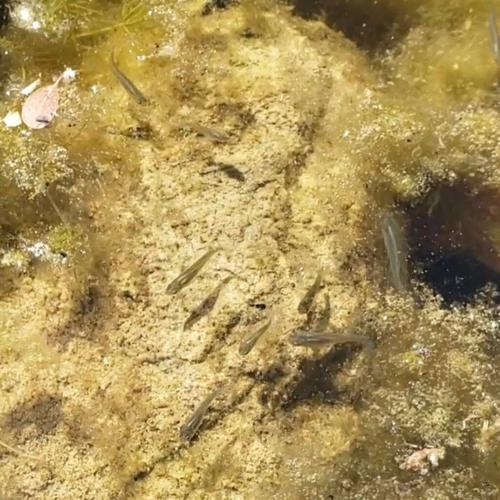
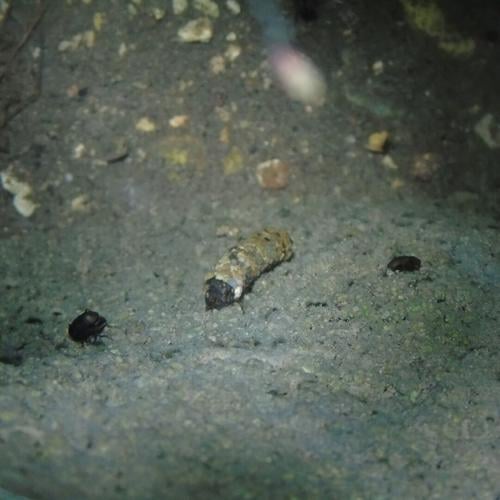
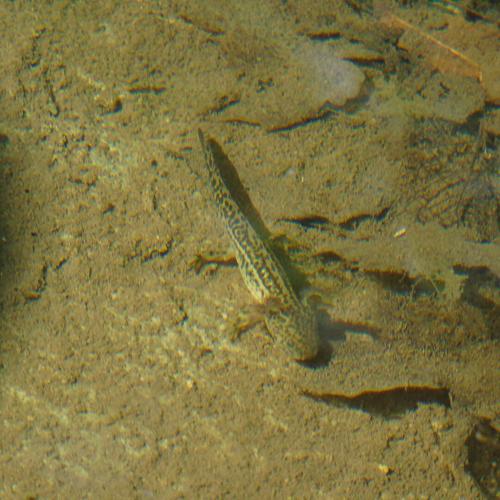
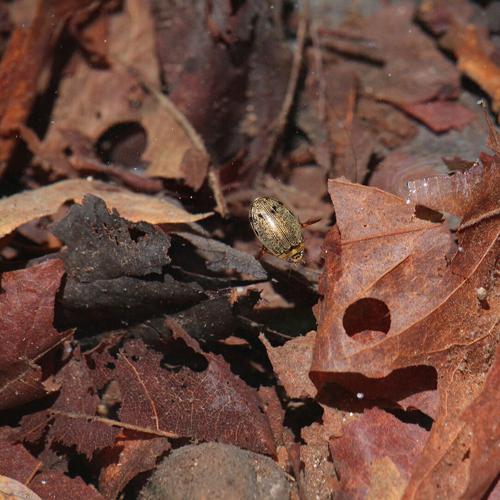
A spring can seem small, even insignificant, when we compare it to rivers or reservoirs, and some are just tiny pools of water hidden in the mountains, with the smallest trickle reaching the surface. But the more I get to know these places, the more I’m amazed to think about everything that can be happening within just a few centimeters. Beneath that surface, there can be a whole community of organisms, from microscopic to more visible ones: algae, aquatic plants, insects, mollusks, crustaceans, amphibians, and many other species that depend directly on the particular conditions of each spring. Some spend their entire lives in the water, while others only use these water sources during one stage of their life cycle.
People are also reading…
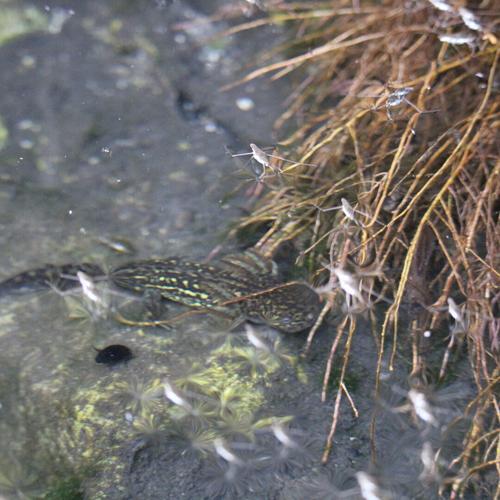
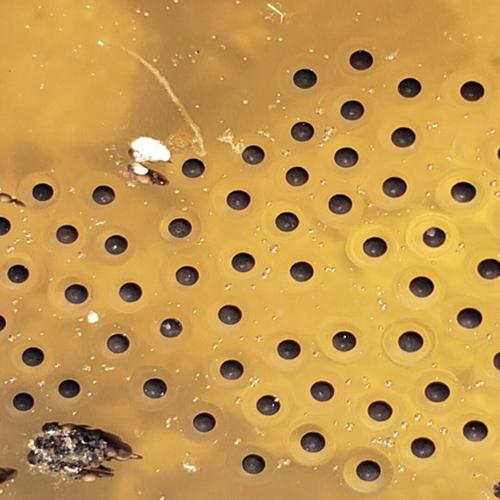
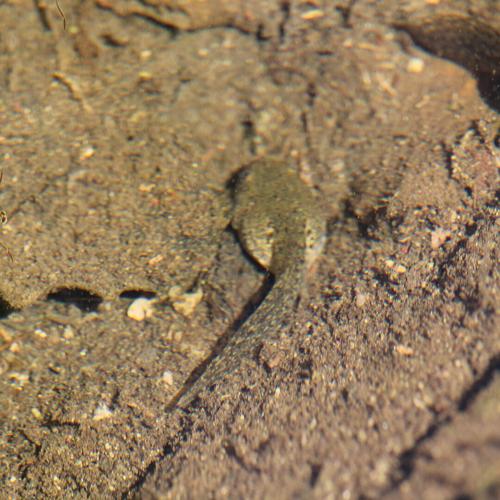
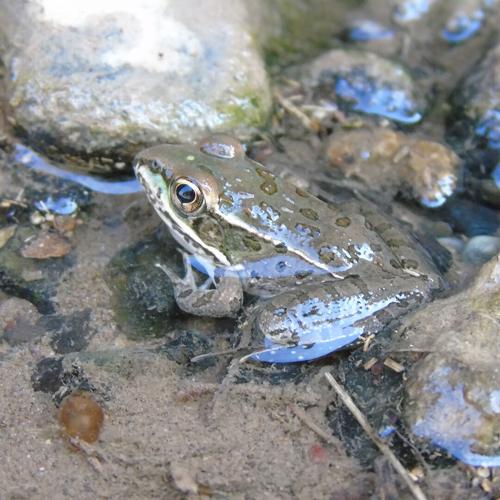
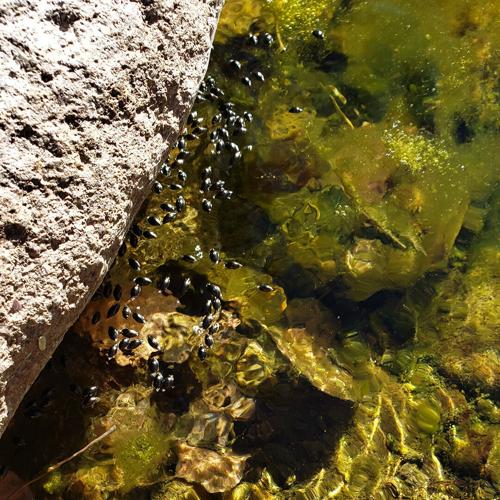
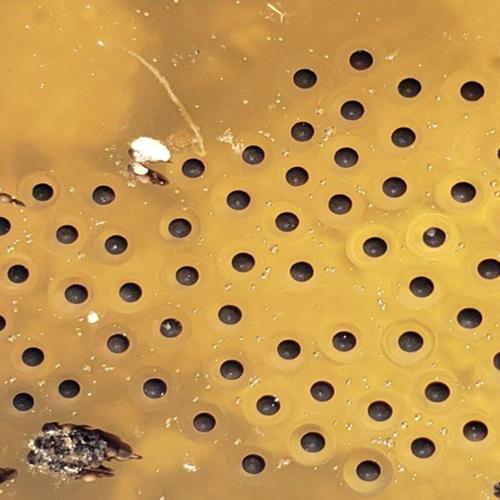
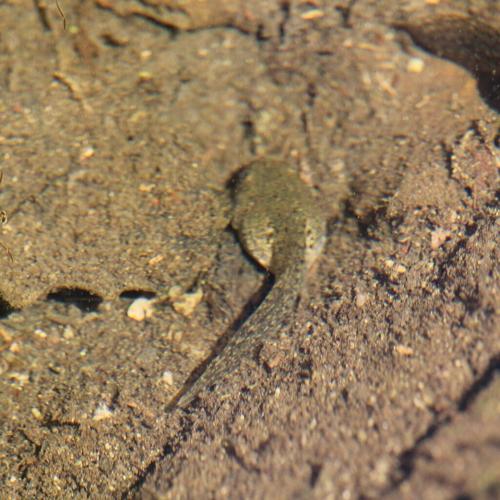
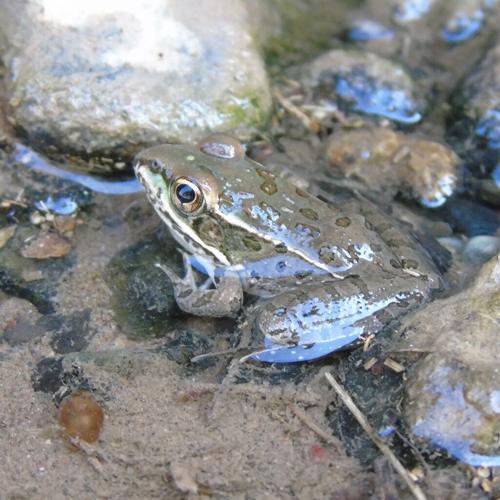
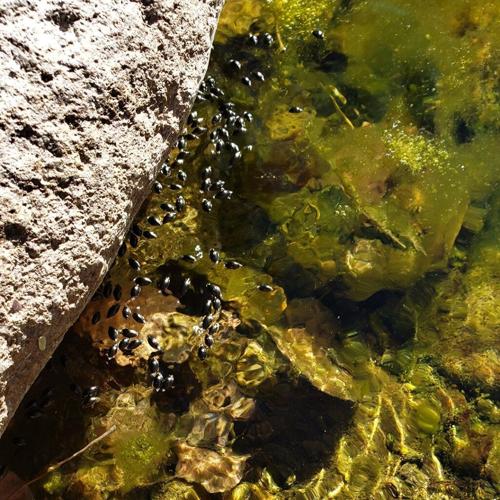
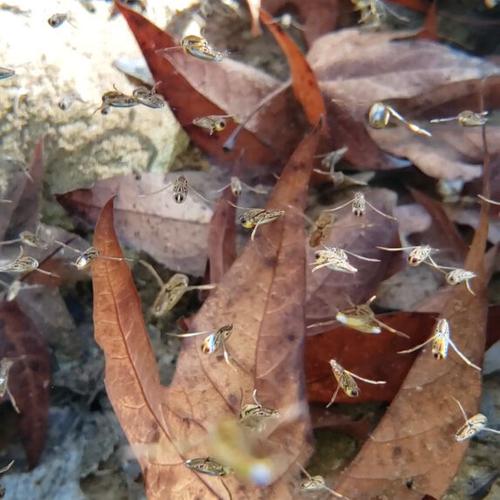
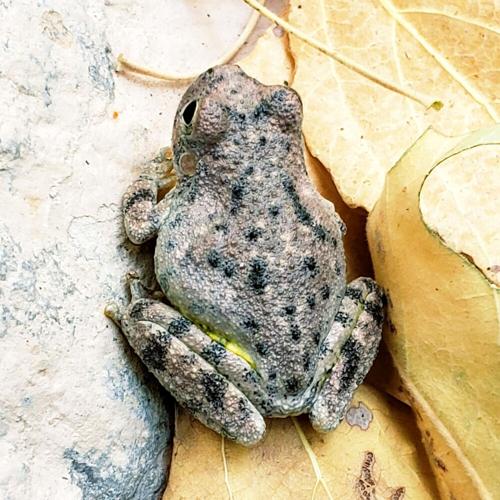
Now, when I see a frog near a spring, I can imagine that it went through its whole metamorphosis right there — that at some point it was in the water as an egg, then as a tadpole, until it became the adult I was watching outside the water.
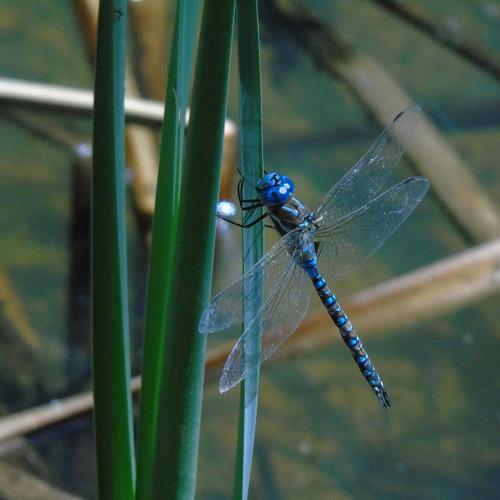
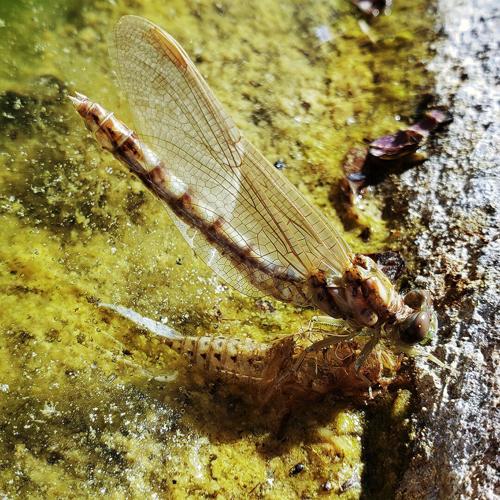
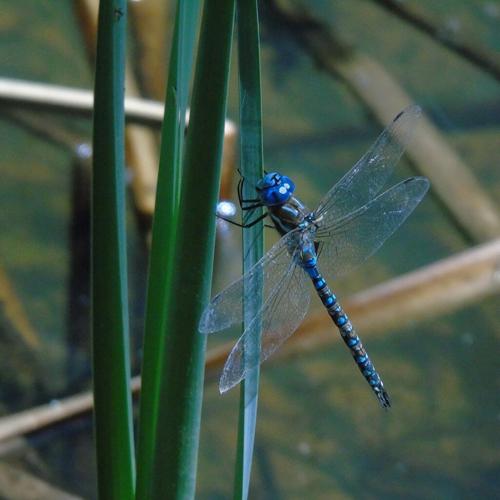
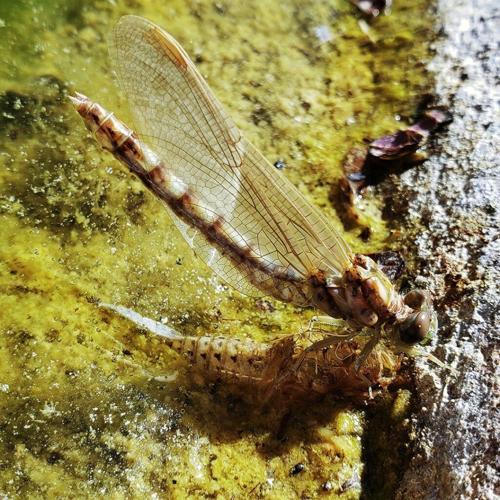
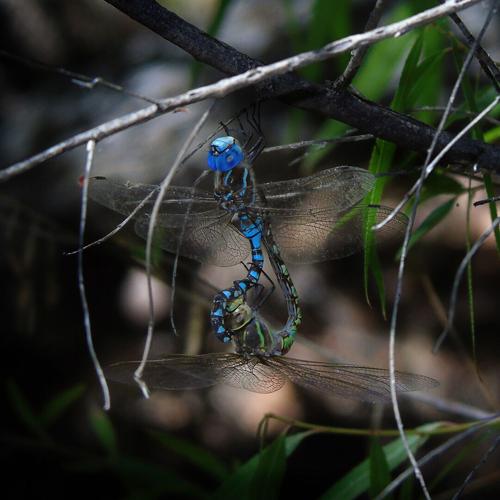
And the same thing happens with many of the insects we see flying around springs — dragonflies and damselflies, for instance, first spend an important part of their lives as larvae beneath the water surface, feeding, growing, and forming part of the aquatic community.
Knowing a little more about what’s happening biologically inside a spring, it’s now impossible for me to separate it from what happens on the outside. Everything is connected.
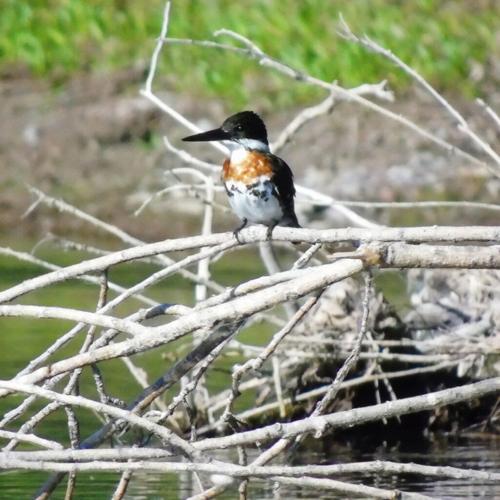
A community of tiny algae, for example, might seem insignificant, but their role is essential to the existence of life in the water — simply by producing oxygen and becoming food for consumers a notch up on the food chain. These, in turn, can be eaten by larvae or other small aquatic animals that become food for amphibians, reptiles, and other semi-aquatic species. Or they emerge from the water — like a dragonfly that can end up as food for a bird, or a frog that comes out and can become part of a snake’s diet.
So, a spring’s outward physical appearance is only a small part of everything that can exist and vary from one spring to another. Depending on their characteristics, some springs get more light, while others stay shaded and protected by vegetation. They differ in temperature, depth, and oxygen levels, to name a few factors.
This diversity has made me understand that even very small organisms can tell us a lot about the place where they live. The presence, absence, or abundance of certain species can help us understand a spring’s conditions and detect changes that might not be obvious just from looking at the surface.
Now, when I arrive at a spring, I still take note of the vegetation, wildlife tracks, the presence of livestock, and the amount of water. But I also wonder what might be happening beneath that seemingly calm surface. And that’s when a spring stops being simply a water source and becomes a living, complex ecosystem, deeply connected to everything happening around it.


