

PARIS — A black background. A skull wearing a crown like a dark monarch. Red roses and a dagger.
Then a short video on Goodreads, one of the world's largest online book communities: a hand with long, deep-red fingernails slowly turns the pages of a novel. Below it, hundreds of enthusiastic comments – and a warning: "Not for sensitive readers."
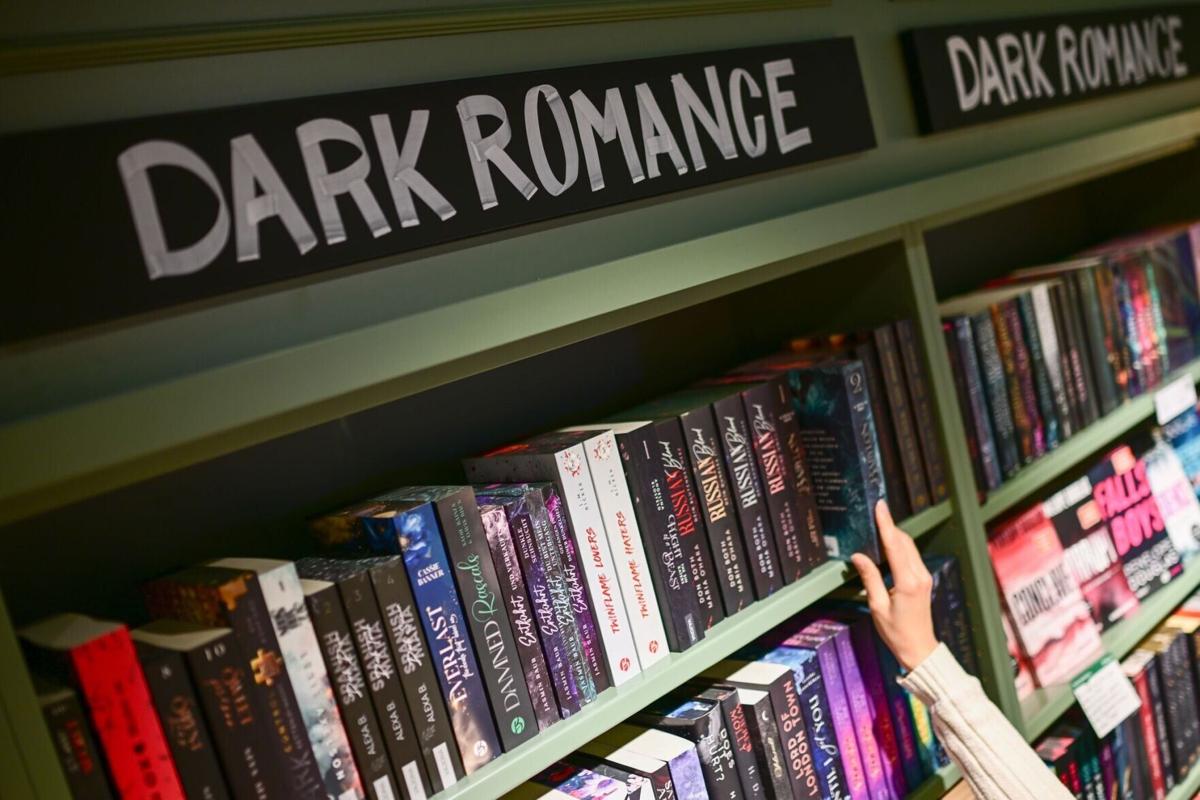
Dark Romance has long outgrown its niche. Written largely by women for a predominantly female readership, these novels have become one of the biggest trends in the booming New Adult market, fueled by social media and now firmly established on bookshop and online shelves.
Viral success, moral debates
Titles such as "Haunting Adeline" by HD Carlton have found millions of readers through platforms such as TikTok and Goodreads.
People are also reading…
At the same time, they have become the focus of heated debate. Admirers praise the books for exploring emotional extremes and fictional taboos, while critics argue that they romanticize violence, abuse of power and unhealthy relationships.
Dark Romance deliberately overturns traditional love stories. Its male protagonists are often stalkers, mafia bosses or men with violent pasts – dangerous, morally ambiguous figures who are nevertheless portrayed as charismatic, compelling or even protective.
Their relationships revolve around power, obsession, coercion and emotional conflict.
Fantasy versus reality?
Critics warn that such stories risk trivializing violence in intimate relationships, particularly when controlling behavior, possessiveness or even assault are framed as expressions of passion.
Media psychologist Nicola Döring takes a more nuanced view. In an interview with the education magazine evido, she argued that readers are not passive consumers who automatically adopt fictional behavior as a model for real life.
What matters, she said, is how readers interpret what they read. "Young people are perfectly capable of distinguishing between fictional media worlds, created for entertainment, and everyday reality. And the more media literacy they have acquired, the better they are able to do so."
A "mental break"
Literary scholar Katja Kauer offers another explanation for the genre's appeal. Speaking to German broadcaster radio3, she described Dark Romance as providing "a mental break from the gender discipline of everyday life."
The genre's exaggerated heroes – vampires, mafia bosses or other larger-than-life figures – are not realistic portrayals of men, she argues, but literary fantasies.
Precisely because they are so exaggerated, they expose ideas about power, desire and relationships that also shape real-world debates.
An old controversy in a new form
The dispute over Dark Romance is, in many ways, centuries old. As early as the 18th century, educators and clergy warned that romance novels would fill young women's heads with dangerous fantasies and unrealistic expectations of love.
Today, the debate has returned in a digital guise. Instead of epistolary novels, it revolves around BookTok, Goodreads and viral bestsellers.
The phenomenon also reflects a broader shift in the publishing industry. Publishers, booksellers and newspaper critics are no longer the only gatekeepers.
On social media, readers themselves propel books to bestseller status, discuss them in public and shape literary trends.
When expectations turn into abuse
German New Adult author Isabelle Herzog has experienced the new dynamics firsthand. Her 2024 bestseller "Pupetta," centerd on a stalker, sparked fierce backlash because, contrary to many readers' expectations, the story does not develop into a romance between perpetrator and victim.
In an interview with Die Zeit weekly newspaper, Herzog said the criticism quickly turned personal. "From August to October 2024, I couldn't switch on my mobile phone without being subjected to the most vile abuse."
The episode illustrates how closely authors and online communities have become intertwined. Readers no longer simply discuss books; they increasingly debate how stories should end and what moral boundaries they should observe.
The controversy surrounding Dark Romance is therefore about more than a literary genre. At its heart, the debate is not only about which stories are allowed to be told, but also who decides which stories are given a platform.


