

Whether you stay close to home or wander afar, there is a park for you. Here are five places where you and your family can make new discoveries.
Dive into the National Park of American Samoa
Spanning sections of three volcanic islands, the park is located approximately 2,000 miles southwest of Hawaii, making it one of the most remote in the system. It’s also the only U.S park south of the equator. With 4,000 acres underwater, visitors can expect pristine coral reefs, abundant sea life and a diverse marine environment during a South Pacific aquatic adventure. An extraordinary 950 species of fish and 250 species of colorful coral are present in the park. Look for vibrant parrotfish, angel fish, sea turtles, manta rays and sharks. Ask about humpback whale migrations when planning your trip. The scuba diving infrastructure is limited so planning is critical, but the payoffs include pristine conditions, rich marine biodiversity and fewer crowds.
People are also reading…
For more: www.nps.gov/npsa
Explore the Great Miami River Watershed, Ohio
In southwest Ohio, families can access 291 miles of paddling, fishing and wildlife-watching fun on three rivers and numerous smaller tributaries, including the Great Miami River, Stillwater River, Mad River, as well as Twin, Greenville and Buck Creeks. You’ll also find whitewater and kayak parks, world-class fishing and more than 100 natural and urban parks in the region. Maps are available to help families locate the 117 public access points, bike trail information and to plan an adventure.
For more: www.mcdwater.org/river-fun
Go below to Carlsbad Caverns National Park, Carlsbad, New Mexico
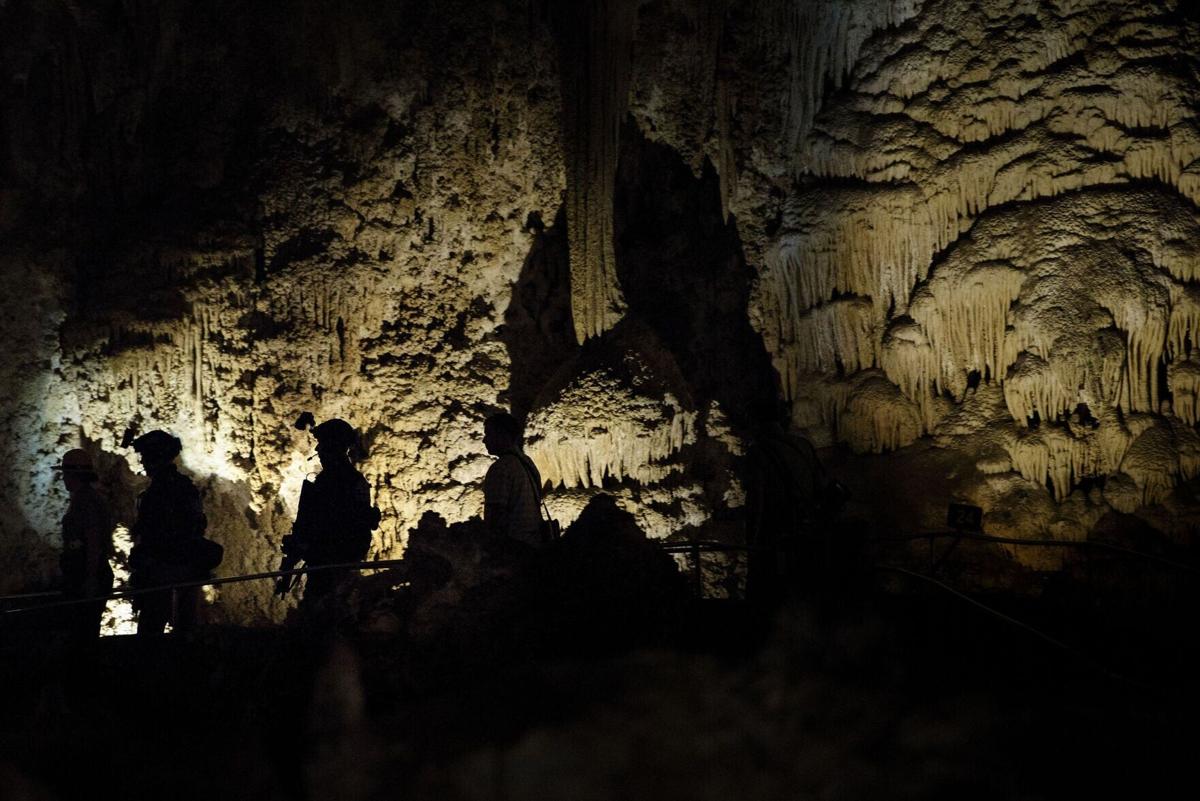
Underneath the magnificent desert landscape of southeastern New Mexico and West Texas are more than 300 known caves. Visitors to the park, two-thirds of which is a designated wilderness area, can inspect more than 100, including some of the largest caves in North America. Established as a national park in 1930 and recognized as a World Heritage Site in 1995, the park is famous for limestone caves, unique rock formations, ancient sea ledges, flowering cactus and hiking trails. The 8.2-acre Big Room is partially wheelchair accessible. The Queen's Chamber is considered the most beautiful and scenic. Self-guided and guided tours are available.
For more: www.nps.gov/cave
The Legacy Sites, Montgomery, Alabama
Sitting atop a rise overlooking Montgomery, the six-acre National Memorial for Peace and Justice was conceived with the hope of creating a meaningful site where people could gather, learn and reflect on America’s history of racial inequality. Using sculpture, art and design to contextualize racial terror, the outdoor memorial, as well as the nearby Legacy Museum, were the inspiration of Bryan Stevenson, founder and executive director of the Equal Justice Initiative. Both are designed to provide comprehensive content about the legacy of slavery through contemporary issues including the mass incarceration of African American men and the modern proliferation of mass shootings. The newest site, Montgomery Square, offers visitors the opportunity to deepen their understanding of the civil rights struggle from the start of the Montgomery Bus Boycott in 1955 to the 1965 march from Selma to Montgomery that led to the passage of the Voting Rights Act. A shuttle service runs between the Legacy sites and the 17-acre Freedom Monument Sculpture Park.
For more: https://legacysites.eji.org
5. Park yourselves close to home
Are there parks near your home that might be perfect spots for camping or a weekend of exploration? Research tells us that family camping can help stir a deep and lifelong interest in the natural world. Therefore, early positive experiences matter. For the youngest set, consider a practice round in the backyard before heading to the park. That way, if the weather or unforeseen forces create a kink in your plans, warm and dry shelter is nearby.
_____
_____


