

Makes 6
* 3/4 pound (12 ounces) bittersweet chocolate, coarsely chopped
* 1 1/2 cups cream
* 1 cup milk
* 6 egg yolks
* 1 tablespoon strong espresso
* 6 (6-ounce) ramekins or custard cups
Melt chocolate in a double-boiler or bowl placed over a pot of simmering water. Be careful that water does not touch the bottom of the bowl.
In a small saucepan, bring cream and milk to boil. Whisk boiling milk/cream mixture into chocolate and whisk until very smooth. Whisk yolks slightly, then add to chocolate/cream mixture, whisking until smooth. Bring to 160 degrees for 3 to 4 minutes.
Remove bowl from heat and add espresso. Pour into cups and refrigerate several hours until set. Serve garnished with unsweetened whipped cream and chocolate shavings.
People are also reading…
* From Marianne Banes, Kingfisher Bar & Grill
Makes 1 (10-inch) cake
* 18 ounces bittersweet chocolate, coarsely chopped
* 12 ounces unsalted butter, cut into 10 pieces, softened
* 2 cups sugar
* 3/4 cup brandy
* 7 whole eggs
* 1 egg yolk
* 2 tablespoons cornstarch
Preheat oven to 350 degrees. Butter and paper pan. Place chocolate and butter in bowl over double boiler. Mix 1 1/2 cups sugar with brandy in a small saucepan and cook over medium heat, stirring occasionally until sugar dissolves and mixture comes to a full boil. Immediately pour over chocolate and stir with a rubber spatula until the chocolate is melted and the mixture is smooth.
Place eggs and remaining sugar in a medium bowl and whisk until the eggs thicken slightly. Add eggs to chocolate mixture with a whisk until well-blended. Gently whisk in cornstarch. Place cake pan in a roasting pan and make a hot water bath by pouring hot water 1 inch up sides of cake pan.
Bake for exactly 30 minutes until top has thin, dry crust and cake has set, so that center is no longer jiggly. Remove pan from the oven. Remove cake from water bath and chill for several hours or overnight.
Heat the bottom of the pan slightly, then invert to remove cake. Dust with cocoa and serve cold or at room temperature with whipped cream and raspberry or chocolate sauce.
* From Marianne Banes, Kingfisher Bar & Grill
* Chocolate - as it arrives in bars or bricks - is a blend of ground cacao beans grown in the tropical climates of Africa, Latin America and the Far East.
While the exact recipes and methods each chocolate master uses are closely-guarded secrets (that's part of the mystique and what makes each chocolate unique), the general processes and lists of ingredients are identical for each strength of chocolate. Here are some of the terms you are likely to run into:
* Chocolate liquor: This is the paste formed by the beans after they have been processed and ground. It has no alcohol content and is no relation to chocolate liqueur, a sweet alcoholic beverage.
* Unsweetened chocolate: If the ground paste is allowed to harden - sometimes after some fat has been drained away - it becomes unsweetened chocolate, which you can buy in bars.
* Cocoa butter: The fat that is drained off chocolate liquor is filtered to become cocoa butter. If processors continue to squeeze the beans, they can remove more of the cocoa butter from the liquor. Processors add extra cocoa butter back into chocolate to give it gloss and snap. Plus, cocoa butter is unique among vegetable fats in that it melts at body temperature.
* Cocoa: After enough cocoa butter has been separated from the chocolate liquor, what remains is pure cocoa, which can be powdered and turned into cocoa beverages and desserts. Although cocoa is lower in fat than chocolate, it is by no means fat-free - most cocoas have between 10 percent and 20 percent fat. British cocoa has more fat than American.
* Other ingredients - the good kind: Good-quality chocolate has just five ingredients: chocolate liquor (sometimes labeled chocolate or cocoa solids), cocoa butter, sugar of some sort, lecithin (an emulsifier) and vanilla. Milk chocolate also contains some dairy.
* Other ingredients - the not-good kind: True chocolate is expensive and fragile, and many manufacturers cut corners, or increase its durability by adding other ingredients. Beware of vegetable oil, milk and milk products in dark chocolates and vanillin, which is artificial vanilla.
* Conch or conching: As the other ingredients are added to the chocolate liquor, machines rock the blend in a process called conching. Conching can take 4 to 72 hours, depending on the chocolate. It is the equivalent of kneading bread dough, producing a silky-smooth end product.
* Couverture: Chocolates meant for the professional kitchen are sometimes called "couverture," a French term meaning "covering." Couverture is certainly edible - sometimes delicious - when eaten as plain chocolate, but the full flavor of some relatively low-fat couvertures only blooms when it is added to a recipe. Some authorities also say "couverture" to distinguish chocolate - the ingredient - from chocolate candy.
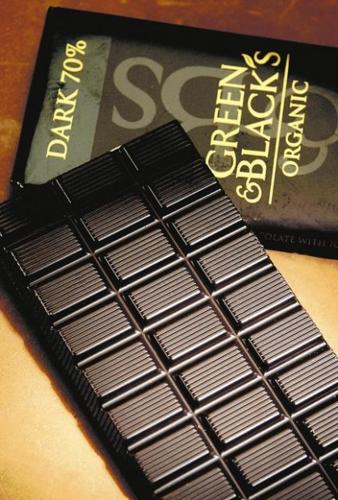
* Bittersweet or extra-bitter chocolate: It must contain at least 60 percent chocolate liquor, but, with bitterness today's chocolate gold standard, many manufacturers are making bitters that are 70 percent chocolate liquor. A few brave souls have pushed the bar to 72 percent and at least one to 82 percent.
* Ganache: This is the classic rich chocolate filling commonly found in expensive patisserie cakes and truffle-type candies. It's made by mixing hot whipping cream with chopped chocolate.
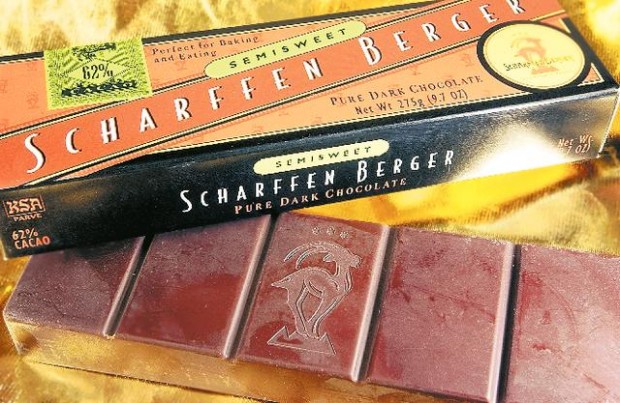
* Semisweet or sweet chocolate: To be labeled semisweet, a chocolate must contain at least 35 percent chocolate liquor. Most chocolate chips are semi-sweet. Sweet chocolate is a variation on semisweet that may or may not be sweeter.
* Milk chocolate: This is still the favorite eating chocolate, but is little used in cooking, except for decorations. It averages 36 percent chocolate liquor and 15 percent to 20 percent milk solids.
* White "chocolate": OK, there is no such thing as truly white chocolate because what is commonly called "white chocolate" has no chocolate liquor in it. There are variations in quality. The best white chocolate is made with cocoa butter, sugar and milk solids; budget versions are mostly flavored vegetable fats.
* Tempering: This is a process for melting, partially cooling, then remelting chocolate you intend to use in dipped or molded candies, in order to guarantee a silky-smooth exterior.
Standard instructions tell you to store your chocolate at room temperature, which is 65 degrees to 70 degrees. In Arizona, a different strategy is called for since chocolate begins to deteriorate if regularly exposed to temperatures much above 80 degrees.
Marianne Banes, pastry chef at Kingfisher Bar & Grill, stores hers in the freezer, and it tastes just fine.
Chocolate can easily pick up other flavors if you give in to temptation and store it in the spice cupboard or near some chopped garlic in the refrigerator. Wrap your chocolate securely, and keep it away from strong odors.
Simple recipes are the best. If you are using a premium chocolate, you want to make something that showcases the taste of your delicacy. Overly complicated desserts with lots of competing flavors are liable to obscure the chocolate.
Despite the allure of bittersweet chocolate, Banes counsels caution when substituting one chocolate for another. By changing chocolate - from semisweet to bittersweet, let alone unsweetened - you are also changing the sugar and fat content of your finished dish. At the least, that means your dessert will taste different - maybe better, maybe not. At worst, the switch can ruin the taste and texture of a dessert.
If your chocolate begins to develop a white bloom or grainy texture, it is deteriorating, probably from the heat. It is still edible, but you might want to use it in one of those complicated dessert recipes because the flavor will not be as good as that of fresh chocolate.