Jessica Layman estimates she has called more than 150 doctors in the past few years in her search for someone to prescribe opioids for her chronic pain.
“A lot of them are straight-up insulting,” said the 40-year-old, who lives in Dallas. “They say things like ‘We don’t treat drug addicts.’”
Layman has tried a host of non-opioid treatments to help with the intense daily pain caused by double scoliosis, a collapsed spinal disc and facet joint arthritis. But she said nothing worked as well as methadone, an opioid she has taken since 2013.
The latest phone calls came late last year, after her previous doctor shuttered his pain medicine practice, she said. She hopes her current doctor won’t do the same. “If something should happen to him, there’s nowhere for me to go,” she said.
Layman is one of the millions in the U.S. living with chronic pain. Many have struggled to get opioid prescriptions written and filled since 2016 guidelines from the Centers for Disease Control and Prevention inspired laws cracking down on doctor and pharmacy practices. The CDC recently updated those recommendations to try to ease their impact, but doctors, patients, researchers and advocates say the damage is done.
People are also reading…
“We had a massive opioid problem that needed to be rectified,” said Antonio Ciaccia, president of 3 Axis Advisors, a consulting firm that analyzes prescription drug pricing. “But the federal crackdowns and guidelines have created collateral damage: patients left high and dry.”
Born of an effort to fight the nation’s overdose crisis, the guidance led to legal restrictions on doctors’ ability to prescribe painkillers. The recommendations left many patients grappling with the mental and physical health consequences of rapid dose tapering or abruptly stopping medication they’d been taking for years, which carries risks of withdrawal, depression, anxiety, and even suicide.

In November, the agency released new guidelines, encouraging physicians to focus on the individual needs of patients. While the guidelines still say opioids should not be the go-to option for pain, they ease recommendations about dose limits, which were widely viewed as hard rules in the CDC’s 2016 guidance. The new standards also warn doctors about risks associated with rapid dose changes after long-term use.
But some doctors worry the new recommendations will take a long time to make a meaningful change — and may be too little, too late for some patients. The reasons include a lack of coordination from other federal agencies, fear of legal consequences among providers, state policymakers hesitant to tweak laws and widespread stigma surrounding opioid medication.
The 2016 guidelines for prescribing opioids to people with chronic pain filled a vacuum for state officials searching for solutions to the overdose crisis, said Dr. Pooja Lagisetty, an assistant professor of medicine at the University of Michigan Medical School.
The dozens of laws that states passed limiting how providers prescribe or dispense those medications, she said, had an effect: a decline in opioid prescriptions even as overdoses continued to climb.
The first CDC guidelines “put everybody on notice,’’ said Dr. Bobby Mukkamala, chair of the American Medical Association’s Substance Use and Pain Care Task Force. Physicians reduced the number of opioid pills they prescribe after surgeries, he said. The 2022 revisions are “a dramatic change,” he said.
The human toll of the opioid crisis is hard to overstate. Opioid overdose deaths have risen steadily in the U.S. in the past two decades, with a spike early in the COVID-19 pandemic. The CDC says illicit fentanyl has fueled a recent surge in overdose deaths.

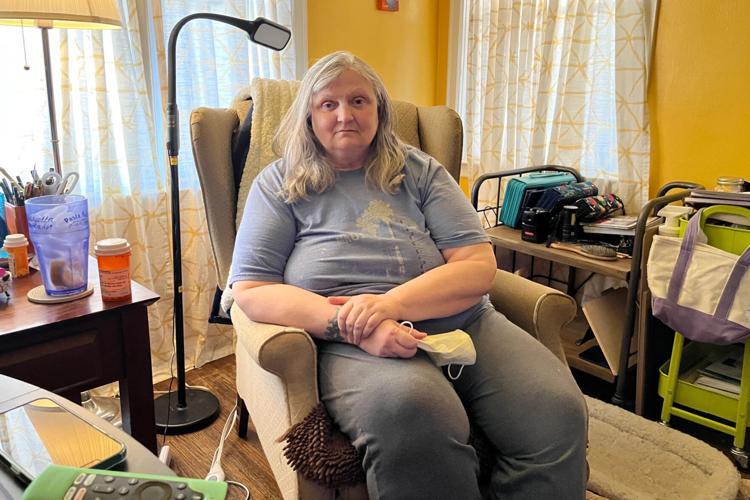
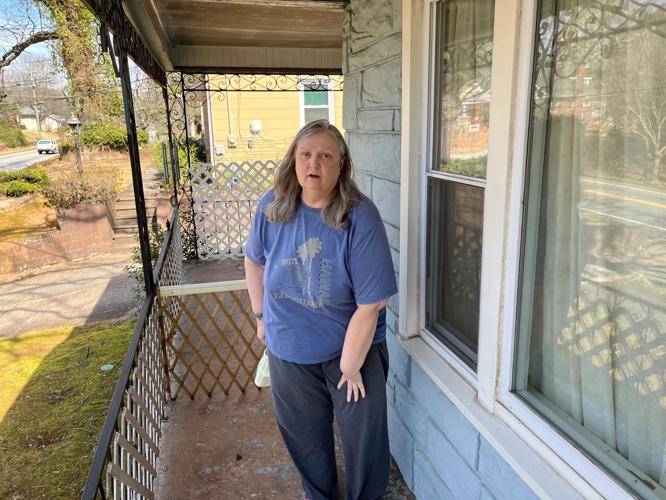
People like Rheba Smith, of Atlanta, say they have struggled to get opioid prescriptions written and filled the past few years. Smith has suffered from chronic pain since a nerve was cut during surgery. Guidelines from the Centers for Disease Control and Prevention in 2016 inspired laws cracking down on opioid prescribing practices.
Taking into account the perspective of chronic pain patients, the latest recommendations try to scale back some of the harms to people who had benefited from opioids but were cut off, said Dr. Jeanmarie Perrone, director of the Penn Medicine Center for Addiction Medicine and Policy.
“I hope we just continue to spread caution without spreading too much fear about never using opioids,” said Perrone, who helped craft the CDC’s latest recommendations.
Christopher Jones, director of the CDC’s National Center for Injury Prevention and Control, said the updated recommendations are not a regulatory mandate but only a tool to help doctors “make informed, person-centered decisions related to pain care.”
Multiple studies question whether opioids are the most effective way to treat chronic pain in the long term. But drug tapering is associated with deaths from overdose and suicide, with risk increasing the longer a person had been taking opioids, according to research by Dr. Stefan Kertesz, a professor of medicine at the University of Alabama at Birmingham.
He said the new CDC guidance reflects “an extraordinary amount of input” from chronic pain patients and their doctors but doubts it will have much of an impact if the FDA and the Drug Enforcement Administration don’t change how they enforce federal laws.
The FDA approves new drugs and their reformulations, but the guidance it provides for how to start or wean patients could urge clinicians to do so with caution, Kertesz said. The DEA, which investigates physicians suspected of illegally prescribing opioids, declined to comment.

Rheba Smith has experienced pain in her left leg since a nerve was cut during surgery years ago. But in December her pharmacy stopped filling her prescriptions for painkillers.
Rheba Smith, 61, of Atlanta, said that in December her pharmacy stopped filling her prescriptions for Percocet and MS Contin. She had taken those opioid medications for years to manage chronic pain after her iliac nerve was mistakenly cut during surgery, she said.
Smith said she visited nearly two dozen pharmacies in early January but could not find one that would fill her prescriptions. She finally found a local mail-order pharmacy that filled a one-month supply of Percocet. But now that drug and MS Contin are not available, the pharmacy told her.
“It has been a horrible three months. I have been in terrible pain,” Smith said.