

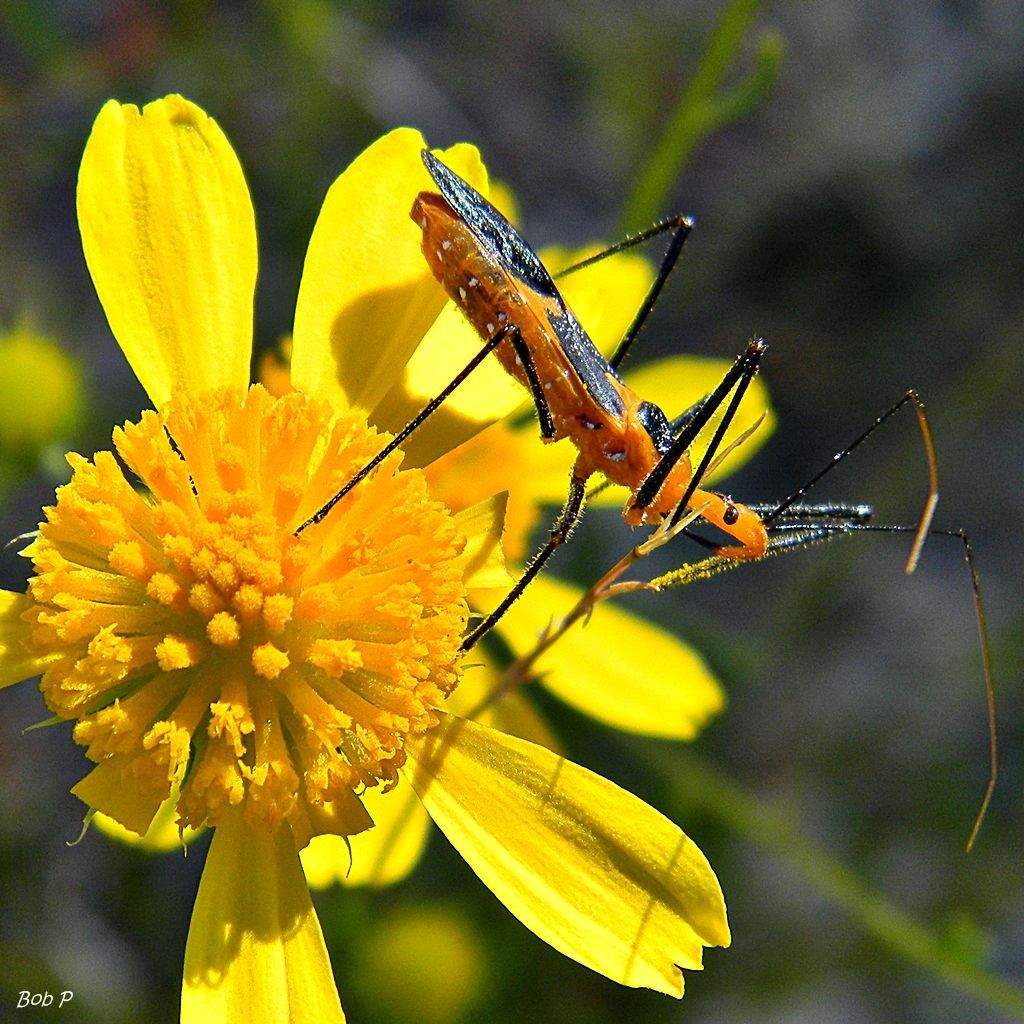
Q: I was stung, in my house, by a very small insect today, and it hurt like hell. I would like to identify this insect and find out if it is toxic, and if I need to worry about finding more in the house. I’ve never seen this insect before today, inside or outside, and I have been in this house for 12 years now. Here is a photo of an extreme close-up of this critter, which is missing two right legs due to my smashing during the stinging process. This insect is less than a quarter-inch tall.
A: This insect is a member of the family commonly called “assassin” bugs. It is hard to identify the exact species without an intact specimen to see in person although I completely understand why you smashed it.
There are a few insects in this order that bite humans, the most notorious one being the kissing bug. For the most part this family is made up of beneficial insects and they are good to have in our gardens and landscapes because they eat pest insects.
People are also reading…
Most of the assassin bugs can give you a nasty bite but most aren’t interested in feeding on you and are acting defensively when they bite. The kissing bug is the exception around these parts. Kissing bugs also nest with pack rats so if you are close to a pack rat nest that could be a factor if you see them often. If not, then it was probably an isolated incident.
Q: What is happening to my photinia? They are about 2½ years old and the leaves are curling and turning brown. I have not seen any insects on the shrub.
Photinia are susceptible to a few things that could cause this problem. The most common is insufficient irrigation. Since we live in an area with salty soils, it is possible for salt to build up in the root zone and the symptoms you described can be the result. It is best to water these shrubs to a depth of 24 inches every 14 to 21 days to provide adequate irrigation and wash the salt out of the root zone.
Other things that can happen are nutrient problems such as iron chlorosis or boron toxicity. These often begin with interveinal chlorosis or yellowing of leaves or leaf tips where the green leaf veins can be seen prominently against the yellow background. These leaves can later turn brown around the leaf edges and resemble salt damage. Boron is naturally present in some soils and is often managed the same way as salt, by infrequent deep watering to wash it through the root zone. Some plants have a low tolerance to boron and photinia is one of them.
On the other hand, iron chlorosis is caused by a lack of iron and can be remedied by applying chelated iron in the spring as a foliar spray. It is difficult to diagnose nutrient deficiencies by symptoms alone and there are ways to test the soil, water, and tissue samples from the plant if you can’t puzzle it out or want a definitive diagnosis. The easiest thing to start with is proper irrigation. If that doesn’t fix the problem and you see the yellowing leaves with green veins, then it is time to try applying chelated iron or have your plant tested.
Q: I got a half cord of mesquite firewood last fall. Now I am seeing a lot of holes and sawdust around the woodpile. The wood is outside away from the house, but I am wondering if these insects will attack live trees in my yard.
A: Borers that you find in firewood are usually attracted to dead and dying trees. They are the decomposers and insects are very important in nature to help break down these trees along with help from fungi and bacteria. It is unlikely they will attack live trees in your yard although I wouldn’t recommend stacking the wood next your trees if you can avoid it. One of the potential and likely causes of the recent bark beetle infestations of Aleppo pines in our area is the transportation of infested firewood from the ponderosa pine forests in the mountains to our low desert environment where the Aleppo pines grow.
Peter L. Warren is the urban horticulture agent for the Pima County Cooperative Extension and the University of Arizona. Questions may be emailed to plwarren@cals.arizona.edu