

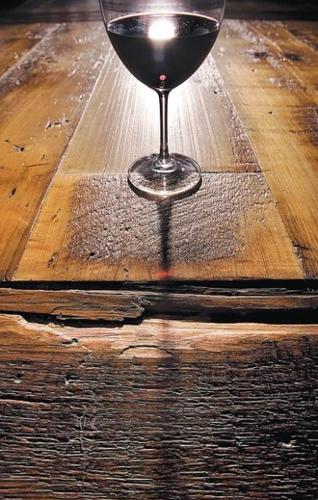
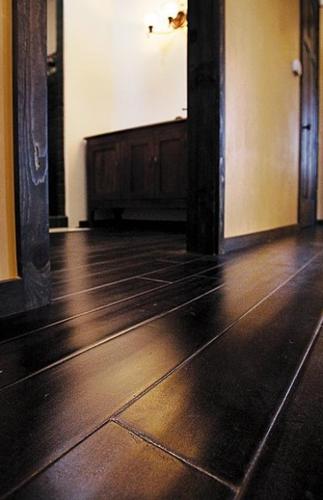
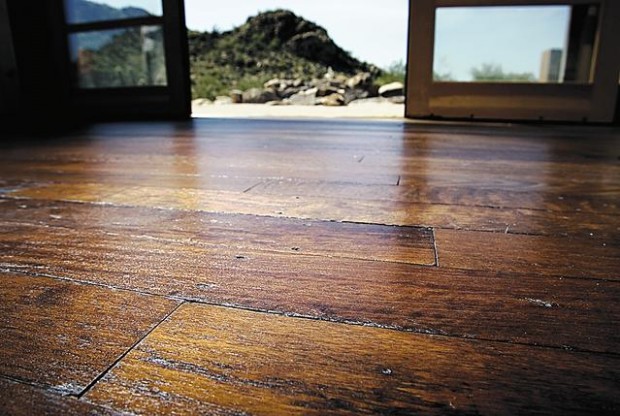
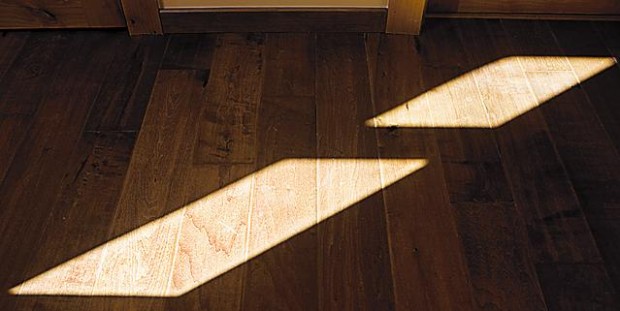
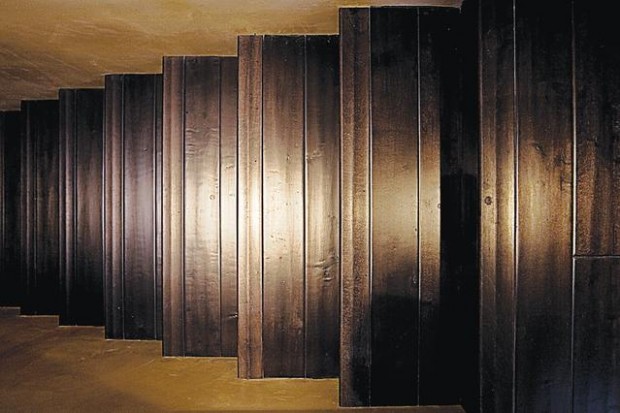
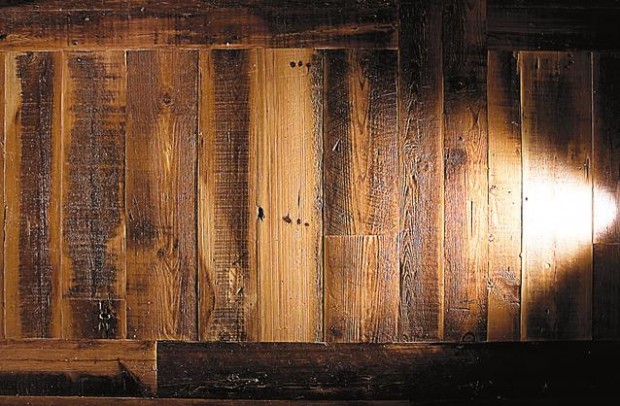
When Stephen Phinny, developer of the ultra-high-end Saguaro Ranch, went looking for floors for his own home in the far Northwest Side enclave, he chose "Sheepwood" — white gum tree boards rescued from 90-year-old wool barns in Western Australia.
Wood flooring already is proving to be a popular choice in the more modestly priced houses that Rammed Earth Development Inc. is building in the Mercado District of Menlo Park. Those dwellings, priced from the high $300,000s, are the first new homes in the Rio Nuevo Downtown Tucson redevelopment plan. "People want wood floors, whenever they can afford them," Rammed Earth President Tom Wuelpern said.
From modest older homes in central Tucson to the booming Northwest Side luxury corridor, hardwood floors are back in fashion. Tucsonans are pulling up carpet to rescue underlying wood floors and are installing hardwood floors in new and remodeled homes.
People are also reading…
"I find that I have more people asking for them than ever before in my practice as a designer, and I've been here for nine years," said Juliann Berens, owner of JB Interior Design Inc. "I think it actually started with the bamboo craze, and then people started looking back to wood.
"Wood gives you a lot of bang for your buck with regard to your design," Berens said. "As soon as you put down that wide plank, you've gone a long way in laying the foundation for that hacienda look you are after."
Wait a minute.
Isn't wood supposed to be a big no-no in Tucson? Won't you get cracking and splitting, and happy termites munching and crunching?
Besides, doesn't wood cost a fortune? Not necessarily.
The truth is, Tucson already boasts a large number of wood floors, some as much as a century old. Owen Conniff, who with his wife, Cynndra, owns Catalina Hardwoods, estimates that half of the company's business consists of re-sanding and refinishing usually oak floors in central Tucson neighborhoods. "I probably get 15 calls a week for re-sanding of those floors, and we do approximately two a week," he said.
Hardwood-floor installers offer two solutions to the problems of wood shrinking and expanding — apart from noting that the Tucson climate is extremely stable except during the monsoon.
At Catalina, where the business is focused on traditional plank flooring, the answer is proper acclimation of a floor before you install it. Catalina normally stores wood flooring at a job site for seven to 10 days before beginning to nail. "Get it acclimated, and then you have minimum gaps," Conniff said.
At Aztec Flooring, which is supplying the wood floors in the Mercado District homes, engineered wood flooring is the solution. Engineered flooring consists of a layer of real wood glued to plywood.
Engineered floors are a particularly good idea if you're going for a wide-plank, rustic look. The wider the plank, the more likely the floor will bend or bow. Aztec Vice President Matt Caldwell says he's installing engineered flooring in his new home.
Termites can be avoided by proper installation.
While wood is costly, beginning at $9 a square foot and rapidly ascending to the sky's-the-limit range, it is at least a long-term investment. A traditional plank floor should not need re-sanding and refinishing for 15 to 20 years.
» Reasons to buy a hardwood floor
• Durability — a plank floor can easily last 100 years or more.
• Easy care — a floor with a modern finish just needs a gentle damp mop.
• Joint protection — wood floors are kind to knees, backs and other body parts.
• Beauty.
• Environmental consciousness.
• You can customize finishes and design inlays, and otherwise make exactly what you want.
A hardwood floor may not be right for you if:
• Every nick and scratch will really bother you.
• You don't plan to stay in this home.
• Your house is prone to monsoon flooding.
• Kids are at that destructive stage.
• You can't stand baseboards — hardwood floors have a gap at the wall to allow for the wood's natural expansion.
Planks versus engineered floors:
• Plank floor: A traditional floor is made of boards that are three-quarters of an inch thick. These floors can be repaired, sanded and refinished several times. They usually are installed, then sanded and finished in position.
Plank floors are called for when you: want the real thing; want to be able to refinish at will; desire a floor that will last indefinitely.
Disadvantages: They require a skilled installer; create a relatively thick floor and, hence, a drop-off between rooms with hardwood floors and those with other finishes; and tend to bend or bow if you get planks wider than 5 inches. Also, installation is time- consuming.
• Engineered floor: a layer of wood veneer glued to plywood. These floors may be refinishable, depending on thickness of the veneer. Prefinished engineered floors usually are good for the do-it-yourselfer and install quickly. They are much thinner than a traditional floor, and wide floors are less inclined to bend.
Disadvantages: The ability to refinish depends on the thickness of the veneer, which varies from brand to brand. And because manufacturers discontinue finishes, you'll need to buy extra flooring to replace damaged sections a few years from now — or risk having to buy a whole new floor.