
OAXACA, Mexico — The carpet weavers, woodcarvers and craftspeople who have made Oaxaca famous with tourists worldwide said Wednesday that they fear for their livelihoods after several foreign embassies warned their citizens against visiting the protest-scarred colonial city.
A dramatic slowdown in tourism — the city's lifeblood — threatened to worsen economic problems from the five-month-old takeover of the city by leftist protesters, even though the confrontations have been limited mostly to the center.
While the conflict has quieted somewhat three days after federal police retook the center, the dispute seemed far from resolved on Wednesday, as police wielding riot shields remained posted in Oaxaca City's arch-ringed main square, the Zocalo, while protesters maintained barricades in other parts of the city.
"The towns where we artisans work are at peace, there are no problems here. The problems are in the capital," said Pepe Santiago, who carves colorfully painted figures known as "alebrijes" in Arrazola, eight miles southwest of Oaxaca.
People are also reading…
"This is going to take a while to recover, until tourists regain their confidence," he said.
In Teotitlan del Valle, 15 miles southeast of Oaxaca, Luis Lazo Mendoza said his family normally sells three or four hand-woven carpets a week. But since the crisis started in late May, the inventory has piled up and money for food and daily expenses is running out.
"We haven't sold a single thing in about five months," Mendoza said. "We don't have a Web page to sell over the Internet. Besides, people like to feel the texture and quality of the carpet."
Demonstrators who swarmed into the capital city of 275,000 are demanding the resignation of Gov. Ulises Ruiz, whom they accuse of oppressing dissent and rigging the 2004 elections.
Demonstrators also were still in control of a public university radio station, although police on Wednesday reclaimed the state television station Channel 9.
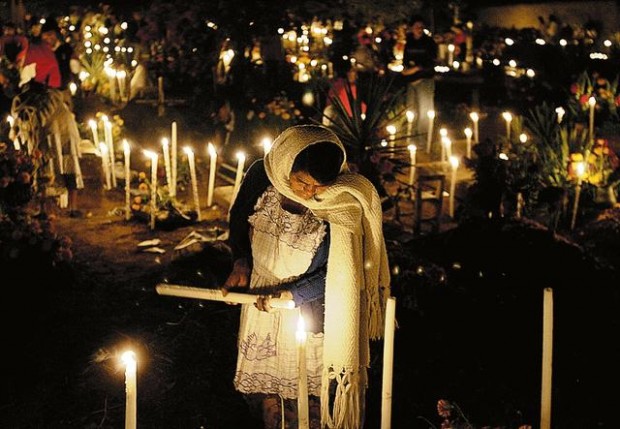
Also Wednesday, protesters stayed true to Oaxaca's artistic roots on the Day of the Dead, blocking some streets with huge tapestries of skulls and skeletons — instead of the sticks, rocks and burning vehicles previously used.
The embassies of the U.S., Canada, the United Kingdom, France and Germany all have issued advisories warning their citizens to avoid traveling to the region.



 Historic bank vault now new Tucson speakeasy