
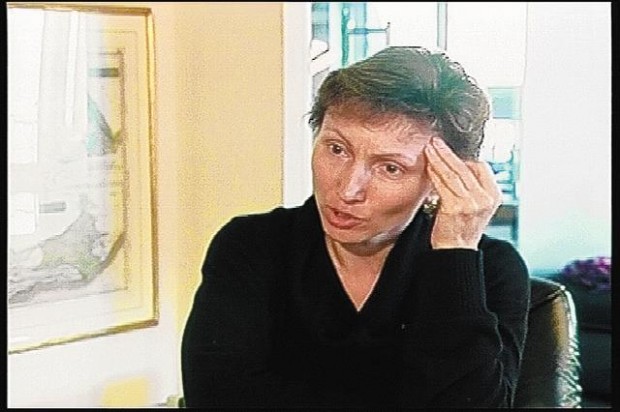
LONDON — Alexander Litvinenko's widow said his criticism of the Kremlin had antagonized his former secret service colleagues, and contended that Russian President Vladi-mir Putin had created an atmosphere that "makes it possible to kill a British person on British soil."
In interviews, published Sunday, Marina Litvinenko said she believed Russian authorities were behind the poisoning of her husband, who sought asylum in Britain in 2000 and obtained citizenship this year. British police are treating it as a murder.
Marina Litvinenko told Sky News in an English-language interview that her husband "openly went out from system and accused the system of killing people, of kidnap."
"System never forgive you about this," she said.
Also on Sunday, a friend of Litvinenko accused Russian authorities of hampering the British inquiry into the poisoning death of the former KGB agent by preventing two key figures in the case from being questioned and he warned the pair could be in danger.
People are also reading…
German authorities said Sunday that they found traces of the rare radioactive substance polonium-210 at an apartment visited by a contact of Litvinenko before the two men met in London.
In interviews with two Sunday newspapers and a British broadcaster, Marina Litvinenko recalled the days leading up to the Nov. 23 death of her 43-year-old husband from poisoning by polonium-210.
"Marina, I love you so much," Litvinenko told his wife in the last hours of his life. She said they were his last words.
Litvinenko fell ill on Nov. 1, a day the couple always celebrated because it was the anniversary of their arrival in Britain.
She said he vomited repeatedly and told her "everything was strange, looked gray. He said, 'It looks like someone has poisoned me. When I was in military school, I learned about this' "
Every time she went to the hospital to see her husband, she could see the toll the poison was taking on his once-healthy body, telling the Sunday Times "each day for him was like 10 years — he became older in how he looked."
Litvinenko himself believed he had been targeted, and he and his emigre allies have blamed Putin for the poisoning — allegations that have been strongly denied.


 U of A’s fall enrollment down more than 20%, sources say