The Arizona Daily Star has been reporting on the plight of dozens of people imprisoned at a decommissioned hotel in Equatorial Guinea, including one man who grew up in Phoenix, after the U.S. deported them there without notice.
None of the deportees have any ties to Equatorial Guinea. All have been granted protection against deportation to their home countries.

In this screenshot from a Sept. 5 video shared with the Arizona Daily Star, Ahmed Soliman, who grew up in Phoenix, is seen on his knees, in a white shirt as a kneeling police officer aims a firearm at him and another deportee. Soliman said police were demanding his phone, after he was caught recording them, but Soliman's phone had already been seized at this point, he said.
Here’s the latest on what lawyers call a dangerous situation at Hotel Bamy in Equatorial Guinea, where violence against U.S. deportees imprisoned there has been escalating:
People are also reading…

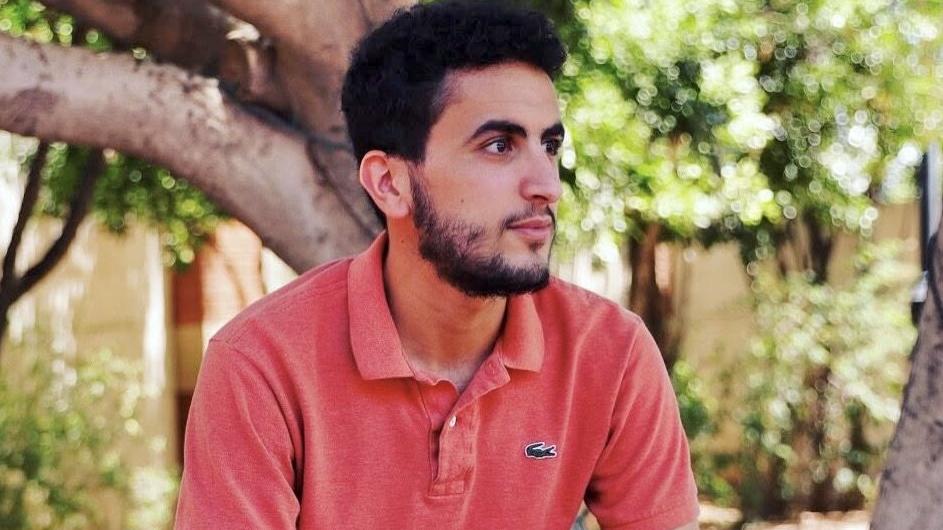
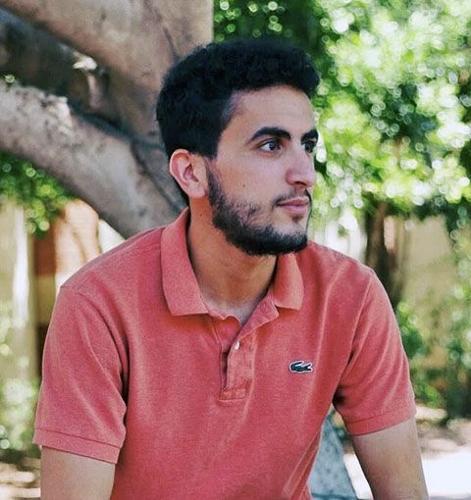
Ahmed Soliman, pictured in Glendale in 2020, grew up in Phoenix after his family moved from Egypt to Arizona when he was 4. He’s been detained at a hotel in Equatorial Guinea since ICE deported him there April 28 without due process. He said he’s intent on speaking out about the injustices he and other deportees at the hotel are facing, despite the risks to his personal safety.
On Friday, Sept. 11, Ahmed Soliman — whose family moved to Phoenix from Egypt when he was 4 — was arrested at the Hotel Bamy, in what his lawyers call retaliation for his speaking to the news media about abusive, dangerous conditions at the hotel. "How is this not global news yet?" he wrote to the Star, before his arrest and before his phone was confiscated by local authorities. "I’m genuinely tired and afraid for my life. I can’t take it anymore. I want to go home."
One week prior to his arrest, Soliman had shared a video of himself and another deportee being held at gunpoint on Sept. 5 in the lobby of the Hotel Bamy, as police demanded their phones, Soliman told the Star. On Sept. 9, a few days after Reuters published a report on the video, armed guards suddenly confiscated all deportees’ phones. Lawyers told the Star the seizure of all phones was in retaliation for Soliman sharing the Sept. 5 video with journalists. Soliman and another deportee were taken into police custody two days after the phones were seized. They were being held incommunicado at an unknown location, as of Friday night, lawyers said.
At the Hotel Bamy, U.S. deportees' phones have been repeatedly seized, or the internet has been disconnected, after guards discovered the deportees have talked with journalists or attorneys about the conditions they're being held in, deportees and their lawyers have told the Star.
The government of Equatorial Guinea has not explained why the people deported there are imprisoned at the hotel, despite having committed no crime in the country. The central African nation received $7.5 million from the U.S., in exchange for accepting third-country deportations of people who can't be returned to their home countries.
U.S. Immigration and Customs Enforcement spokesman Fernando X. Burgos said the agency bears no responsibility for what happens to deportees after they leave U.S. custody. The agency continues to deport people to Equatorial Guinea and other unsafe nations, in violation of the Constitution’s due process guarantees and in violation of U.S. statutory and treaty obligations, human rights advocates say.
U.S. Rep. Adelita Grijalva, D-Arizona, said Friday that ICE’s continued deportation of migrants to unsafe countries without due process is “illegal” and “shameful.” She’s reached out to the Embassy of Equatorial Guinea on behalf of Soliman, but so far has not received a response. The Embassy has also ignored the Star’s repeated requests for comment. Grijalva said she’ll also reach out to the U.S. State Department, which signed the third-country removal agreement with Equatorial Guinea. Since July, the State Department has ignored the Star’s questions on the agreement and on the treatment of people ICE has deported to Equatorial Guinea. The office of U.S. Sen. Mark Kelly, D-Arizona, said it also reached out to the State Department, without response.
Read the Star's most recent story on Soliman here.
The Star's first two stories about U.S. deportees sent to Equatorial Guinea are available here and here.
Contact reporter Emily Bregel at ebregel@tucson.com. On X, formerly Twitter: @EmilyBregel

Emily Bregel
Border reporter